Soft Coral Lighting and Light Intensity Guide | PAR Guidelines and How to Identify Light-Sensitive Species
Guidelines for light intensity needed for soft corals, differences in light sensitivity among species, and how to safely acclimate them to lighting.
Key Takeaways
Guidelines for light intensity needed for soft corals, differences in light sensitivity among species, and how to safely acclimate them to lighting.
Why Lighting Is Important for Soft Corals
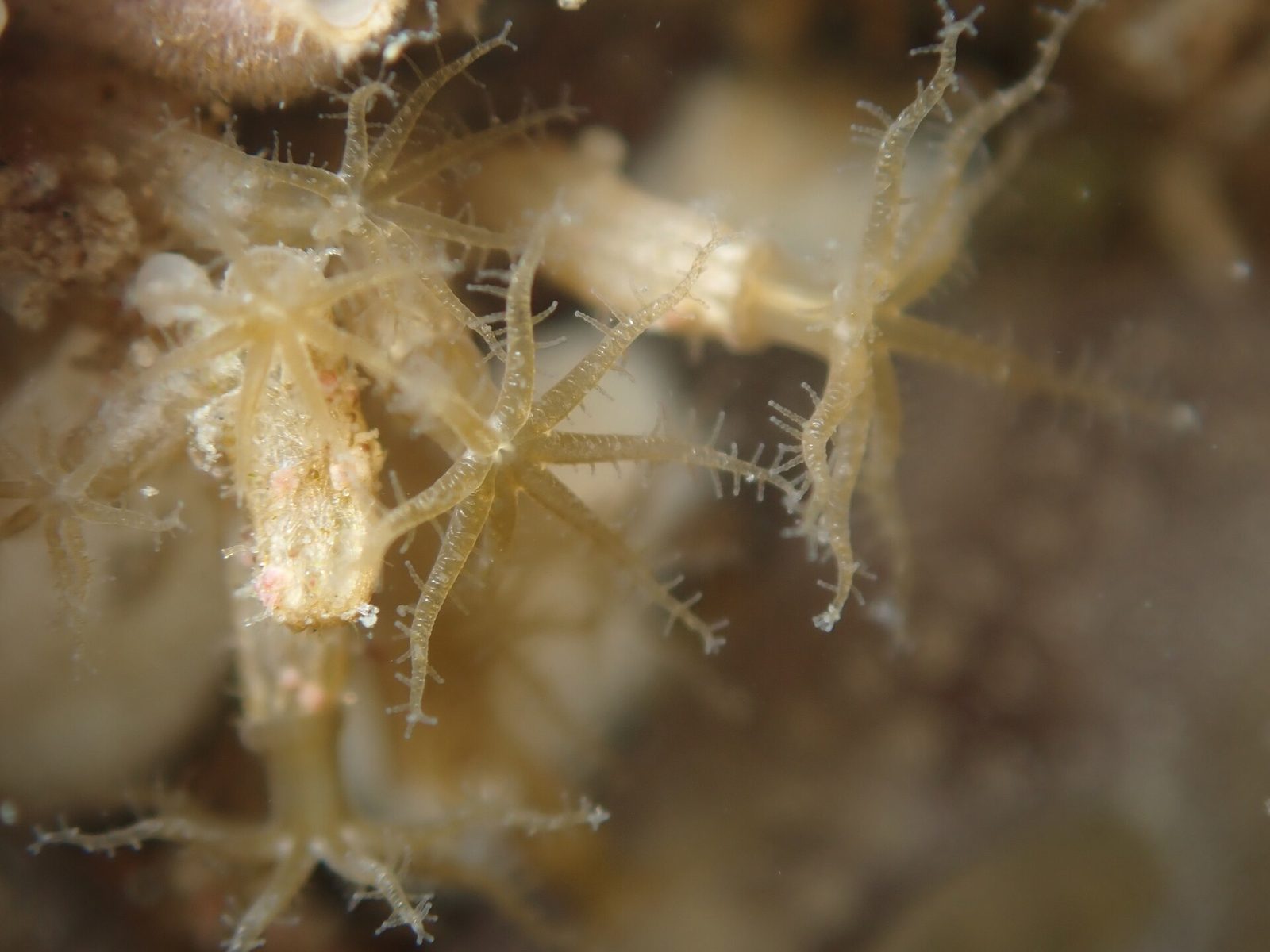
Most soft corals harbor symbiotic algae called zooxanthellae within their tissues, and utilize a portion of the nutrients produced through photosynthesis for growth and polyp maintenance. While many species do not require as intense light as hard corals like SPS (Acropora), insufficient light can result in poor polyp extension and overall coloration appearing dull. Conversely, exposing newly introduced specimens to light that is too intense too quickly can damage the tissue and result in polyps remaining retracted and failing to open, as documented. Planning lighting for soft corals is not simply a matter of "weaker is safer"—understanding the tolerance of each species and securing the necessary light intensity within reasonable limits is essential.
For the overall design of aquarium lighting, see Choosing Aquarium Lighting for Corals | Comparing Characteristics of LED, T5 Fluorescent, and Metal Halide for details on each type of fixture; please also refer to this guide when selecting equipment.
PAR Values and Application to Representative Soft Corals
PAR (photosynthetic photon flux density) is a commonly used unit to objectively indicate light intensity. While these are guidelines shared among hobbyists, soft corals in general are commonly maintained in the range of approximately 50–150 μmol/m²/s. However, even within the soft coral category, preferred ranges vary by species.
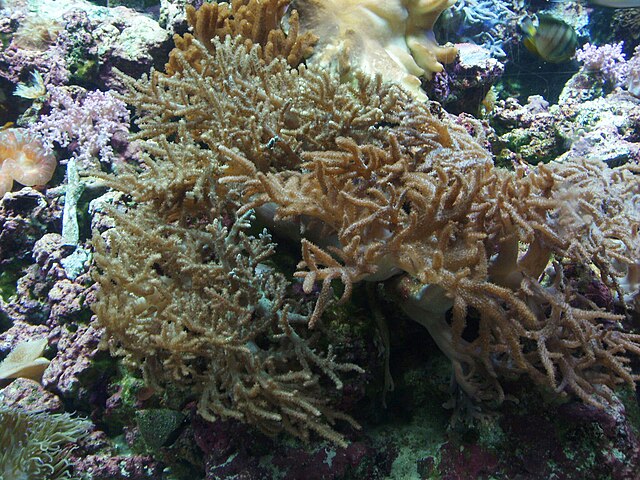
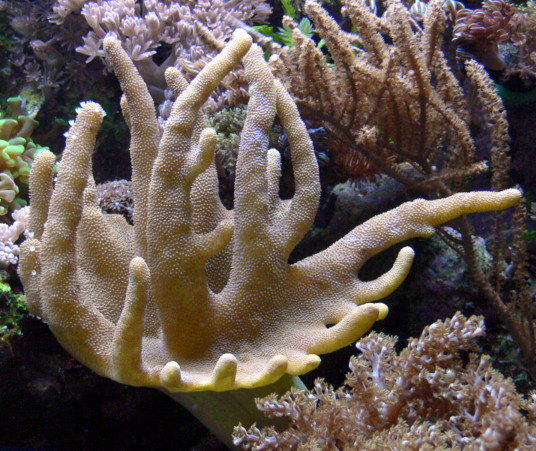
- Leather corals, Sinularias, and toadstool corals are species that readily adapt to a relatively wide range of light intensities
- Star polyps and green star polyps tend to readily extend their polyps even under moderate light levels
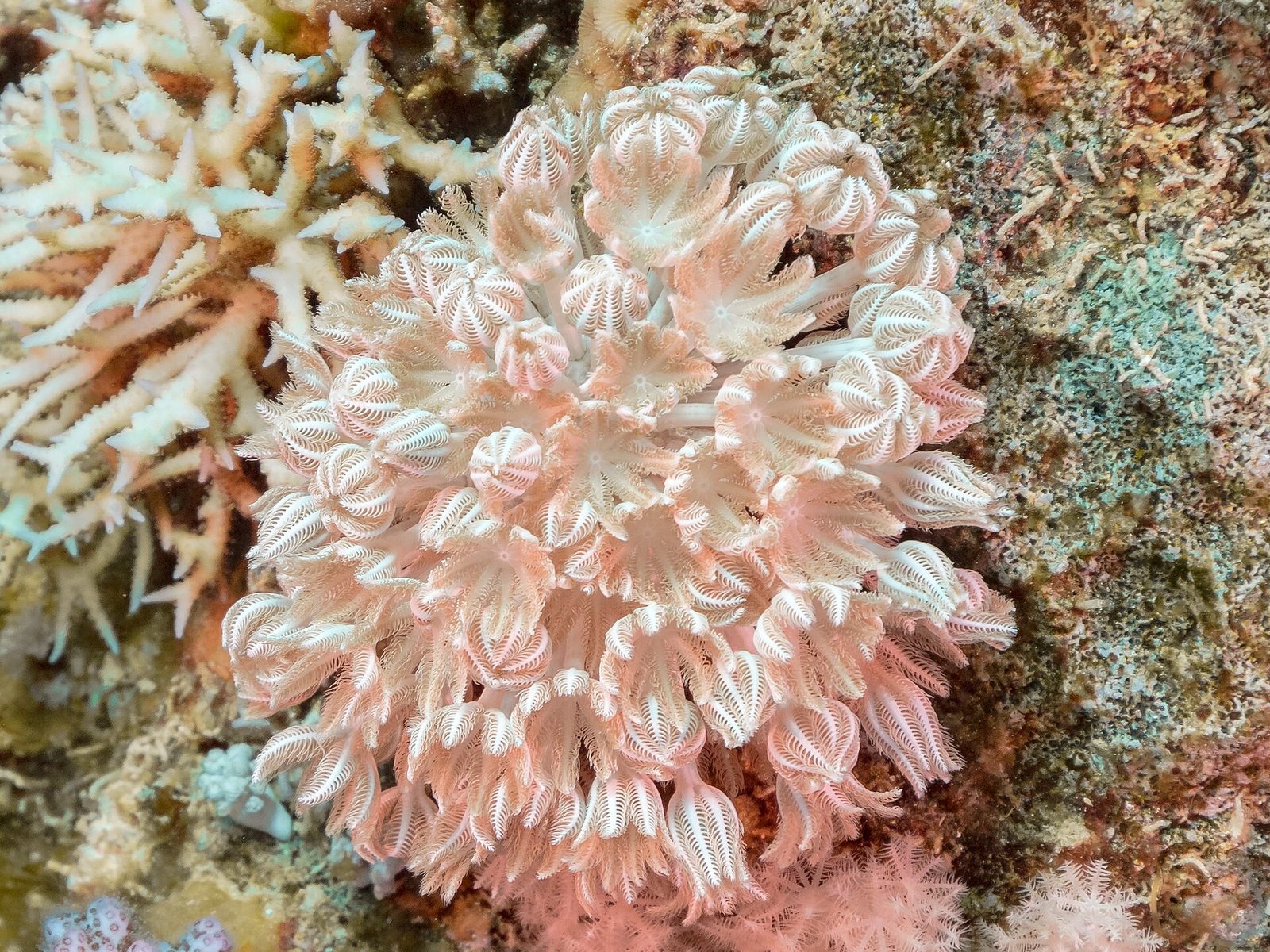
- Xenia (pulse corals) are known to react sensitively to moderately strong light and changes in water flow and have a weakness to sudden environmental changes
As explained in SPS Coral Lighting and PAR Value Guide | Light Management and Acclimation, SPS corals tend to require higher PAR values, and their light planning should be approached separately from soft corals. When keeping both in the same aquarium, aquascaping strategies such as positioning SPS in high-light areas and soft corals in areas with slightly weaker light are worth considering.
Identifying Light-Sensitive Species
Even within soft corals, light sensitivity varies by species. The following characteristics can serve as clues when deciding before introduction or repositioning.
- Species with small polyps and delicate tissues (such as some star polyps) tend to be easily affected by rapid changes in light intensity
- Species known to occur in rocky crevices or deep water in nature may prefer dimly lit areas in the aquarium rather than high-light zones
- If polyps do not extend well immediately after introduction or tissue appears shriveled, this may indicate that the current light level is not suitable for the specimen
- If color progressively fades over weeks, excessive light or a mismatch in light spectrum should be considered as potential causes
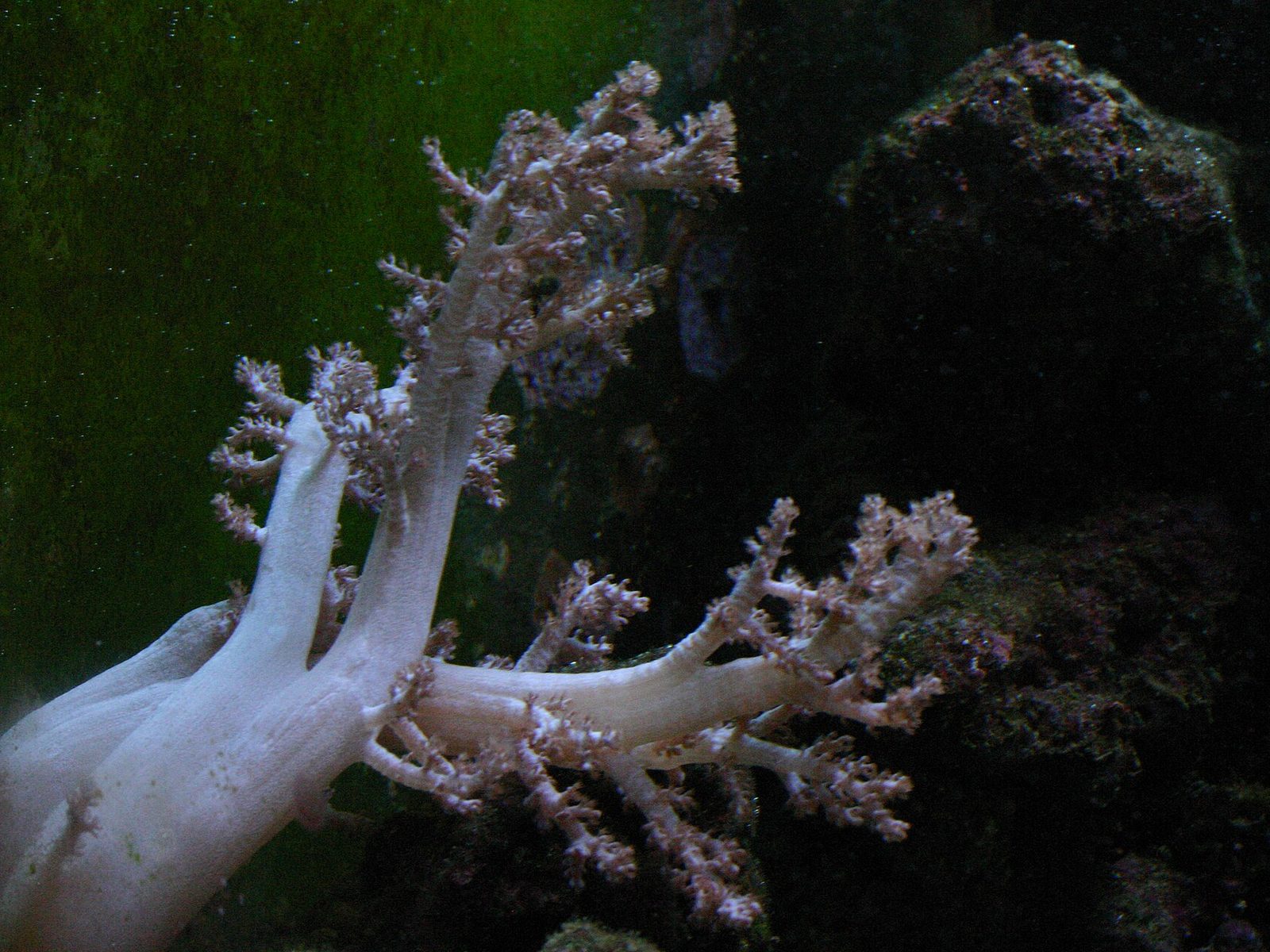
Additionally, species such as Dendronephthya (carnation corals) exist that have low dependence on zooxanthellae and are believed to derive a greater proportion of their nutrition from feeding rather than from light intensity itself. Understanding not only light requirements but also how each species primarily obtains its nutrition is essential.
Acclimation: Safely Raising Light Intensity
When introducing new specimens or upgrading lighting equipment, the concept of "acclimation"—gradually adjusting rather than immediately reaching target light levels—is important. As with coral acclimation and introduction procedures, abrupt changes in light can stress the tissue.
Commonly employed methods include starting specimens near the tank bottom or in shaded areas and gradually moving them closer to the light source every few days while observing polyp extension, or gradually increasing photoperiod or light intensity over several weeks. Rather than rushing to place corals in high-light zones in the short term, adjusting gradually while monitoring the specimen's response will lead to long-term health.
For basic information on zooxanthellae and photosynthesis, see Corals and Zooxanthellae | Photosynthesis and Symbiosis; reviewing this will deepen your understanding of light management.
Maintenance and Record-Keeping Habits
Lighting is not a one-time installation; LED aging and fluorescent lamp light decay mean that fixture output changes over time. Regularly observing polyp extension and color changes, and keeping records as photos or simple notes, will make it easier to determine when to replace lighting equipment or reconsider placement.
Using a collection-tracking system like ReefBook to continuously record state changes for each specimen is one effective method. If unclear symptoms persist, it is advisable to seek guidance from aquarium retailers or experienced hobbyists rather than relying solely on self-diagnosis.