Corals and Zooxanthellae | Photosynthesis and Symbiosis Mechanisms
An accessible explanation of the symbiotic relationship between corals and zooxanthellae, how photosynthesis works, and the relationship between light and nutrition.
Key Takeaways
An accessible explanation of the symbiotic relationship between corals and zooxanthellae, how photosynthesis works, and the relationship between light and nutrition.
The Symbiotic Relationship Between Corals and Zooxanthellae
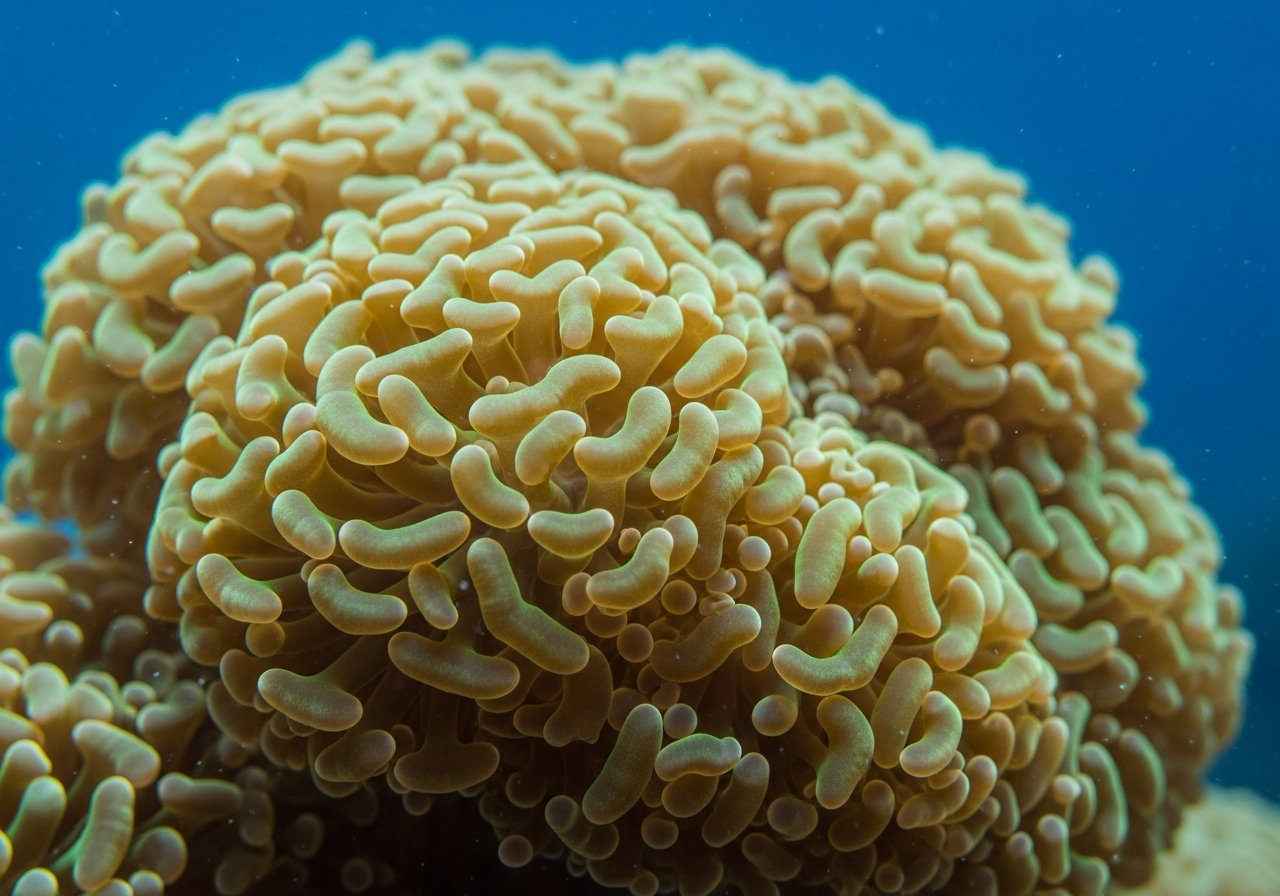
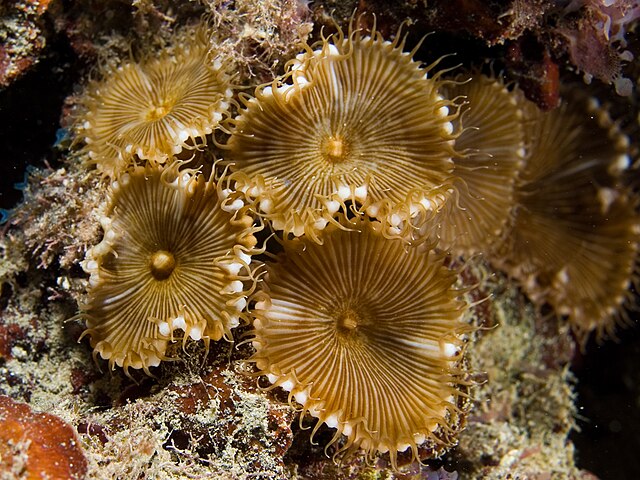
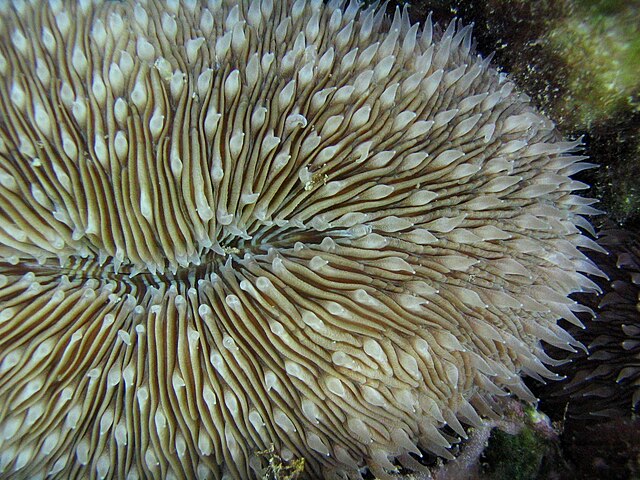
Most reef-building corals do not derive nutrition solely on their own. Instead, they harbor microscopic algae called "zooxanthellae" (a type of dinoflagellate belonging to the family Symbiodiniaceae) within their tissues, obtaining a portion of their nutrition from them. This mutually beneficial relationship is called "mutualism" and is considered the foundation supporting the reef ecosystem itself.
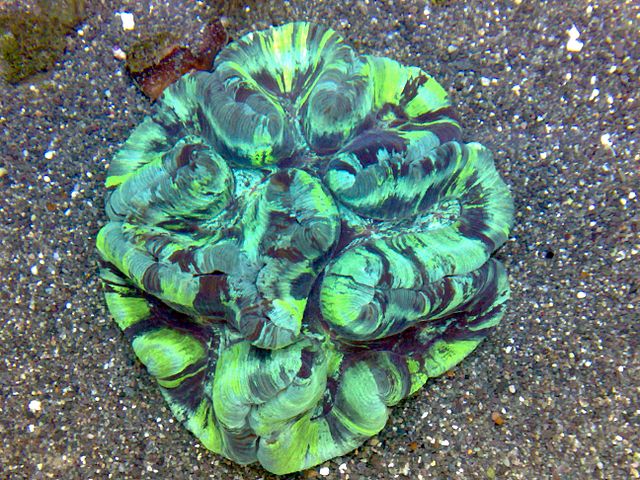
Zooxanthellae coexist at extremely high densities within the cells of coral tissue. Much of a coral's color is thought to reflect the color of the zooxanthellae themselves and their density and metabolic state. When we observe a coral's "color intensity" in an aquarium, we are simultaneously observing both the coral's own tissue color and the condition of the symbiotic zooxanthellae.
How Photosynthesis Works
Zooxanthellae conduct photosynthesis within coral tissue, using solar energy to produce organic compounds such as sugars and lipids. A portion of these photosynthetic products is transferred to the coral host, which uses them as an energy source for growth and skeleton formation. In return, the coral provides zooxanthellae with carbon dioxide needed for photosynthesis, as well as nitrogen, phosphorus, and other metabolic waste products that zooxanthellae use as nutrients. This reciprocal exchange of each organism's excess and deficiencies is what makes this symbiosis so fascinating.
This mechanism is often cited as one reason coral reefs maintain such rich ecosystems despite the nutrient-poor conditions of tropical ocean waters. Even when surrounding seawater lacks sufficient nutrients, corals can continuously receive energy produced by their internal zooxanthellae, allowing them to persist and grow in nutrient-limited environments.
Why Light is Critical
For corals with abundant zooxanthellae (which includes most reef-building corals), light is not merely an environmental factor—it is the lifeline that determines the zooxanthellae's photosynthetic output. Insufficient light quantity or quality (spectrum) reduces zooxanthellae photosynthesis, which in turn decreases the energy available to the coral. Conversely, excessively strong light or sudden changes in light intensity stress both zooxanthellae and coral, making lighting selection and acclimation a crucial management consideration in captive systems. For detailed information on lighting, see SPS Coral Lighting and PAR Value Guide and How to Choose Reef Tank Lighting.
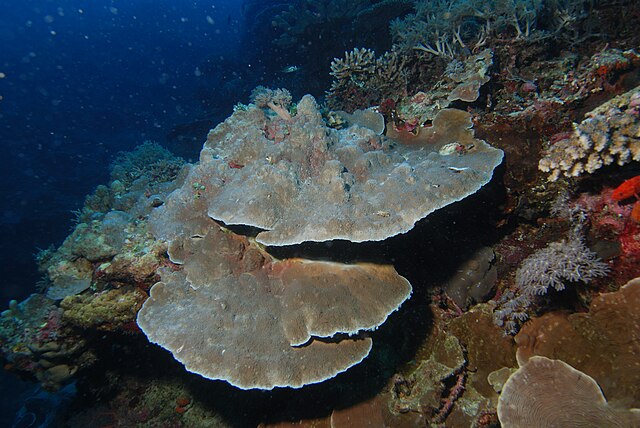
Optimal light levels vary by species. Generally, SPS corals like Acropora—which tend to inhabit shallow reef environments—prefer strong light, while species inhabiting deeper or shadier areas may thrive under more modest illumination. Even among "zooxanthellate corals," a one-size-fits-all light intensity is not appropriate; adjustments based on species-specific tendencies are required.
Light Alone Is Not Enough
Corals cannot meet all their nutritional requirements from zooxanthellae-derived energy alone. Most corals also engage in heterotrophic feeding—capturing plankton and organic matter from the water—combining this with the autotrophic nutrition from photosynthesis to meet their nutritional needs. Species with large polyps, such as LPS corals, derive a relatively higher proportion of nutrition from predation, and target feeding is often recommended (see LPS Coral Target Feeding). Some corals are non-symbiotic or largely lack zooxanthellae and depend little on light, with feeding as their primary nutrition source.
In other words, coral nutrition exists on a spectrum from species heavily reliant on photosynthesis to those almost entirely dependent on predatory feeding. Understanding where a species falls on this spectrum is essential for planning both lighting and feeding strategies.
When Symbiotic Balance Breaks Down
When corals experience severe stress—such as rapid temperature changes, insufficient or excessive light, or water quality degradation—they may expel their zooxanthellae, resulting in a visible loss of color and a white appearance. The mechanisms, causes, and recovery from this phenomenon are explained in detail in Coral Bleaching (Bleaching): Causes and Recovery. The symbiosis with zooxanthellae normally supports coral growth and coloration, but it rests on a delicate environmental balance.