How to Distinguish Soft Coral Ailments
Bleaching, color loss, and infections can look similar; this guide outlines how to distinguish between soft coral health changes and key observation tips.
Key Takeaways
Bleaching, color loss, and infections can look similar; this guide outlines how to distinguish between soft coral health changes and key observation tips.
Health changes common in soft corals
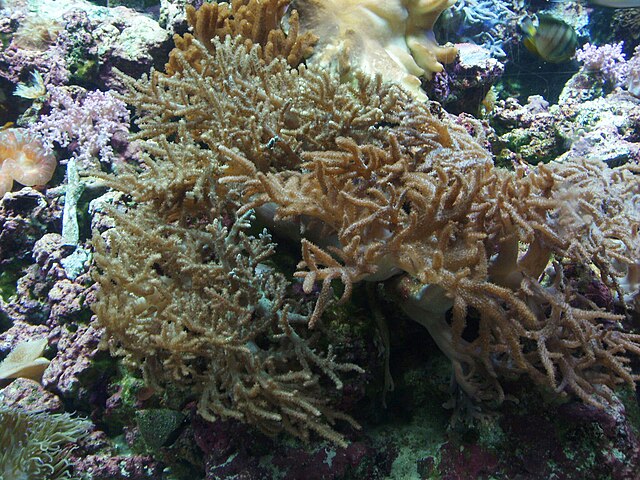
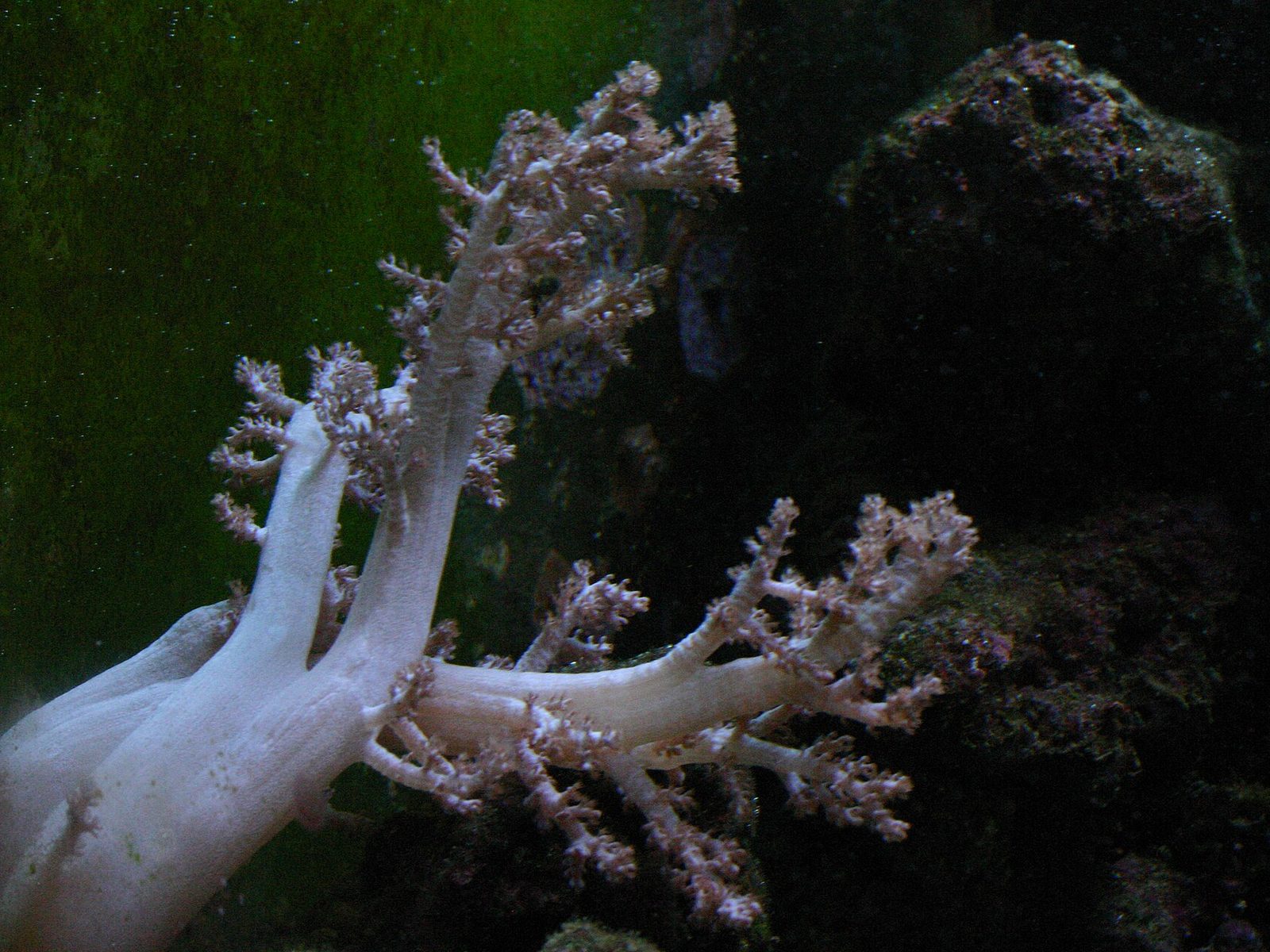
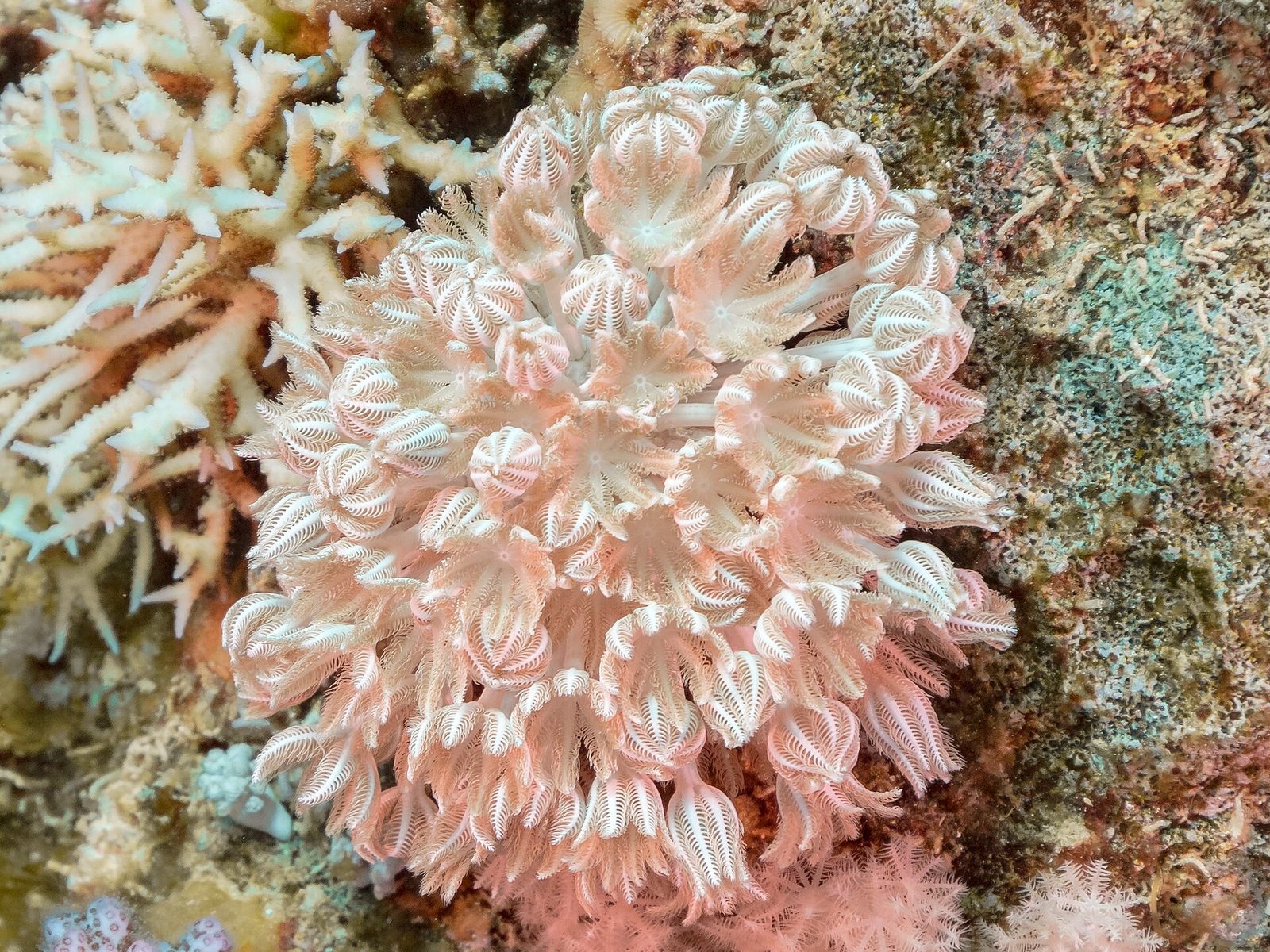
Soft corals are a general term for corals without hard skeletons, including leather corals, Kenya tree corals, star polyps, and xenia, among many other popular species. Because their skeletons are soft, signs of poor health appear easily as visible changes—shrinking, color loss, or slimy surfaces.
However, it's often difficult to pinpoint a single cause from appearance alone, and gaining perspective on whether the change resembles bleaching, color loss, or infection leads to early intervention.
Distinguishing bleaching
Bleaching occurs when zooxanthellae that live symbiotically with corals leave or lose their pigment, causing tissue to become nearly transparent and exposing the white skeleton or underlying tissue. As explained in Coral Bleaching: Causes and Recovery, high water temperatures, overly strong light, and sudden water quality changes are often triggers.
Soft coral bleaching has these characteristics:
- The entire colony loses color uniformly, and tissue usually doesn't shrivel
- With water temperature and lighting adjustments, color may return over time
- Polyp opening and closing typically remain normal
If tissue doesn't shrivel and polyps open and close normally despite looking pale, the first step is to check water temperature and light intensity.
Distinguishing color loss
Color loss is less extreme than bleaching and usually refers to situations where nutrient balance or lighting spectrum changes cause brownish tones to fade or natural coloration to dull. As mentioned in Soft Coral Tank Nutrient Management, when nitrate or phosphate becomes extremely low, zooxanthellae pigment density can drop, making color appear faded.
With color loss, unlike bleaching, tissue transparency isn't as pronounced, and the colony's vitality—polyp extension and response to flow—typically remains intact, which serves as a diagnostic clue. Measuring nutrients and checking whether conditions have become extremely oligotrophic is helpful.
Distinguishing infection and tissue trouble
On the other hand, when tissue remains shrunken and won't open, abnormal slime increases on the surface, or tissue appears to dissolve and collapse, this suggests infection or tissue breakdown rather than bleaching or color loss. As explained in Soft Coral Bacterial Necrosis and Tissue Collapse, abnormal slime secretion or tissue collapse can progress quickly, making early observation and response crucial.
For distinguishing symptoms, looking at these combinations helps organize observations:
- If color is faded but the colony extends and shrinks normally, suspect color loss
- If tissue becomes translucent and thin but doesn't shrink, suspect bleaching
- If the colony remains shrunken, won't open, and shows foul odor or sliminess, suspect infection or tissue collapse
Tracking changes with photos and records
Visual changes can be hard to notice when simply observing in the moment. Particularly with gradual changes like color loss, placing photos taken from a fixed point side by side often reveals differences you wouldn't catch otherwise. As introduced in Why You Should Keep Records of Your Coral Collection, keeping photos alongside dates, water temperature, water quality, and lighting settings makes it easier to determine later whether a health change resembles bleaching, color loss, or infection.
When you're unsure how to proceed
These symptoms often lack clear boundaries, and multiple factors may occur simultaneously. Rather than self-diagnosing with medications or rushing to conclusions based on one sign, recording symptoms with photos and organizing water temperature, quality, and lighting data makes it easier to explain the situation to specialty shops or aquarium experts. Early detection and prompt environmental review are most important for soft coral health, and daily observation habits are the first step.
Some symptoms can be caused by multiple overlapping factors, so rather than rushing to conclusions from a single sign, confirming the condition from multiple angles—water temperature, lighting, and nutrients—is essential. Also, the way symptoms appear varies by species even within soft corals, so while referencing Beginner-Friendly Soft Corals and other resources, I recommend observing with an understanding of the traits of the species you're keeping.