Soft Coral Flow Management | How to Distinguish Between Species That Prefer Strong Flow and Gentle Flow
This guide explains the differing water flow preferences among soft coral species and the signs of insufficient or excessive flow. We organize the thinking behind placement and how to create appropriate water flow.
Key Takeaways
This guide explains the differing water flow preferences among soft coral species and the signs of insufficient or excessive flow. We organize the thinking behind placement and how to create appropriate water flow.
Soft Corals Are Not Indifferent to Water Flow
Soft corals lack a skeleton and have soft bodies throughout, so they are often perceived as hardy and undemanding about their environment. In fact, many species do have some tolerance to changes in water quality, but when it comes to water flow, there are clear preferences that differ by species. As explained in the mechanism of soft coral pulsation (pulse movement), many soft corals take in surrounding water while contracting and expanding their bodies, expelling waste in the process. If the water flow is not suitable, this movement itself can be impeded, which can affect polyp opening and closing as well as growth.
Species That Prefer Strong Flow
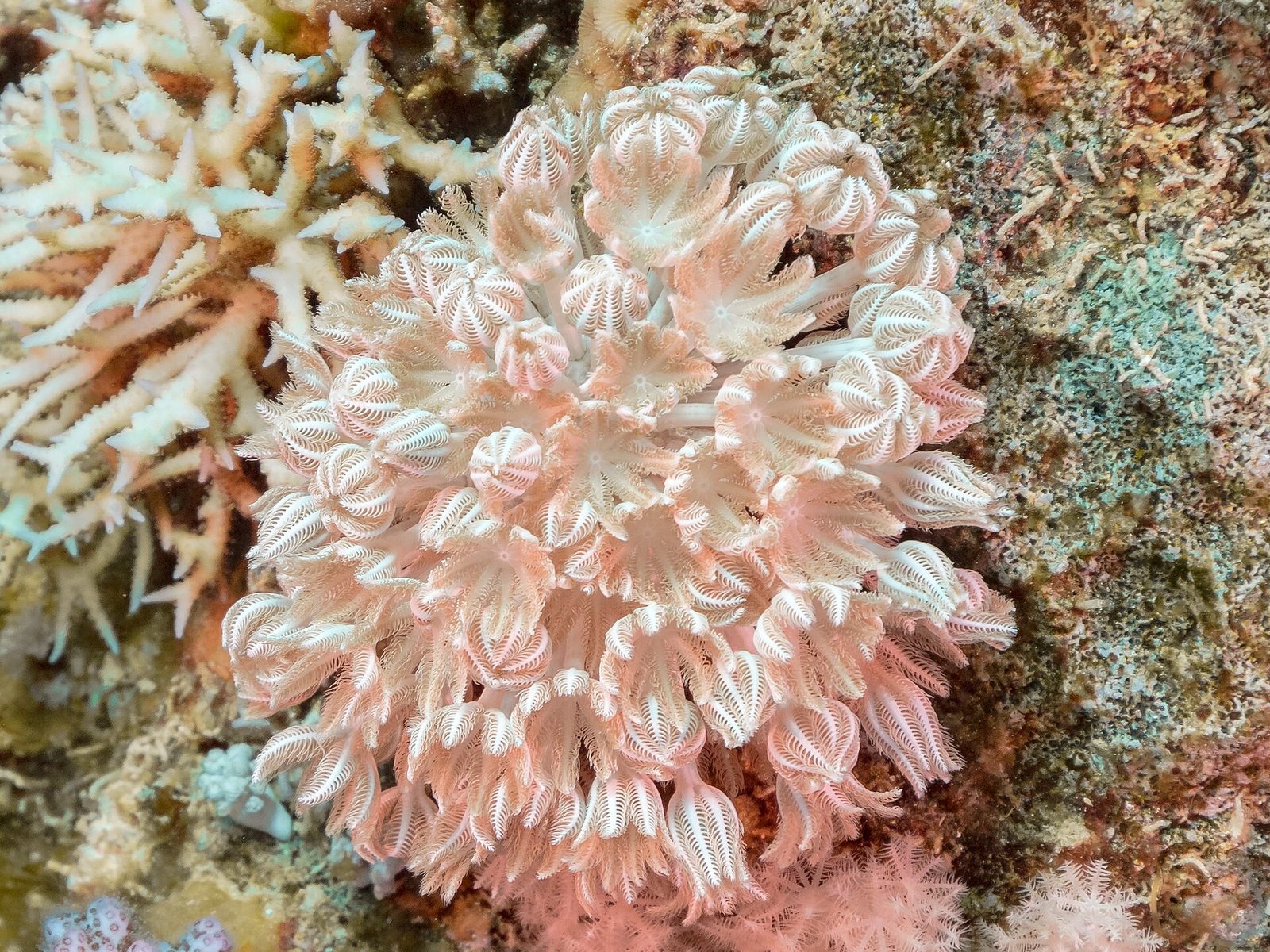
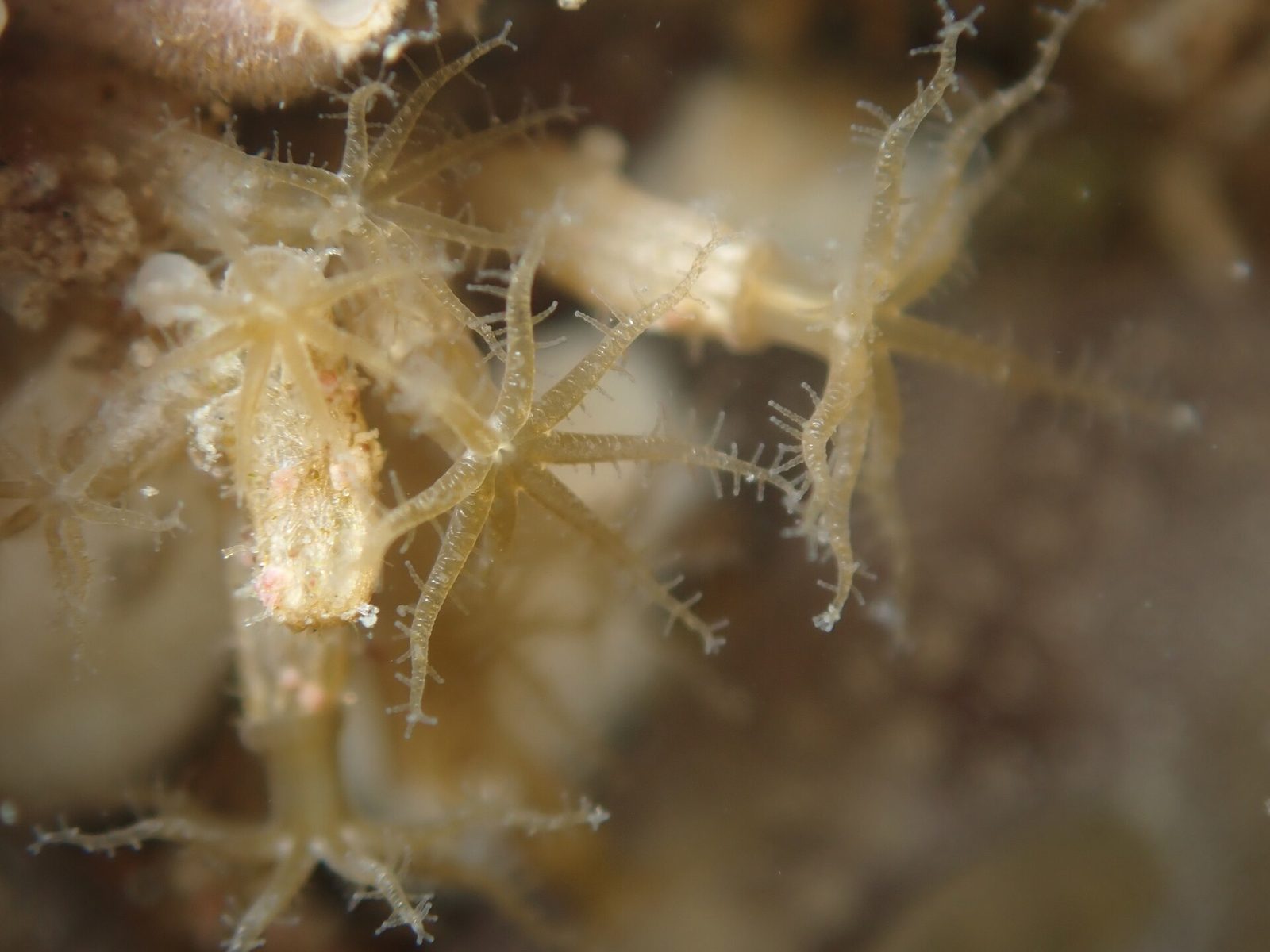
Types with densely packed small polyps such as Xenia (Sea Mat), Green Star Polyp, and Star Polyp tend to prefer environments where polyps sway and move with moderate water flow. If water flow is too weak, dirt and algae are more likely to accumulate on the polyp surface, causing them to open poorly. Furthermore, species such as Dendronephthya (Carnation Coral) and Scleronephthya (Color Tree Coral) that lack zooxanthellae and survive by capturing plankton and organic matter from the water depend on continuous water flow to deliver food to their tentacles—this is essential for their survival. These species deteriorate rapidly when water flow stops, making continuous pump operation a necessity.
Species That Prefer Gentle Flow
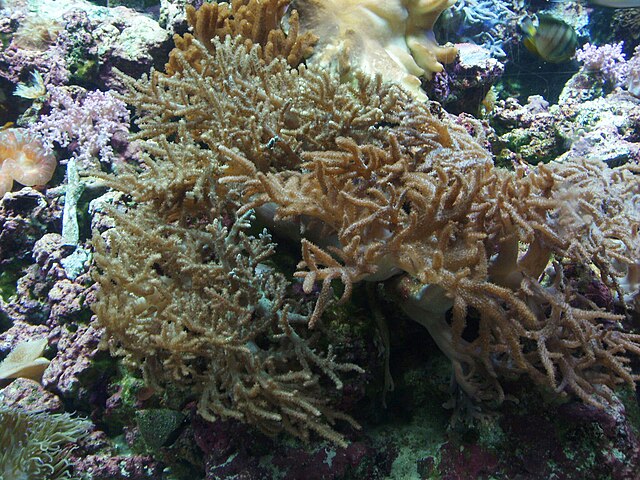
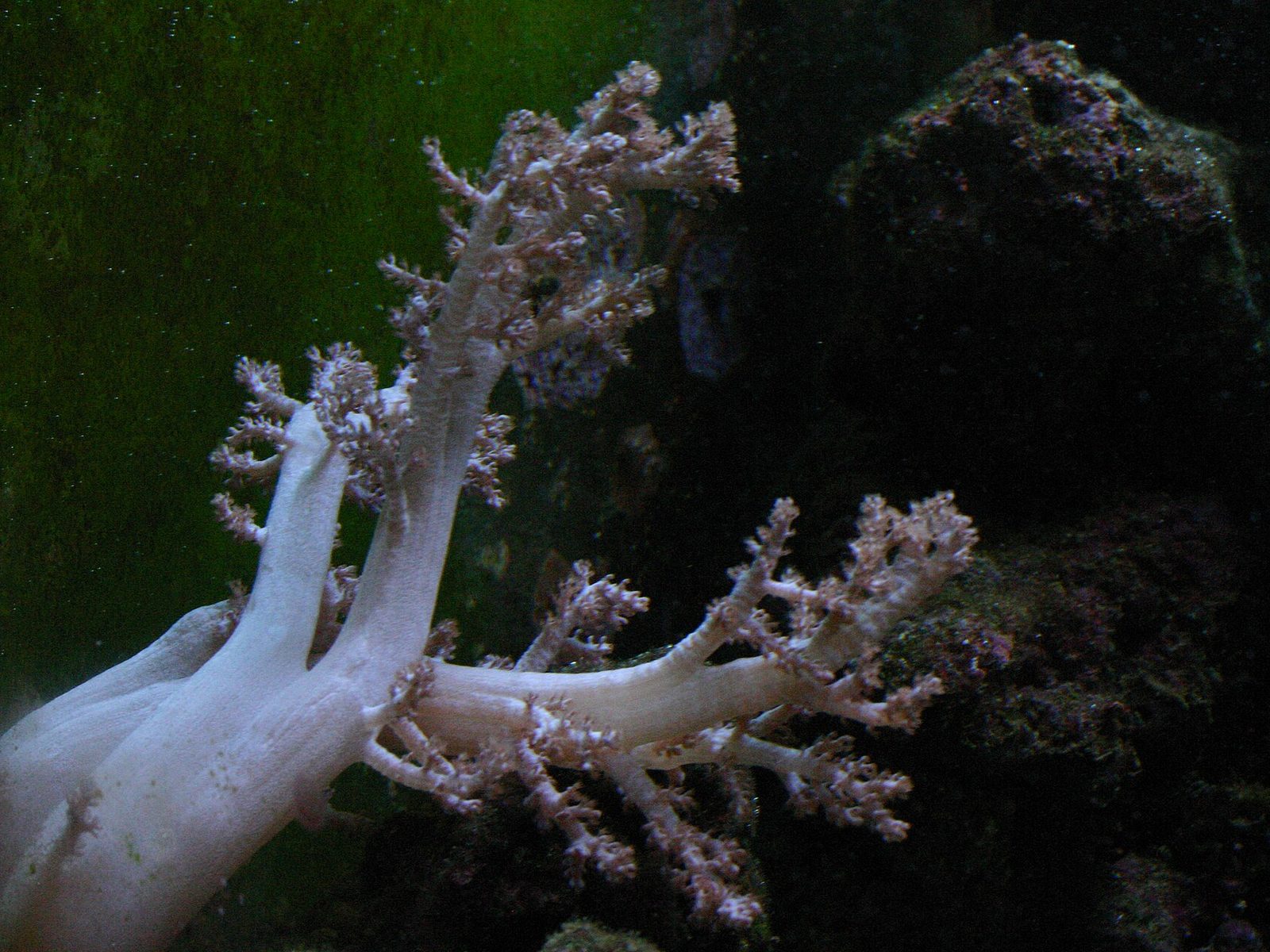
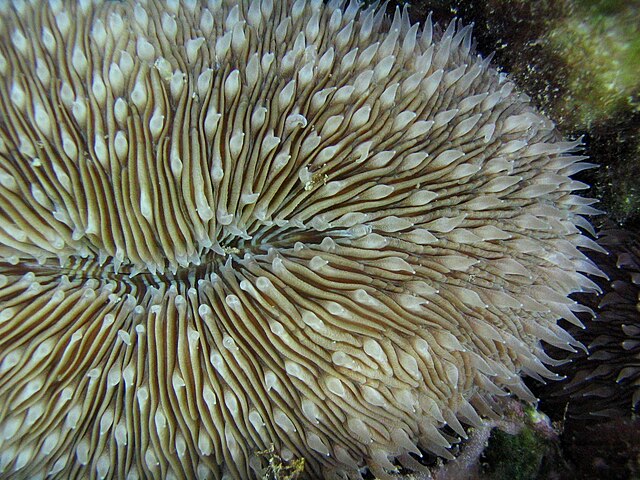
On the other hand, species that develop in tree-like or mushroom shapes, such as Leather Coral and Toadstool Coral, and broad-spreading types like Anthelia (Waving Hand Coral) and Cladiella, can suffer tissue damage or excessive mucus secretion if exposed to direct flow that is too strong. These species tend to maintain better condition in environments where water flows gently throughout the tank. In particular, delicate branching species such as Kenya Tree Coral can experience branch breakage or tissue damage from sustained direct pump flow at close range.
Signs of Insufficient or Excessive Flow
Signs that water flow is not appropriate are relatively easy to notice through daily observation.
- Polyps are opening poorly and surface debris is becoming visible—possible sign of insufficient flow
- Body is constantly pressed down in one direction—possible sign of excessive flow
- Mucus secretion is noticeably heavier than usual—can be a sign to review flow and other stress factors
- Adjacent specimens show extreme differences in condition—possible sign of uneven flow distribution
If these signs are observed, it is important to check not only water quality but also the strength and direction of water flow.
Placement and Creating Water Flow
As explained in the role and placement of water flow pumps (wavemakers), for soft corals it is often easier to create gentle turbulence by placing multiple pumps diagonally across the tank rather than trying to create uniform flow throughout. Positioning species that prefer strong flow in the mid-to-upper water column near the pump outlet, and species that prefer gentle flow in positions where indirect flow reaches them without creating dead zones, makes it easier to create environments suited to each species' preferences. For information on water flow considerations for LPS corals, LPS Coral Flow Rate Management may also be helpful.
Summary
Soft coral flow management requires consideration of the ecology of each species.
- Species with densely packed small polyps or those that feed on plankton prefer flow that is moderately strong and continuous
- Species that develop into tree-like or mushroom shapes tend to prefer gentle flow that does not impact them too directly
- Read signs from polyp opening and mucus secretion to determine if flow is appropriate
- Place multiple pumps diagonally across the tank and adjust flow strength to match each species' preferences
Reviewing soft coral ecology from the perspective of water flow, together with nutrient management in soft coral aquariums, can sometimes reveal the causes of problems that previously went unnoticed.