Beginner-Friendly Soft Corals | Getting Started with Star Polyps, Zoanthids, and Disc Corals
An introduction to hardy soft corals ideal for reef keeping beginners. We cover the characteristics of star polyps, zoanthids, and disc corals, along with tips for managing overgrowth.
Key Takeaways
An introduction to hardy soft corals ideal for reef keeping beginners. We cover the characteristics of star polyps, zoanthids, and disc corals, along with tips for managing overgrowth.
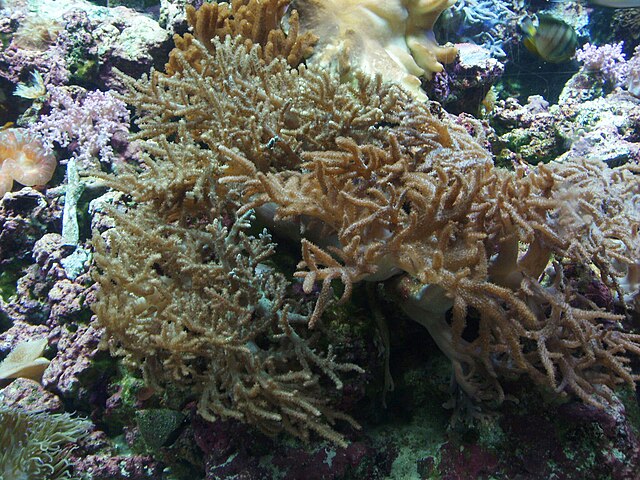
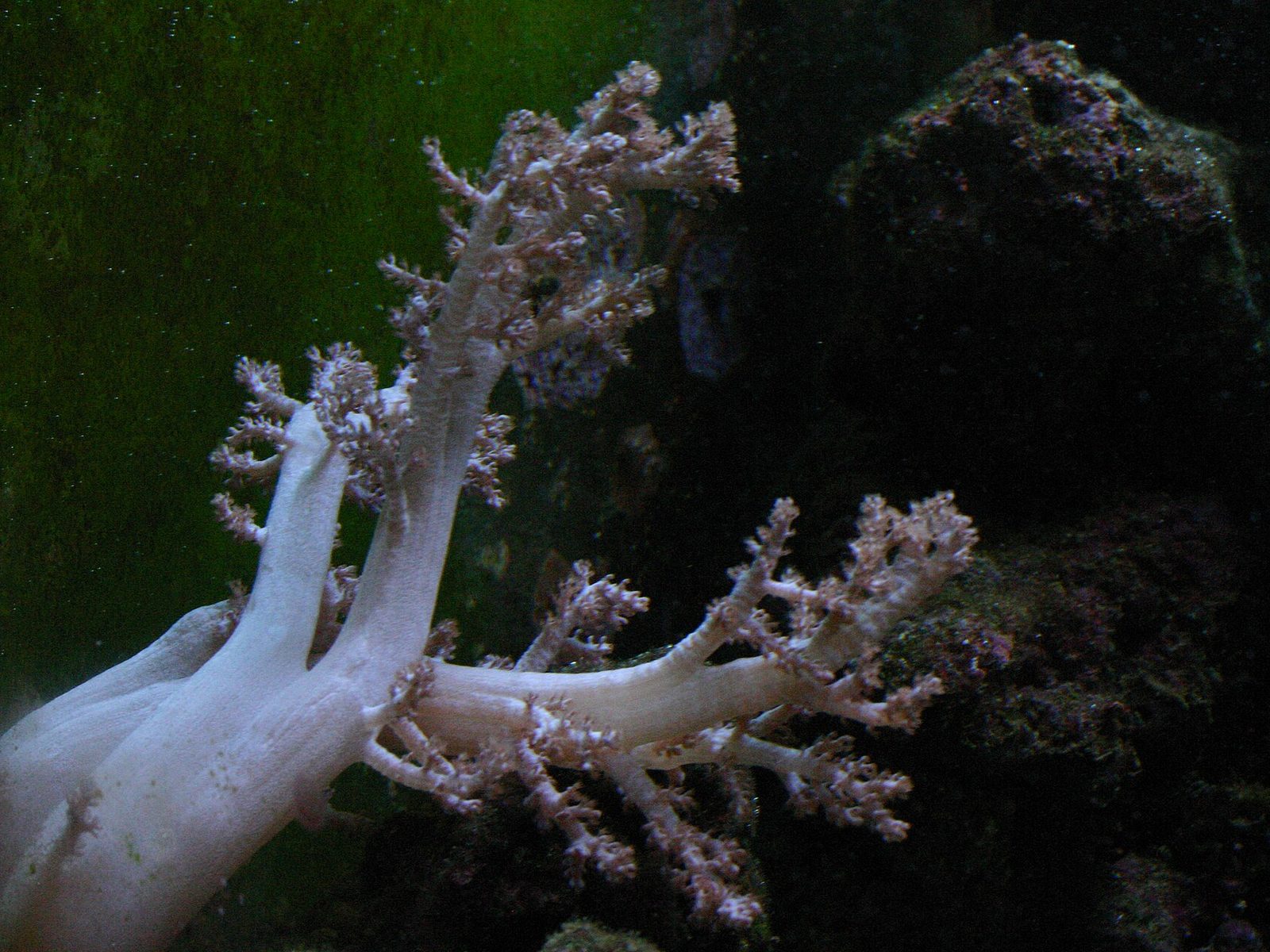
If you're starting out in coral keeping, soft corals are the way to go—this is the tried-and-true recommendation of many aquarists. Soft corals lack a rigid skeleton and sway gently with currents; they tolerate minor shifts in water parameters and make modest demands for light and water flow. They are an ideal choice for your first specimen. Here we'll introduce especially easy-to-care-for standard varieties, along with practical guidance from purchase through daily care.
Star Polyps—Ideal for Your First Coral
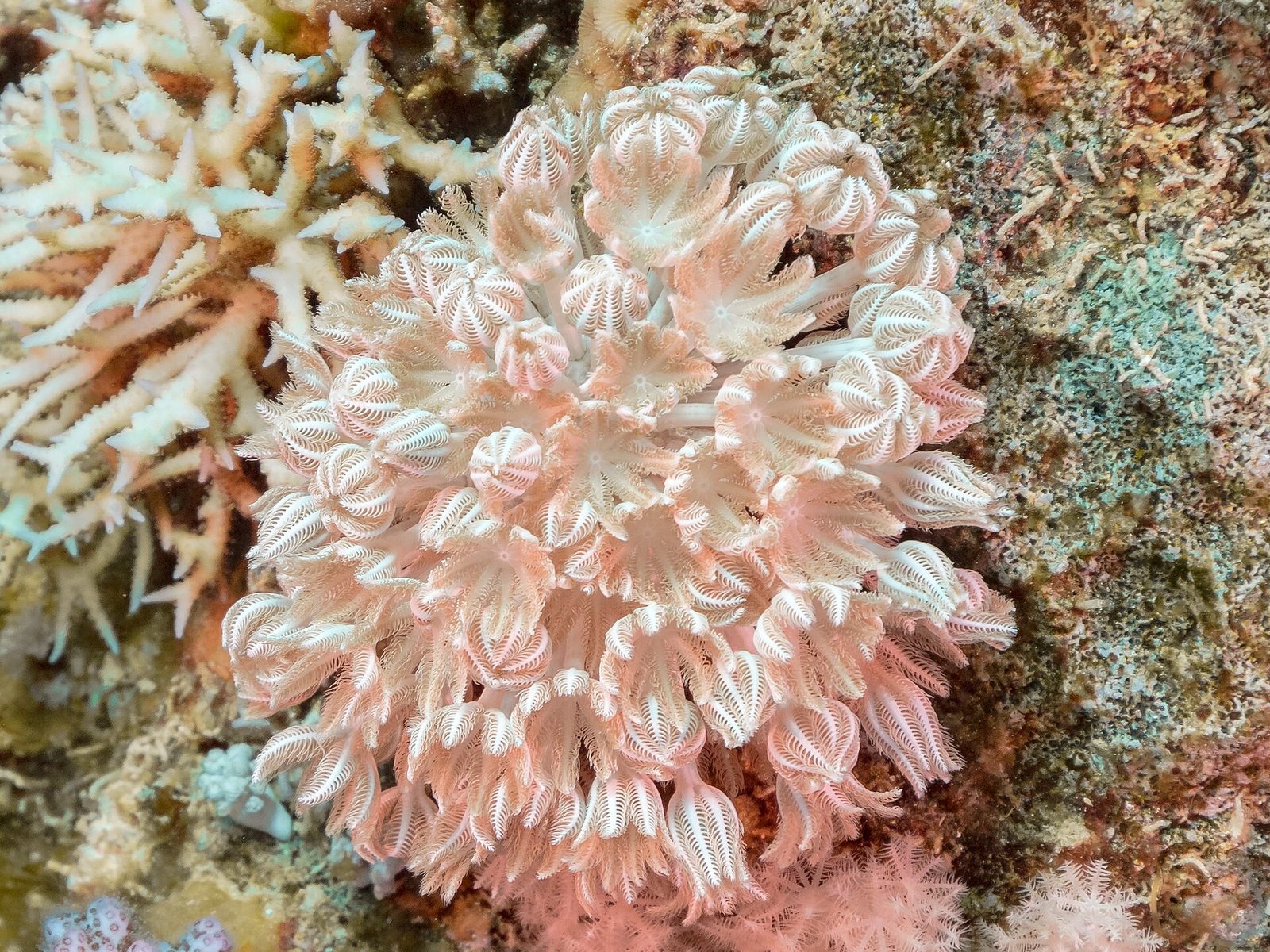
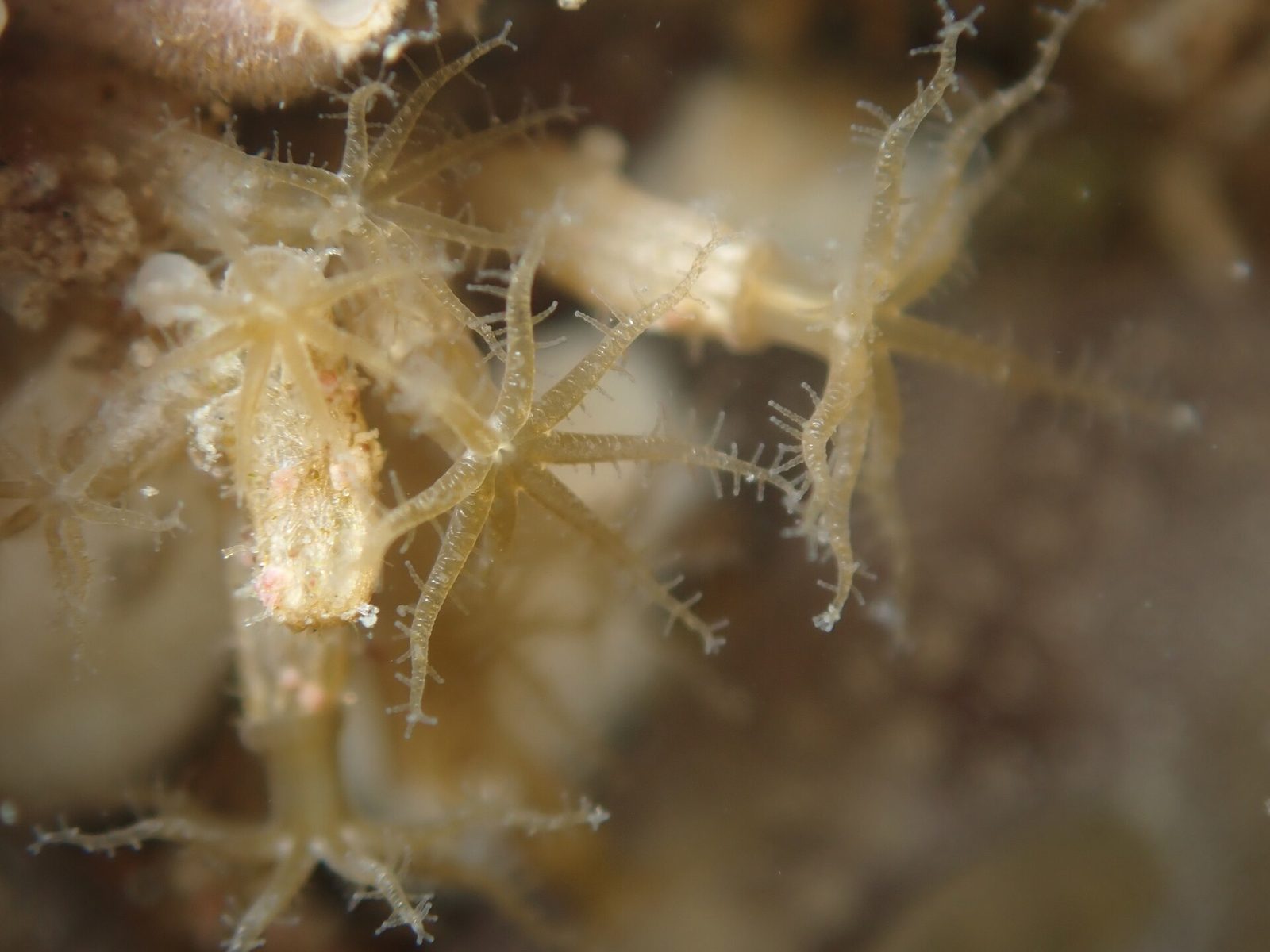
Star polyps are a hardy, beautiful beginner species that unfolds countless star-shaped polyps from a purple or green mat-like tissue. They grow well under low to moderate light and attach to rock while gradually expanding—a satisfying sight that brings real joy to the keeping experience. Because they propagate vigorously, it's best to keep them on separate rock from areas where you don't want growth, making them easier to manage. When attached to live rock or aquarium wood, they're less likely to encroach on other corals' territory and work well as layout foundations. When the polyps are open, it signals stable water flow and water quality; conversely, if the tissue remains withdrawn and closed over time, it's a sign to review your flow and parameters. Open polyps are nature's indicator that conditions are right.
Zoanthids—The Joy of Color Collecting
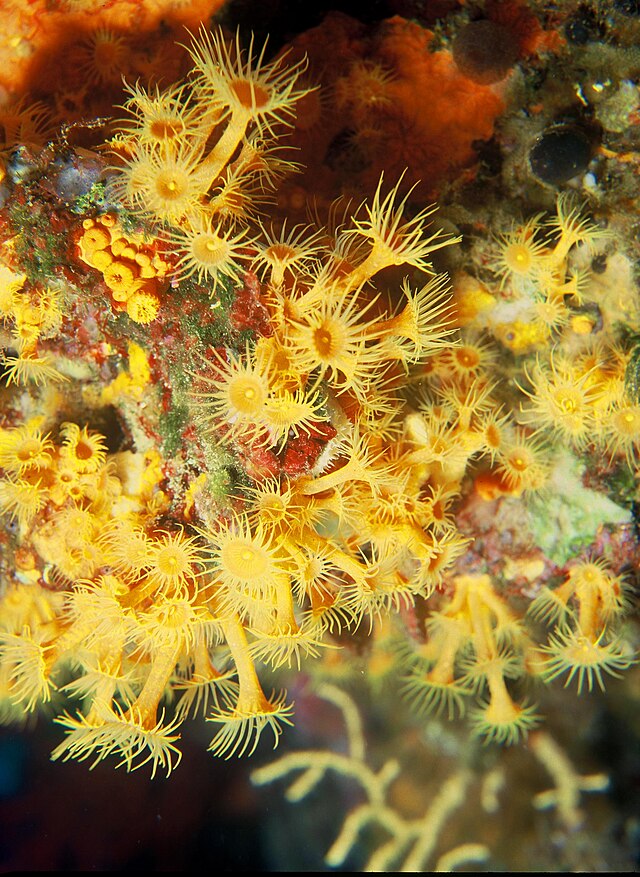
Zoanthids (Zoanthus) are popular for their small disc-shaped polyps arranged in colonies, with an enormous variety of colors and patterns—reds, greens, blues, golds, and countless more. Hardy and fast-growing, they lend themselves to "collection-building," where growers gather fragments to create colorful displays. They thrive under modest light and gentle flow, slowly expanding their footprint. They do have a mild sting, so gloves are recommended when handling. Zoanthids are relatively peaceful with each other and make excellent candidates for gradient layouts where different color varieties are arranged side by side. When propagating, the key is to peel away sections of tissue with a thin cut; clean separation leads to better attachment afterward.
Disc Corals—Beautiful Even in Shade
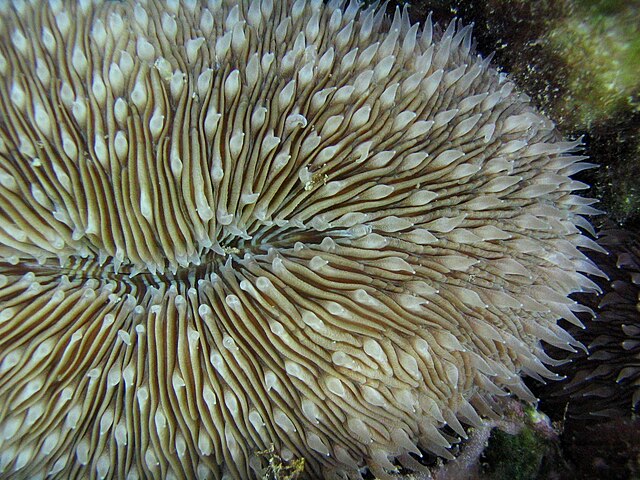
Disc corals are hardy, flat, coin-shaped specimens that thrive even under weak light or in lower tank positions—a real advantage for filling shaded spots. Paradoxically, excessive light can cause them to contract, making them perfect for shadier areas. They reproduce by splitting, gradually increasing in number while adding unique texture and metallic coloration to the display. Placement is key: choose calm areas where water flow doesn't directly pound them, such as sandy patches or rock shelters, and they'll hold their disc-like form attractively open.
Layout Strategy by Light Demand
Since soft corals vary in their light preferences, dividing them by tank height according to their needs simplifies management considerably. Arrange star polyps, which do well under low to moderate light, in the mid to upper levels; zoanthids, which prefer lower light, in the middle to lower sections; and disc corals, which thrive in shade, at the bottom or in rocky alcoves. This stratification by light zone lets each species show its best self and keeps the overall layout attractive.
Selection and Acclimation Tips
When choosing soft corals, look for vibrant tissue with good firmness and fully open polyps. Even specimens that appear contracted after shipping will often open within days once settled into your tank—patience pays off. Once home, equalize the bag temperature with your tank water, then slowly acclimate the coral to your tank's water chemistry using a suitable container. Rapid temperature or chemistry swings stress soft corals, so taking your time during acclimation is the key to long-term health and vitality.
Managing Overgrowth and Competition
The flip side of hardiness: soft corals can spread aggressively and overgrow neighbors. Regular trimming keeps their footprint in check, and clippings can become new frags. Use clean scissors or a blade, cutting decisively so you don't damage the tissue. Small cut fragments can be loosely affixed to plugs or rock and will attach as standalone colonies. Species like mushroom corals and gorgonians release chemical deterrents, so running activated carbon and performing regular water changes helps maintain chemical balance. When growing multiple species in one tank, spacing them generously from the start prevents territorial conflicts later.
Daily Care Keeps It Simple
Most soft corals get their energy from photosynthesis, so special feeding is not essential. Stable water parameters, gentle flow, and appropriate lighting—master these basics and the workload stays minimal. Build a routine of observing polyp extension and tissue color; these daily observations help you catch parameter shifts early. If algae clings to the tissue, try adjusting flow or enlisting algae-eating animals to help out.
The Pleasure of Keeping Records
Star polyps, zoanthids, and disc corals all shift subtly in color and spread over time. Photographing them regularly lets you compare these small changes and hints at which corals to add next. Identical species vary in color, pattern, and growth rate from one individual to another, so keeping records deepens the joy of building a collection. If you fragment a colony, documenting its lineage lets you trace how each piece developed.
As you keep multiple species side by side, you'll notice how differently they respond to light and flow. Even in the same environment, polyp extension and color saturation are unique to each species—observing and comparing these individual characters is one of the real pleasures of soft coral keeping. Take your time confirming each specimen's needs, and build an aquascape that balances all of them.
Soft corals are the perfect gateway to reef keeping—hardy, beautiful, and endlessly rewarding to grow and propagate. Mastering the basics here will give you the confidence to eventually explore LPS and SPS varieties. For now, start simply and bring a splash of color to your tank.