How to Propagate Soft Corals | Basics of Propagation Through Division and Cutting
We introduce the basic concepts and important considerations for propagating hardy soft corals such as star polyps, zoanthids, and leather corals through division and cutting techniques.
Key Takeaways
We introduce the basic concepts and important considerations for propagating hardy soft corals such as star polyps, zoanthids, and leather corals through division and cutting techniques.
Why Are Soft Corals Easy to Propagate?
Soft corals are a collective term for corals that lack a hard skeleton. Compared to SPS and LPS corals, many soft coral species are known for their rapid growth and high recovery capacity from cutting and division. Species such as star polyps, zoanthids, and leather corals are often observed in aquaculture spreading across the substrate as their polyps creep, or producing new independent individuals from their base, and are frequently recommended as groups that are easy to propagate.
Propagation methods are broadly divided into two types: "division" and "cutting (fragmentation)". Which method is most suitable depends on the growth pattern of the species, so it is important to understand the characteristics of each before attempting propagation.
Propagation Through Division
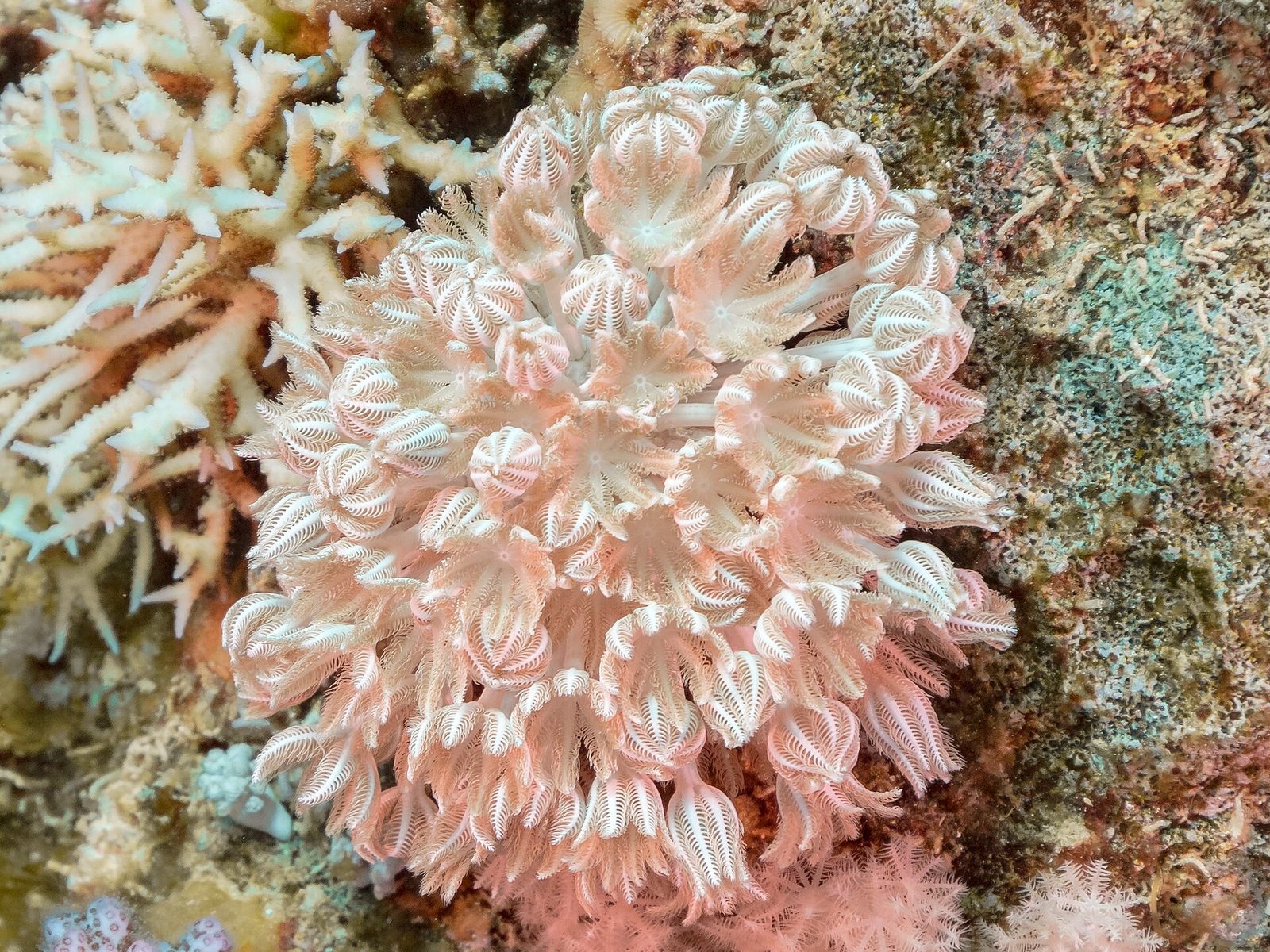
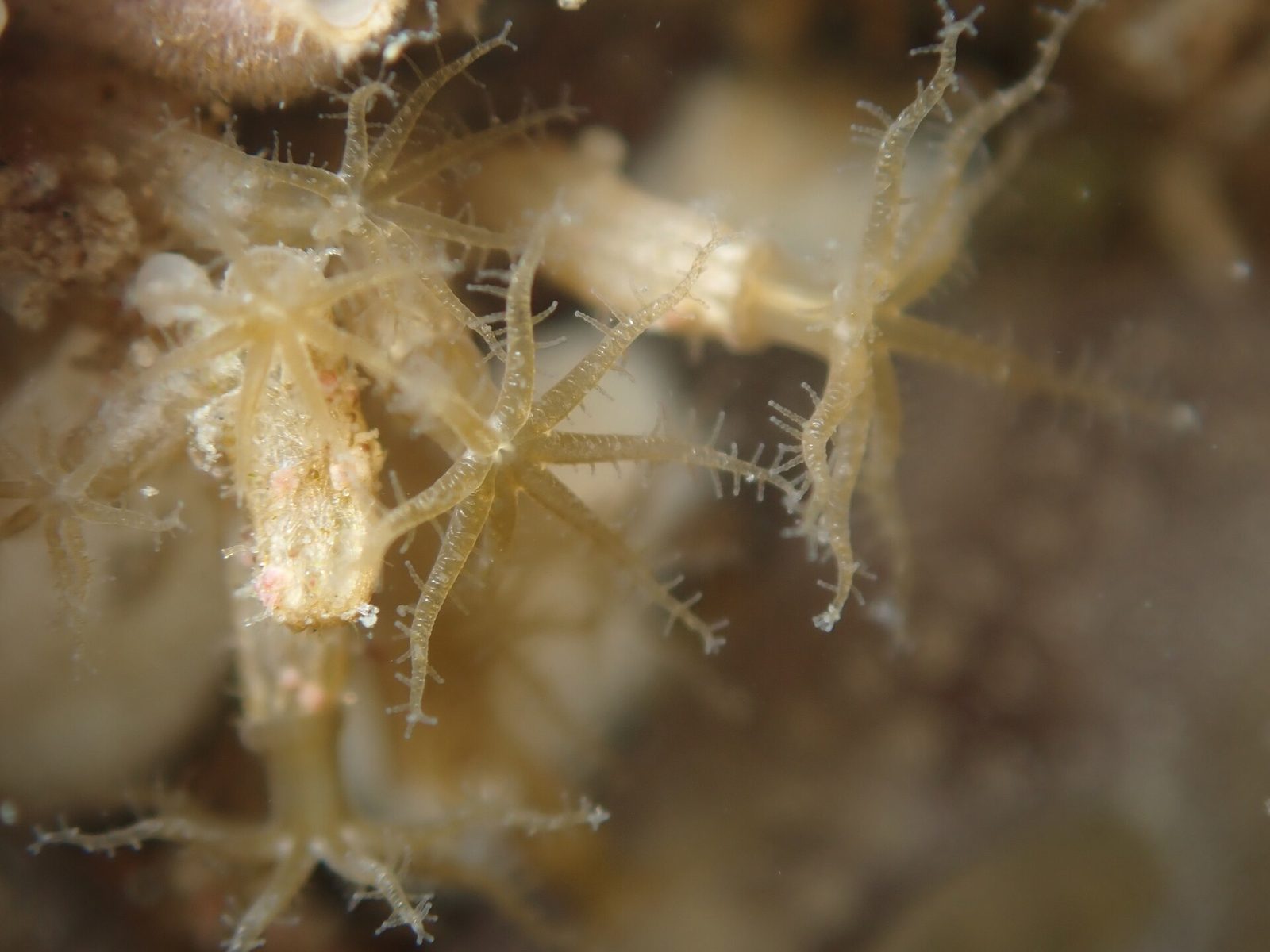
Species such as zoanthids and star polyps that form colonies connected by coenosarc (shared tissue) can sometimes be propagated through "division"—splitting the rock, or making cuts into the coenosarc to physically separate the colony. When established on live rock or plugs, cutting and separating them along with their substrate allows each fragment to develop as an independent individual.
When performing division, it is essential to use clean tools and complete the work as quickly as possible. Since corals experience significant stress during the process, work should be done in a tank with stable water quality and temperature. After the procedure, it is good practice to keep water flow gentle for a while and observe the progress.
Propagation Through Cutting (Fragmentation)
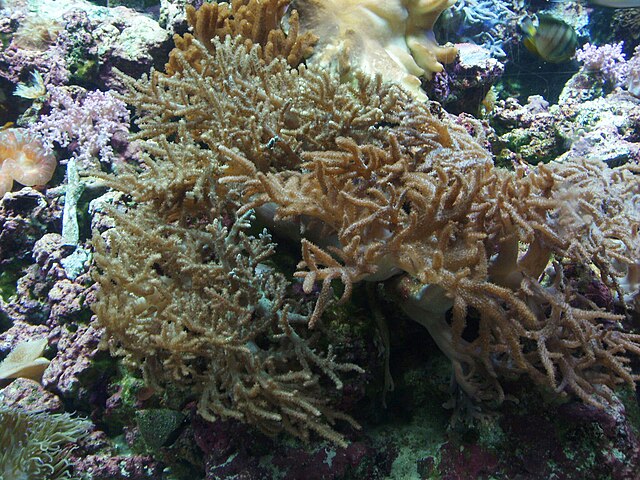
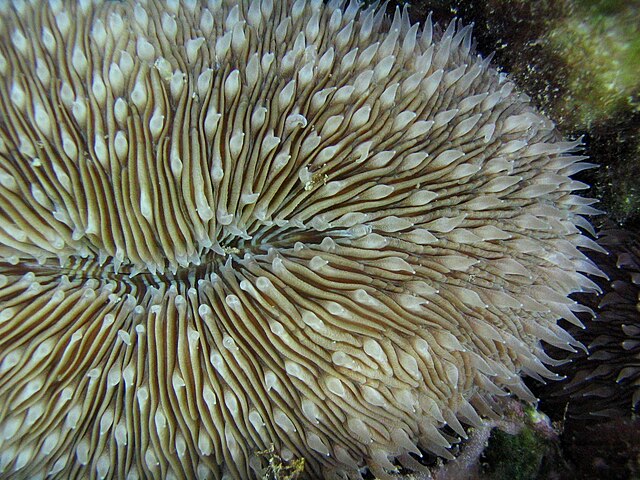
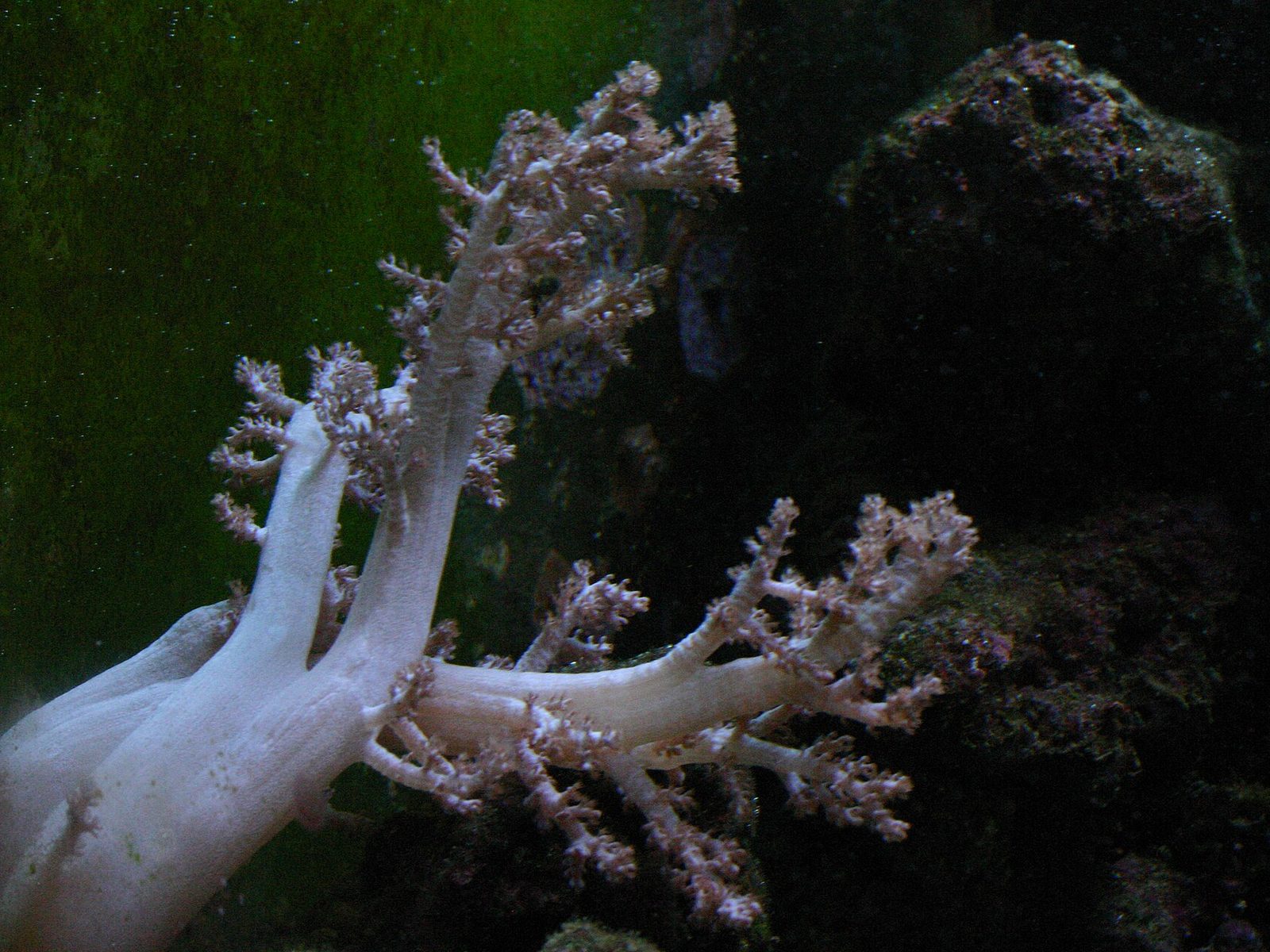
Mushroom-shaped soft corals such as leather corals and branching types like xenia are commonly propagated through "cutting (fragmentation)"—removing a section from the main body and attaching it to a new substrate. Cut fragments are fixed to plugs or live rock pieces using adhesive or rubber bands, then managed in a position with adequate water flow while waiting for attachment.
The appropriate size and location for cutting varies by species, and cutting too large can stress both the parent and fragment. For beginners, it is safer to start with vigorous, fast-recovering species and gradually work up to others.
Management and Care During Attachment
Immediately after cutting or division, corals may release mucus from the cut surfaces or temporarily retract their polyps. This is a common response as tissue begins to recover from the damage, and in most cases the corals gradually return to normal over days to weeks. During this period, avoid strong water flow and sudden changes in light intensity, and maintain stable water conditions to support attachment.
Additionally, freshly cut fragments may be nipped at by other tank inhabitants, particularly small fish or hermit crabs. It is effective to protect them with a net or position them away from other organisms until they become established.
Important Considerations Before Attempting Propagation
For soft coral propagation, the health and stability of the parent colony is far more important than equipment or technique. Attempting to divide an individual in poor condition—with dull coloration or poor polyp extension—will stress both parent and fragment. Before attempting propagation, first verify that your specimen has remained stable for several weeks or more.
Keeping records of how you track and manage propagated specimens is also valuable for long-term coral husbandry. Documenting lineage and history allows you to review how individuals have developed through successive propagations.
The Value of Documenting Lineage
Specimens propagated through division or cutting are individuals of the "same lineage" derived from the parent colony. Recording which individual the fragment came from, when it was taken, and its initial size allows you to compare how individuals of the same lineage develop and change color in different tanks.
This is especially valuable when maintaining the same lineage across multiple tanks or exchanging individuals with fellow enthusiasts—knowing the history makes it easier to share context about each specimen. Propagation is not merely increasing numbers; it is creating branches in an individual's history. We recommend recording details along with photographs and dates.
Determining if Your Tank Environment Is Suitable for Propagation
Stable propagation requires a tank where water conditions do not fluctuate significantly day-to-day. In tanks where parameters swing widely with each water change or where algae blooms are frequent, the stress of propagation can burden both parent and fragment.
First establish stable routine husbandry, and ensure water quality, lighting, and flow are maintained on a consistent schedule before attempting propagation. This approach allows you to gain experience while minimizing the risk of failure.