How to Choose Lighting for Coral Tanks | Comparing LED, T5 Fluorescent, and Metal Halide Characteristics
This article organizes the characteristics, advantages, and disadvantages of the three main lighting methods used in coral tanks (LED, T5 fluorescent, and metal halide), and explains how to choose based on tank size and coral type.
Key Takeaways
This article organizes the characteristics, advantages, and disadvantages of the three main lighting methods used in coral tanks (LED, T5 fluorescent, and metal halide), and explains how to choose based on tank size and coral type.
The Role of Lighting in Coral Tanks
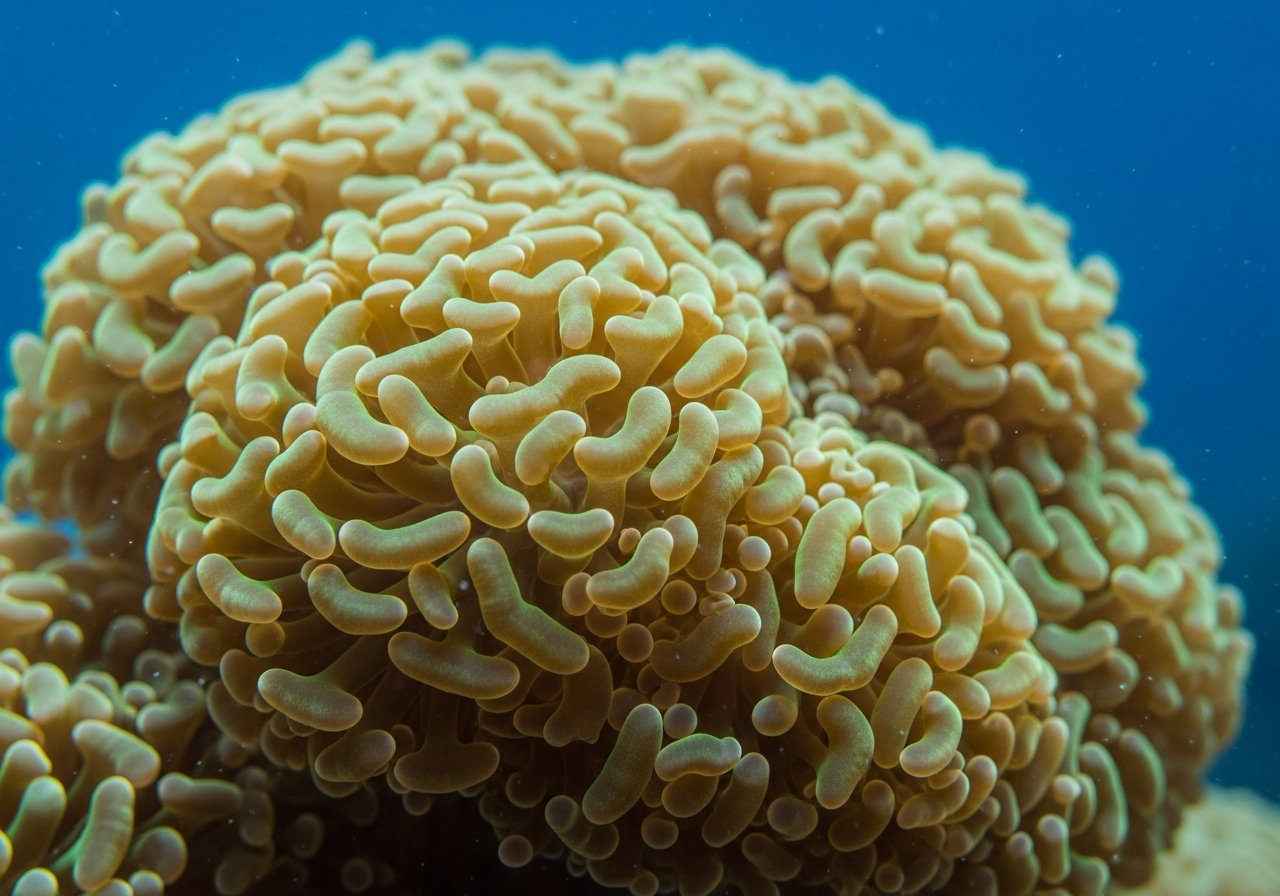
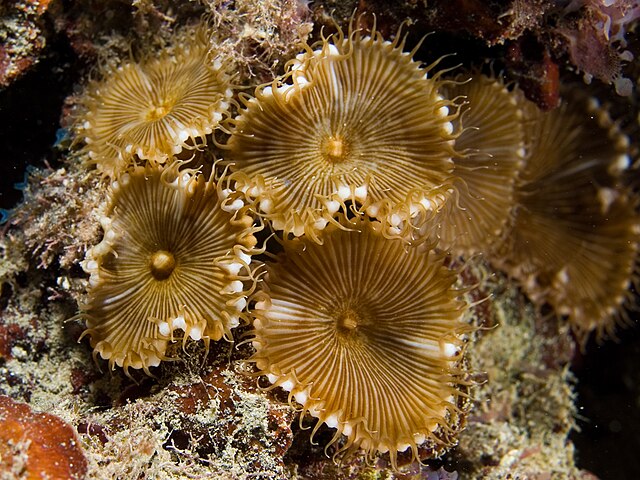
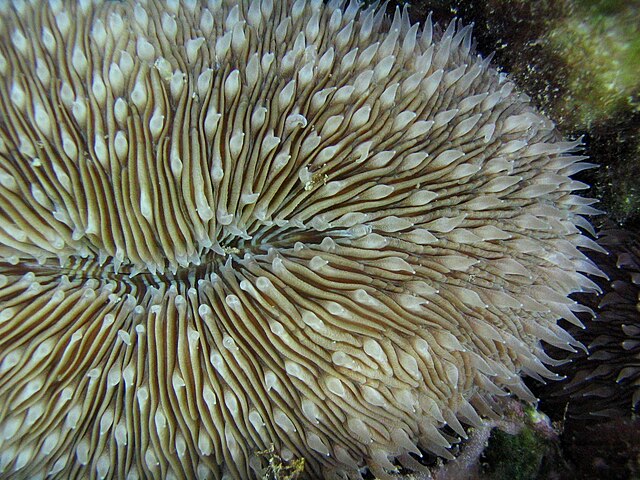
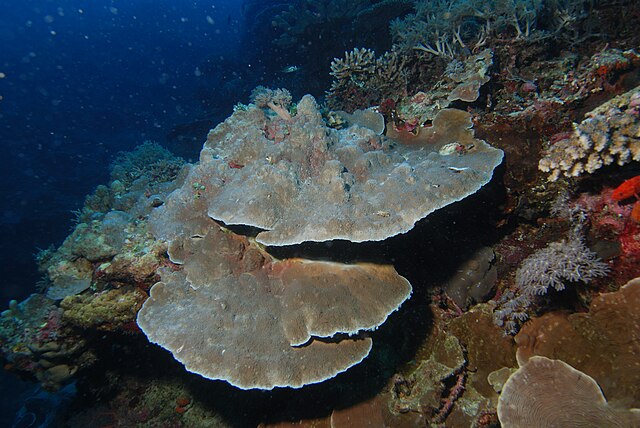
Many corals, especially SPS corals like Acropora and hard corals, harbor a symbiotic algae called zooxanthellae within their bodies. These zooxanthellae produce nutrients through photosynthesis, which corals use as part of their energy source. For this reason, lighting in a coral tank is not merely a tool to brighten the aquarium—it is a core piece of equipment directly linked to coral growth and coloration.
When considering lighting, two key axes to understand are "light intensity (light quantity)" and "light quality (spectrum)." Insufficient light intensity can lead corals toward bleaching and color fading; conversely, suddenly exposing them to strong light can cause damage if they cannot acclimate. Regarding light quality, most aquarists use fixtures that center on blue to blue-green wavelengths (which are effective for zooxanthellae photosynthesis) while also including a balanced amount of red-spectrum light to enhance color appearance for viewing purposes.
Currently, three lighting methods are widely used in coral tanks: "LED lighting," "T5 fluorescent," and "metal halide (MH)." Each differs in how it produces light, and varies in light intensity, spectrum, heat output, electrical cost, and maintenance frequency.
Characteristics of LED Lighting
LED lighting works by combining multiple light-emitting diodes to produce the necessary spectrum. It is becoming the mainstream choice in modern coral tanks and offers the following characteristics:
- High light output per watt consumed, making it easy to keep running costs (electricity) low
- Lower heat output compared to other methods, minimizing water temperature rise
- Many models allow adjustment of color and intensity per channel, making it easy to create lighting changes that simulate sunrise, midday, and sunset throughout the day
- The long lifespan of individual LEDs means fewer periodic bulb replacements compared to fluorescent or metal halide fixtures
However, LED fixtures can produce a "disco ball effect"—a glittery appearance caused by light granularity directly beneath the surface—which may require adjustment with diffusing lenses or diffusers. Also, because LED light tends to be directional, large tanks require careful multi-fixture placement design.
Characteristics of T5 Fluorescent Lighting
T5 fluorescent lighting works by combining multiple fluorescent tubes to distribute light across the entire tank. It is a proven method with a long track record in coral keeping and has the following features:
- Light spreads uniformly across the tank with minimal shadowing
- Combining different spectrum tubes side by side makes it easier to balance light quality
- Initial setup cost is often lower than LED options
- Light output efficiency decreases as the spectrum degrades over time, so periodic tube replacement (typically every six months to one year) is recommended even when the lights still appear to be functioning normally
T5 fluorescent is not as electrically efficient as LED, and the periodic cost of tube replacement is a factor worth considering.
Characteristics of Metal Halide (MH) Lighting
Metal halide lamps are point-source lighting with extremely high light intensity, and have long been highly regarded for deep coral tanks and cultivating SPS corals like Acropora that prefer strong light.
- Produces very high light intensity, and readily creates a natural shimmer effect called a "glitter line" across the water surface
- As a point source, light reaches deep into tanks with significant water depth
- Generates significant heat, often requiring supplemental fans or aquarium coolers
- Consumes substantial power, resulting in higher running costs than other methods
- Bulb burnout and light intensity degradation mean periodic bulb replacement is necessary
While providing high light output, this method raises the barrier to adoption due to heat generation, electricity costs, and installation space requirements (including ballasts and other auxiliary equipment).
How to Choose Based on Tank and Coral Type
When selecting lighting, it is helpful to make a decision based on the following considerations taken together:
- Tank depth and size: Shallow, small tanks often require only LED to achieve sufficient light intensity, but larger tanks with greater depth require attention to light penetration distance
- Coral type being kept: Soft corals and LPS corals with relatively modest light requirements often succeed with moderate intensity, while SPS corals that prefer strong light benefit from having headroom in light availability
- Running costs and maintenance: Electricity costs and bulb/tube replacement frequency directly affect long-term operational burden
- Heat output and temperature management: When selecting high-heat methods, plan for temperature management solutions like coolers or fans as part of the setup
Regardless of which method you choose, when introducing corals to new lighting conditions, avoid sudden changes in light intensity and acclimate them gradually over time—this is key to preventing bleaching and other damage. For more detailed information on SPS coral lighting management, see SPS Coral Lighting and PAR Value Guide. For basic information on other equipment selection, also refer to Essential Equipment Guide Before Starting Saltwater Fish Keeping.
Summary
LED, T5 fluorescent, and metal halide lighting each have their tradeoffs for coral tanks, with no single absolute best choice. Selection should be based on balancing tank size and depth, the type of coral you wish to keep, and operational factors like how much you can invest in electricity and maintenance. After setup, regularly observe your corals and adjust light intensity or fixture placement if you notice fading or bleaching—this attentive approach is essential.