Articles
We deliver information useful for coral keeping
84 articles (Page 1 / 9)
Coral Specimen History and Lineage Management | How to Refine Your Discerning Eye through ReefBook-style Provenance Tracking
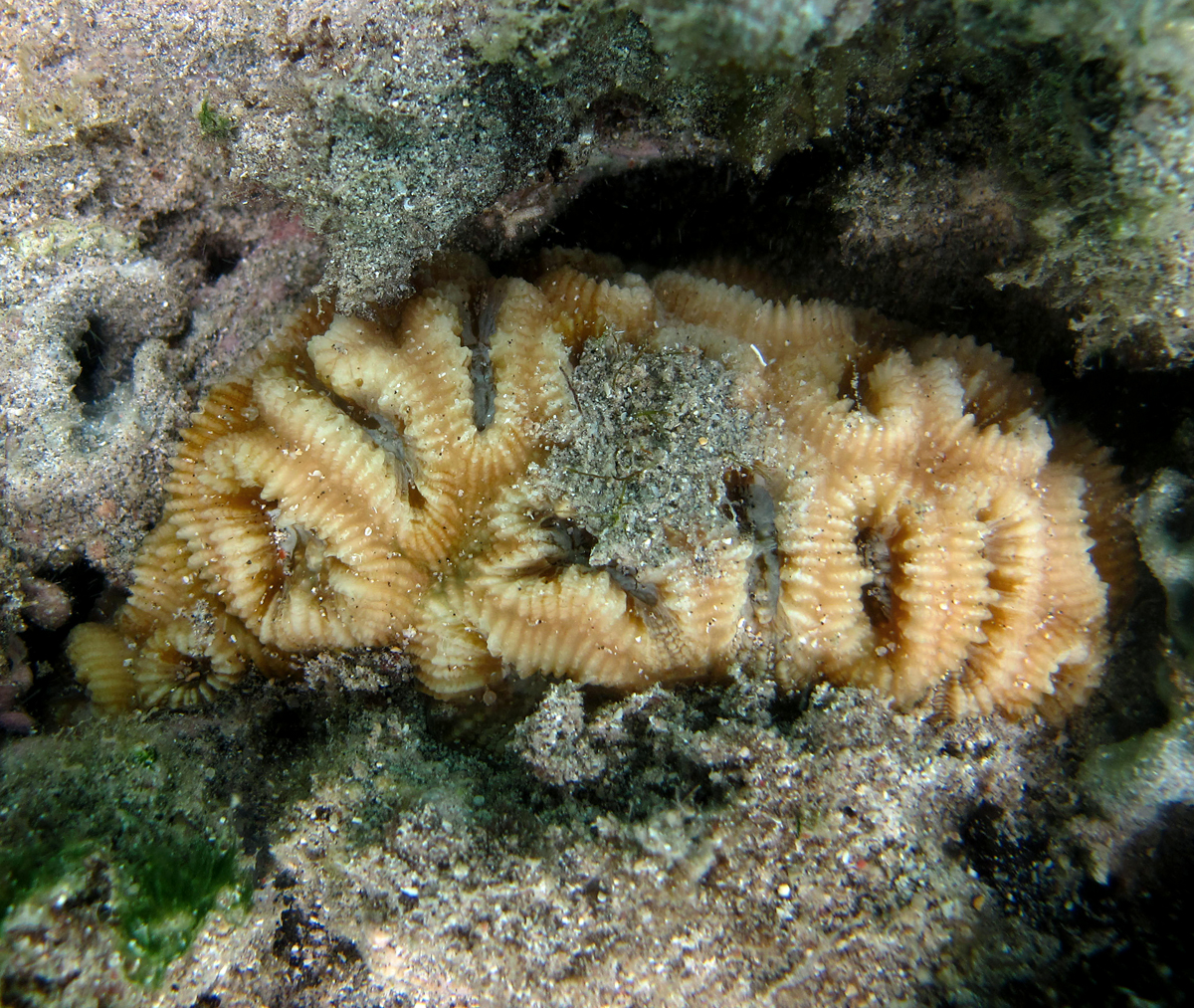
Systematically recording the provenance of each coral specimen to deepen your husbandry experience is not mere data collection—it is a training process that cultivates the keeper's "eye." Understanding when and where an individual was acquired, the point at which coloration began to develop, and the environmental conditions under which it displays optimal coloration—accumulating this historical information forms the foundation for understanding coral physiological response patterns...
Mixed-Coral Tank Layout Planning | Co-existence Examples for SPS, LPS, and Soft Corals
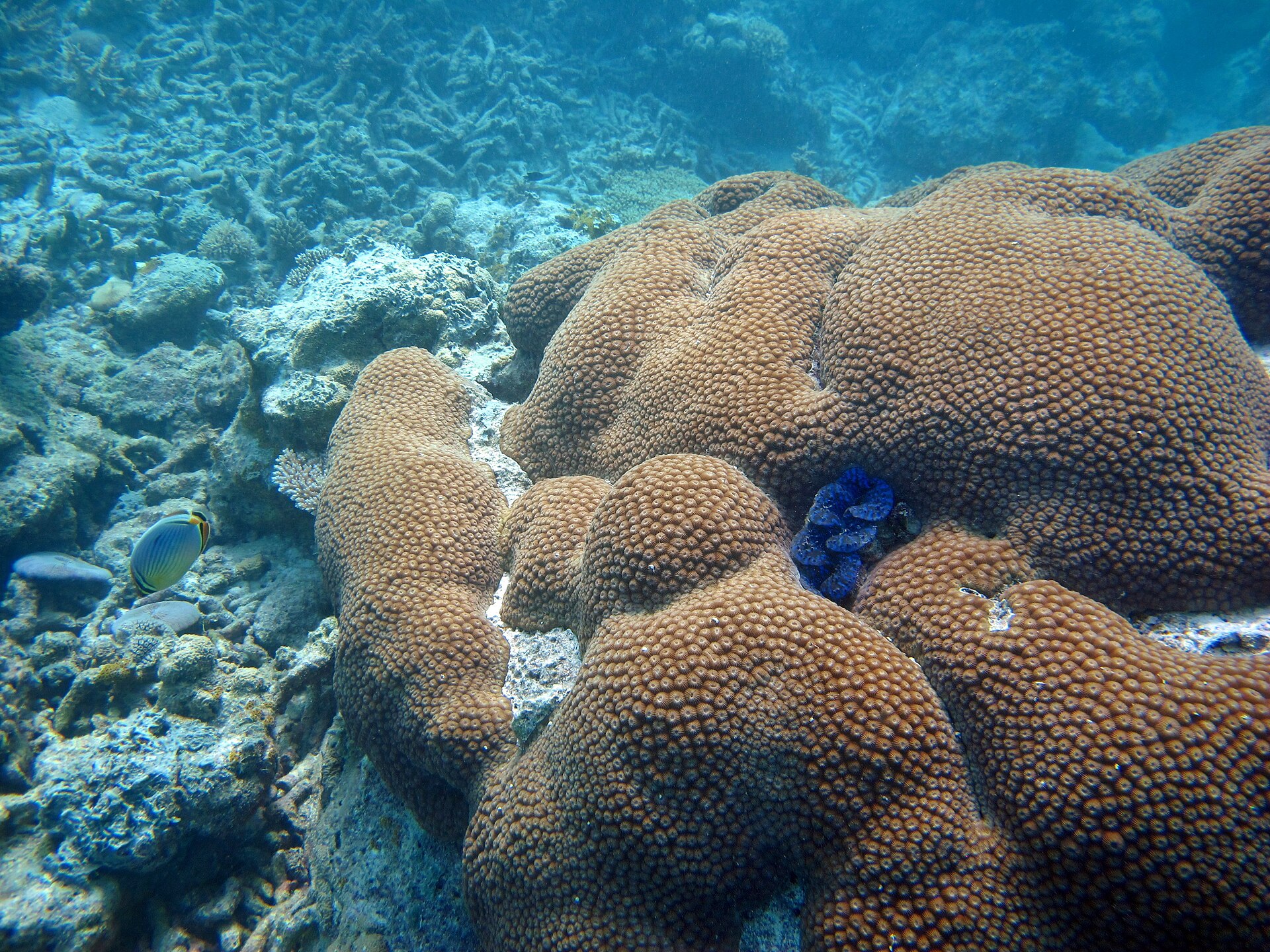
When culturing different types of corals in a single tank, understanding each group's ecological niche—including their position in the food chain, light requirements, and water flow needs—and realizing competition avoidance through placement is key to success...
Soft Coral Soft Rot Disease and Tissue Collapse | Slime Secretion Abnormalities, Infection Treatment and Prevention
Soft Rot Disease in soft corals is a fatal disease in which the flexible skeletal portions rapidly decompose due to bacterial infection. The disease's onset involves multiple environmental factors, with rapid water temperature fluctuations (±3°C or greater), nutrient excess, water quality deterioration, and physical stress to the specimen serving as primary triggering factors.
Natural Spawning and Breeding in LPS Corals | Key Points for Juvenile Coral Rearing and Parental Stock Selection
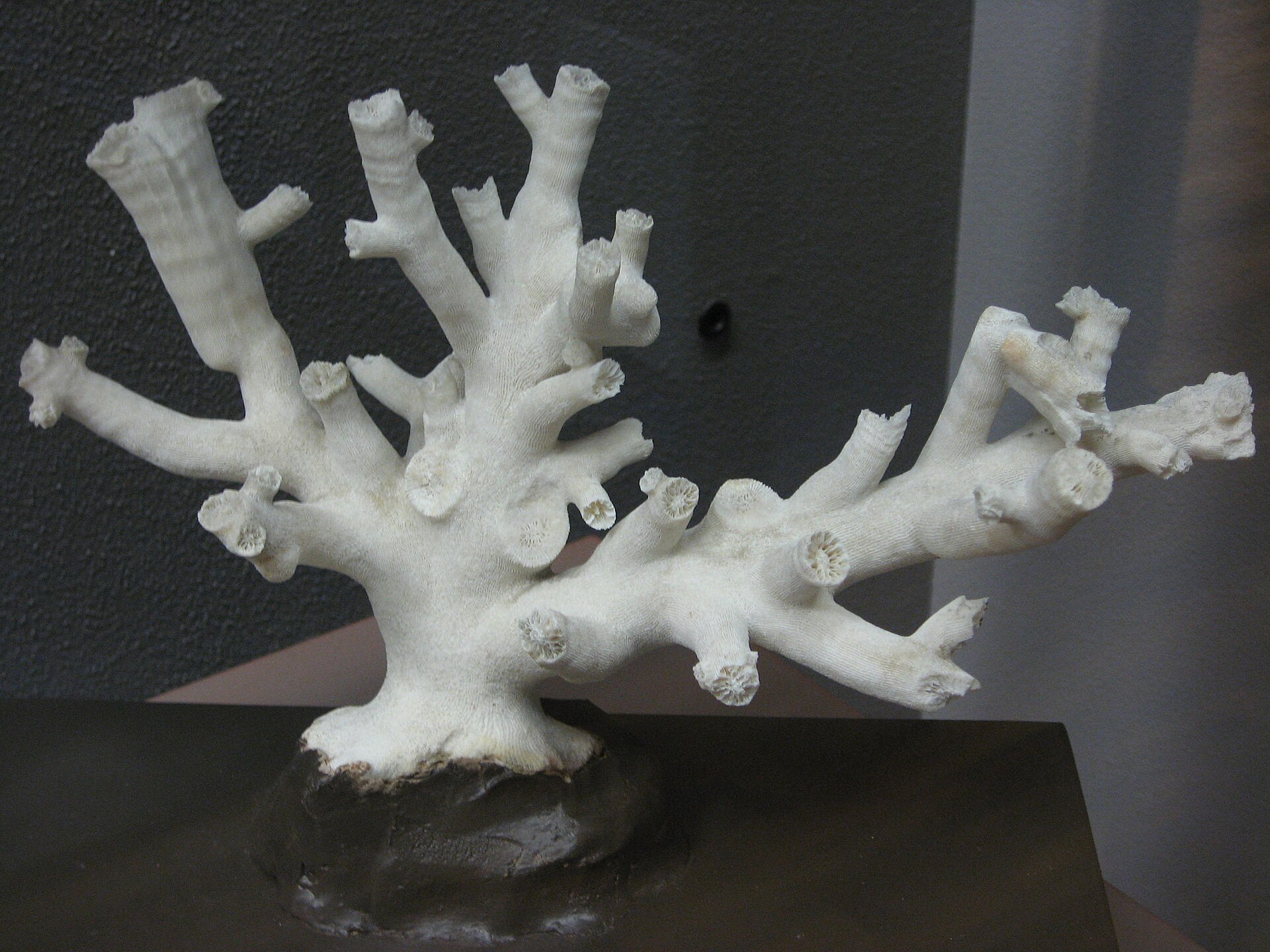
Natural spawning in LPS (Large Polyp Stony) corals is a biological event triggered by multiple interacting environmental factors. The primary driver is photoperiod: as day length extends from spring into early summer, gonadal development in individual colonies accelerates. Most LPS species reach their spawning season between April and July, with decreasing nighttime illumination and lunar cycles serving as the final spawning triggers...
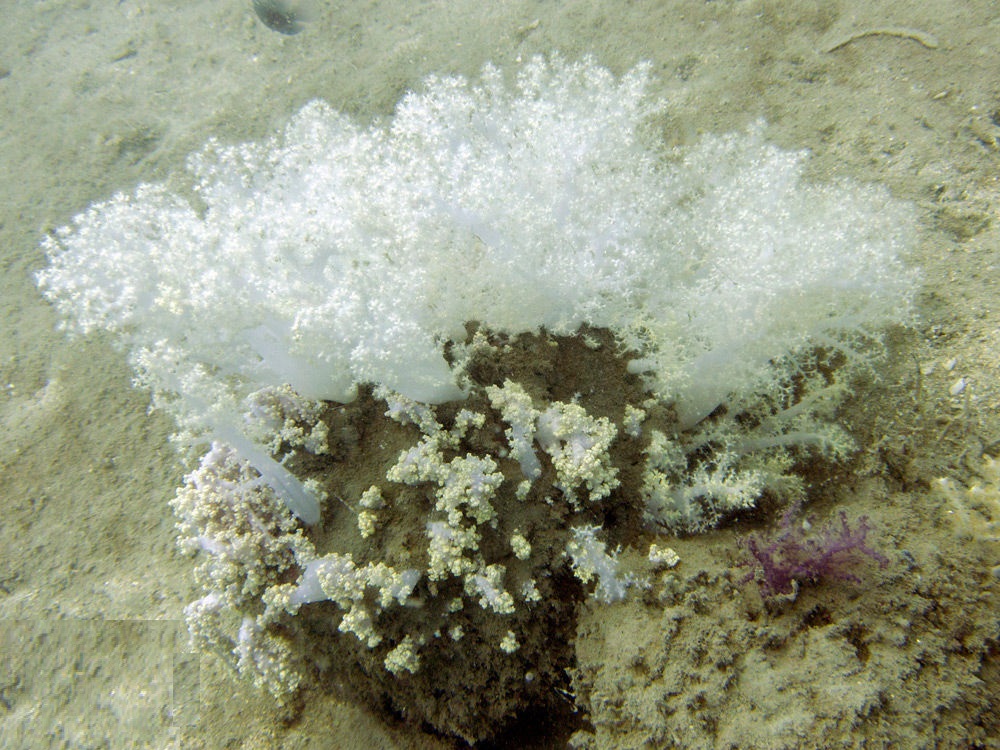
SPS Coral Infections and Disease Prevention | Distinguishing White Spot Disease, Planula Settlement Disease, and Mixed Infections
When SPS corals contract infections, multiple warning signals appear. The initial sign is fading color and loss of translucency, where healthy specimens lose their transparency and vibrant coloration. White Spot Disease produces numerous microscopic white lesions on the coral's surface, and as the condition progresses, it spreads across the entire body. This is a typical symptom of parasitic or bacterial infection. Another form of infection, Planula Settlement Disease, occurs immediately after larval settlement and causes newly settled small colonies to necrose rapidly.
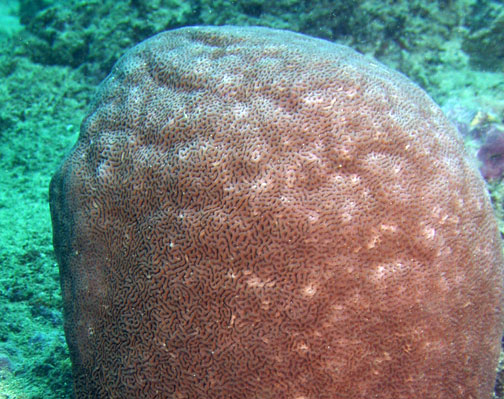
SPS Corals Other than Acropora | Cultivation Characteristics of Pocillopora, Seriatopora, and Stylophora
While SPS corals are often exemplified by Acropora (staghorn coral), there are many other species with different growth patterns such as branching and massive forms, including Pocillopora and Seriatopora. This article introduces the characteristics and cultivation considerations for each.
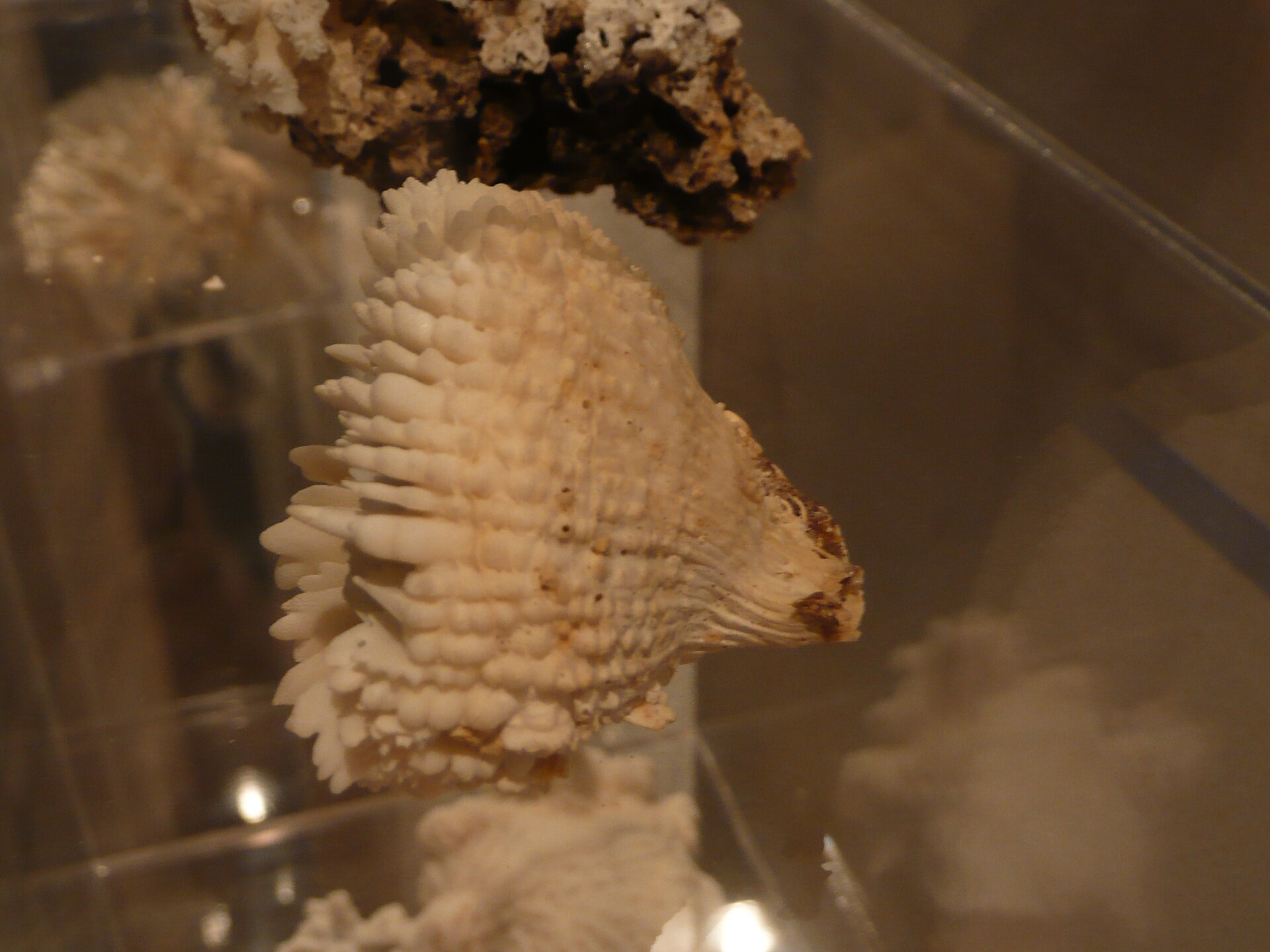
Why Keep Individual Collection Records in Coral Aquaculture: What You Discover by Preserving Lineage and Provenance
Coral aquaculture often loses information about "where specimens came from and how they've developed." This article explores what becomes visible when you keep individual specimen records, and why being aware of lineage (distribution lineages) matters.
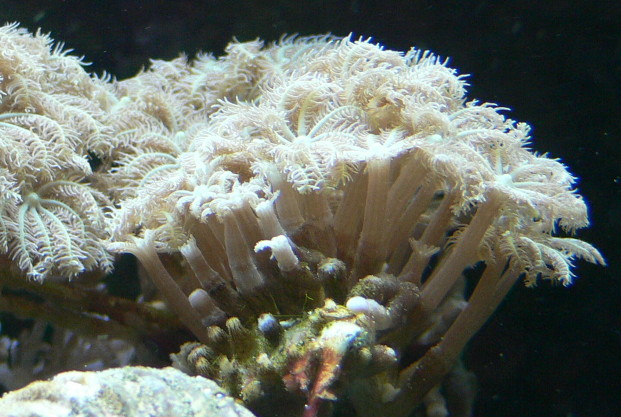
Choosing Substrate for Coral Tanks: Comparing Bare Bottom, Powder Sand, and Live Sand with Maintenance
The choice of substrate for a saltwater coral tank is directly connected not just to appearance but also to water quality management and the ecology of marine life. Here we organize the characteristics of bare bottom, powder sand, and live sand, and the management approach suited to each.
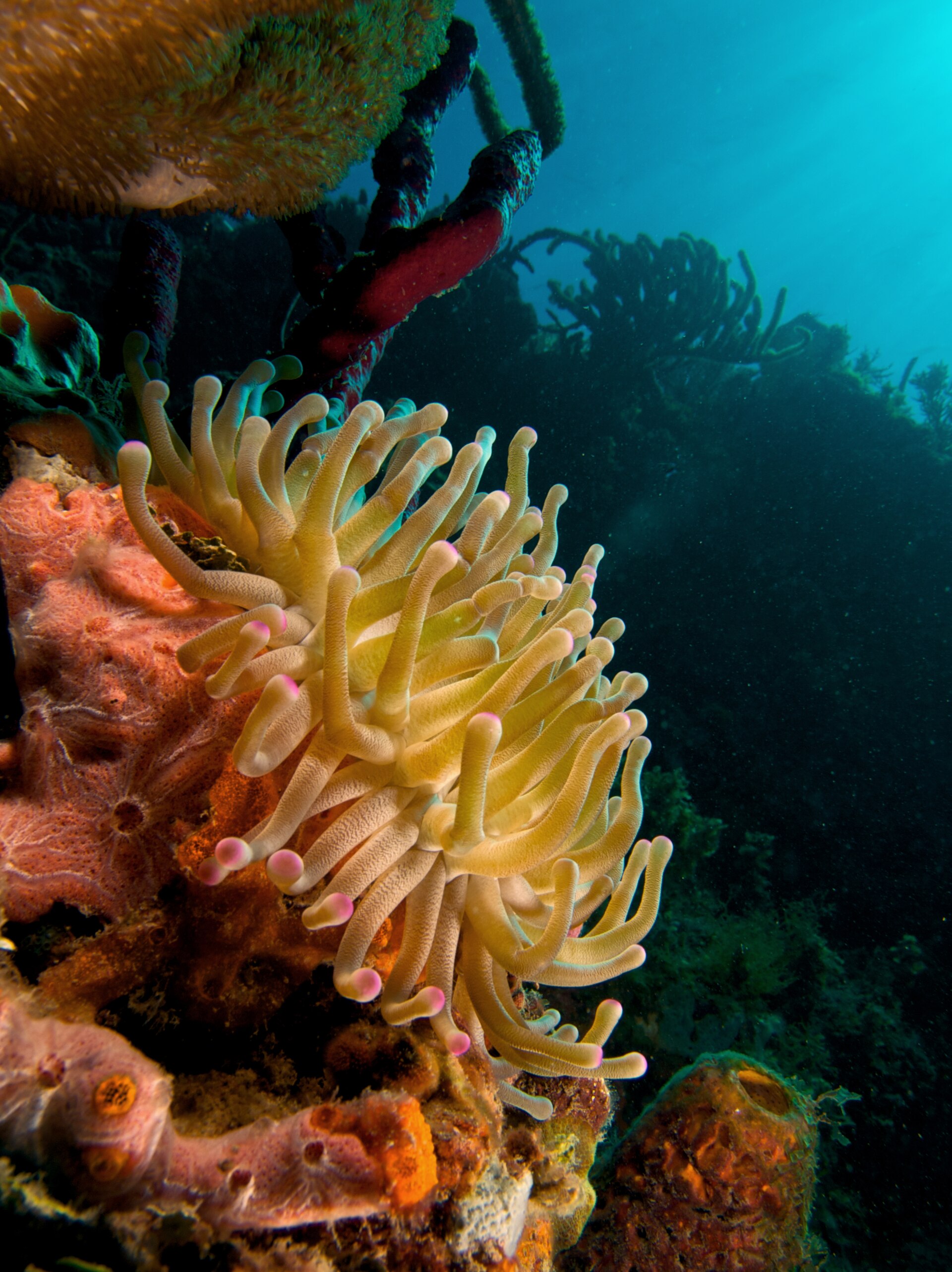
Nutrient Management in Soft Coral Tanks | Balancing Nitrates and Phosphates with Zooxanthellae and Trace Elements
While soft corals are often said to require less rigorous nutrient management than SPS corals, extreme eutrophication or oligotrophy can lead to polyp retraction and color loss. Let's clarify how to think about balancing nitrates, phosphates, zooxanthellae, and trace elements.
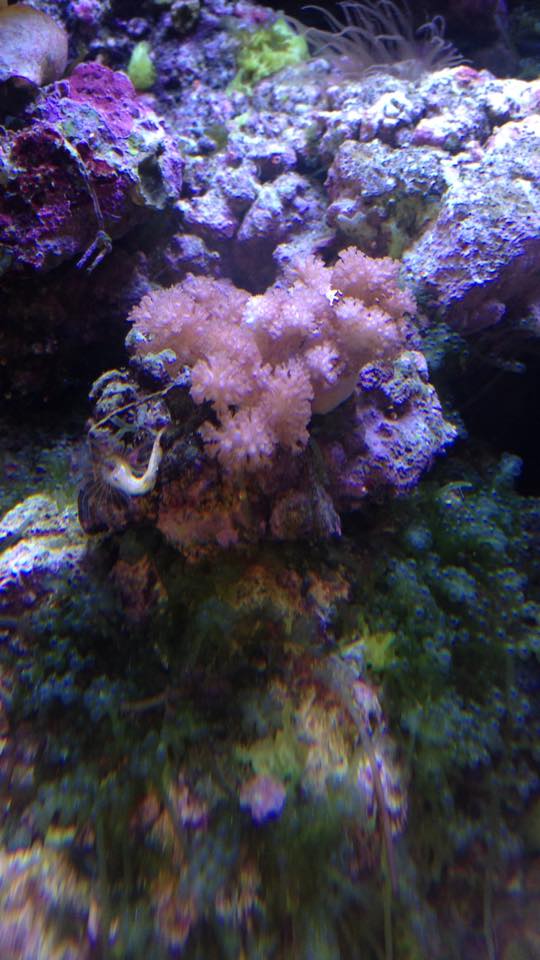
Trachyphyllia (Open Brain Coral) Care | Managing a Unique Species That Dwells on Sand Substrate
Trachyphyllia is an LPS coral that does not cement to rock, instead resting on sandy substrate or in rock crevices by its own weight. This guide explains how to choose placement based on its distinct ecology and how to maintain proper spacing from neighboring corals.