SPS Coral Lighting and PAR Value Guide | Light Intensity Management and Acclimation During Introduction
An overview of lighting and PAR values essential for SPS coral care. Includes standard reference ranges, PAR meter measurement methods, acclimation procedures when introducing new corals, and signs of excessive light intensity with remedies.
Key Takeaways
An overview of lighting and PAR values essential for SPS coral care. Includes standard reference ranges, PAR meter measurement methods, acclimation procedures when introducing new corals, and signs of excessive light intensity with remedies.
Why Light Management Matters for SPS Corals
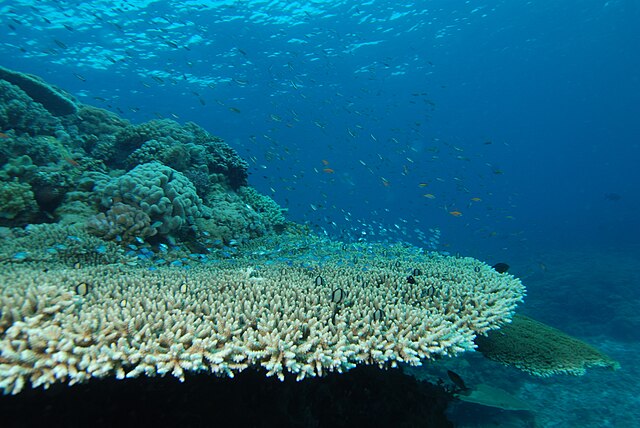
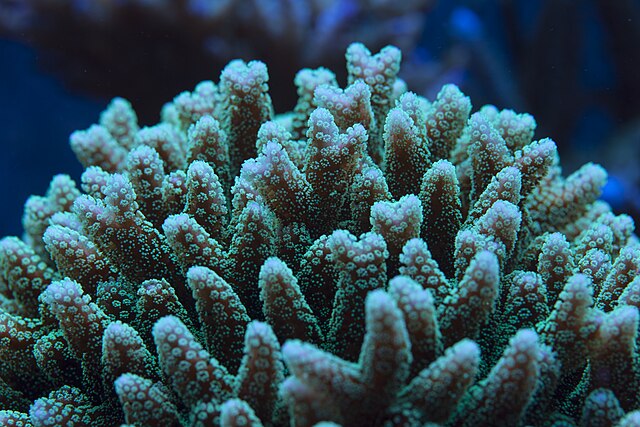
Acropora and Montipora, representative SPS corals, harbor symbiotic zooxanthellae within their tissues and rely heavily on the energy produced through photosynthesis for growth and skeletal development. For this reason, managing not just the perceived "brightness" of lighting, but the PAR value—which indicates the photosynthetic photon flux density (PPFD, measured in μmol/m²/s)—of the wavelengths actually used in photosynthesis, becomes fundamental to maintaining SPS corals over the long term.
Since perceived brightness is influenced by human eye sensitivity, even with identical wattage and model lighting fixtures, the actual light intensity reaching corals varies dramatically depending on installation height and water depth. Using a PAR meter to measure actual values within your tank is the first step toward light management based on data rather than intuition.
Standard Reference Ranges and Placement Considerations
Among hobbyists, SPS corals are generally managed at light intensity levels around 200–400 PPFD, depending on their depth placement within the tank. Specimens placed near the water surface tend to receive higher PAR values, while those closer to the substrate receive lower values. For this reason, layouts using shelves and live rock to create graduated light zones across the tank are common practice.
However, these numbers are merely guidelines. The light intensity suitable for different species and individual corals varies based on their origin—the depth and region where they were collected, as well as their previous rearing conditions. Rather than taking these figures as gospel, it is important to monitor individual coral responses and make fine adjustments in conjunction with the acclimation practices discussed in the next section.
Measurement at multiple points—upper, middle, and lower sections—rather than a single location provides a clearer picture of light distribution across the entire tank. Often, values differ markedly between tank corners and the center, and this information helps inform decisions about placement height and position when arranging your aquascape. For larger tanks or setups with multiple lighting units, periodic measurements to identify uneven distribution offer peace of mind.
Acclimation Approach for New Corals
When newly acquired SPS corals are suddenly exposed to full-power lighting in an established tank, they may struggle to cope with rapid changes in light intensity and spectrum, resulting in tissue bleaching or damage. The fundamental acclimation strategy involves placing newly introduced corals in a low-light area of the tank (lower sections, away from the water surface) or temporarily reducing lighting output altogether, then gradually shifting them to their intended placement and full light intensity over days to weeks.
For photoperiod (lighting duration), it is likewise recommended to start with shorter periods and gradually extend toward your standard operating schedule rather than immediately introducing full day length. Taking time and avoiding haste is key to helping corals adapt smoothly to their new environment.
Signs of Excessive Light and Countermeasures
When light intensity exceeds a coral's tolerance level, you may observe tissue bleaching, color loss at the branch tips, or reduced polyp extension. These signs often indicate that zooxanthellar density has declined under light stress; if left unchecked, damage can extend to the tissue itself.
Upon noticing these signs, first respond by moving the coral to a lower-light area or stepping down the lighting output, then observe over several days to weeks whether recovery occurs. If no improvement appears or if other factors (water quality, water flow, nutrient levels) may be involved, rather than assuming responsibility alone, it is advisable to consult a specialized aquarium retailer or an expert with substantial experience in marine fish and coral husbandry.
Light Spectrum and Color Expression
Beyond PAR values, light spectrum (color temperature and wavelength composition) deserves attention. Blue-dominant light is said to efficiently promote zooxanthellar photosynthesis while enhancing fluorescent protein–derived coloration, which is why most LED fixtures allow elevated blue channel output. For detailed information on color enhancement through nutrient balance and light spectrum, refer to Introduction to SPS Coral Coloration.
Maintaining Long-Term Light Management
Since some LED fixtures gradually decrease output over years of use, establishing a habit of periodic PAR measurement and adjusting output settings as needed helps maintain stable light conditions for your corals. Comprehensive management incorporating other elements such as water flow and water quality—discussed in Reef Tank Water Chemistry Basics—approached gradually and systematically, provides the foundation for enjoying SPS corals over the long term.