LPS Coral Water Flow Management | Identifying Species That Dislike Strong Current and Determining Appropriate Flow Rates
Most LPS corals struggle with strong water flow. This article explains the water flow preferences for different species and how to create gentle, undulating currents.
Key Takeaways
Most LPS corals struggle with strong water flow. This article explains the water flow preferences for different species and how to create gentle, undulating currents.
LPS corals (Large Polyp Stony Corals) often have thick tentacles and prominently swelling tissue, and they tend to prefer gentle, undulating water flow rather than the strong, unidirectional currents favored by SPS corals. When water flow is too strong, tentacles may remain closed and fail to open, or tissue may be damaged by friction. Conversely, when flow is too weak, waste products accumulate. Here we organize principles of water flow management for LPS corals, including species-specific preferences and how to determine appropriate flow rates.
Why LPS Corals Struggle with Strong Water Flow
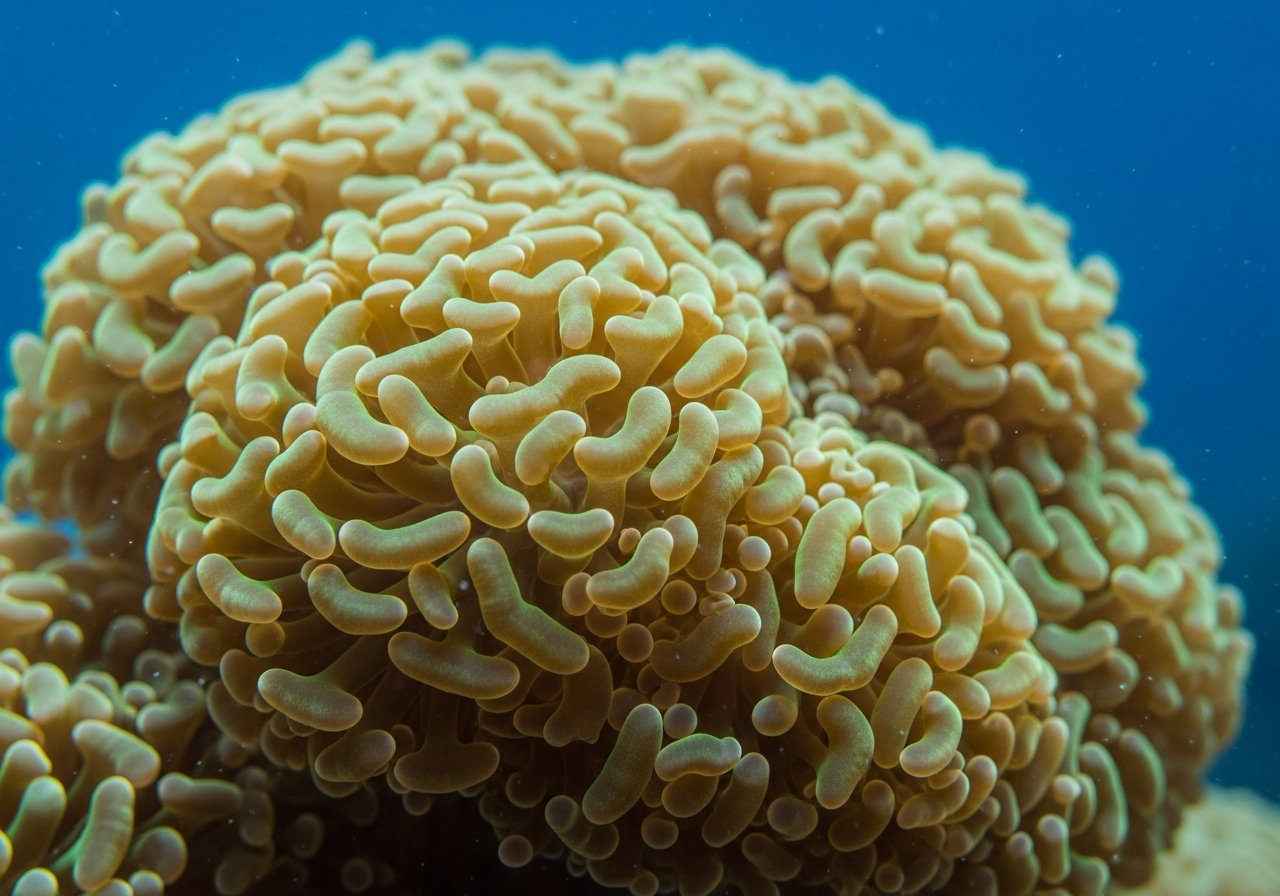
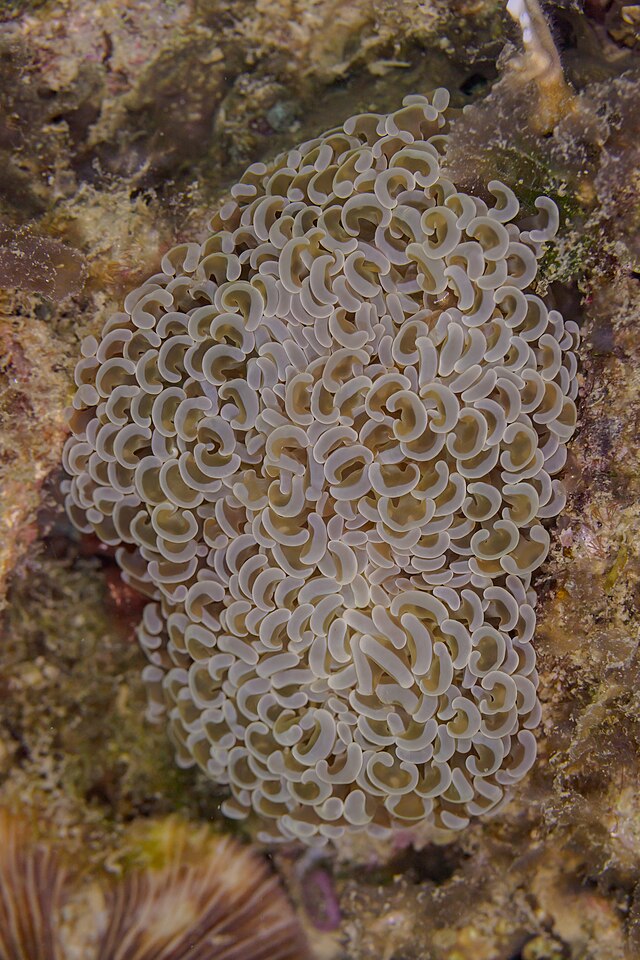
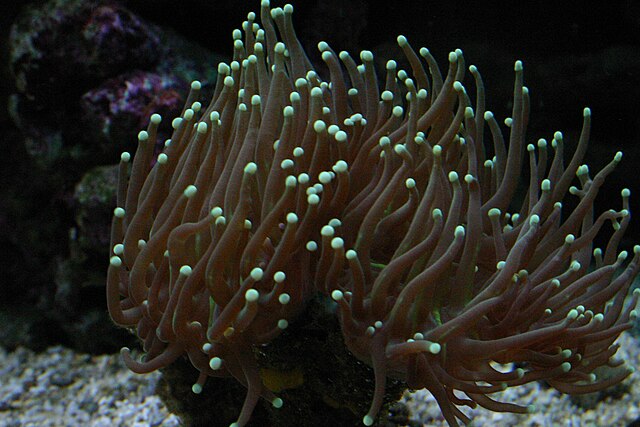
LPS coral polyps and tentacles have soft tissue and a structure with large surface area relative to volume. When constantly exposed to strong water flow, they cannot maintain extended tentacles and tend to remain contracted, reducing the area where zooxanthellae receive light. Additionally, strong water flow can cause tentacles to tangle with each other or tissue to rub against skeleton edges, potentially causing localized damage. As exemplified by Euphyllia species (Hammer and Torch corals), LPS corals with large spreading tentacles tend to be particularly sensitive to flow intensity.
Differences in Water Flow Preferences by Species
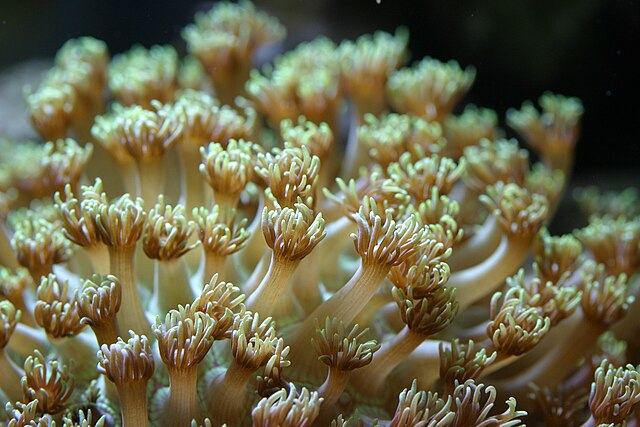
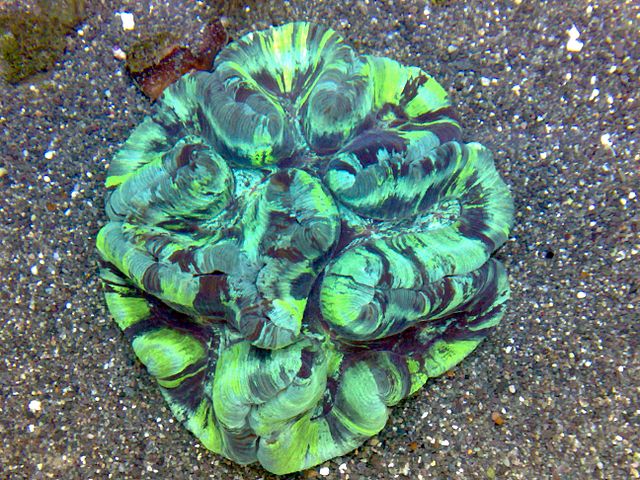
Even among LPS corals, tolerance to water flow varies by species. Hammer corals, Torch corals, and Frogspawn corals spread their tentacles widely and prefer gentle, undulating flow; prolonged exposure to direct, strong current can make tentacles reluctant to open. Physogyra (Pearl Bubble), which has bubble-like tissue within its tentacles, also falls into the category sensitive to strong flow. Species such as Trachyphyllia, Scolymia, and Open Brain corals that consist of individual or few polyps are often placed in sand or rock crevices, preferring environments where water circulates gently around them rather than where direct flow strikes continuously. Before beginning care, it is helpful to check species characteristics in the coral encyclopedia and mentally map out placement and how current will affect it.
Guidelines for Appropriate Flow Rate and How to Achieve It
Appropriate water flow for LPS corals can be summed up simply: "gentle enough for tentacles to sway slowly." Rather than creating a jet-like stream pushing in one direction, a common method is to install multiple pumps at different angles to create random flow patterns where water currents collide and directions constantly change. If your wave pump has random or pulse modes, utilizing these functions is another option. Rather than directing pump output straight at the coral, you can bounce it off wall surfaces or rockwork to avoid direct impact while creating gentle circulation throughout the tank.
Risks of Insufficient Water Flow
Weak flow also carries risks. LPS corals often secrete substantial mucus after feeding or after lights go out; when flow is insufficient, mucus and waste products linger around tissue, easily causing localized water quality degradation. Additionally, in areas with little to no flow, detritus (accumulated organic matter) easily accumulates in skeleton crevices, which can lead to long-term tissue recession. Maintaining constant, gentle water exchange—neither too strong nor too weak—is the fundamental principle of water flow management for LPS corals.
Signs to Reconsider Water Flow and How to Adjust
If you observe tentacles not opening, recession on one side only, or excessive mucus production, it is worth investigating water flow. By gradually adjusting pump angle or output while observing the colony's response over several days, you can identify conditions where tentacles open well and remain stable. Since sudden large changes in flow conditions easily stress corals, adjustments should be made gradually. If obvious tissue bleaching or recession continues, suspect water quality issues beyond flow alone, and consider consulting those with specialized knowledge, such as professional aquarium shops dealing with marine fish and corals.
Tank layout also significantly affects how water flow strikes corals. LPS corals installed at high positions in rockwork easily receive direct flow from pumps, while low positions or behind rocks tend to have stagnant flow. Even with identical pump settings, shifting placement slightly can result in dramatic changes in tentacle opening. When acquiring LPS corals for the first time, an effective approach is to initially place them where existing flow is minimal, then over several days observe their response while gradually moving them to areas with more current. Placing them suddenly in an area with strong flow combines environmental change with flow stimulation, easily resulting in major stress, so movement should be gradual.
Summary
Most LPS corals prefer gentle flow that changes direction and sways tentacles, rather than strong flow striking continuously in one direction. Since flow tolerance varies among species based on body structure, understanding the characteristics of your species and adjusting pump placement and output accordingly is important. By observing daily signs such as tentacle opening and mucus production, seek out a water flow balance suited to your own tank.