The Mechanism of Soft Coral Pulsation (Pulse Movement) | Physiology and Environmental Factors
The characteristic pulsating movements of Xenia (also called pulse corals). This practical guide explains the physiological mechanisms, correlations with feeding, water flow, and nutrient levels, display tips, and the causes and solutions for when pulsation stops.
Key Takeaways
The characteristic pulsating movements of Xenia (also called pulse corals). This practical guide explains the physiological mechanisms, correlations with feeding, water flow, and nutrient levels, display tips, and the causes and solutions for when pulsation stops.
Pulsation: The Unique Movement of Soft Corals
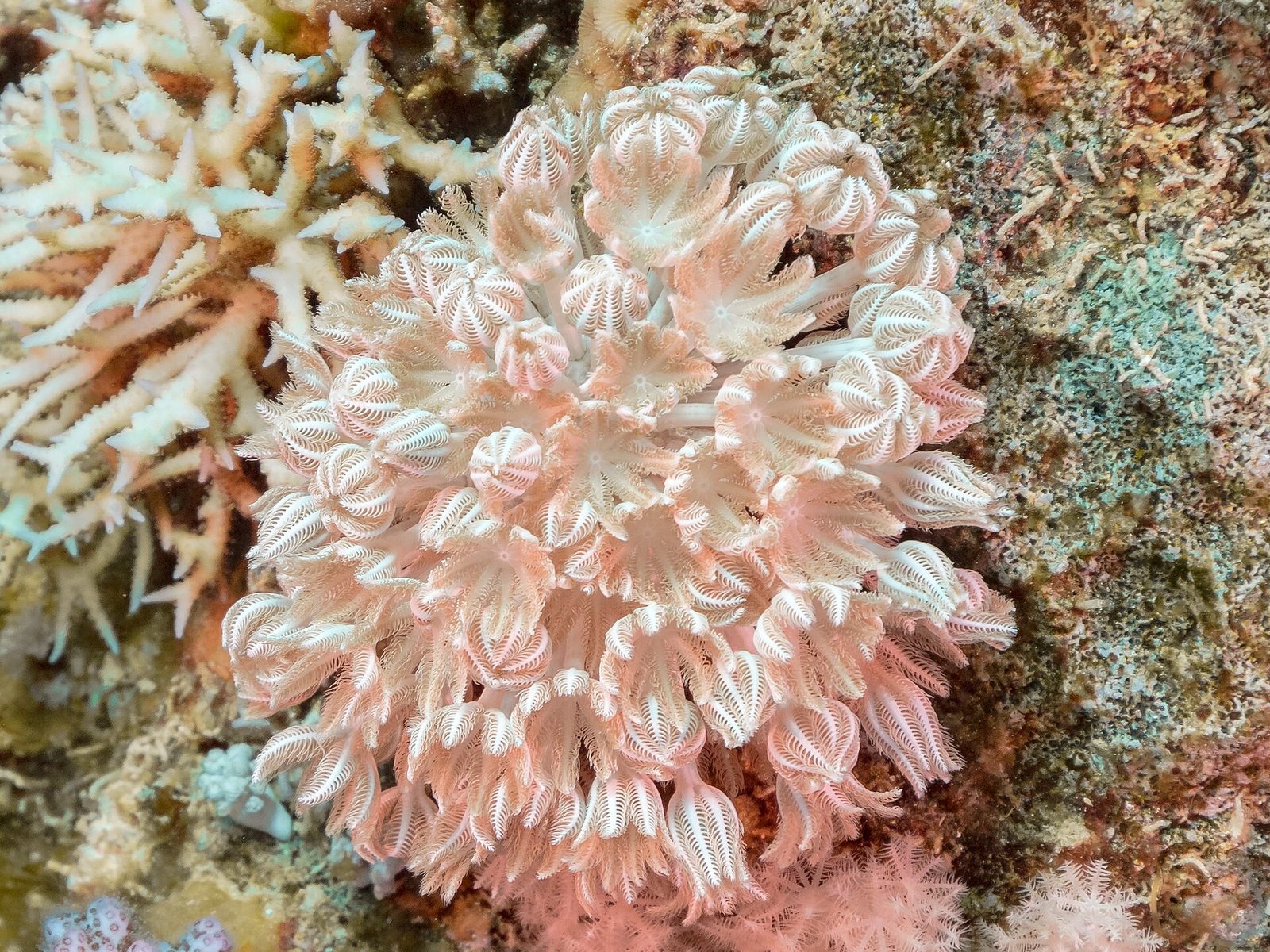
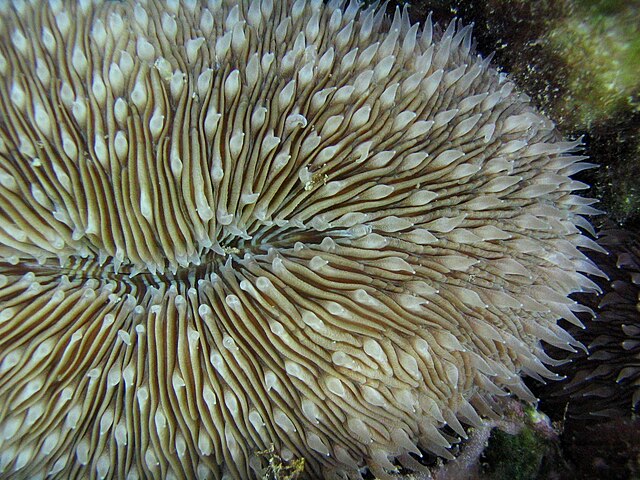
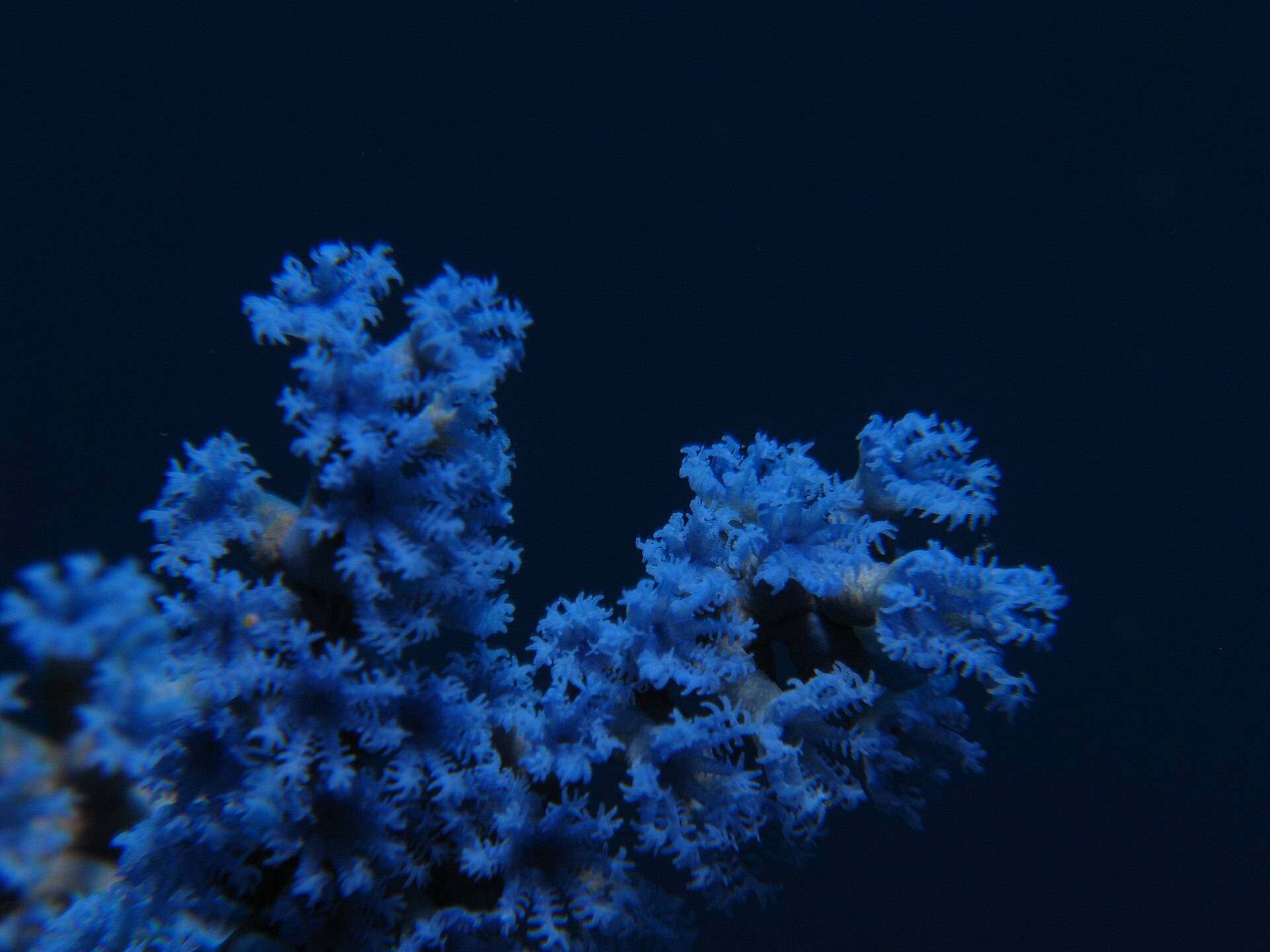
The greatest appeal of Xenia (also known as pulse corals) is the distinctive pulsating phenomenon—the rhythmic contraction and relaxation of their tentacles. These movements, repeating several times per second, are highly ornamental, making pulsing corals popular inhabitants of reef tanks as the tank's moving organisms.
However, this pulsation is far more than mere decoration; it is intimately connected to the coral's physiological activity and represents a highly efficient feeding and respiration mechanism. Understanding why pulsation occurs and under what conditions it stops dramatically improves the success rate of keeping Xenia.
The Physiological Mechanism of Pulsation: Muscle and Hydrostatic Pressure
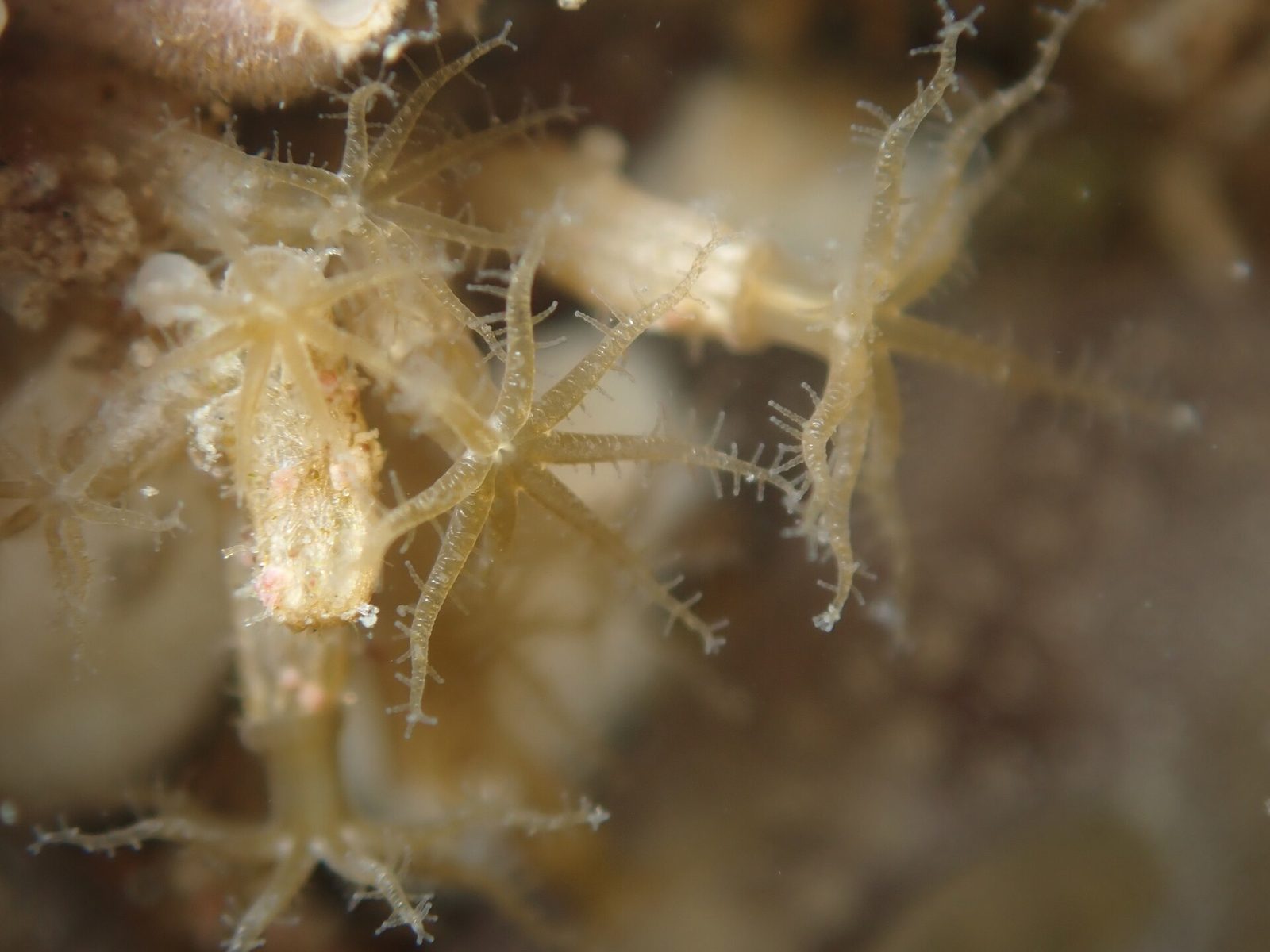
Within Xenia tentacles exist radial and annular muscle layers. These muscles work in coordination, causing the tentacles to fold and extend. The energy source for this movement is hydrostatic pressure—the water pressure within the tentacles.
When muscles contract, the fluid within the tentacle's body cavity exerts pressure on surrounding tissues, causing the tentacle to extend. Subsequently, external water flow pressure pushes the tentacle back, and the muscle relaxes, causing it to contract. In other words, pulsation is not entirely an active muscular movement; it is a phenomenon that emerges from the interaction between muscle contraction and the external environment (water flow pressure).
The Relationship Between Pulsation and Feeding
One of the primary roles of pulsation is improving the efficiency of plankton and nutrient uptake. As the tentacles repeatedly move, water around them becomes agitated, making it easier for microparticles to adhere. Furthermore, pulsation changes the surface area of the tentacles, creating more opportunities for tentacles to come into contact with plankton.
In natural reefs, constant water flow makes feeding possible even without pulsation. However, in low-flow environments (deep caves or beneath rocks), corals must actively move water with pulsation to draw in nutrients. In aquarium settings, this self-powered feeding mechanism becomes especially important.
Water Flow Environment and Pulsation Activity
Pulsation activity is heavily dependent on water flow conditions. In weak flow environments (approximately 10–20 cm/s), pulsation is vigorous, while in strong flow environments (50+ cm/s), pulsation tends to diminish.
This occurs because, in environments with sufficient water flow, the feeding effort of pulsation is judged "unnecessary." Conversely, in extremely weak flow environments (near stagnation), pulsation is also suppressed. This suggests that without flow, nutrients drawn in by pulsation would dissipate, making the energy expenditure wasteful.
To maintain vigorous pulsation in Xenia, ideal conditions are moderate, bidirectional water flow (15–30 cm/s). By avoiding direct return pump flow and positioning the coral where diffused flow occurs, an environment supporting continuous pulsation can be achieved.
Nutrient Levels and Pulsation Activity
Interestingly, there is a correlation between nutrient concentrations in the aquarium (particularly nitrate and phosphate) and Xenia pulsation activity. In low-nutrient environments (nitrate below 5 ppm), pulsation weakens or stops.
Conversely, in adequately nutrient-rich environments (nitrate 10–20 ppm), pulsation tends to become more vigorous. This suggests that nutrient concentration correlates with the presence of microparticles and phytoplankton (especially small cyanobacteria) in the water column, and that Xenia may sense nutrient abundance and "amplify" their pulsation accordingly.
In ultra-low-nutrient tanks (where skimmers remove nutrients thoroughly), reduced Xenia pulsation is frequently reported. "Weak pulsation = nutrient deficiency" can serve as a diagnostic clue.
Light and Pulsation Activity
Light environment also influences pulsation. A circadian rhythm is observed where pulsation is vigorous during the day and weakens at night. This is believed to be an adaptive strategy where Xenia activates feeding behavior only in the presence of light.
At night, predation risk increases, so feeding effort (pulsation) is minimized to conserve energy. Conversely, during the day, microorganisms increase due to UV exposure, making nutrients abundant, so pulsation is enhanced. This physiological rhythm is reproduced within the aquarium.
Major Causes of Pulsation Cessation and Solutions
1. Inadequate Water Flow
The primary cause of pulsation cessation is insufficient absolute water flow. This may result from return pump failure, clogged plumbing, or simply positioning the coral outside the flow path. The solution is to add circulation (such as an air lift pump) to improve overall water movement.
2. Nutrient Deficiency
In extremely low-nutrient environments, Xenia's energy supply becomes insufficient and pulsation stops. Improvements can be made by adjusting skimmer settings to allow some nutrient retention or by increasing feeding slightly.
3. Rapid Water Chemistry Changes
Sudden pH drops, increases in alkalinity, or changes in salinity cause stress to Xenia and halt pulsation. Avoiding abrupt water chemistry fluctuations and making gradual adjustments is critical.
4. Excessive Stress
Shortly after introduction to a new environment, or when subjected to chemical attack (allelopathy) from nearby corals, pulsation is suppressed. Moving the coral to a darker location and allowing a recovery period often restores pulsation.
Display and Care Tips
To fully enjoy Xenia pulsation, proper placement is essential. The ideal location is where water flow does not strike directly in a linear fashion yet is not completely stagnant—for example, slightly downstream of a circulation pump in a gentle flow zone.
Maintain a day-night lighting cycle to respect the circadian rhythm of pulsation. Feeding may consist of light feedings (flakes or paste) two to three times per week; excessive nutrients are unnecessary.
Conclusion: Xenia as Living Art
The pulsation of Xenia is a unique movement within the aquarium. By understanding the mechanism of their movement and providing optimal conditions, Xenia performs at their best in the tank. The sight of a pulsing coral is not merely beautiful—it is also "evidence" that the coral is thriving in its ideal environment.