Water Flow Pumps (Wave Makers): Their Role and Placement | Creating Water Flow in Coral Tanks
Explains the role of water flow pumps (wave makers) in coral tanks, how to position them to avoid dead zones, and water flow guidelines for different coral types.
Key Takeaways
Explains the role of water flow pumps (wave makers) in coral tanks, how to position them to avoid dead zones, and water flow guidelines for different coral types.
Why Water Flow Is Essential in Coral Tanks
Most corals cannot move on their own and depend on surrounding water flow to survive. Water flow carries oxygen and nutrients to the tentacles and polyps, while simultaneously washing away waste products and excess mucus. Even with adequate lighting and water quality, insufficient water flow can lead to debris accumulation on the surface, poor polyp extension, and increased algae growth. Conversely, if water flow is too strong, delicate tentacle-bearing species may remain closed, and sand or small detritus particles can cause damage from the impact. Since optimal water flow rate and direction vary significantly by species, it is valuable to consider overall water circulation design from the planning stage.
Basic Role of Water Flow Pumps (Wave Makers)
Equipment for creating water flow in tanks can be broadly divided into two types: those that send water in a constant direction, and those that use a controller to coordinate multiple units and periodically vary the direction and strength of flow. The latter type is often called a "wave maker" and attempts to recreate the irregular, three-dimensional flow patterns seen in natural ocean environments. With unidirectional water flow alone, water tends to stagnate in the shadows of rock formations and tank corners, where detritus accumulates. By combining multiple water flows and varying their strength over time, it becomes easier to circulate water evenly throughout the entire tank.
Placement Considerations
When positioning water flow pumps, the key consideration is to avoid creating "dead zones" in the tank. Facing pumps directly at each other in a straight line can create beneficial turbulence when flows collide, but if overdone, strong flow concentrates at a single point. By positioning multiple pumps diagonally or at different heights and directing flow along tank walls, it becomes easier to create indirect circulation that moves throughout the entire tank. Since this is closely related to coral placement, it's important to consider not just the spacing between organisms as discussed in LPS Coral Placement & Cohabitation: Managing Sweeper Tentacles and Aggression Distance, but also the water flow intensity reaching each location.
Water Flow Guidelines by Coral Type
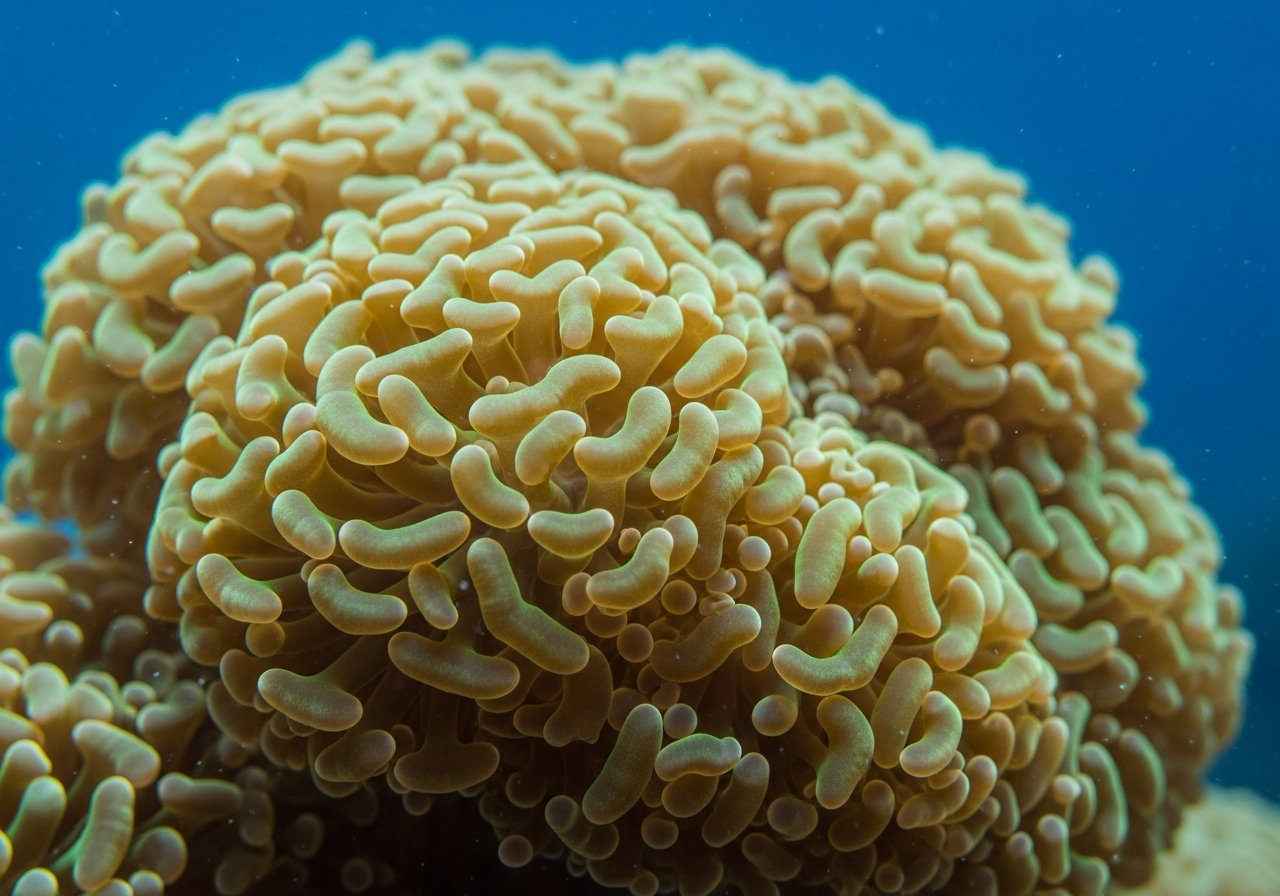
Generally, branching and massive corals with hard skeletons tend to prefer strong, uninterrupted water flow. As discussed in Acropora Care Basics: The Three Pillars of Light, Water Flow, and Water Quality, water flow is a critical factor for these corals, equal to lighting and water quality. In contrast, corals with thick, broad tentacles often struggle to extend if exposed to flow that constantly pushes their tentacles aside, and typically prefer gentle, undulating water flow. This is especially true for large-polyp corals like Euphyllia Care: Growing Hammer, Torch, and Frogspawn Corals, so it's helpful to vary water flow intensity by location within the same tank.
Adjusting and Monitoring Water Flow
After installing water flow pumps, continuous fine-tuning of direction and output while observing coral response is essential. Regularly check that polyps are not consistently blown in one direction or closed, and that no areas show excessive surface debris from insufficient flow. If using a controller to create strength variation patterns, also monitor whether rapid changes are causing stress. Although water flow is not easily visible, it affects coral health as much as lighting and supplementation management. When unsure or when certain corals aren't thriving, consider reviewing overall water quality alongside water flow, and if needed, consulting with someone with specialized knowledge.
Tank Setup and Size Considerations
The required output and number of water flow pumps vary depending on tank capacity and layout complexity. In small tanks, excessive flow can lead to temperature fluctuations and stress on organisms, while in large tanks, insufficient number or poor placement of pumps may leave areas poorly circulated. As covered in Setting Up a Reef Tank: From Cycling to Initial Maintenance, planning water flow from the early setup stage alongside layout and filtration system design reduces the need for later pump additions or major repositioning. When modifying flow in an established tank with corals, avoid drastic changes; instead, make small adjustments every few days while monitoring organism response. Water flow is not simply a matter of "stronger is better," but rather an ongoing adjustment process to find the optimal balance based on overall tank design and coral species composition.