Types and Classification of Corals | Differences and Characteristics of SPS, LPS, and Soft Corals
This article explains the conventional differences in aquarium industry classification of SPS, LPS, and soft corals, and their respective characteristics.
Key Takeaways
This article explains the conventional differences in aquarium industry classification of SPS, LPS, and soft corals, and their respective characteristics.
Three Major Coral Classifications: SPS, LPS, and Soft Corals
In the world of coral keeping, corals are often discussed not according to strict biological taxonomy, but rather as three groups that are convenient for hobbyists to work with: "SPS," "LPS," and "soft corals." This is not an official scientific classification, but rather an aquarium industry convention based on skeleton form, appearance, and the general difficulty trend of keeping each group. Understanding the broad characteristics of each category first will deepen your understanding when you research individual species in the coral guide.
For those just starting a coral aquarium, these three classifications serve as a useful reference for deciding "which group to begin with." Generally, beginners are advised to start with soft corals or LPS—groups containing many hardy species—and then progress to SPS after gaining experience with water quality, lighting, and flow management. However, this is merely a trend, and it is essential to verify the specific characteristics of individual species before purchasing.
SPS (Small Polyp Stony)
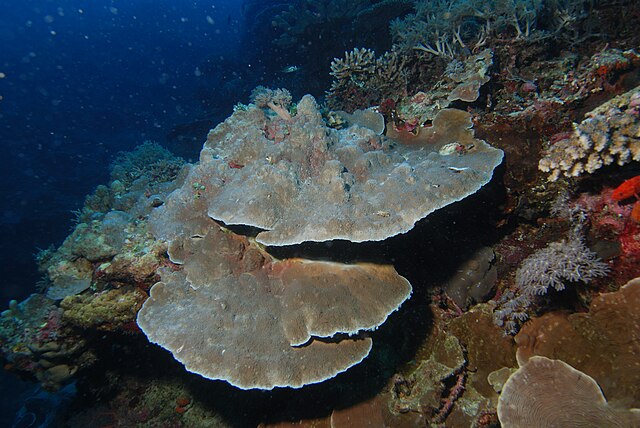
SPS stands for "Small Polyp Stony," referring to corals with calcium carbonate skeletons and tiny individual polyps. Acropora (Acropora) and Montipora are representative examples. These corals are characterized by their hard limestone skeletons and very small individual polyps. In general, SPS corals are considered to require strong lighting, stable water flow, and stable water chemistry (calcium, KH, magnesium, etc.), placing them in the higher difficulty category for many hobbyists. For detailed information, please also refer to the basics of Acropora care.
SPS corals display diverse growth patterns—branching, table-like, or encrusting forms—and come in a rich variety of colors, making them popular choices as focal points in aquarium layouts. However, they are said to react sensitively to even minor changes in water chemistry, lighting, and flow. It is generally advisable to avoid introducing large numbers of SPS corals to newly established tanks or when you are not yet experienced with parameter management.
LPS (Large Polyp Stony)
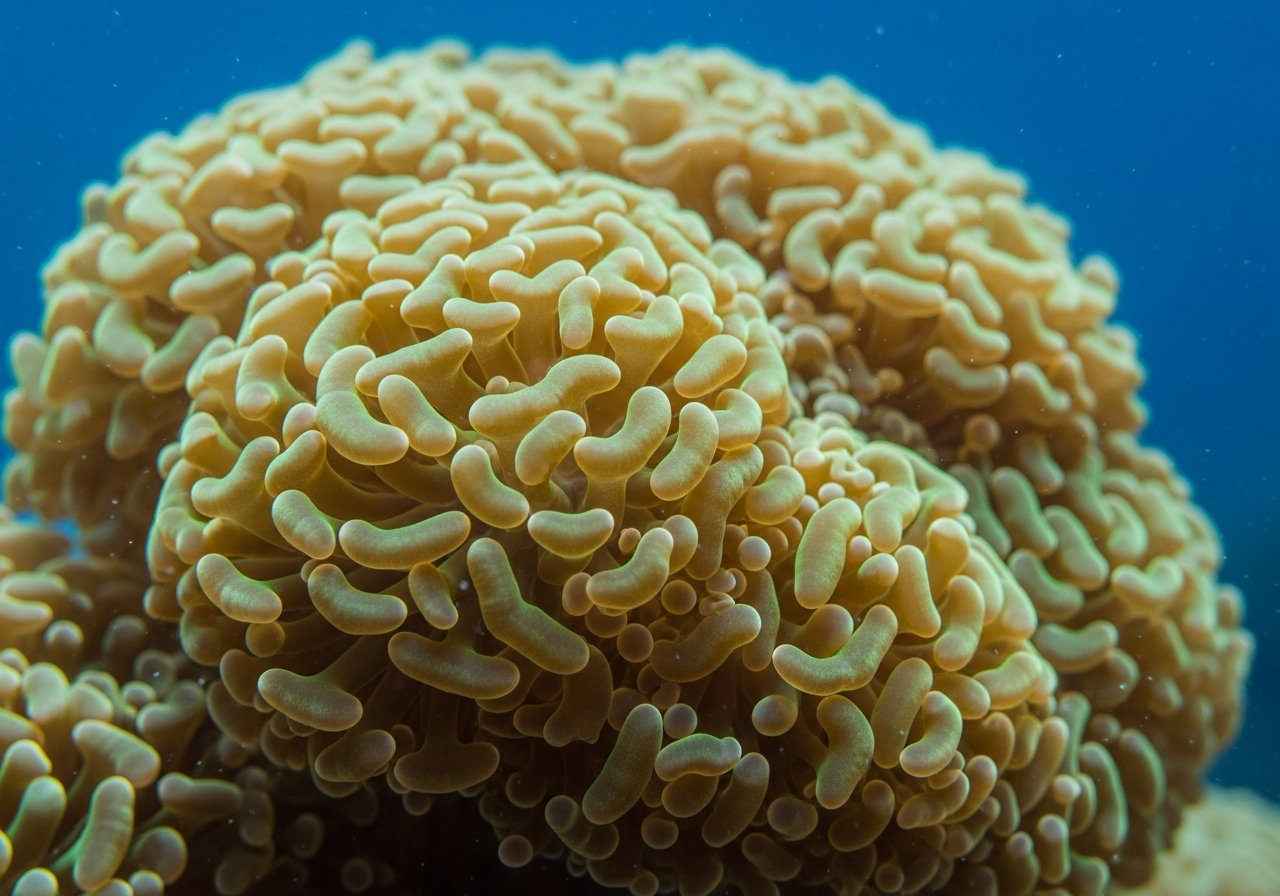
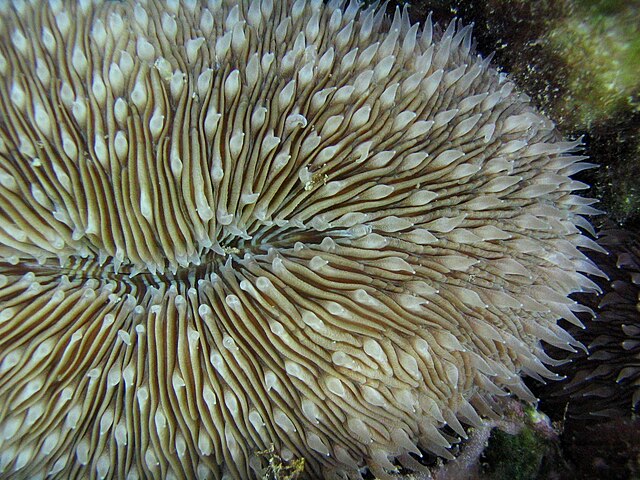
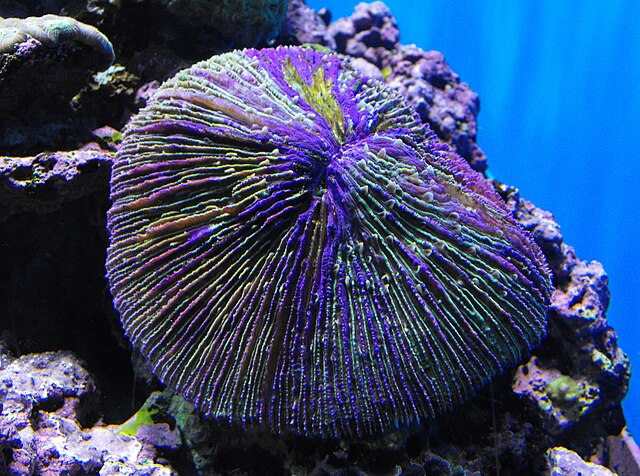
LPS stands for "Large Polyp Stony." Like SPS, LPS corals have calcium carbonate skeletons, but their polyps are large, fleshy, and often extend widely. Representative examples include species of Euphyllia—such as hammer corals, torch corals, and frogspawn corals. Many LPS species have less demanding requirements for lighting and water flow compared to SPS, making them an accessible entry point for hobbyists new to stony corals. However, the characteristics can vary significantly between species; consulting an introduction to LPS corals to confirm individual tendencies is recommended.
Since many LPS species have large, expansive tentacles, careful spacing between neighboring corals is essential. Placing other corals within reach of their tentacles can lead to contact-related problems, so when planning your layout, it is important to allow adequate spacing that accounts for future growth.
Soft Corals
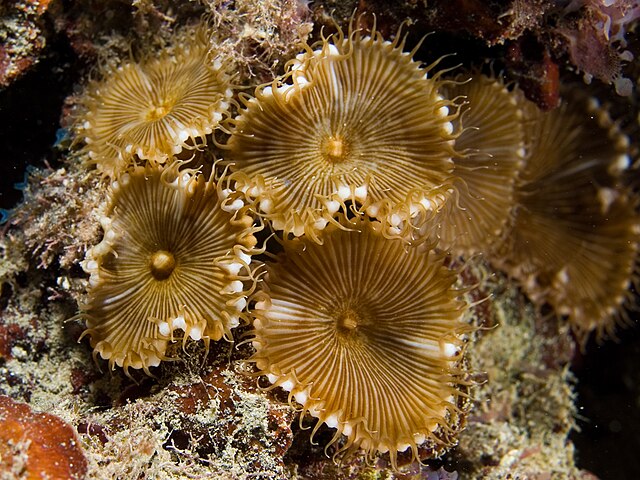
Soft corals lack the hard calcium carbonate skeleton of SPS and LPS corals (or possess only small skeletal fragments within their bodies). Representative examples include leather corals and xenia (sea fans). They are characterized by their soft bodies and graceful swaying with water currents. Many soft coral species are generally hardy and tolerant of environmental fluctuations, which is why they are often recommended for beginners. However, some species exert chemical influences (allelopathy) on neighboring corals, so careful consideration is needed when combining species in a tank.
Many soft coral species grow and reproduce vigorously, making them easy to propagate through fragging and increase in number. For specific propagation procedures, see how to propagate soft corals. Consulting this guide beforehand, including management strategies if they overgrow, is advisable.
Use Classifications as a General Guide
The SPS, LPS, and soft coral classification system is a convenient reference, but it is ultimately a conventional grouping within the hobbyist community and does not align with biological taxonomy (order, family, genus, etc.). Even within species classified as "LPS," there exist significant differences in light and flow requirements. When considering actual purchase and care, do not rely solely on the broad classification. We recommend consulting the coral guide to view the page for the specific species you're interested in and verify its unique characteristics.