Symbiotic Organisms of Coral Reefs | The Relationships Between Commensal Shrimp, Crabs, Small Fish, and Corals
An introduction to representative examples of shrimp, crabs, and small fish that form symbiotic relationships with corals, and the fundamentals of observing these relationships within an aquarium.
Key Takeaways
An introduction to representative examples of shrimp, crabs, and small fish that form symbiotic relationships with corals, and the fundamentals of observing these relationships within an aquarium.
Coral reefs are places where numerous organisms live in intricate relationships with one another, and corals themselves form symbiotic associations with a variety of other species. Small shrimp and crabs that hide in the branches or within the tentacles of corals, or fish that form partnerships with sea anemones—such inter-organism connections unique to coral reefs can often be observed in home aquariums. This article introduces representative symbiotic organisms closely associated with corals and the fundamental concepts behind these relationships.
What Is Symbiosis?
Symbiosis refers to a state in which organisms of different species live in close association with one another. Symbiotic relationships on coral reefs take various forms—some are mutually beneficial to both partners, while others involve one organism merely borrowing shelter from the other. The spaces between coral branches and within their tentacles are ideal for hiding from predators, making them prime habitat for many small organisms. The coral, in turn, may indirectly benefit when symbiotic organisms remove surrounding detritus or chase away potential predators.
Shrimp That Form Symbiotic Relationships with Corals
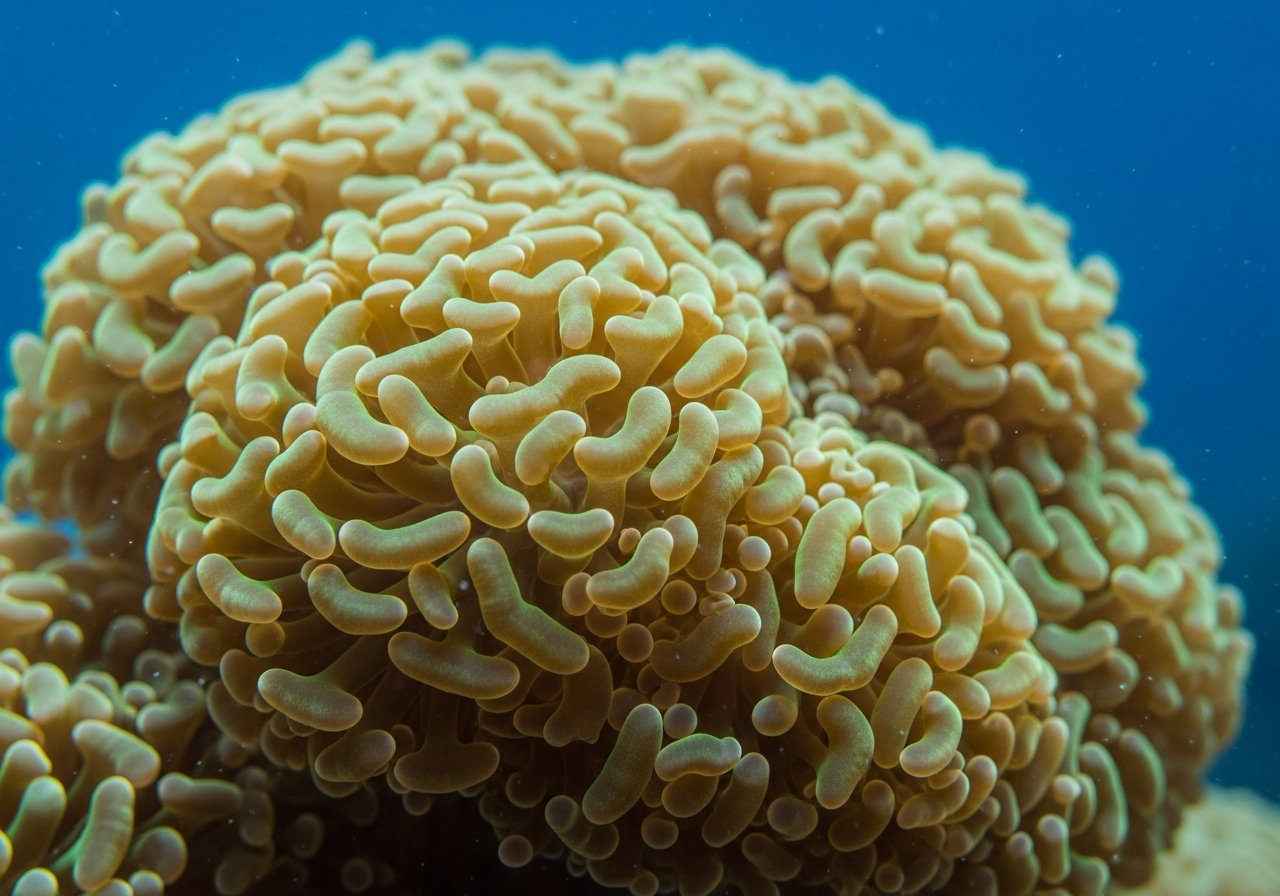
Branching or tentacle-heavy corals such as Euphyllia (Hammer and Torch corals) and Pocillopora often host small shrimp that live hidden in their gaps. These shrimp use the coral's structure as shelter while feeding on leftover food and detritus in the surrounding area, effectively maintaining cleanliness around the coral. When observing such shrimp in an aquarium, they often hide deep within the coral; it may be easier to spot them during lights-off periods or feeding time.
Fish and Crabs That Form Symbiotic Relationships with Sea Anemones
One of the most well-known symbiotic relationships on coral reefs is between sea anemones and fish. Large sea anemones such as Bubble Tip Anemones, Carpet Anemones, and Long Tentacle Anemones (Macrodactyla) can serve as habitats for fish that hide within their tentacles. The fish are protected from the anemone's stinging nematocysts by a mucus coating on their skin, allowing them to live within the anemone while gaining refuge from predators. Crabs that form symbiotic relationships with sea anemones are also known, with some species living hidden among the tentacles while evading predators. When attempting to recreate and observe such pairings in an aquarium, it is important to consider the care difficulty of the anemone itself and the risk of damaging other corals as the anemone moves around the tank.
The Significance of Symbiosis in Coral Reef Ecosystems
When looking at coral reefs as a whole, symbiotic relationships extend far beyond individual organism-to-organism connections—they are a crucial mechanism supporting the diversity of the entire ecosystem. Corals themselves harbor symbiotic algae (zooxanthellae) within their tissues, receiving nutritional support through photosynthesis; thus, symbiosis is a foundational pillar of the coral reef ecosystem. Understanding these multilayered relationships can serve as a gateway to appreciating the interconnectedness of organisms when observing a small ecosystem within an aquarium.
Points to Consider When Observing Symbiotic Organisms in an Aquarium
When introducing organisms in symbiotic relationships into the same aquarium, it is important to keep in mind that each organism may have different requirements for water quality, temperature, and food. Before adding shrimp, crabs, or small fish, it is advisable to verify in advance their compatibility with existing corals and organisms, and whether the tank size is adequate to avoid overcrowding. If symbiotic organisms appear abnormal, remain hidden excessively, or if the coral shows obvious signs of distress, there may be issues with water quality or organism compatibility; consulting with specialists at aquarium shops that handle marine fish and corals is one option to consider.
Furthermore, when one organism of a symbiotic pair is removed or transferred to a separate tank, the remaining organism may be unable to exhibit its natural behaviors. For example, if a fish that was living symbiotically with an anemone is moved alone to a new tank, it may experience stress from losing its shelter. When introducing organisms in combination, it is helpful to verify in advance whether each organism can survive alone for a period of time; this will make it easier to manage if relocation or isolation becomes necessary.
Summary
Coral reefs are home to various symbiotic relationships, where organisms provide shelter for one another and support each other's survival. Understanding the relationships between shrimp, crabs, small fish, and corals provides insight into the complexity and richness of the coral reef ecosystem. When observing these relationships in an aquarium, it is important to consider the ecology and care requirements of each organism and to plan combinations that are sustainable and appropriate. The Coral Encyclopedia also provides information on the species that serve as the foundation for these symbiotic relationships, and we encourage you to reference it as well.