LPS Coral Beginner's Guide | Hardy, Vibrant Popular Species and Key Care Points
An explanation of the appeal and basics of LPS corals, which are easy for beginners to keep and feature beautiful fluorescent colors. Features of popular species, tips for matching light and water flow, and techniques for avoiding conflict caused by sweeper tentacles are introduced.
Key Takeaways
An explanation of the appeal and basics of LPS corals, which are easy for beginners to keep and feature beautiful fluorescent colors. Features of popular species, tips for matching light and water flow, and techniques for avoiding conflict caused by sweeper tentacles are introduced.
LPS (Large Polyp Stony) corals are skeleton-bearing corals distinguished by their large, inflating polyps and vibrant fluorescent colors. They are less demanding of water quality than SPS corals, yet possess more striking presence than soft corals, making them ideal as a bridge from beginner to intermediate-level reef tanks. Because they have skeletal structures, they offer greater stability than soft corals, and the expansion of polyps makes it easy to visually confirm their condition at a glance—a reassuring advantage for those attempting skeletal corals for the first time. Initially, it helps to focus on just a few species and carefully observe each one; this observational approach becomes the shortest path to mastery. Here, we summarize the representative popular species and the key points for avoiding mistakes in husbandry.
The Appeal of LPS and Representative Species
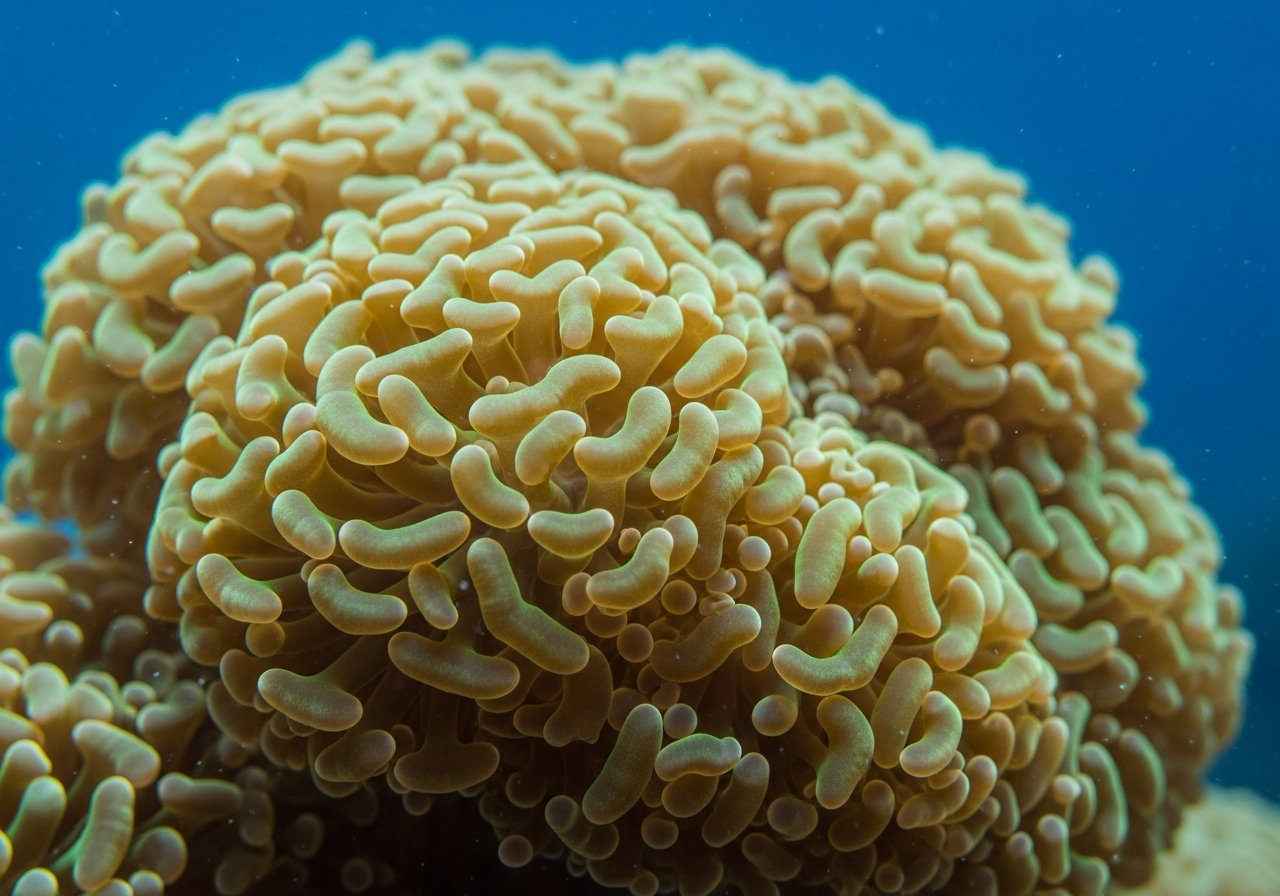
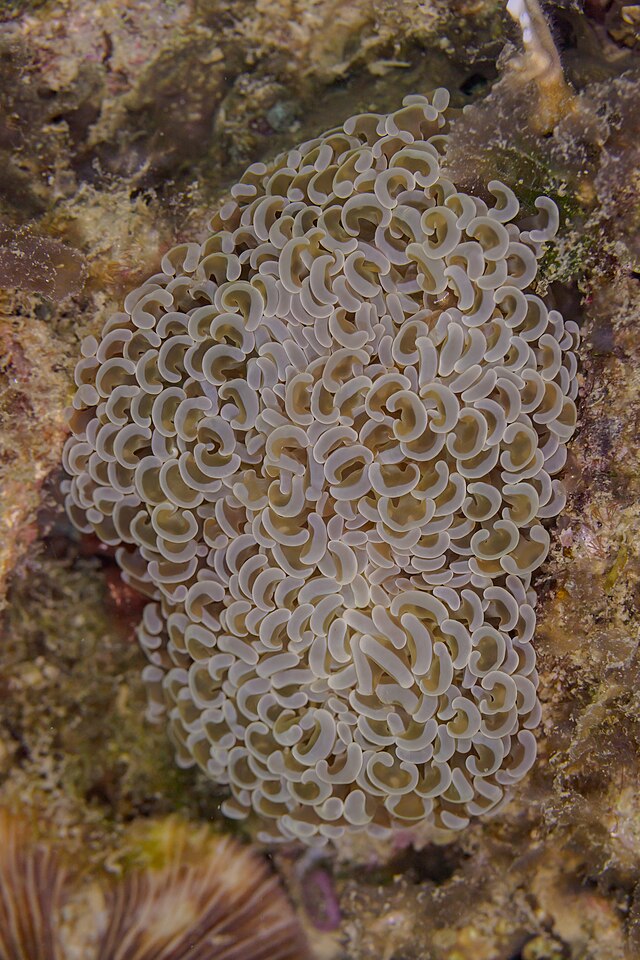
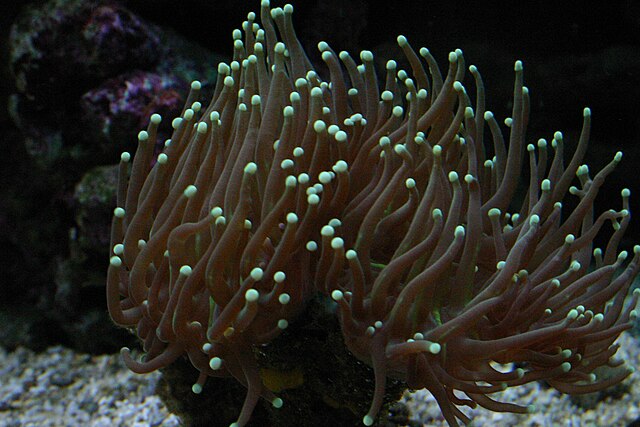
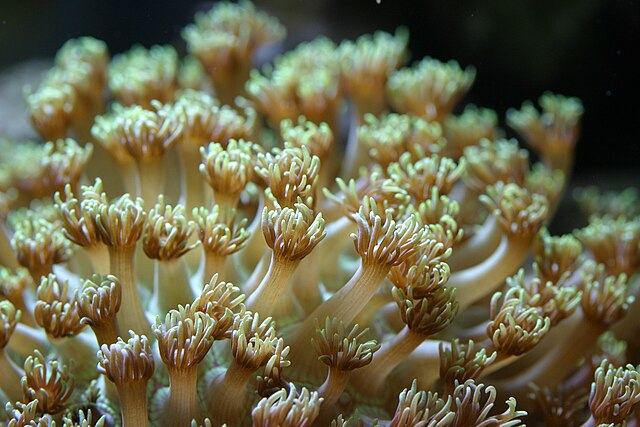
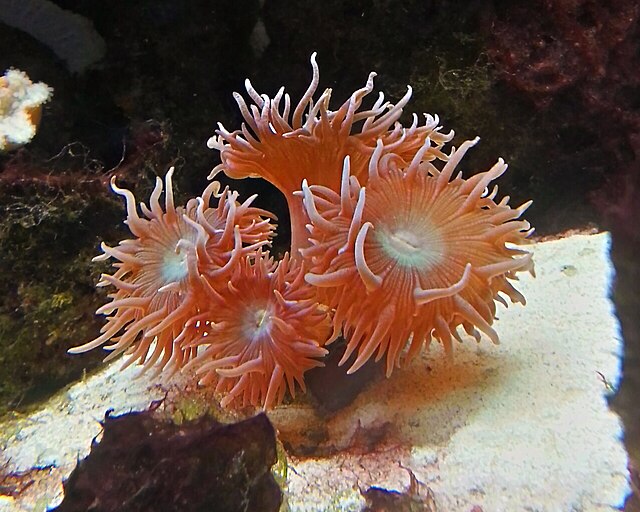
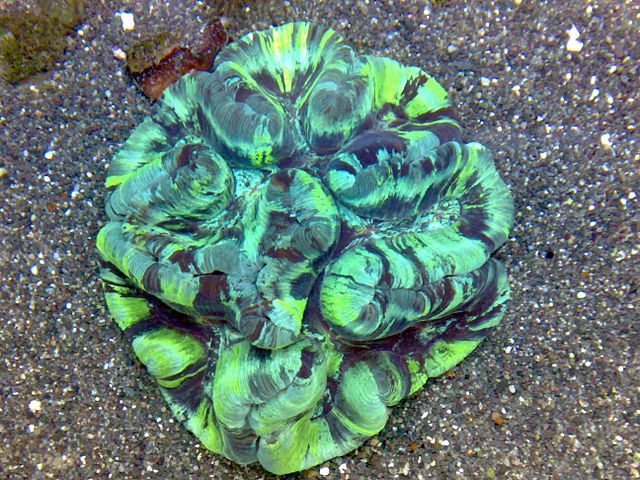
LPS corals include a diverse range of species with individual colors and patterns: Fungia, small Fungia, Bubble corals, Octocorals, Acanthophyllia (commonly called Micro Mussas), and many others. The inflated tissues glow hauntingly under lighting, and at night you can observe them extending their tentacles. Starting with hardy, commonly available species will help you grasp the essentials of care more readily.
When purchasing, select specimens where the polyp tissue throughout the colony is well-inflated and exposed skeleton is minimal. Even if the polyp retracts temporarily due to transport or environmental change, recovery within a few days of placement is not uncommon. Rather than rushing to intervene further, it is important to observe quietly and give the coral time to adjust.
Moderate Light, Gentle Water Flow
Most LPS corals prefer moderate lighting (around PAR 100–200); if light is too intense, tissue shrinks and the coral's condition deteriorates. Water flow should be gentle, with polyps expanding in a soft, relaxed manner. Strong direct currents damage LPS's expanded tissue, so placement should avoid excessive flow. When tissue is well-inflated, it signals that environmental conditions are right.
When first introducing a coral to the tank, place it in the mid to lower sections of the rockwork rather than in the brightly lit upper areas, so light levels are reduced. Move it gradually toward brighter areas as you observe tissue firmness, easing the transition. Adjust water flow similarly—start in a gentle location and gradually modify based on how the polyps open. Environmental change itself causes stress immediately after introduction, so avoid repositioning for a while and allow time for the coral to acclimate.
Avoiding Conflict — Pay Attention to Sweeper Tentacles
At night, LPS corals extend long "sweeper tentacles" to sting neighboring corals and defend territory. Placing them too close will cause the weaker coral to dissolve, so maintain sufficient spacing between species. In particular, aggressive species like Octocorals and Acanthophyllia must be kept at a distance from other corals.
When deciding on placement, account not only for current size but also for how the colony will expand when mature, preventing future contact and trouble. Immediately after placement, polyp extension may be irregular due to stress, so monitor the position relative to neighboring corals carefully for several days. The same principle applies when mixing LPS with SPS and soft corals—base spacing on the maximum sweeper tentacle extension to reduce the need for layout redesign.
Supporting Growth Through Feeding
Beyond photosynthesis, LPS corals capture and consume animal matter to grow. Offering finely shredded shrimp or specialized coral food in small amounts when tentacles are extended will promote establishment and growth. Overfeeding, however, pollutes the water and raises nutrient levels, so feed conservatively while monitoring overall tank balance.
Time feeding for night hours or just before lights off, when polyps are fully open and food more readily reaches the mouth. Temporarily reduce water flow while feeding so food doesn't drift unused and water quality is less affected. Not all specimens require equal feeding; adjust frequency based on growth and color changes. If lighting and in-tank nutrition are adequate, some individuals maintain health with minimal feeding, so frequent feeding is not always necessary.
Chemical Balance Supporting Skeletal Growth
LPS corals also require stable parameters to build skeleton: KH 7–9 dKH, calcium 400–450 mg/L, magnesium 1,250–1,350 mg/L. Consistency day-to-day matters more than absolute values. With smaller populations, regular water changes often supply sufficient supplementation; consider additives based on consumption rates.
Methods of maintaining these values vary with tank size and bioload. Establish a habit of regular water quality testing; if sharp changes appear, identify and address causes methodically. Relying too heavily on additives rather than regular water changes—the most fundamental tool—simplifies management. Using low-impurity water for top-off also protects chemical balance.
Don't Miss Signs of Trouble
Clear indicators of LPS health are polyp inflation and color changes. If normally inflated tissue remains retracted or exposed skeleton increases, the first step is to recall whether lighting, water flow, or water quality has changed recently.
- Polyps fail to open for several days
- Tissue recedes and skeleton becomes exposed
- Check for unintended contact with neighboring corals
- Were lighting or flow settings recently adjusted?
When the cause is unclear, the basic response is to avoid stressing the coral, maintain quiet conditions, and observe its progress. Remembering each individual's normal appearance helps you spot subtle changes early.
LPS corals are a forgiving, visually stunning group that pairs hardiness with brilliance. With moderate lighting, gentle water flow, and proper spacing to prevent conflict, even beginners can enjoy colorful polyp colonies long-term. Start by carefully raising a single species and, through daily observation, develop a dialogue with your corals.