LPS Coral Color Enhancement Mechanism | Fluorescent Proteins and Light Spectrum Relationship
This article explains how LPS corals achieve vivid coloration from the perspective of fluorescent proteins, and discusses the relationships with light spectrum, nutrient levels, and feeding.
Key Takeaways
This article explains how LPS corals achieve vivid coloration from the perspective of fluorescent proteins, and discusses the relationships with light spectrum, nutrient levels, and feeding.
Where Does LPS Coral Coloration Come From?
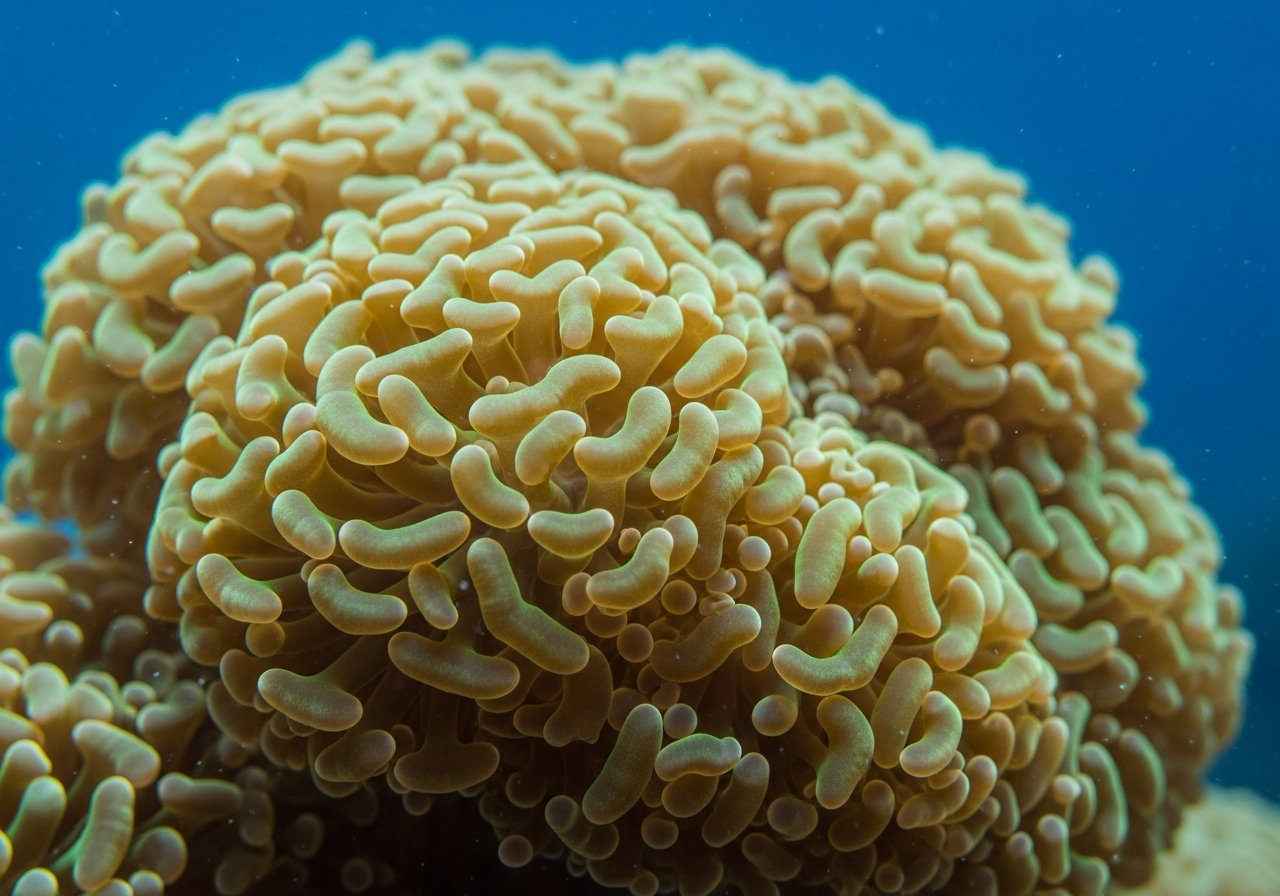
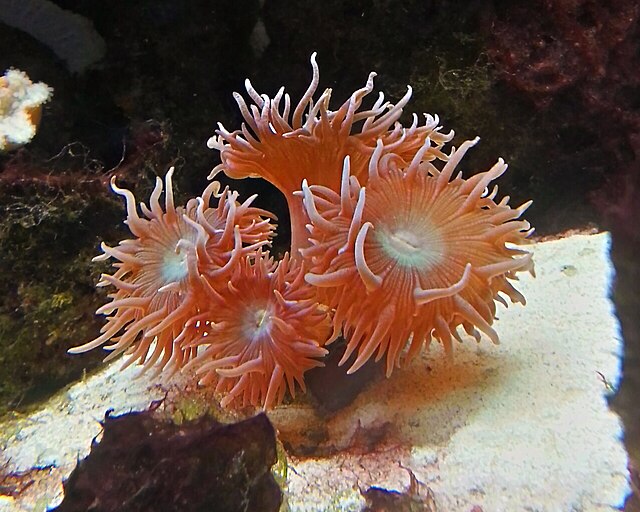
Euphyllia (Hammer and Torch corals), Acanthastrea, Lobophyllia, and other LPS (large-polyp stony corals) are popular for their vibrant coloration ranging from vivid greens and pinks to purples. This color is primarily produced by two types of proteins: pigment proteins and fluorescent proteins. Pigment proteins absorb part of visible light and produce specific colors, while fluorescent proteins absorb particular wavelengths of light (primarily blue light) and re-emit it at longer wavelengths, creating brilliant coloration that appears to glow under blue lighting.
For a detailed explanation of how fluorescent proteins work themselves, see How Coral Fluorescence Works | Enjoying Fluorescent Proteins and Blue Lighting, and refer to it if you want to confirm the basics.
Light Spectrum and LPS Coral Coloration
While many LPS species dislike strong water flow, as explained in LPS Coral Flow Rate Management, they similarly tend to prefer gentle, diffuse light. Blue-heavy lighting is thought to more easily excite fluorescent proteins, and coloration can appear more vivid under blue-spectrum lighting compared to white-light-centered illumination.
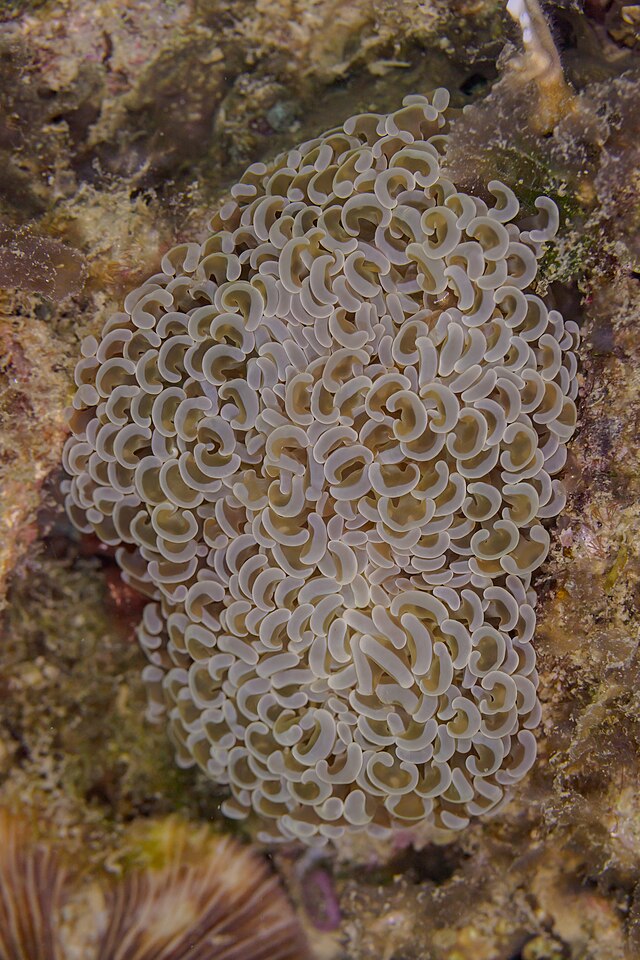
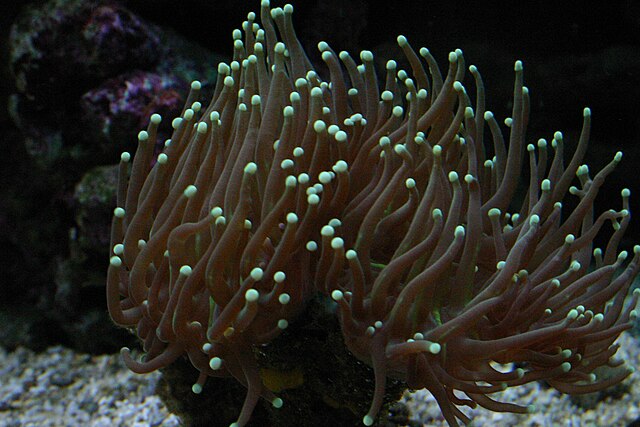
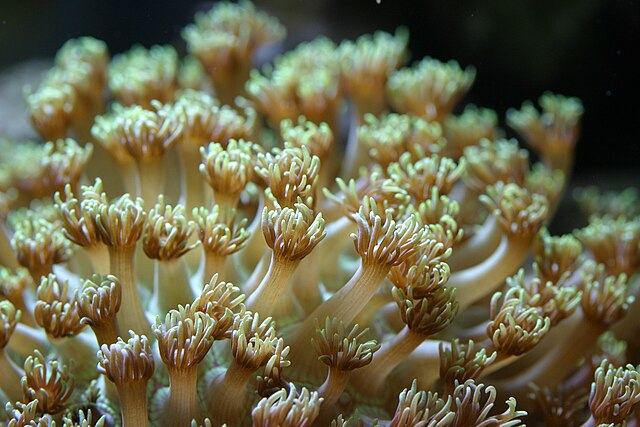
- Hammer corals, Torch corals, and Frogspawn corals show color gradation particularly at their tips, making them ideal species for observing changes in coloration based on lighting
- Trachyphyllia, Cynarina (Button corals), and Scolymia are known for having coloration patterns with significant individual variation
- Chalice corals often display coloration patterns that vary greatly even within the same individual depending on the polyp area, and strains with distinctive color patterns like Bubblegum Monster (Chalice) and Hollywood Stunner (Chalice) are given specific names and distinguished as named lineages in the trade
Individuals and strains with particularly striking coloration, such as Gold Hammer (Euphyllia) and Gold Torch (Euphyllia), are often given unique names when sold in commerce, and tracing the history of these named lineages is one of the pleasures of coral keeping.
Nutrient Balance and Coloration
Coloration is believed to be influenced not only by light spectrum but also by nutrient levels in the aquarium. When nitrate and phosphate levels drop too low, zooxanthellae density decreases, resulting in paler pigment protein-derived coloration while fluorescent protein colors become relatively more prominent. Conversely, when nutrients become excessive, zooxanthellae proliferate excessively, often leading to "browning out" where the overall appearance becomes brownish.
As mentioned in Reef Tank Supplementation | How to Maintain Calcium, KH, and Magnesium, stability in mineral balance related to skeletal formation also indirectly contributes to stable coloration. Rather than viewing nutrients simplistically as "lower is better," it is necessary to adjust the balance to suit the species and preferences of the LPS you are keeping.
Feeding and Maintaining Coloration
LPS corals obtain nutrition not only through photosynthesis but also through predation on animal-based foods, as explained in LPS Coral Feeding | Target Feeding Methods and Frequency. The nutrition obtained through feeding is used for body color maintenance and growth, and aquarium keepers report that individuals receiving consistent feeding tend to maintain more stable coloration. However, excessive feeding can degrade water quality, so it is important to adjust feeding frequency while monitoring both the individual's response and measured water parameters.
Daily Observation Tips for Enjoying Coloration
Changes in color are also an important indicator for assessing LPS health. Developing a habit of regularly checking the following points will help you notice coloration changes more quickly.
- Take photos weekly and compare color changes under the same lighting conditions
- Observe whether there is a correlation between polyp extension and color intensity
- Record how coloration changes after water changes or adjustments to supplementation
Basic LPS care fundamentals are also organized in LPS Coral Introduction | Hardy Popular Species and Essential Care Points, so if you are starting coral keeping, check that as well. If you notice sudden color changes and suspect health issues, we recommend consulting with an aquarium specialty shop or experienced aquarists rather than relying on self-diagnosis alone.