LPS Coral Lighting and PAR Value Guide: Is "Low Light Is Sufficient" Really True?
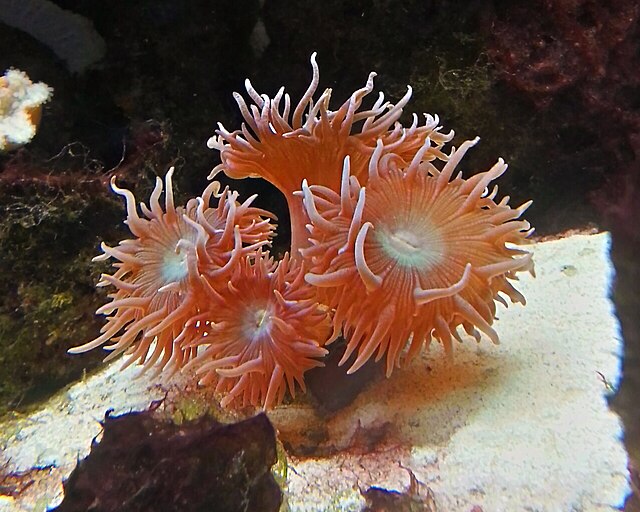
This guide explains the concept of light intensity and PAR values necessary for LPS corals. We organize the trends for representative species such as Hammer, Torch, and Open Brain corals, and clarify the relationship with feeding behavior.
Key Takeaways
This guide explains the concept of light intensity and PAR values necessary for LPS corals. We organize the trends for representative species such as Hammer, Torch, and Open Brain corals, and clarify the relationship with feeding behavior.
Do LPS Corals Really Grow with "Weak Light"?
The explanation "LPS corals grow with weaker light than SPS" is commonly seen, but it is both half-true and somewhat misleading. As introduced in LPS Coral Beginner's Guide, species with large polyps like Hammer corals and Torch corals do not require the intense light that Acropora demands. However, "light can be reduced" and "light is unnecessary" are completely different matters. LPS corals also derive much of their energy from symbiosis with zooxanthellae, and when adequate light intensity and spectrum are lacking, polyp extension gradually diminishes and coloration fades. Reading this in comparison with SPS Lighting and PAR Value Guide makes the differences between the two clearer.
Light Preferences Vary Widely Among Species
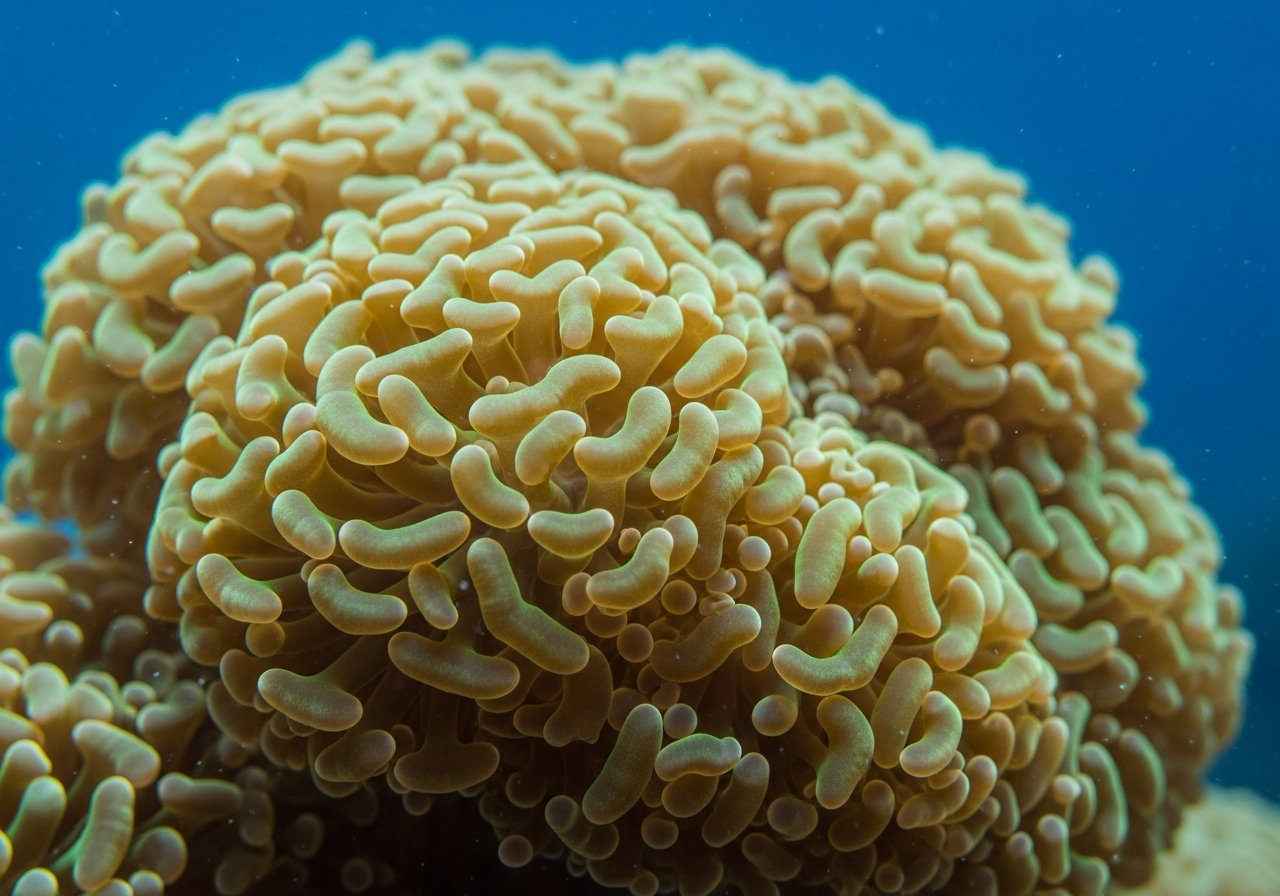
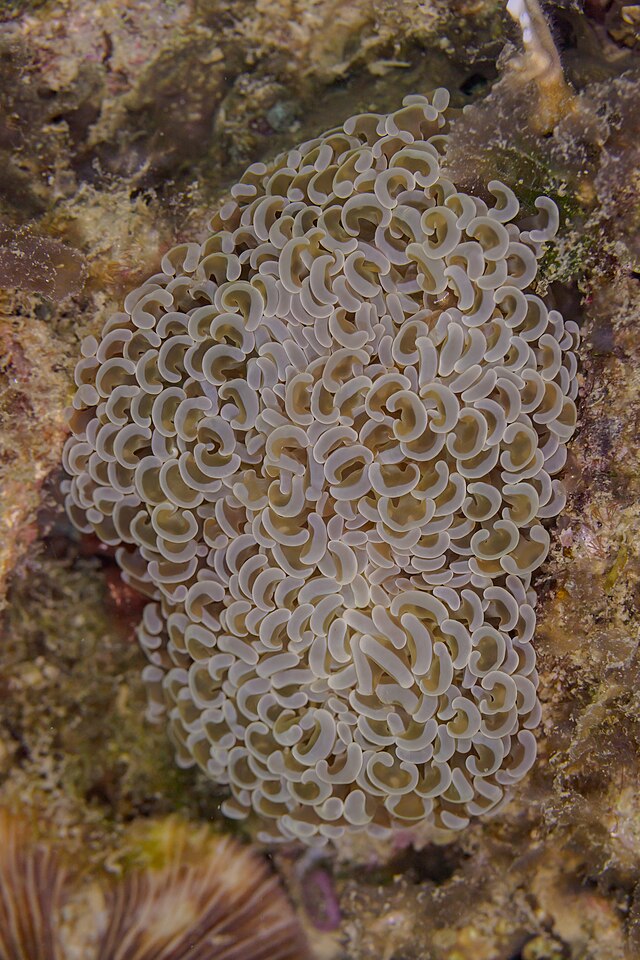
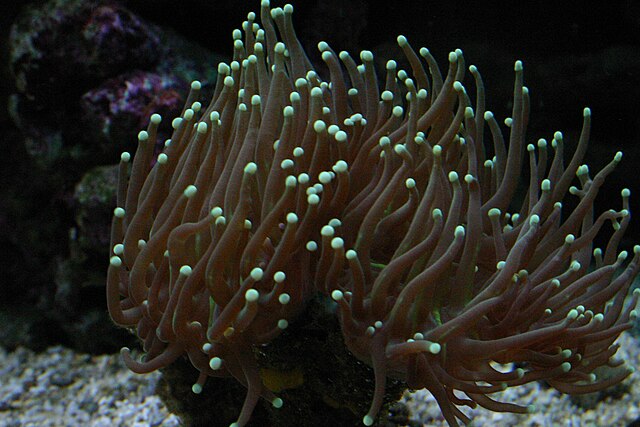
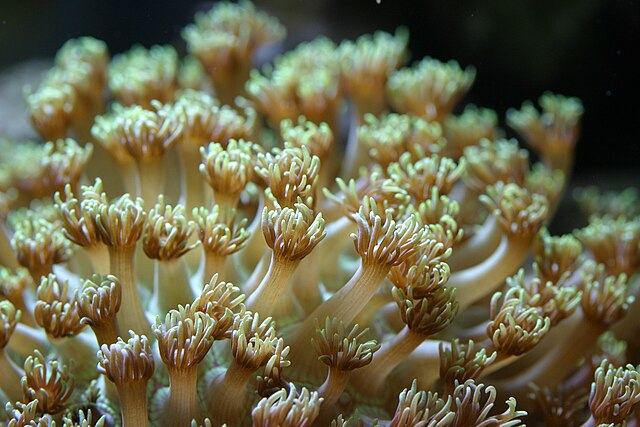
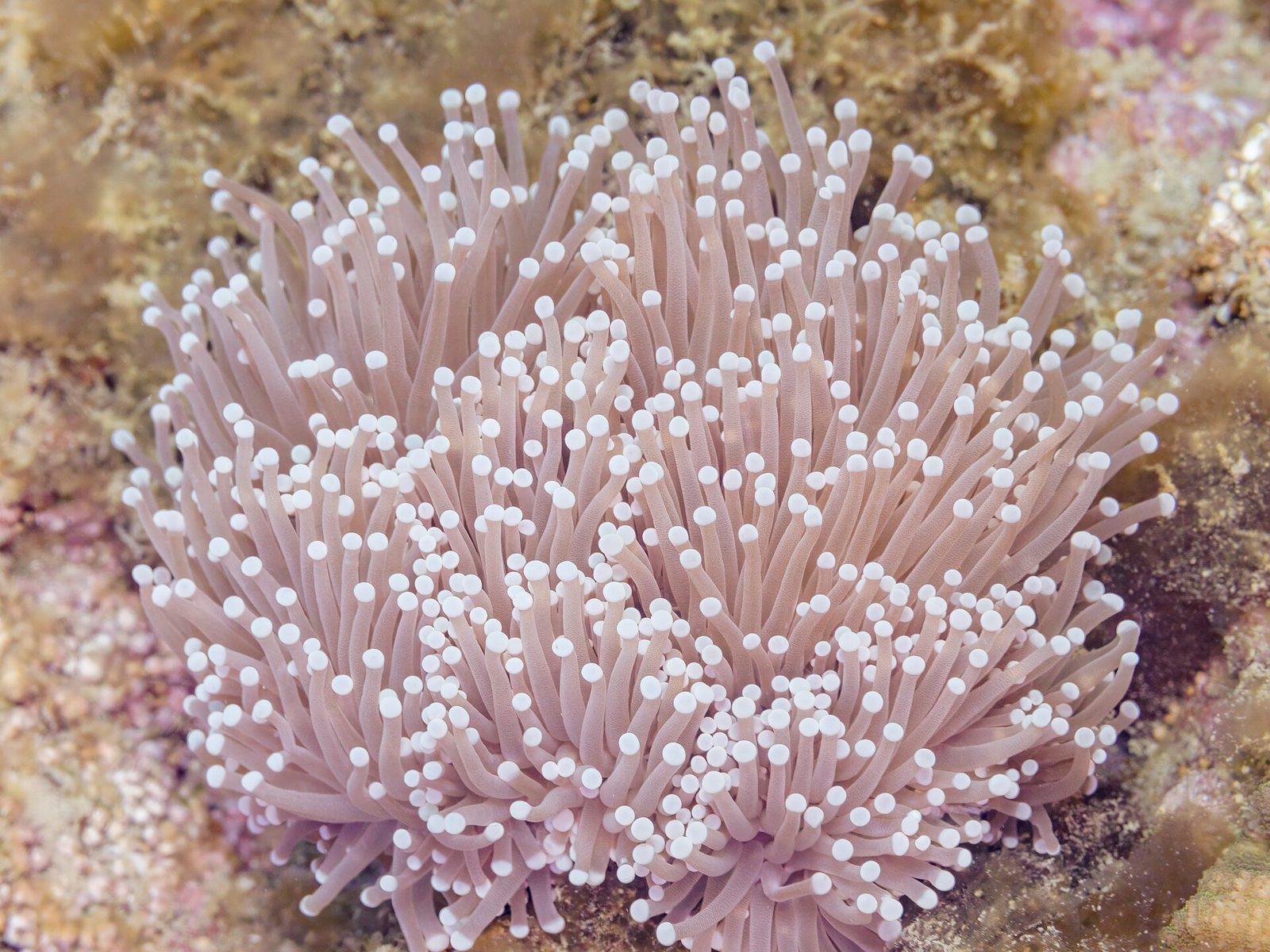
Within species grouped as LPS, responses to light are not uniform. Euphyllia species (Hammer, Torch, Frogspawn) tend to spread thick tentacles widely under moderate light intensity, while Goniopora, which keep their tentacles extended for both photosynthesis and feeding, prefer relatively stable light conditions. Conversely, Trachyphyllia (Open Brain corals), which live solitary on sand, tend to prefer soft light approaching from the surroundings over direct intense illumination. Since ecology differs even within the same "LPS" category, checking which group a species belongs to before purchase reduces failures.
PAR Value Guidelines and Placement Considerations
Most LPS corals are less prone to problems in mid-water or slightly lower positions where diffused light falls on them rather than direct light. Installing high-intensity LED lighting directly near the water surface can make conditions too bright for LPS, so softening the light through live rock shade or adjusting light fixtures is effective. Conversely, leaving them under insufficient light causes polyp extension to diminish and color derived from zooxanthellae gradually disappears. Similar to LPS Coral Flow Rate Management Guide, starting from an intermediate position and gradually adjusting while observing polyp extension and color changes over several weeks is the safer approach.
Relationship Between Light and Feeding Behavior
LPS corals obtain nutrients not only from photosynthesis but also from predation using their tentacles. If feeding is neglected under insufficient light, the energy budget tends to become negative. Conversely, even in environments with adequate light, regular feeding of LPS corals often improves growth and coloration stability. When considering lighting settings, thinking about feeding frequency alongside it makes balanced management easier without relying solely on light.
Acclimation When Changing Lighting
When replacing lighting equipment or changing installation position and photoperiod, avoiding sudden changes is important. Starting with a shortened photoperiod and gradually extending it over several days, or initially mounting new lighting with reduced intensity for the first few weeks, helps minimize stress through gradual acclimation. The characteristics of each LED, T5, and metal halide light described in Choosing Aquarium Lighting also serve as useful references for equipment selection and acclimation period planning.
Light Intensity Balance in Mixed Aquariums
When keeping SPS and LPS corals in the same aquarium, management becomes easier by being conscious of zones with different light intensities. Placing SPS corals requiring intense light in the upper layer near the water surface or high positions in the rock structure, and LPS corals in mid-water or slightly lower positions, or in places where intense light is softened by live rock shade, makes it easier to maintain environments suited to each group's preferences. Taking care not to place species with different light requirements at the same shelf height and position—as this tends to become a compromise where one is too bright and the other too dim.
Summary
LPS coral light management is not simply a matter of "the dimmer the better."
- LPS are not types for which "light is unnecessary," but rather many species struggle with overly intense direct light
- Euphyllia, Goniopora, and Open Brain types differ in their preferred light angles
- Start with intermediate light intensity and diffused light, then adjust while observing progress
- If light is somewhat insufficient, also maintain the perspective of supplementing energy balance through feeding
- When changing lighting, adjust photoperiod and installation position gradually
Building the light environment based on each species' ecology is the key to maintaining stable coloration and polyp extension over the long term.