Euphyllia Care | How to Keep Hammer, Torch, and Frogspawn Corals
Comprehensive guide to keeping Euphyllia (Hammer, Torch, Frogspawn, and more) with beautiful swaying tentacles. Covering lighting and water flow optimization, Brown Jelly disease prevention, and step-by-step fragging—all summarized for beginners.
Key Takeaways
Comprehensive guide to keeping Euphyllia (Hammer, Torch, Frogspawn, and more) with beautiful swaying tentacles. Covering lighting and water flow optimization, Brown Jelly disease prevention, and step-by-step fragging—all summarized for beginners.
Euphyllia is a popular group of LPS (Large Polyp Stony) corals whose swaying tentacles become the focal point of the aquarium. Hammer corals, Torch corals, and Frogspawn are among the varieties, captivating hobbyists with vibrant fluorescent greens and golds and graceful movement. Though relatively hardy, knowing their weaknesses allows for long-term enjoyment. The fleshy polyps extending over the skeleton change expression throughout the day-night cycle and can open widely after lights-off, making it important to plan your layout with space considerations and adequate distance between tankmates.
Tentacle Differences by Species
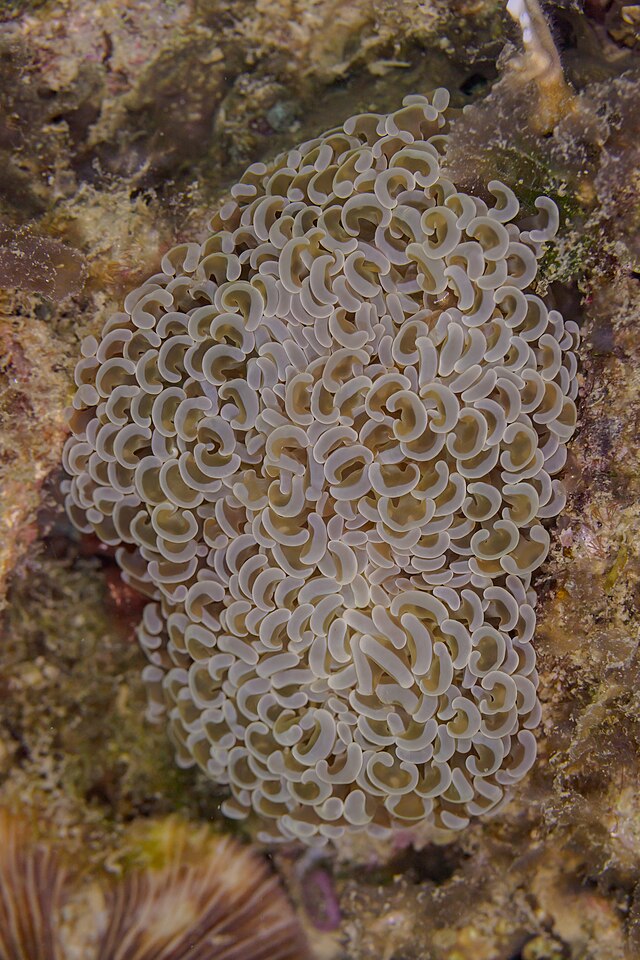
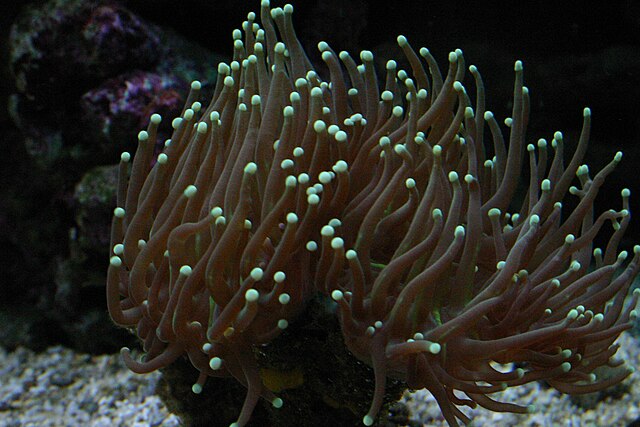
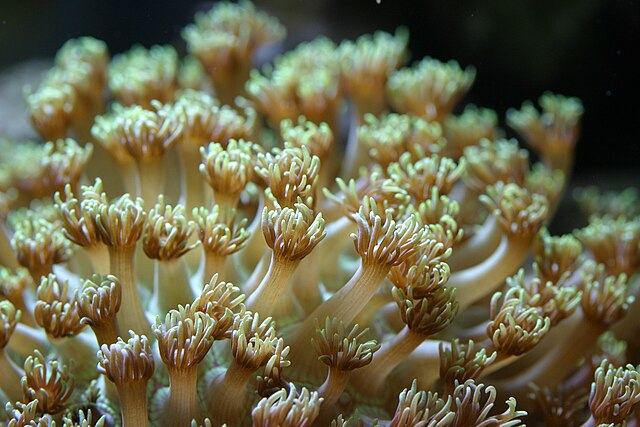
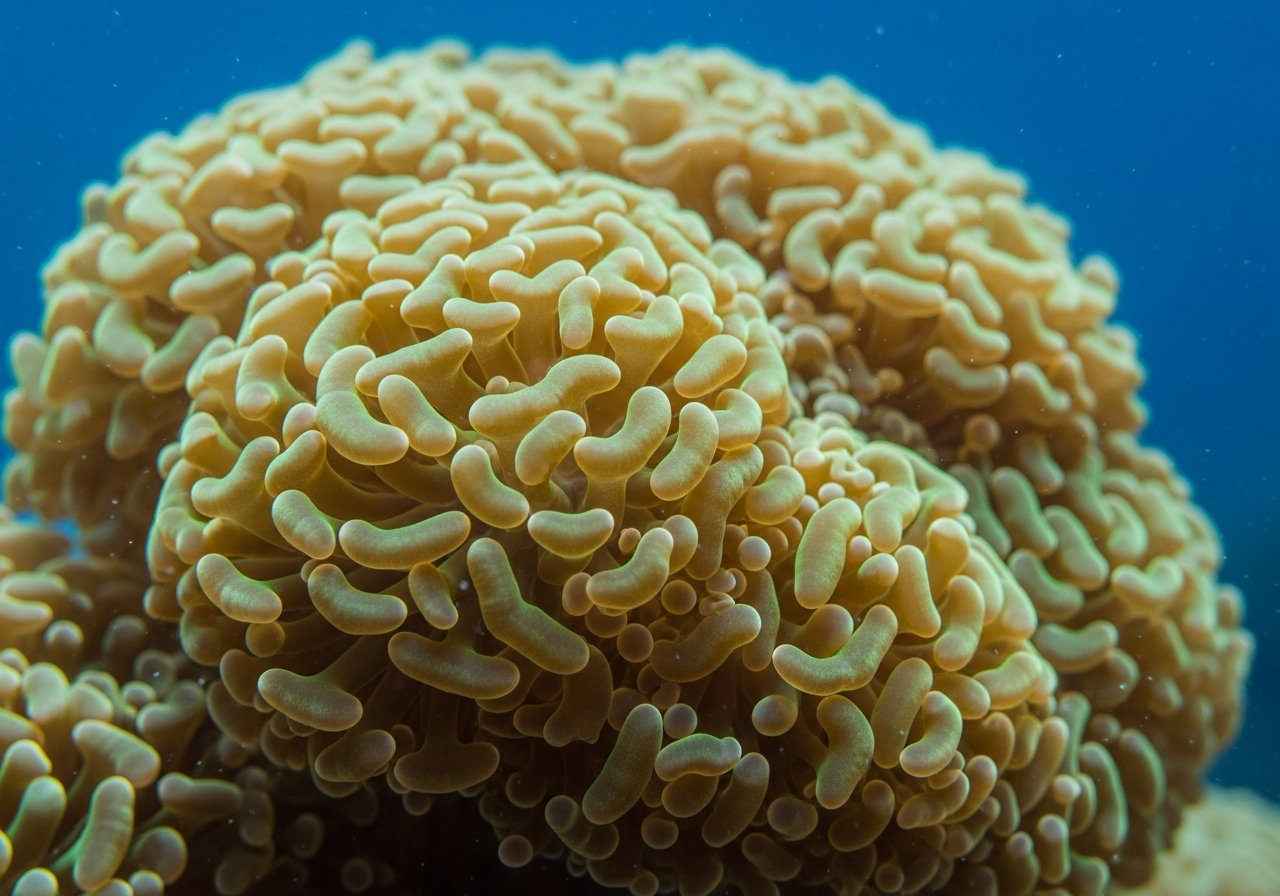
Hammer corals are characterized by hammer-shaped tentacle tips, Frogspawn by branching frond-like tentacles, and Torch by thin, elongated tentacles. Torch corals are particularly known for potent sweeper tentacles and require the most spacing from other corals. Even within the same genus, temperament varies, so be mindful of spacing needs for each type when arranging your layout.
Beyond appearance, skeleton growth patterns differ—Hammer and Frogspawn tend to branch and spread in colonies, while Torch typically grows in single or few-head formations. Identifying the type at purchase makes future layout adjustments and fragging easier to plan.
| Species | Tentacle Shape | Temperament |
|---|---|---|
| Hammer | Hammer-shaped terminal bulbs | Relatively docile |
| Frogspawn | Finely branching frond-like | Gentle but space-consuming |
| Torch | Thin, elongated with rounded tips | Potent sweeper tentacles |
Optimal Lighting and Water Flow
Euphyllia prefer moderate lighting (approximately PAR 100–150) and gentle, undulating water flow. The ideal state is when tentacles gently swell and slowly wave. Overly strong direct flow causes tentacles to retract and the coral to decline. If the coral retracts so much that the skeletal mouth is visible, review whether lighting or flow is too strong.
After initial placement, start with dimmed lighting and gradually acclimate over several weeks to minimize stress. Rather than fixing the pump in one direction, use an intermittent or randomized flow pattern to ensure even water distribution across the tentacles and prevent waste accumulation.
Water Quality and Parameter Management
LPS including Euphyllia prefer stable levels of alkalinity, calcium, and magnesium—elements essential for skeleton formation. Sudden parameter swings cause polyp recession, so add water and supplements gradually over time. During water changes, match temperature and specific gravity to tank values before adding water to avoid sudden changes. Excessive nitrate and phosphate also disrupt zooxanthellae balance, so make regular water quality testing a habit.
Brown Jelly Disease Prevention
Euphyllia's greatest weakness is an infectious condition called Brown Jelly disease. Tissue dissolves into brown jelly-like matter and, if left untreated, spreads rapidly throughout the colony. Injury or sudden environmental changes often trigger it, so handle carefully during introduction. If infected, isolate healthy tissue, rinse in clean water, and rescue it.
Early signs include exposed skeleton from dissolved areas and tissue edges that curl and lose clarity. Develop a habit of visually inspecting tentacle color and skeletal condition at each feeding or water change to catch problems early. To prevent spread to other corals, move suspicious specimens to a quarantine container and avoid sharing water flow or equipment with the main tank.
Feeding Guidelines
Euphyllia obtain nutrition both from zooxanthellae photosynthesis and by capturing food with their tentacles. Tentacles extend more after lights-off, so placing small food portions near them at this time makes feeding behavior easier to observe. Overfeeding degrades water quality, so feed only what is consumed and monitor for algae growth afterward. Many specimens can be maintained on light alone without feeding, so daily feeding is not necessary.
Propagation through Fragging
Branching Euphyllia can be propagated by carefully cutting divided skeleton sections with bone cutters. Cut at the base of the head, mount on a frag stand, and allow time for attachment. Work quickly to minimize tissue damage; after cutting, allow recovery in a gentle environment. Increased colonies offer opportunities for trading and sharing with other hobbyists.
Before cutting, stop flow to calm tentacles and confirm the skeleton section is solid—this reduces failures. Body fluids may seep from the cut, but continuing in clean water is fine. After fragging, reduce lighting and position frags away from direct flow, allowing time for tissue to encrust over the skeleton—this is key to success.
Layout and Tankmate Considerations
Euphyllia spread larger than expected when tentacles extend, so deciding layout based solely on appearance at purchase can lead to contact with other corals later. Torch sweeper tentacles especially can damage adjacent corals, so provide ample spacing anticipating mature spread. Some specimens extend tentacles longer at night, so periodically check the tank after lights-off to catch unexpected contact early.
Introduction and Daily Care
Acclimate new specimens carefully, lightly dipping if needed, before placement. Place away from other corals with adequate spacing, and avoid moving until tentacles fully open. During daily observation, check tentacle turgidity, color, and signs of tissue loss to catch problems early.
Drip acclimation—gradually adding tank water to the bag or bucket—minimizes stress from sudden water quality or temperature changes. After placement, tentacles may remain retracted for a while, but avoid moving the coral and allow time for acclimation. Even after acclimation, minimize vibration and disturbance when adjusting layout or cleaning—this is key to long-term success.
Euphyllia are the stars of reef aquariums, combining elegance with ease of care. With proper lighting, flow, and Brown Jelly disease prevention, swaying tentacles bring life to your tank. Challenge yourself to frag and cultivate your own thriving colonies. Daily observation habits lead to both early problem detection and long-term success.