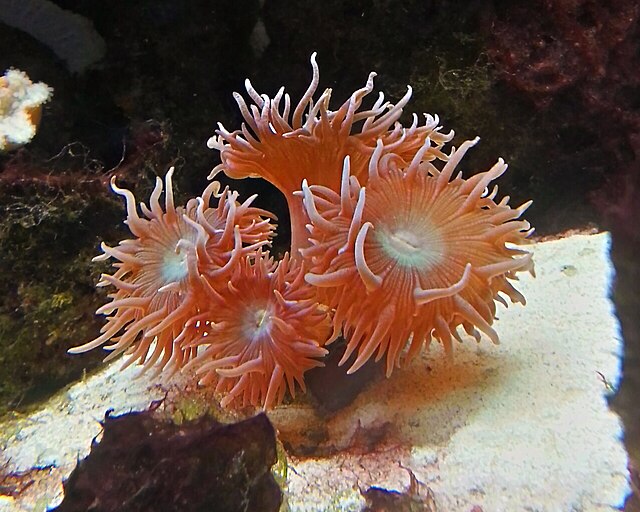
LPS Coral Feeding | Target Feeding Methods and Frequency
Explains the basic procedures for target feeding LPS corals, including feeding frequency and portion guidelines, and precautions when feeding.
Key Takeaways
Explains the basic procedures for target feeding LPS corals, including feeding frequency and portion guidelines, and precautions when feeding.
Why LPS Corals Need Feeding
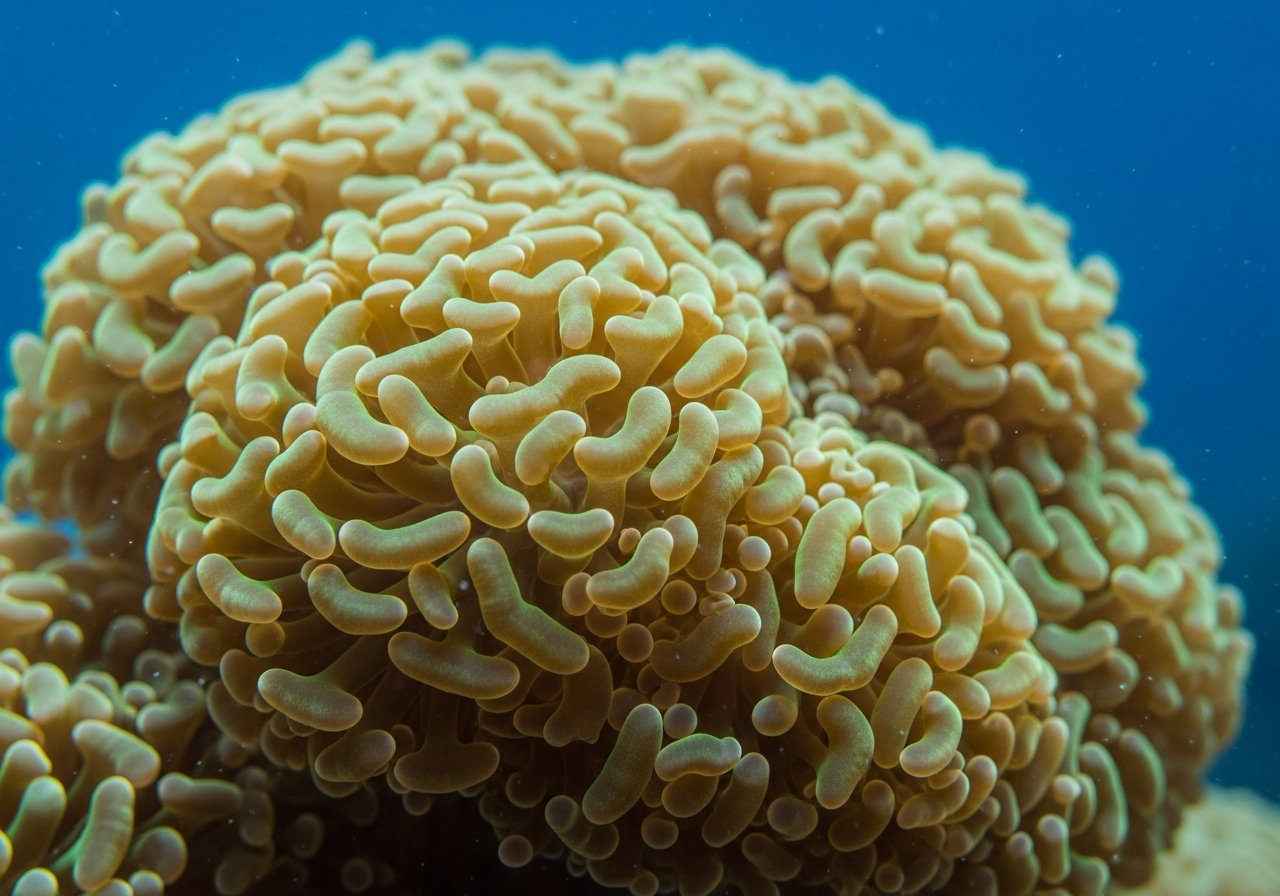
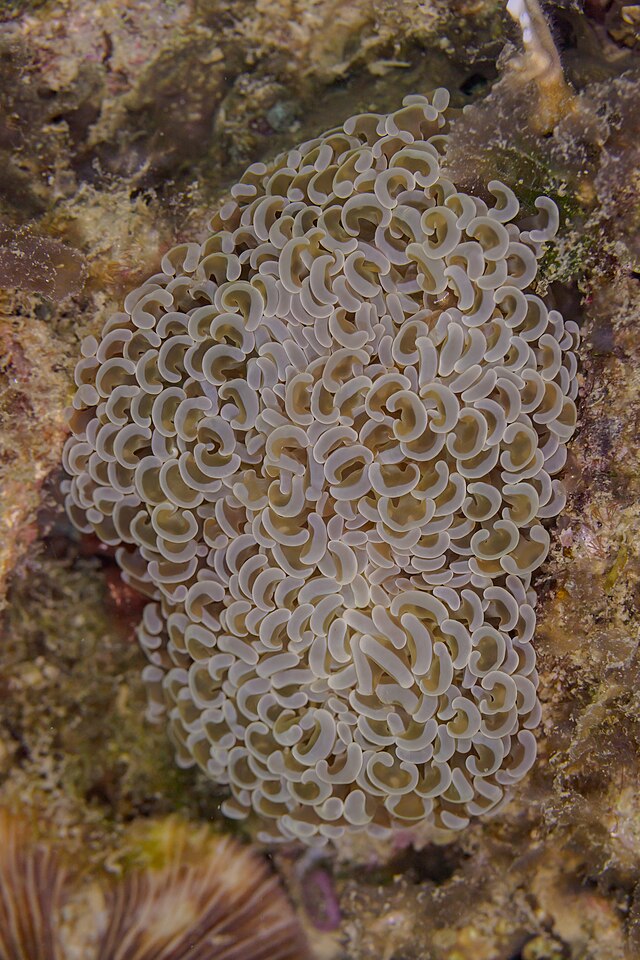
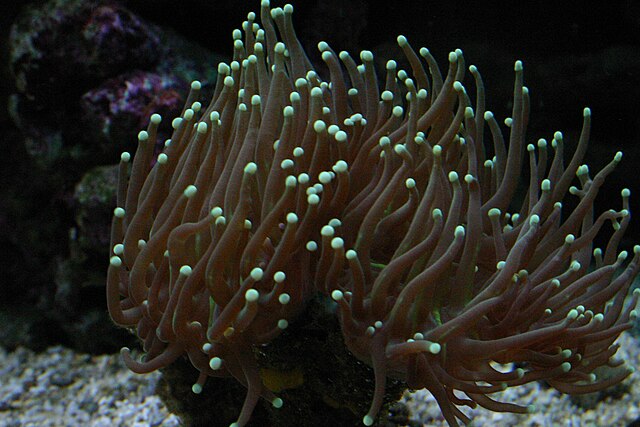
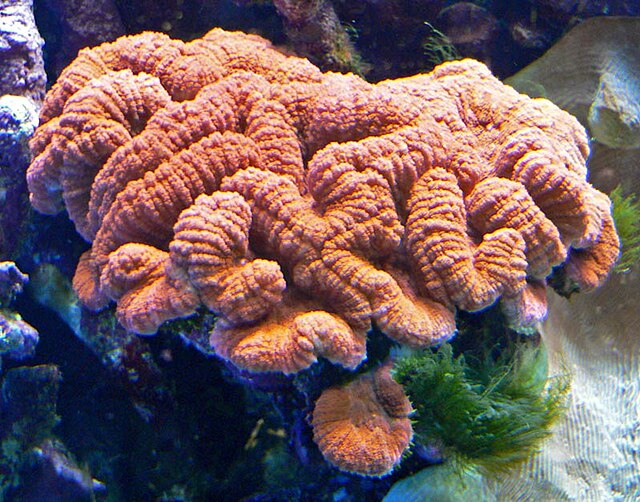
LPS (Large Polyp Stony corals such as hammer corals and torch corals with thick, fleshy tentacles) rely primarily on photosynthetic products from symbiotic zooxanthellae living within their tissues, but they also capture zooplankton and other animal matter with their tentacles to supplement their nutrition. Many specimens benefit from direct nutrient intake through feeding, which often leads to better polyp inflation, more vibrant coloration, and more stable growth rates compared to relying on light alone. Species with particularly well-developed tentacles show especially clear responses to feeding, making it one of the pleasures of keeping these corals. As discussed in LPS Coral Basics | Robust and Colorful Popular Species and Key Care Points, while many LPS species are hardy and easy to maintain, they are a group where feeding has a noticeable impact on the specimen's condition.
Basic Procedures for Target Feeding
Target feeding is a method in which food is delivered directly to the tentacles of a specific coral using a pipette or tweezers, rather than spreading food throughout the entire tank. First, temporarily reduce or stop the water current to prevent the food from being swept away. Next, bring the tip of the pipette close to the tentacles and slowly release the food in small amounts. When the tentacles sense the food, you can observe them curl around it and move it toward the mouth. If the food is not carried all the way to the mouth, gently nudging it toward the center of the tentacles with tweezers makes it easier for the coral to consume. After feeding, keep the water current reduced for about tens of minutes and monitor digestion before returning to normal flow.
Differences in Feeding Response by Species
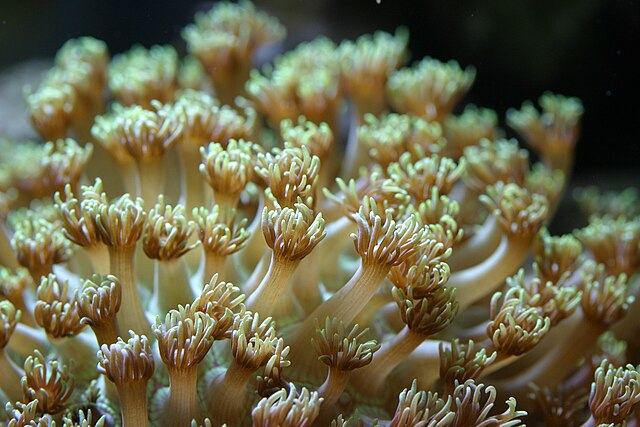
Different LPS species show varying responses in their tentacle movement and feeding response. Hammer corals, torch corals, and frogspawn corals discussed in Euphyllia Care | How to Cultivate Hammer, Torch, and Frogspawn have long, extended tentacles, so they respond readily when food is presented near the tentacle tips. For species like Duncan corals that spread their tentacles in colonies, it's best to spend a bit more time rotating the food to ensure each polyp receives adequate feeding. Species like sun corals, which have few zooxanthellae and rely little on photosynthesis, expanding their tentacles widely to capture prey at night, center their nutrition around feeding itself, so it's important to note that the presence or absence of feeding directly affects their condition.
Feeding Frequency and Portion Guidelines
Feeding frequency varies depending on the species, specimen size, and total bioload in the tank, but most keepers feed several times per week within a manageable range. The amount given at one time should be limited to what the tentacles can consume within a few minutes, ensuring no food waste remains floating in the water. Overfeeding can easily lead to water quality deterioration, while underfeeding reduces nutritional benefits, so it's best to adjust portions based on the specimen's response and polyp inflation. If the polyps return to their normal size after feeding and continue to maintain good tentacle tone, it's easy to determine that the feeding frequency and amount are appropriate for that specimen. Conversely, if the polyps remain closed for extended periods after each feeding, this is a sign that you should reconsider the portion size and feeding interval.
Water Quality Management and Precautions During Feeding
After feeding, water quality can be temporarily affected by leftover food particles and waste products. It's important to regularly check that filtration equipment such as protein skimmers is functioning properly and to ensure that feeding frequency and amount do not exceed the tank's processing capacity. Additionally, immediately after feeding, multiple LPS may extend their tentacles and easily touch neighboring corals, so paying attention to spacing as discussed in LPS Coral Placement and Cohabitation | Spacing Considerations to Avoid Sweeper Tentacles and Contact Aggression provides added peace of mind.
Decision-Making When Feeding Isn't Going Well
If the tentacles do not respond to feeding attempts or the coral appears to be in poor condition after feeding, first check whether other factors such as water quality, water flow, and light intensity are problematic. If there is still no improvement or unclear symptoms persist, rather than continuing self-treatment, it is recommended to consult with staff at an aquarium specialty store, experienced hobbyists, or if necessary, a veterinarian who treats marine fish. Basic care conditions can be found in LPS Coral Basics, and characteristics of each species in the encyclopedia can be checked in Coral Encyclopedia, so please use them as reference material for your feeding decisions.