LPS Coral Placement & Coexistence | Spacing Considerations to Avoid Sweeper Tentacle Contact & Aggression
A guide to the mechanisms of contact aggression between LPS corals (including sweeper tentacle attacks and mesenterial filament attacks), placement and spacing strategies based on species-specific aggression patterns, and steps to take if contact occurs.
Key Takeaways
A guide to the mechanisms of contact aggression between LPS corals (including sweeper tentacle attacks and mesenterial filament attacks), placement and spacing strategies based on species-specific aggression patterns, and steps to take if contact occurs.
Why LPS Coral Placement Requires Careful Consideration
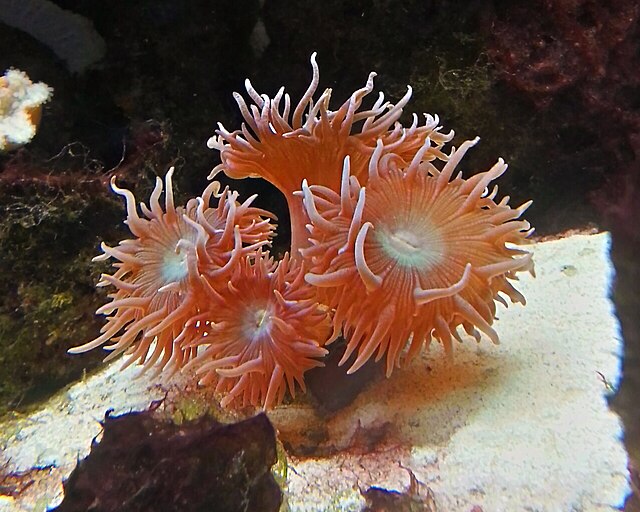
LPS (Large Polyp Stony) corals, exemplified by Euphyllia, are a group characterized by large, fleshy tentacles. Despite their visual beauty, many species are notably aggressive toward neighboring corals. For sessile organisms, tentacle and digestive tissue-based attacks are survival strategies to secure territory, light, and water flow—requiring special attention in the confined space of an aquarium.
Arranging corals based solely on their visible size can be problematic. After growth or at night, tentacles often extend far beyond expectations, potentially damaging adjacent specimens. To maintain long-term tank stability, spacing decisions should be based on understanding each species' aggression characteristics.
What Are Sweeper Tentacles?
Sweeper tentacles are specialized tentacles that extend beyond the normal feeding tentacles, probing the surrounding area. They typically elongate at night after lights are off, attacking adjacent corals and live rock through nematocyst discharge. Judging safe spacing based only on daytime polyp extension can lead to overlooking the reach of nighttime sweeper tentacles.
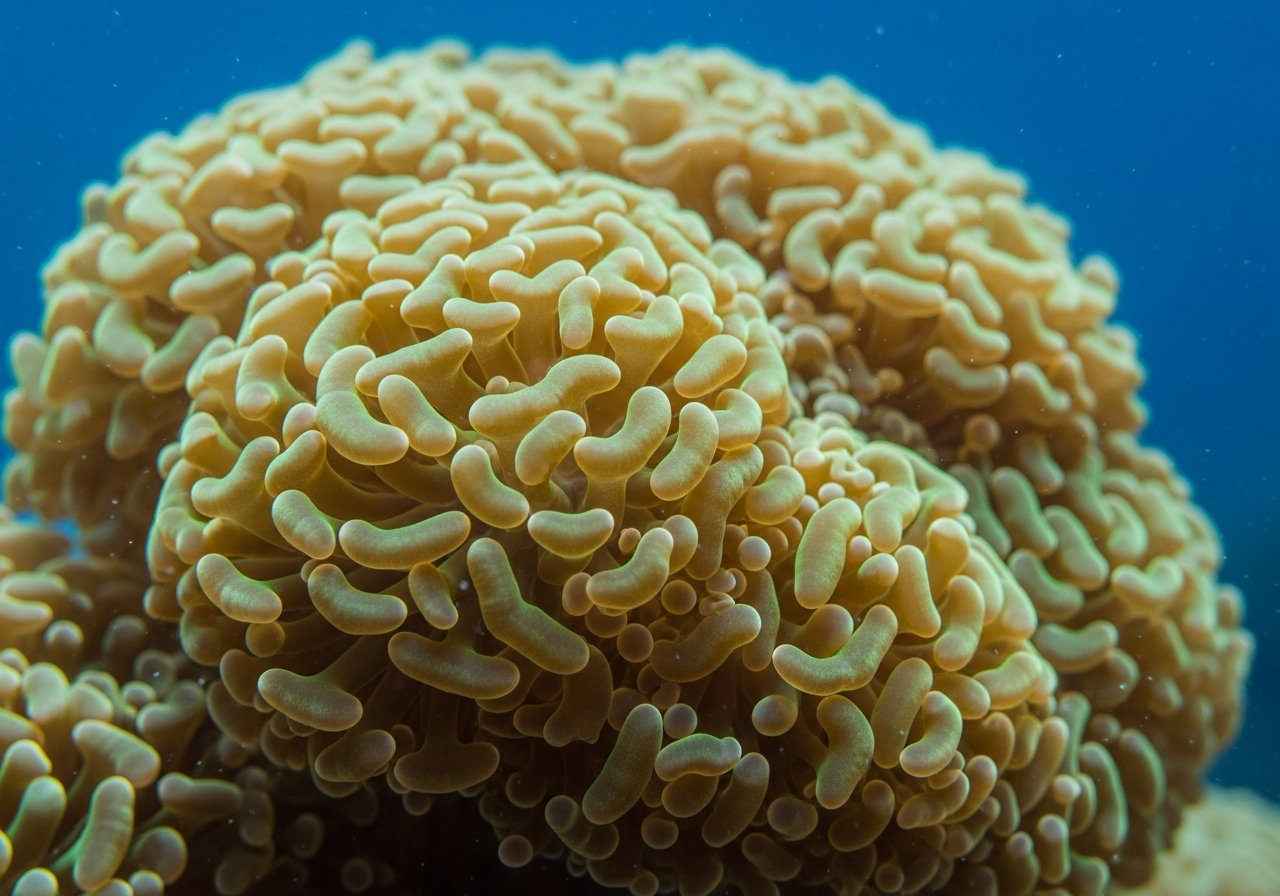
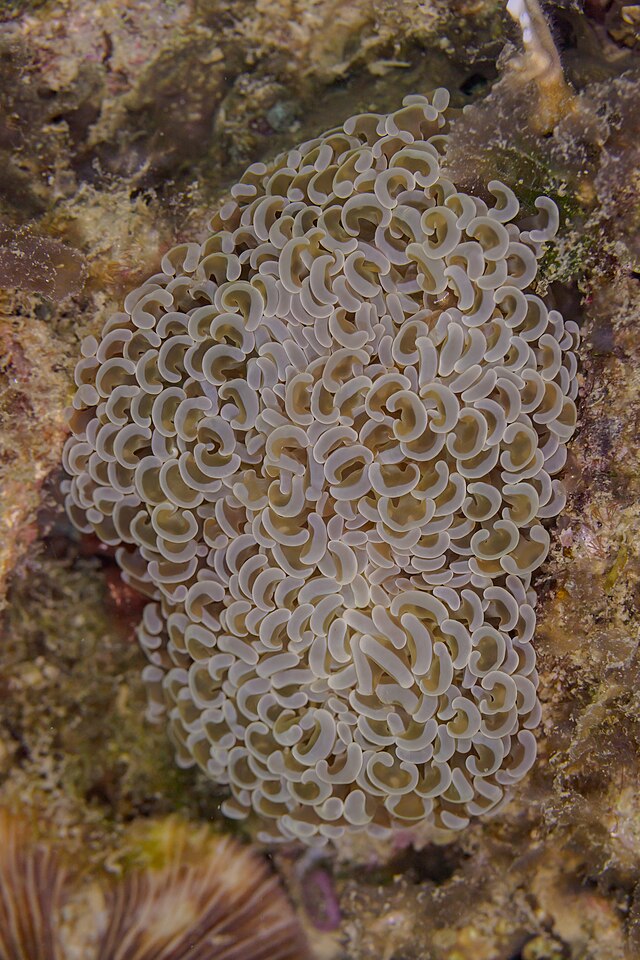
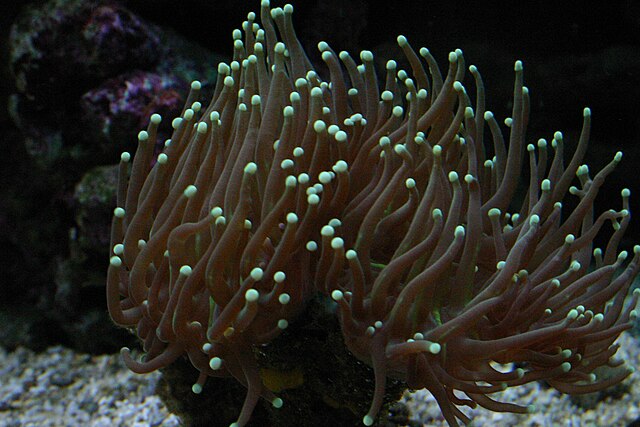
Euphyllia-group LPS corals such as Hammer coral, Torch coral, and Frogspawn are known for their long-reaching tentacles. Placement should account not just for current size, but for the potential reach after growth.
Another Type of Contact Attack: Mesenterial Filament Attacks
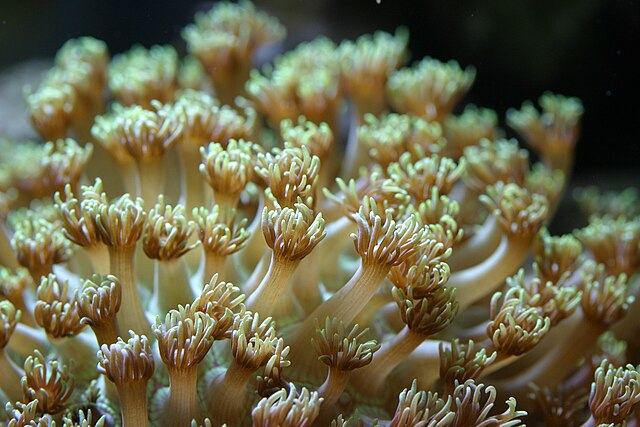
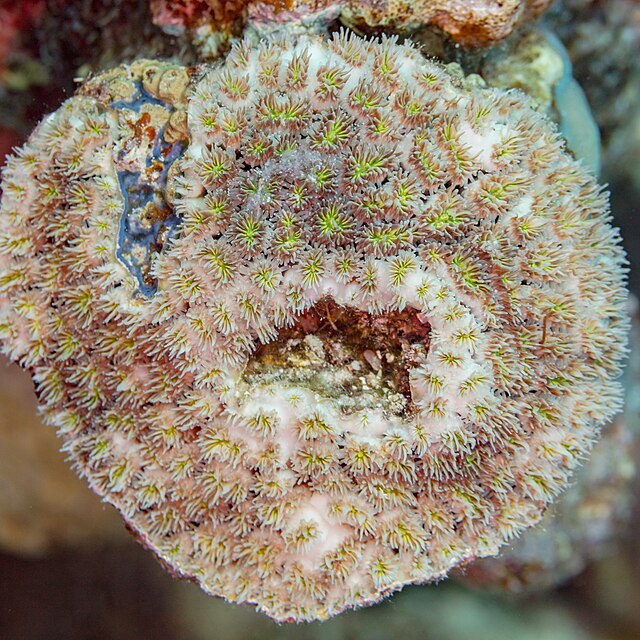
In addition to nematocyst attacks via sweeper tentacles, some LPS corals are known to extend mesenterial filaments from their digestive tissue and attempt to directly digest neighboring coral tissue. Galaxea and Hydnophora are often noted as particularly aggressive groups. Due to their intense aggression toward neighbors, they should be considered for near-solitary placement in the aquarium layout.
Species-Specific Aggression Guidelines and Spacing Considerations
Not all LPS corals are equally aggressive; tentacle length and aggression vary by species. More aggressive species require greater spacing, while less aggressive species can be arranged with slightly tighter spacing. Individual variation and tank conditions affect behavior, so the safest approach is to start with generous spacing and adjust gradually while observing growth and activity.
While specific distances depend on tank size and specimen size, the practical standard is "far enough that fully extended tentacles don't reach neighbors." Fast-growing species should have extra buffer space from the start. In space-limited tanks, avoid placing aggressive species together. Instead, combine less aggressive corals or create gentle barriers with live rock to limit tentacle reach.
In small tanks especially, misjudging final size can force a complete redo in a few months. Planning spacing with mature size in mind from purchase saves future work.
Practical Checklist for Designing Placement
When planning layout, observe not just daytime appearance but also how far tentacles extend at night with lights off. Current direction is also critical—if neighbors are in the direction tentacles flow, contact may occur at closer distances than expected. Adjusting pump direction to prevent aggressive species' tentacles from flowing across the whole tank reduces unexpected contact injuries.
What to Do If Contact Occurs
If the attacked coral shows bleaching or tissue recession, immediately increase distance between corals to prevent further contact. If possible, temporarily isolate the affected coral and observe wound recovery. If recovery doesn't occur or symptoms spread to other corals, water quality issues may be involved. Consult aquarium specialists or experienced saltwater/coral hobbyists and consider redesigning the entire layout.