Why Dendronephthya (Tree Corals) Are Difficult to Keep | The Nature of Non-Photosynthetic Soft Corals
Dendronephthya, a vibrantly colored branching soft coral, does not harbor zooxanthellae and survives by feeding on microparticles in the water, making it difficult to keep. We explain feeding, water flow compatibility, water quality considerations, and how to distinguish it from photosynthetic soft corals.
Key Takeaways
Dendronephthya, a vibrantly colored branching soft coral, does not harbor zooxanthellae and survives by feeding on microparticles in the water, making it difficult to keep. We explain feeding, water flow compatibility, water quality considerations, and how to distinguish it from photosynthetic soft corals.
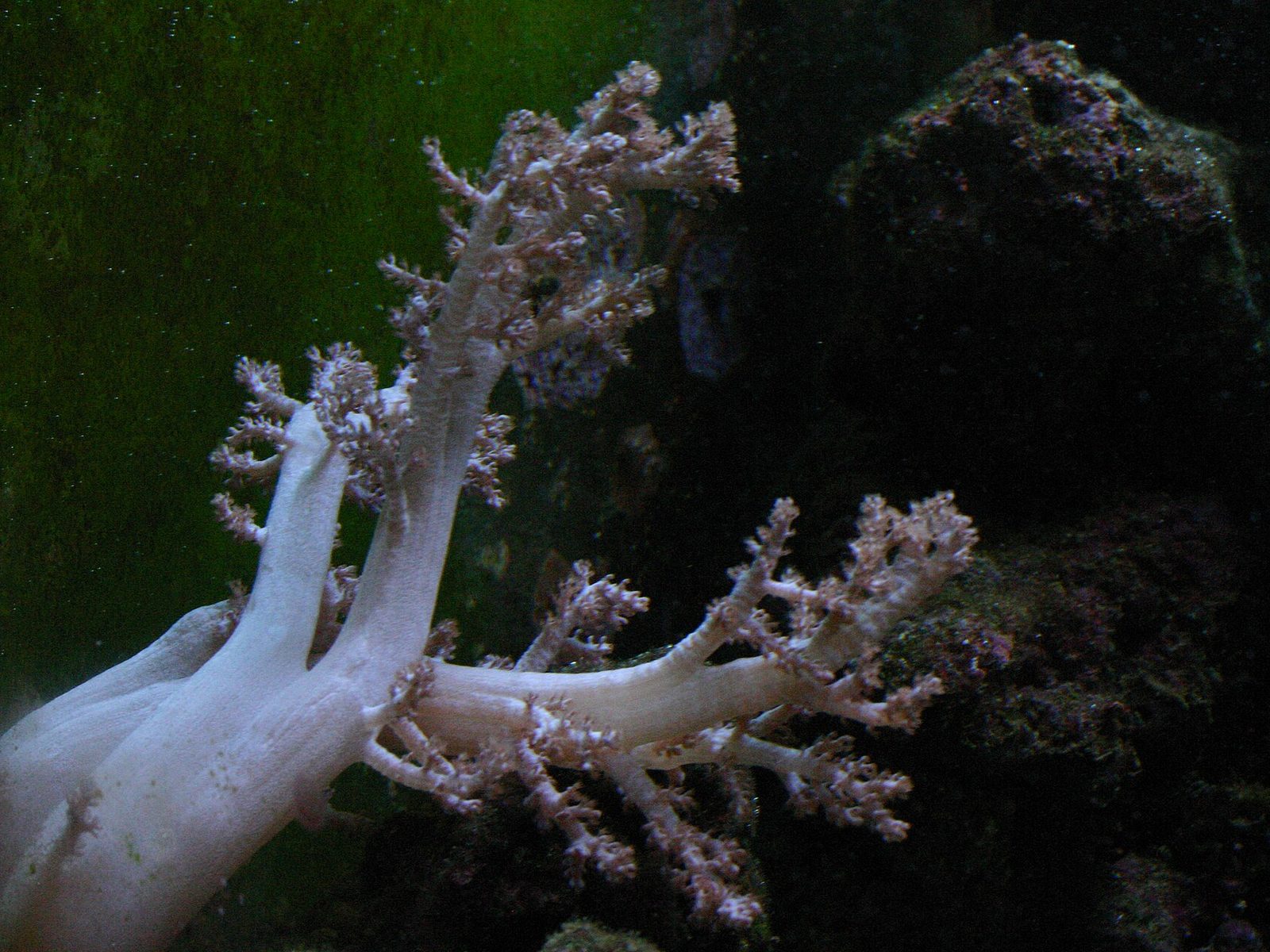
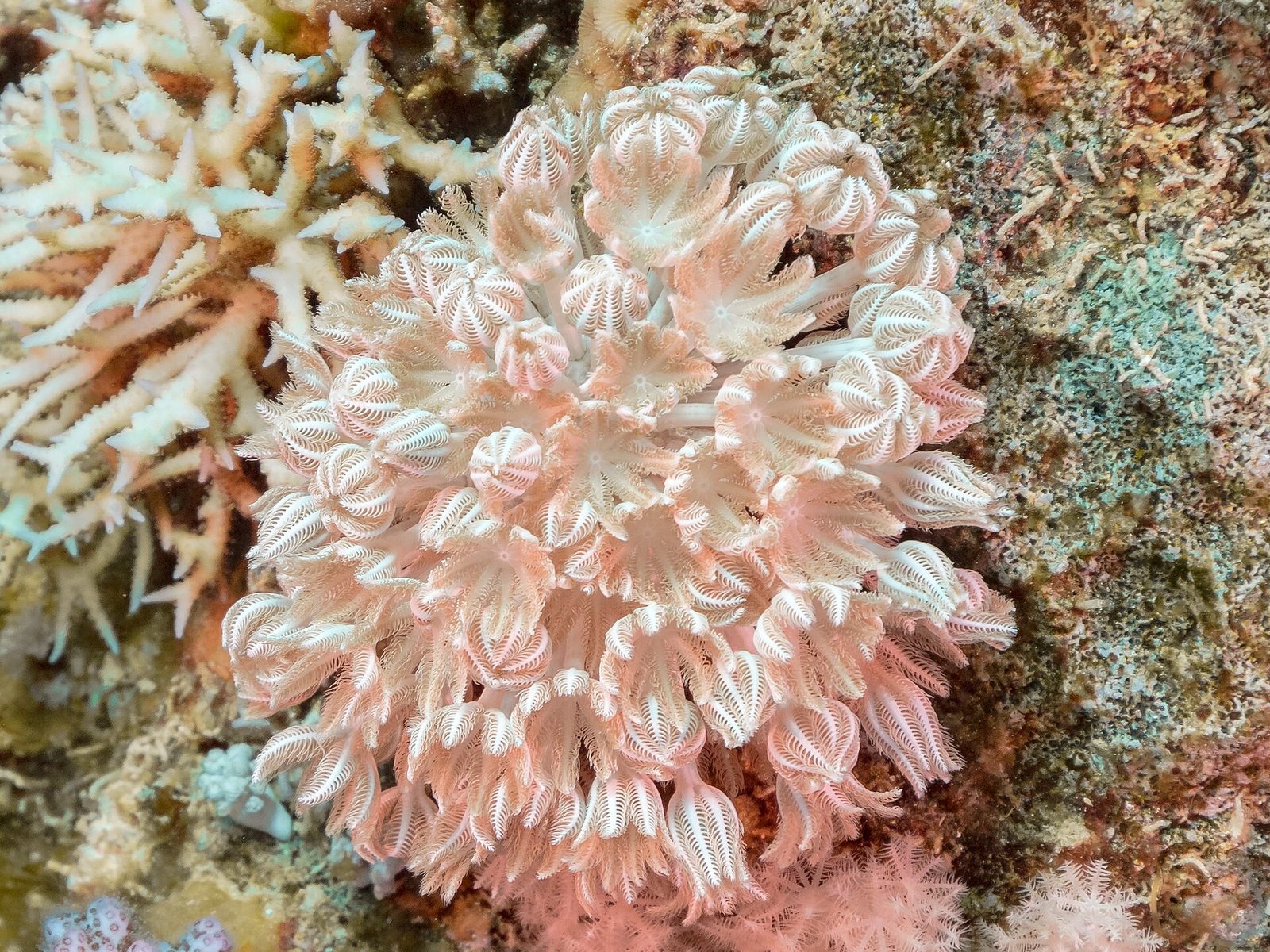
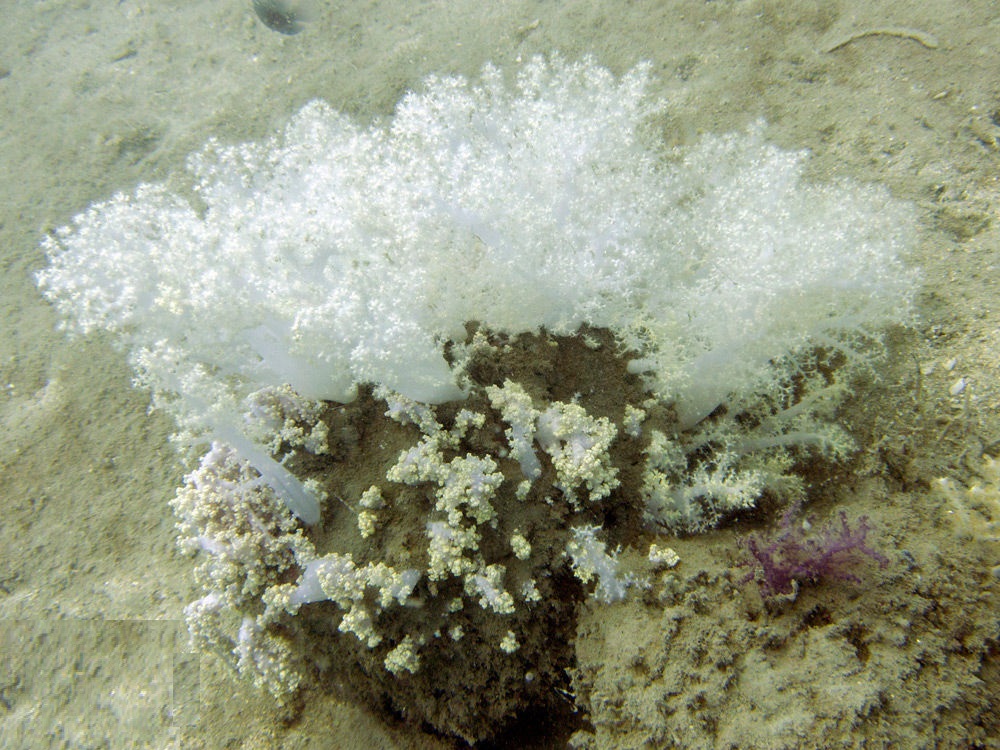
Dendronephthya (tree corals) is a soft coral that captures attention whenever seen in shops or photos, with vibrant colors ranging from red, pink, orange, and yellow, and grows by spreading its branches. However, even among those experienced in keeping marine fish and corals, long-term care is considered difficult. The reason can be summed up in one phrase: because it is a creature that survives without relying on photosynthesis.
In this article, we will organize the reasons why Dendronephthya is considered difficult to keep: how it obtains nutrition, feeding and water flow, water quality compatibility, and the nature of its body structure. We will also touch on how to distinguish it from photosynthetic soft corals that are kept under lighting. We hope this serves as a reference when considering purchase or care.
Dendronephthya Does Not Harbor Zooxanthellae—A Non-Photosynthetic Coral
Many reef-building corals and soft corals harbor zooxanthellae, microscopic algae within their tissues. Zooxanthellae undergo photosynthesis when exposed to light, and are believed to transfer part of the resulting products to their host coral. This mechanism is covered in detail in an article explaining the symbiosis between corals and zooxanthellae.
Dendronephthya, however, does not have this symbiotic relationship. For this reason, even strong lighting will not provide nutrition. Instead, capturing and consuming microscopic particles floating in the water is considered its primary means of survival. This is a major difference from familiar soft corals such as leather corals and toadstool corals.
Photosynthetic soft corals can often be maintained with relatively little effort by providing appropriate lighting, water flow, and stable water quality. Dendronephthya, on the other hand, does not follow the principle that "providing good lighting will allow it to thrive"—the approach to care itself must be fundamentally different.
What to Feed and How Much
For non-photosynthetic corals, food is literally a lifeline. In the natural ocean, it is believed that tidal currents constantly deliver phytoplankton and organic microparticles. In an aquarium, humans must take on the responsibility of providing this supply.
Here are some commonly discussed points about feeding.
- Particle size should be extremely small. Since the polyps are small, large particles are thought to be difficult to consume
- Feeding frequency is often discussed as giving small amounts multiple times rather than large amounts at once
- Phytoplankton-based and finely particulate feeds are good candidates. Since specific products and dosages vary with tank size, it is best to consult with a specialty shop
- After feeding, observe whether the polyps open and check for signs of feeding behavior
There is no single correct answer regarding particle size and feeding frequency—opinions vary among aquarists. An article on dosing phytoplankton and copepods may also be helpful as reference.
Water Flow as the Delivery System for Food
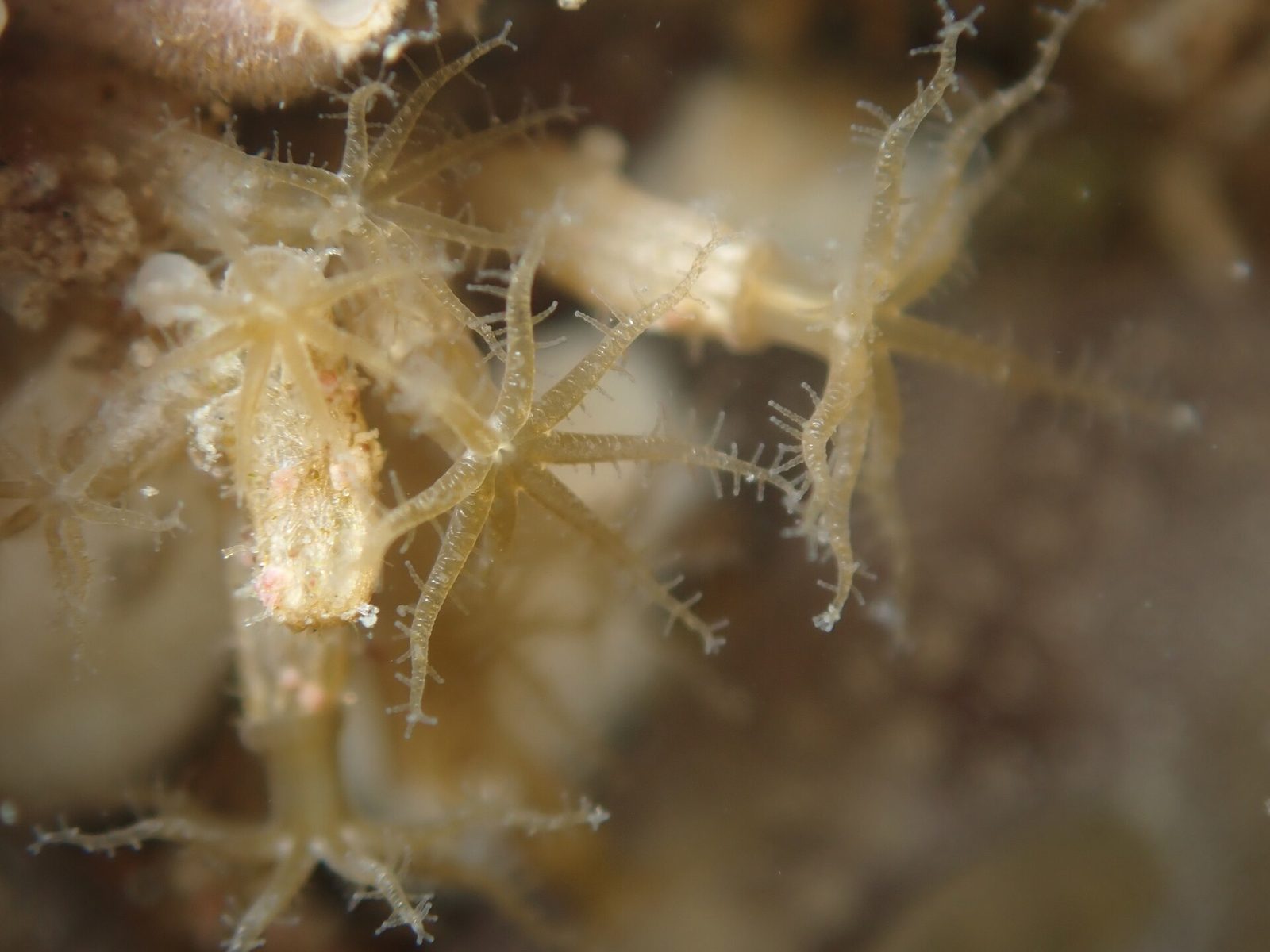
Dendronephthya cannot actively pursue food. It is thought to spread the polyps at the branch tips and feed by catching particles carried by the current. For this reason, how the water flow impacts the coral greatly affects the effectiveness of feeding.
If the flow is too weak, food may sink to the bottom or be drawn into the filter before reaching the polyps. Conversely, if too strong, the polyps may remain closed and feeding becomes impossible. The ideal is to create a flow that carries particles evenly throughout the branches, but the optimal conditions vary depending on tank shape and equipment placement.
Basic principles of water flow are covered in a guide to water flow for soft corals. With Dendronephthya, it is especially important to think of water flow and feeding as a connected system, more so than with photosynthetic soft corals.
Incompatibility with Low-Nutrient Aquariums
This is considered one of the most challenging aspects of keeping Dendronephthya. Coral aquariums typically maintain low levels of nutrients such as nitrate and phosphate. However, when feeding Dendronephthya, uneaten food and waste products remain in the water and tend to raise nutrient levels.
In other words, the desire to feed adequately conflicts with the desire to maintain clean water quality. In tanks housing other corals, feeding Dendronephthya may contribute to algae growth and affect the health of other corals.
Approaches to managing nutrients in soft coral tanks generally are discussed in an article on nutrient balance for soft corals. When considering Dendronephthya, options such as using a dedicated tank or increasing the capacity of protein skimmers and filtration are sometimes mentioned, but none can be considered a guaranteed solution.
The Nature of a Soft-Bodied Organism Without a Skeleton
Dendronephthya does not have a hard skeleton like stony corals; instead, its body is supported by soft tissue. While it contains small structures called sclerites within its body, overall it is a soft body containing a high water content.
This nature is believed to have the following effects.
- The body is easily damaged, and tissue may be injured during transport or handling
- When its condition declines, tissues break down easily and its state may change rapidly
- It has limited attachment options, and care may be needed to secure and position it
Due to these characteristics, examples of Dendronephthya gradually shrinking or its branches withering after introduction are commonly cited as reasons for the difficulty in keeping it. However, outcomes vary depending on the individual specimen and environment, so generalizations cannot be made.
How to Distinguish It from Photosynthetic Tree Corals and Leather Corals
Here are some guidelines for distinguishing Dendronephthya from other soft corals when shopping. However, it cannot always be identified with certainty by appearance alone.
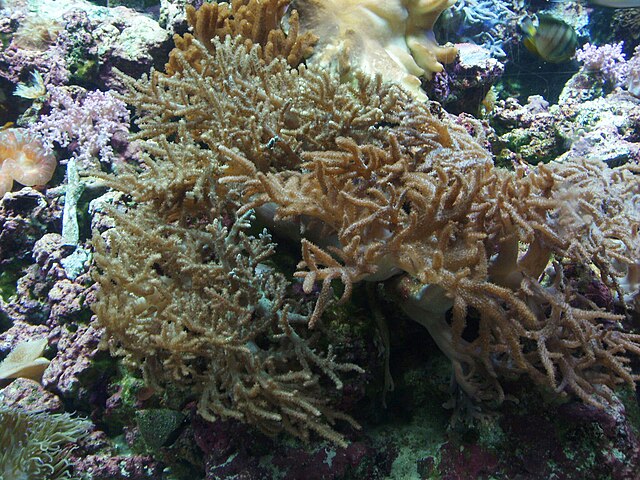
First, consider color impression. Photosynthetic soft corals tend to have brownish or greenish tones due to the pigments of zooxanthellae. In contrast, Dendronephthya tends to display vibrant colors with little brown tone, such as red, pink, orange, and yellow.
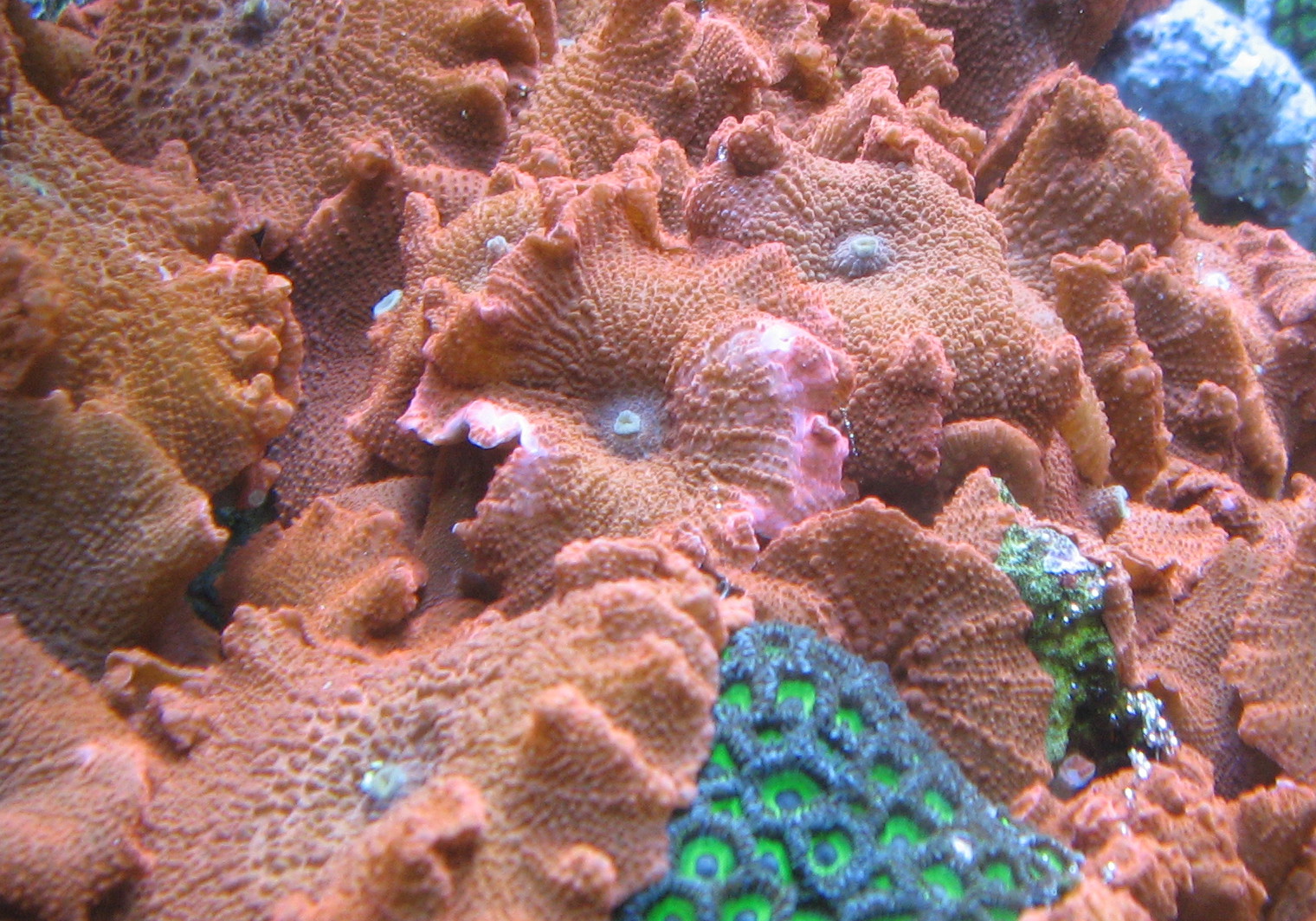
Next, consider shape. Dendronephthya has fine branching and a tree-like form, while leather corals have a mushroom or umbrella-like shape and are known as a photosynthetic species. General care for leather corals is covered in a care guide for leather corals. Photosynthetic toadstool corals and Kenya tree corals, which also grow in a tree-like form, require different care approaches than Dendronephthya.
It is important to note that even if corals look similar, their care requirements can differ significantly. If the species is unclear, it is best to confirm with a shop staff member or someone knowledgeable about corals.
Things to Consider Before Obtaining One
Dendronephthya is a coral best considered carefully after understanding what it eats, how to feed it, and how it affects water quality—rather than obtaining it on impulse because of its beautiful colors. One approach is to first gain experience managing tanks with photosynthetic soft corals and develop skill in controlling nutrients and water flow before attempting Dendronephthya.
If its condition appears to decline, do not make drastic environmental changes on your own; instead, consult with a specialty shop or experienced aquarist knowledgeable about corals and saltwater aquariums. The cause may involve multiple factors—feeding, water flow, and water quality—and cannot be attributed to a single element.
When looking up coral species, you can also use the coral guide. Simply understanding that Dendronephthya is non-photosynthetic should change your perspective on how to care for it.