Keeping Sea Mushrooms and Leather Corals | How to Care for Typical Tree-form Soft Corals
Explains the characteristics of representative leather corals such as sea mushrooms and leather corals, and clarifies the basic care points including light intensity, water flow, and shedding.
Key Takeaways
Explains the characteristics of representative leather corals such as sea mushrooms and leather corals, and clarifies the basic care points including light intensity, water flow, and shedding.
Sea mushrooms and leather corals are popular as hardy, easy-to-care soft corals. Unlike hard stony corals with rigid skeletons, they have soft, fleshy tissue throughout their bodies, and their distinctive form adds three-dimensional depth to aquarium layouts. This guide organizes the basic characteristics and care points for sea mushrooms and leather corals, representative tree-form soft corals.
What Are Sea Mushrooms and Leather Corals?
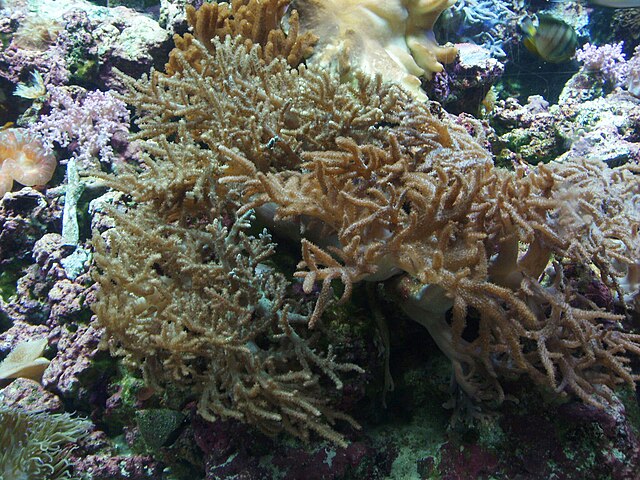
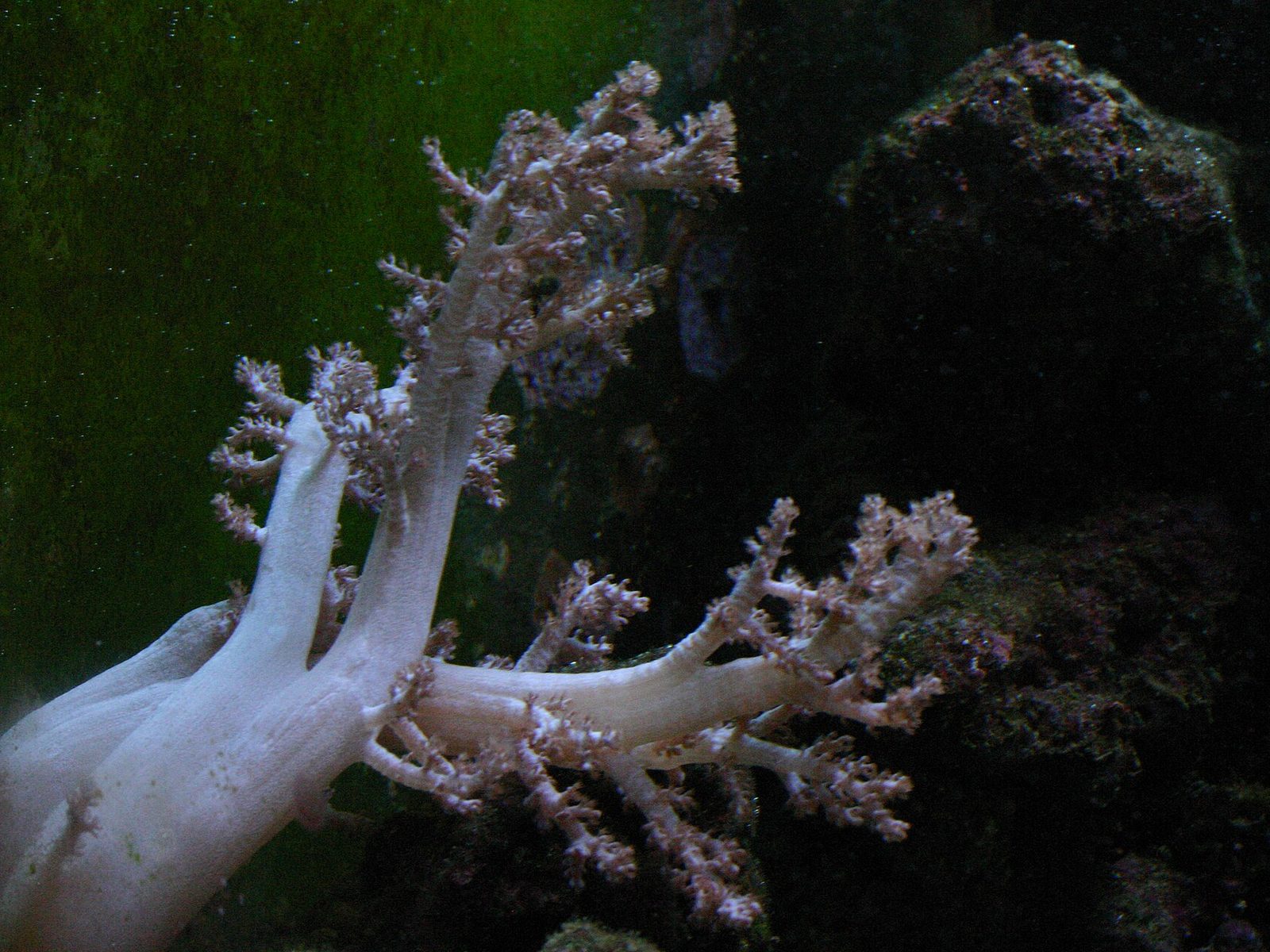
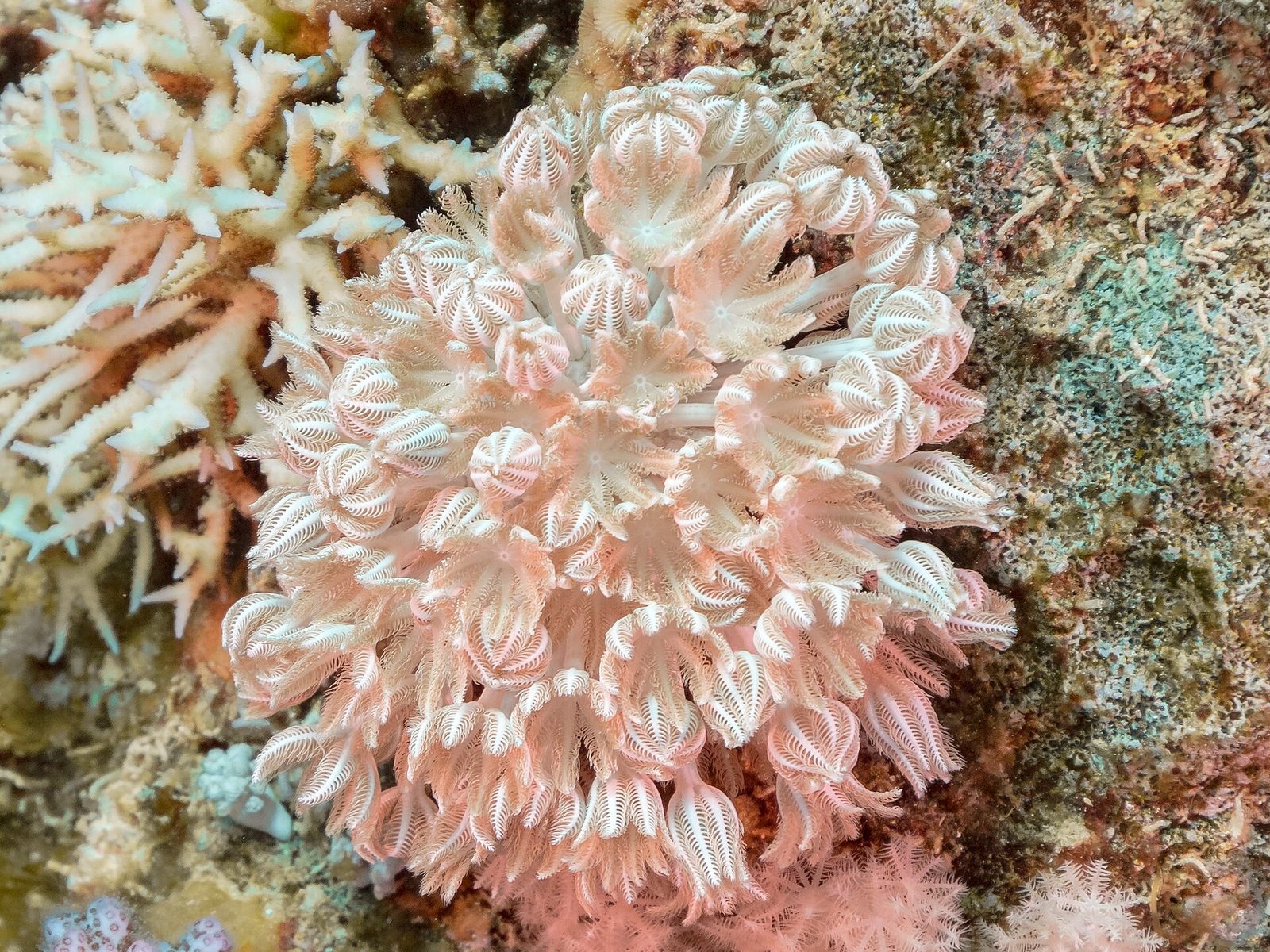
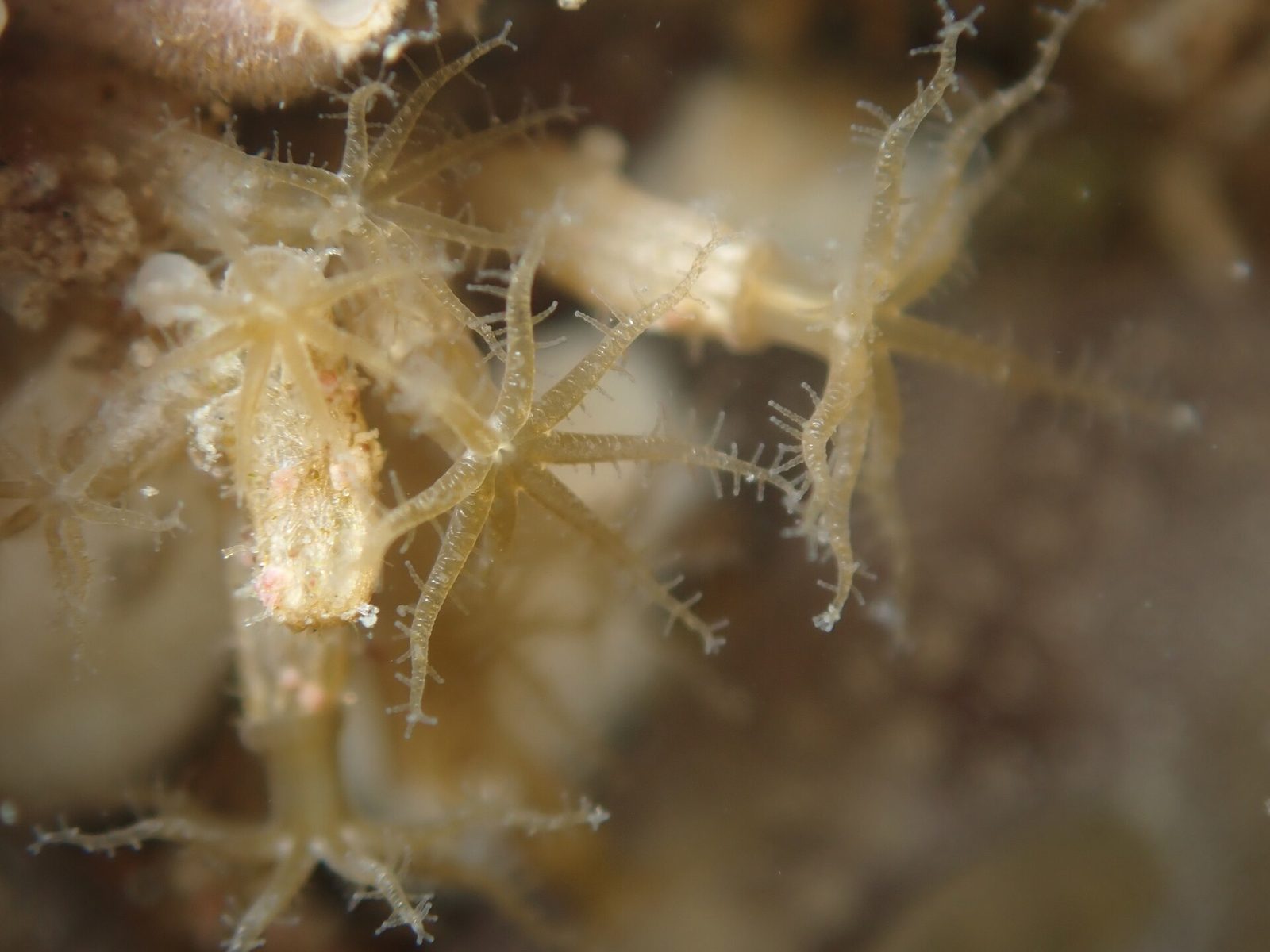
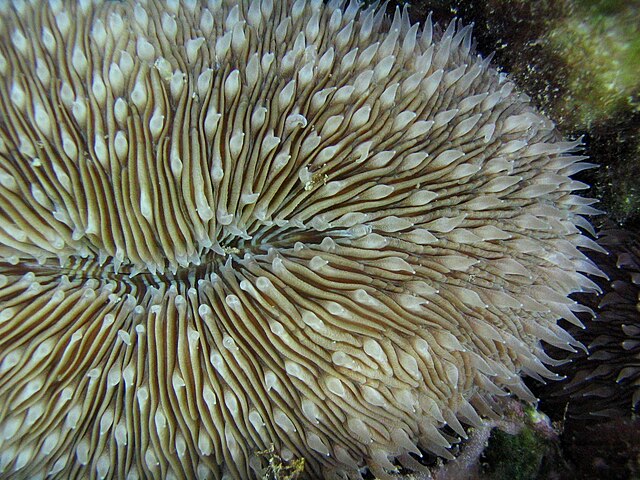
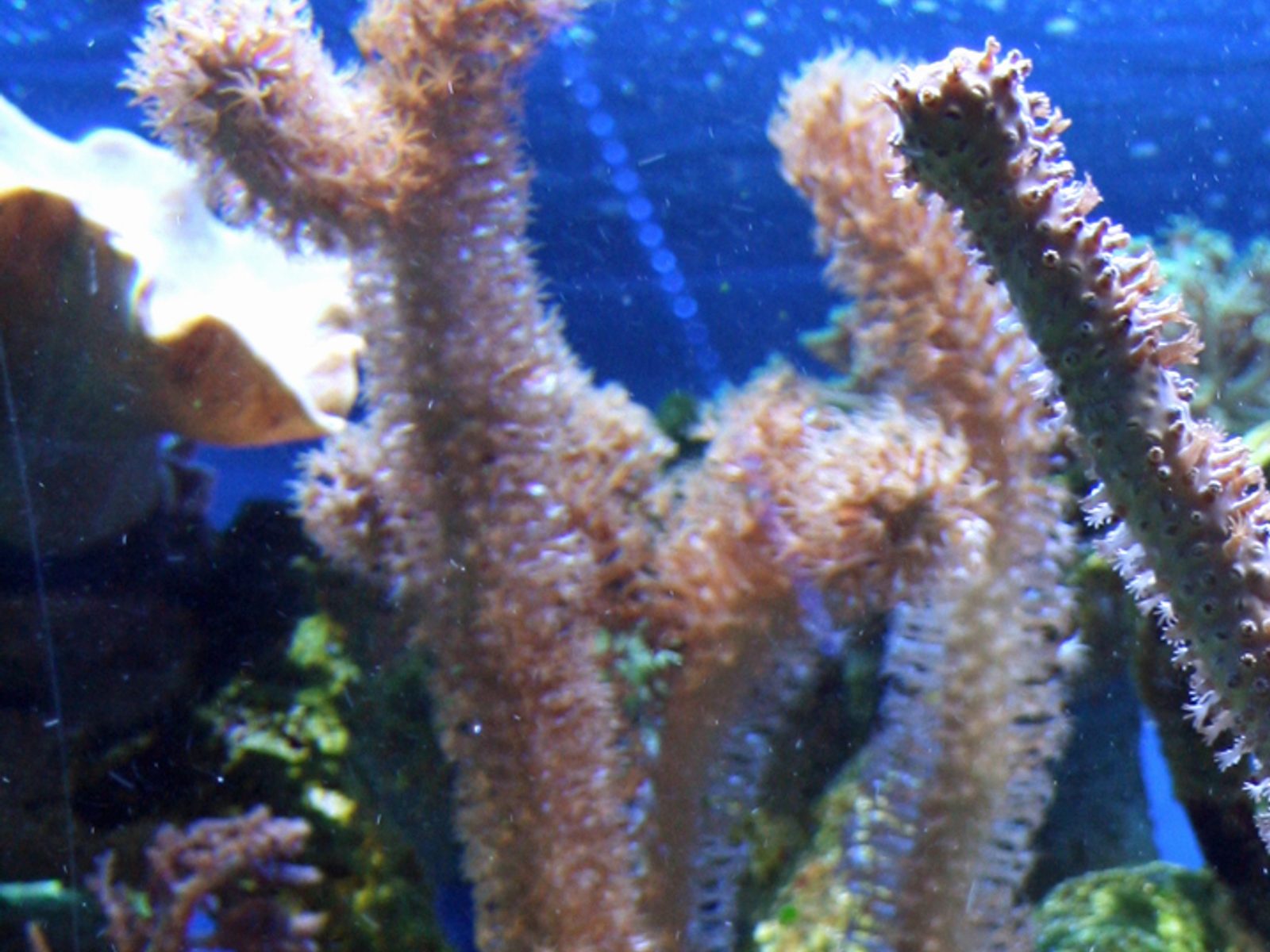
Sea mushrooms and leather corals span multiple genera taxonomically, with representative examples including sea mushrooms (Sarcophyton), false leather corals (Sinularia), and toadstool corals with their umbrella-like shape. None possess the rigid skeleton of stony corals; instead, they grow by obtaining nutrients from zooxanthellae photosynthesis through the countless small polyps covering their bodies. They feel soft and resilient to the touch, and you can easily observe how they expand and contract in response to water flow and stimulation. They are relatively tolerant of environmental changes and are often chosen as an entry point for those keeping soft corals for the first time.
Lighting and Placement Considerations
Sea mushrooms and leather corals generally do not require the intense lighting that SPS corals demand and often thrive in the middle to lower levels of the tank. However, light preferences vary by species and individual, so it is best to place newly introduced corals in slightly dimmer locations initially and observe how the polyps open and the body condition develops, adjusting to brighter areas as needed. Placing them suddenly under intense lighting can cause polyps to remain withdrawn or tissue to shrivel, so environmental changes should always be made gradually.
Water Flow Approach
Regarding water flow, most individuals prefer gentle currents that cause the polyps on the body surface to sway moderately. Exposure to excessively strong water flow for extended periods can cause polyps to remain retracted and the body to remain contracted, reducing photosynthetic efficiency. Conversely, a complete lack of water flow allows detritus to accumulate on the body surface, which is also undesirable for tissue health. Around sea mushrooms and leather corals, it is effective to adjust pump direction and placement to create gentle water flow that is not directly forceful.
Shedding (Detachment), a Characteristic Phenomenon
Sea mushrooms and leather corals can exhibit a phenomenon called "shedding," where they peel off a thin outer layer including the mucus membrane covering the body. Before and after shedding, the body may expand greatly or conversely contract and appear whitish and cloudy on the surface, which might cause concern that it is disease; however, it is known to be a natural phenomenon that can occur even in healthy individuals. During shedding, avoid touching or moving the coral, maintain gentle water flow, and simply observe the process. However, if the shedding-like appearance persists for extended periods or if tissue appears to dissolve and diminish over time, it may differ from normal shedding and warrants attention.
Growth and Layout Considerations
Sea mushrooms and leather corals can propagate through division-like growth when conditions are favorable, and the sight of them growing in clusters is also part of their appeal. On the other hand, when they expand greatly, they may contact adjacent corals, potentially causing issues through chemical irritation or physical contact. It is desirable to plan for adequate space in the layout with future growth size in mind. When deciding placement, it is helpful to check the coral guide to confirm mature size and characteristics, then consider the distance from surrounding corals.
Signs of Declining Health and Getting Advice
If whitening of the body surface spreads, tissue appears to dissolve, or polyps remain completely retracted for extended periods, some environmental factor such as water quality, water flow, or contact with other organisms may be at play. Rather than relying solely on observation and self-judgment, consulting with professionals such as a specialized aquarium shop knowledgeable about marine fish and corals is an effective approach to identifying the cause.
Additionally, immediately after introducing a new specimen, polyps may remain retracted for a time due to stress from transport and environmental change—a common occurrence. It is important not to rush and to observe for several days to a week, allowing the coral to acclimate to the tank environment. After confirming that basic water parameters such as temperature, salinity, and pH are stable, if no improvement is seen, then investigate individual causes. This approach helps avoid unnecessary water changes and medication use.
Summary
Sea mushrooms and leather corals are hardy soft corals with relatively good tolerance to environmental change, and the distinctive shedding phenomenon makes them rewarding to observe. By maintaining gentle lighting and water flow and taking care to maintain distance from surrounding corals, you can enjoy their beautiful clustered form for the long term. By becoming familiar with changes in polyp opening and body condition through daily observation, you will more readily notice any deviation in health, ultimately leading to stable long-term care.