The Appeal and Benefits of Keeping Soft Corals | How to Choose Based on Differences from SPS and LPS
This article introduces the unique appeal of soft corals compared to SPS and LPS, and their ease of care. We explain why they are chosen by everyone from beginners to experienced aquarists, and how to select species based on your goals.
Key Takeaways
This article introduces the unique appeal of soft corals compared to SPS and LPS, and their ease of care. We explain why they are chosen by everyone from beginners to experienced aquarists, and how to select species based on your goals.
When considering starting a coral tank, it's easy to be drawn to the vibrant colors of SPS or the commanding presence of LPS, but soft corals possess a unique appeal that other groups lack. Without a hard skeletal structure, the way their entire colony sways gently with water movement gives the tank a serene appearance. Here we organize the merits of choosing soft corals and key points in selection based on differences from SPS and LPS.
The Unique Appeal of Soft Corals
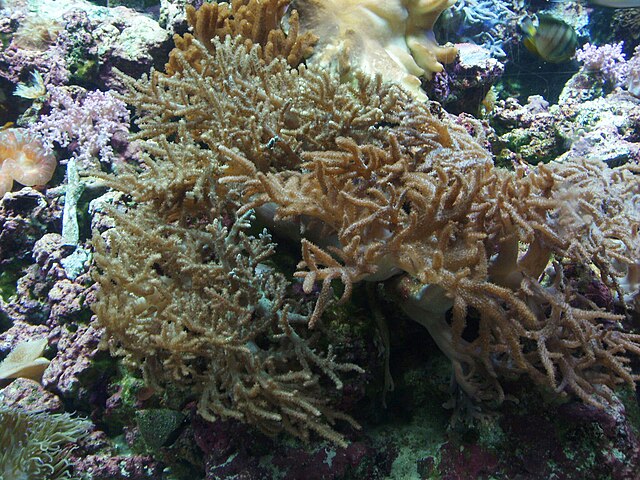
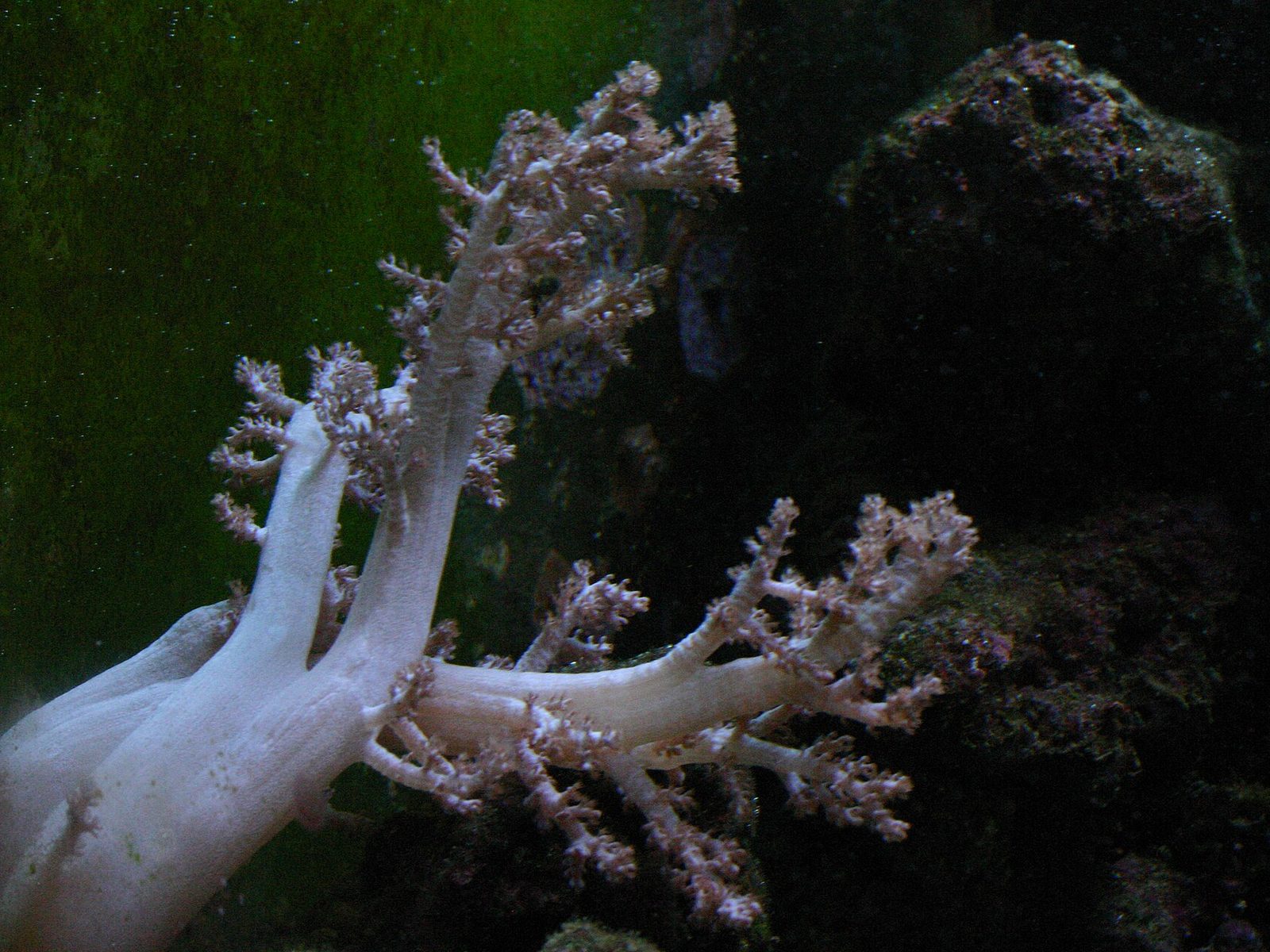
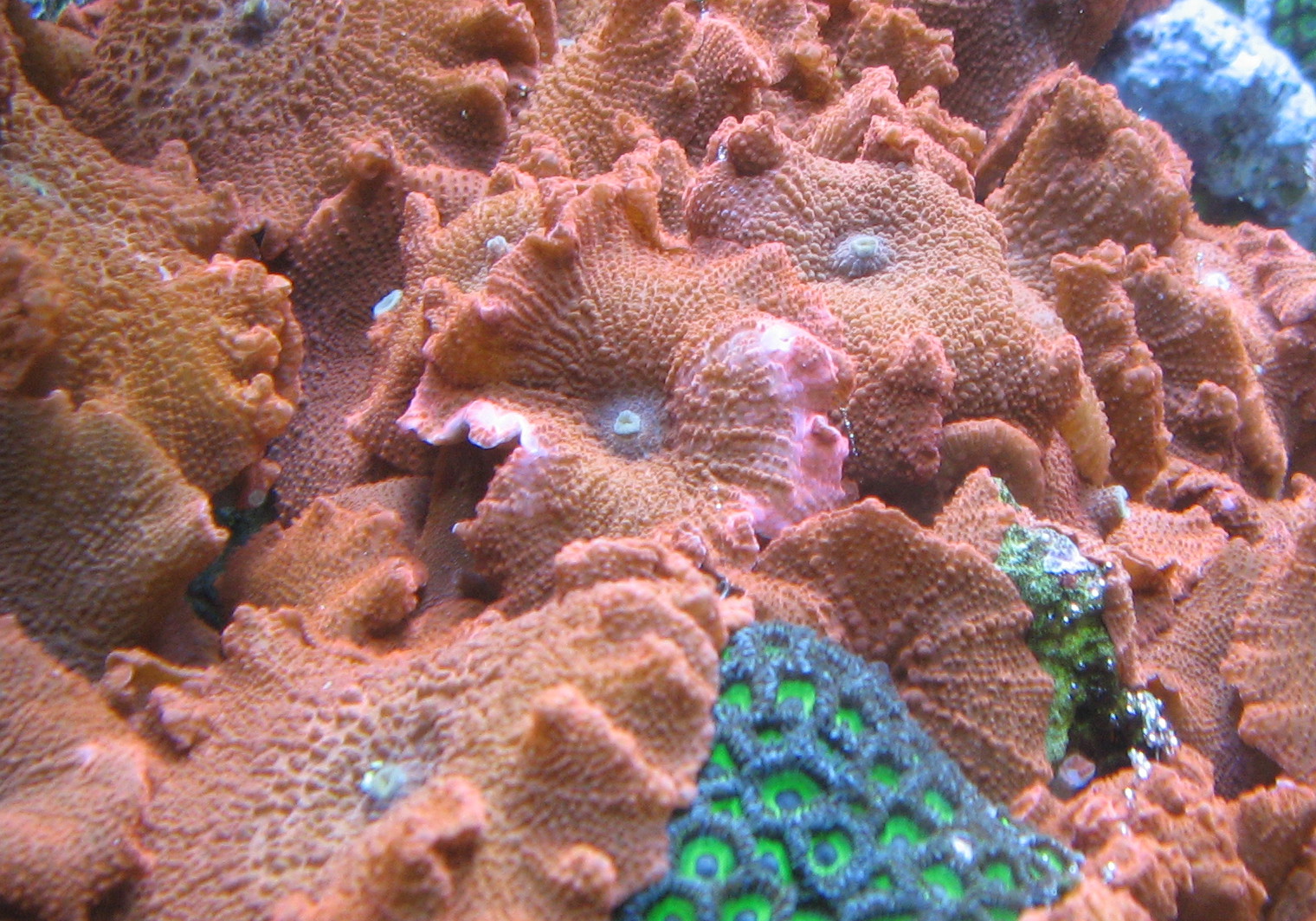
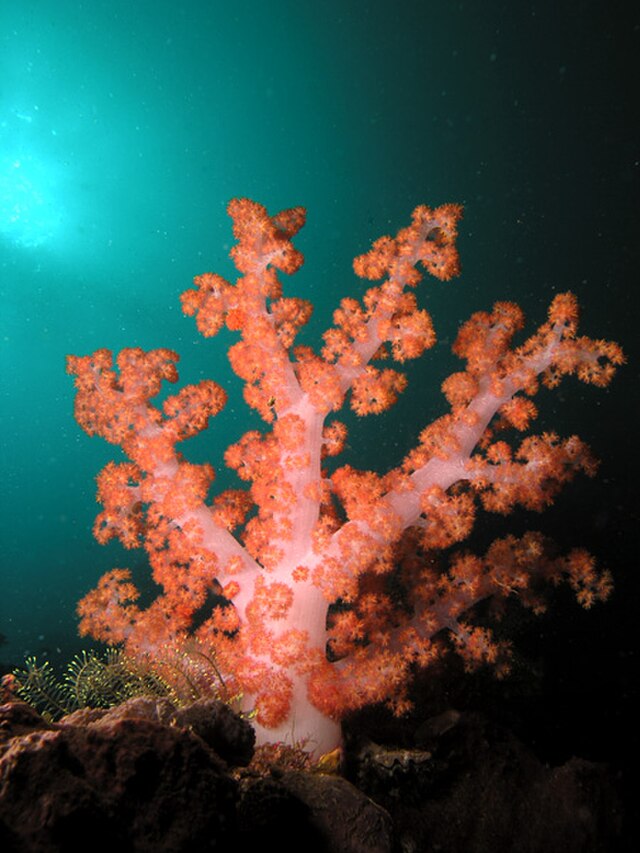
Soft corals lack a hard calcareous skeleton; instead, their soft tissue itself forms the colony's shape. This makes it easy to observe how they sway in water movement and watch polyps open and close in unison, adding dynamic life to what might otherwise be a static-looking coral tank. Some species, such as leather coral and Kenya tree coral, expand and contract as if breathing, making this a group with plenty of daily changes to enjoy watching. Additionally, many species reproduce quickly, and the ability to easily increase their numbers through fragmentation is another appeal of collecting them.
Ease of Care Compared to SPS and LPS
As mentioned in Coral Types and Classification | Differences and Characteristics of SPS, LPS, and Soft Corals, SPS require strong light intensity and stable high water quality, while LPS require attention to species-specific aggression and careful placement, each having their own inherent difficulties. In contrast, most soft corals are easier to grow under relatively wide ranges of light and water flow conditions and tend to tolerate some water quality fluctuation. Of course, preferred environments vary by species, but overall, soft corals are an easy group to choose as an entry point to coral keeping—a point frequently mentioned in beginner-focused articles.
Why They Are Chosen by Everyone from Beginners to Experienced Aquarists
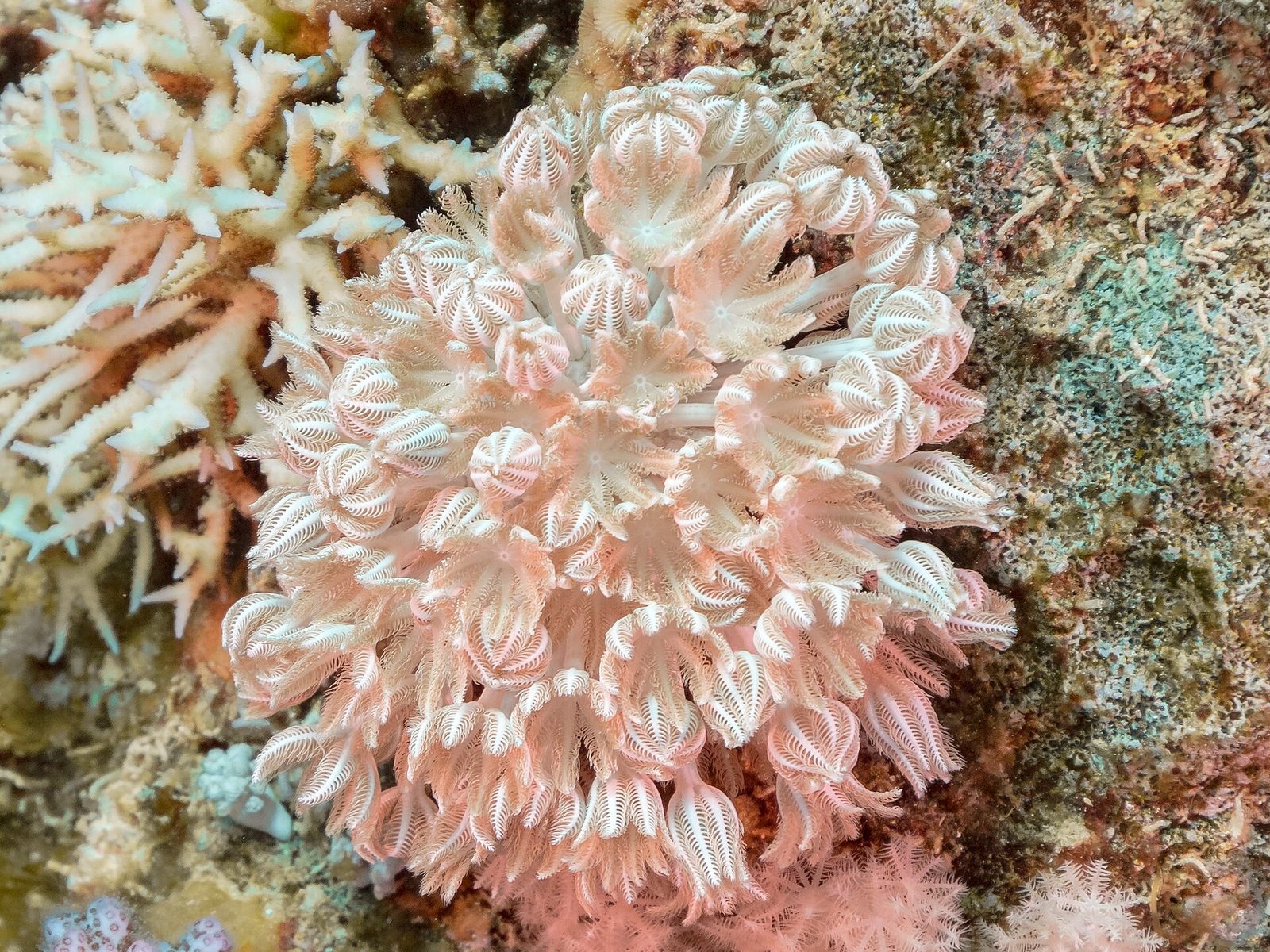
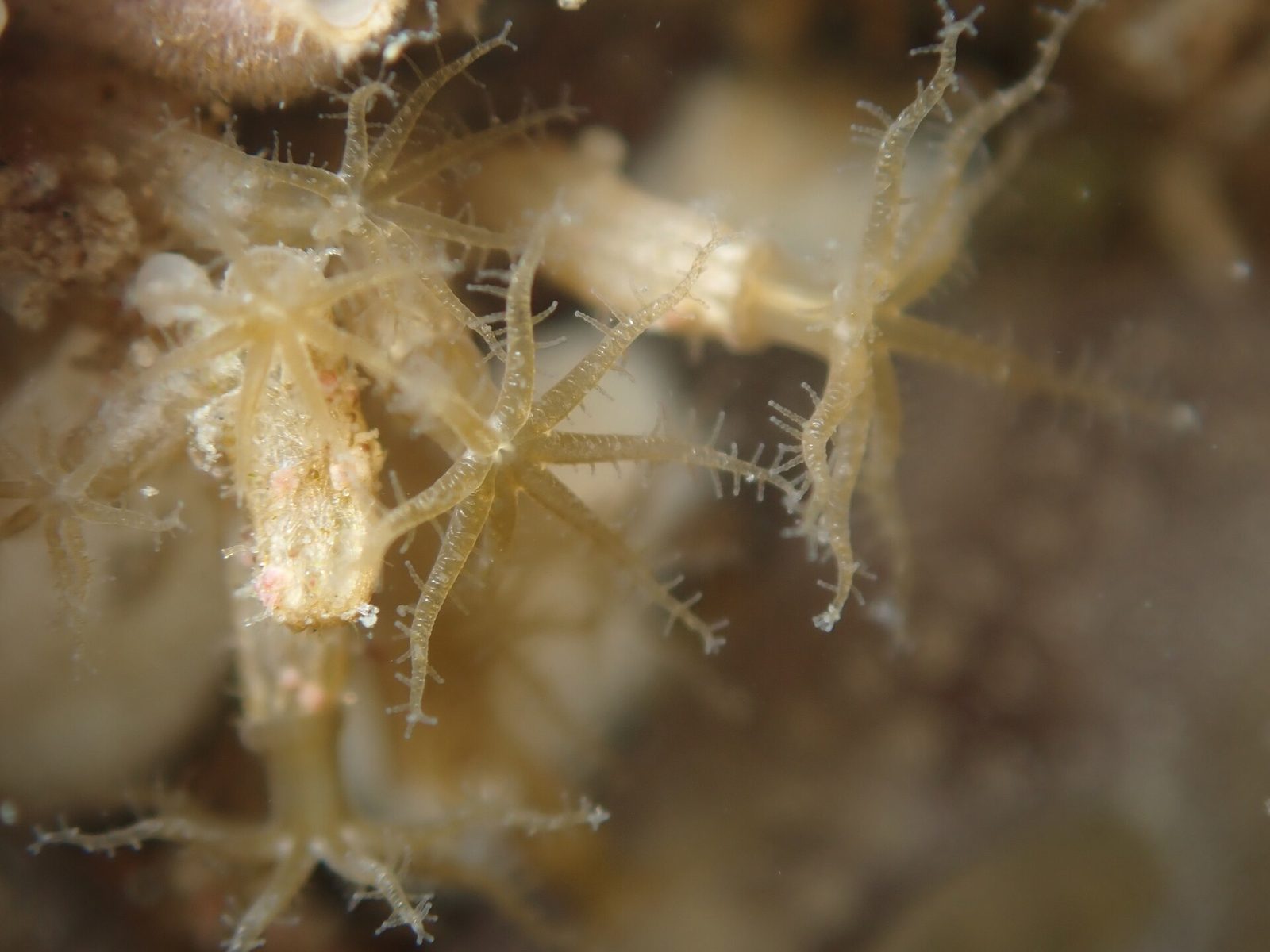
One reason soft corals are chosen by such a wide range of people is the ease of recovery from setbacks. If you maintain multiple fragments from divisions in separate locations, you can preserve the lineage even if some individuals fall out of condition. Species like green star polyp and star polyp that spread in a creeping manner can also be used as groundcover on live rock and landscaping materials, helping to unify the overall appearance of the tank. Conversely, for experienced aquarists, the collectibility of species with distinctive movement patterns like pulse coral (xenia) or lineages with abundant color and pattern variation like zoanthids becomes an element to enjoy over the long term.
Selection Perspective: Choosing Species Based on Your Goals
When selecting soft corals, it becomes easier to choose if you keep in mind your purpose—whether you want to increase their numbers and brighten your entire tank or carefully cultivate a specific lineage. For the former, fast-reproducing leather corals or star polyps work well; for the latter, species like zoanthids that offer individual and lineage variation are better suited. If considering keeping them with SPS or LPS, be aware that some soft corals employ allelopathy, a chemical action that can inhibit growth of nearby organisms, so maintaining adequate distance in your layout is necessary.
Important Precautions to Keep in Mind When Introducing Them
Although soft corals are an easy-to-care-for group, they can be sensitive to environmental changes right after introduction. Species that readily release chemical compounds may increase secretion temporarily due to shipping stress, so effective early measures include using more activated carbon and increasing water change frequency slightly. Additionally, if you place multiple fragmented individuals together in the same location, they may become too crowded as they grow, so maintaining some spacing in your layout—as with other groups—will make long-term management easier.
Summary: Start with Just One Species
Soft corals are a group that combines multiple appeals: dynamic visual interest, relatively easy care conditions, and ease of propagation. This is why they are chosen both as an entry point before tackling SPS or LPS, and as a subject for long-term collecting. Start by selecting a hardy species and introducing it to your tank, then observe its daily changes while finding the next step that suits you. Recording where your propagated specimens came from and when you fragmented them creates a record that allows you to trace lineages and enjoy reflecting on them later. Please also refer to beginner-friendly soft corals for guidance.