How to Grow Table-Form Acropora
A summary of the characteristics of table-form Acropora and key cultivation points to know from the perspectives of light, water flow, and layout.
Key Takeaways
A summary of the characteristics of table-form Acropora and key cultivation points to know from the perspectives of light, water flow, and layout.
Characteristics of Table-Form Acropora
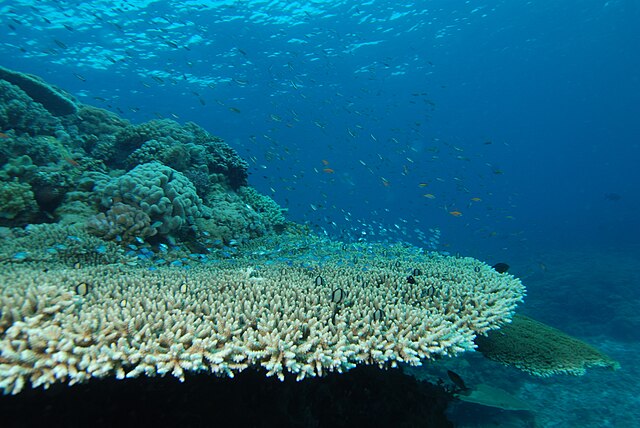
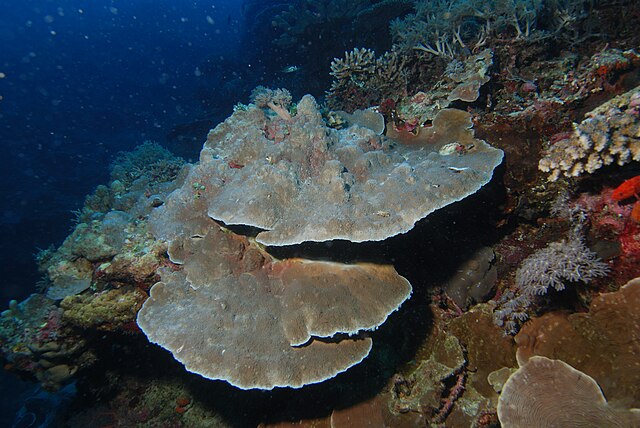
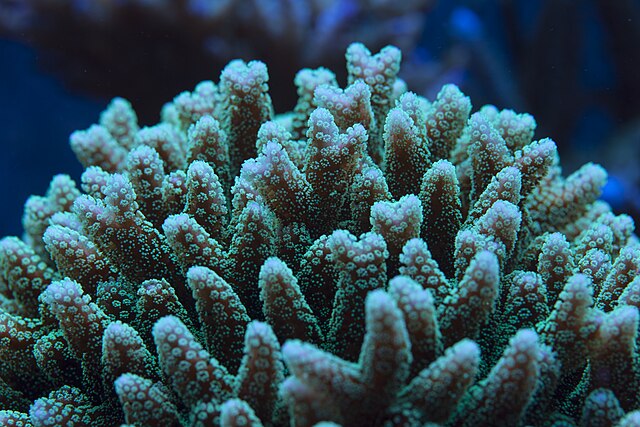
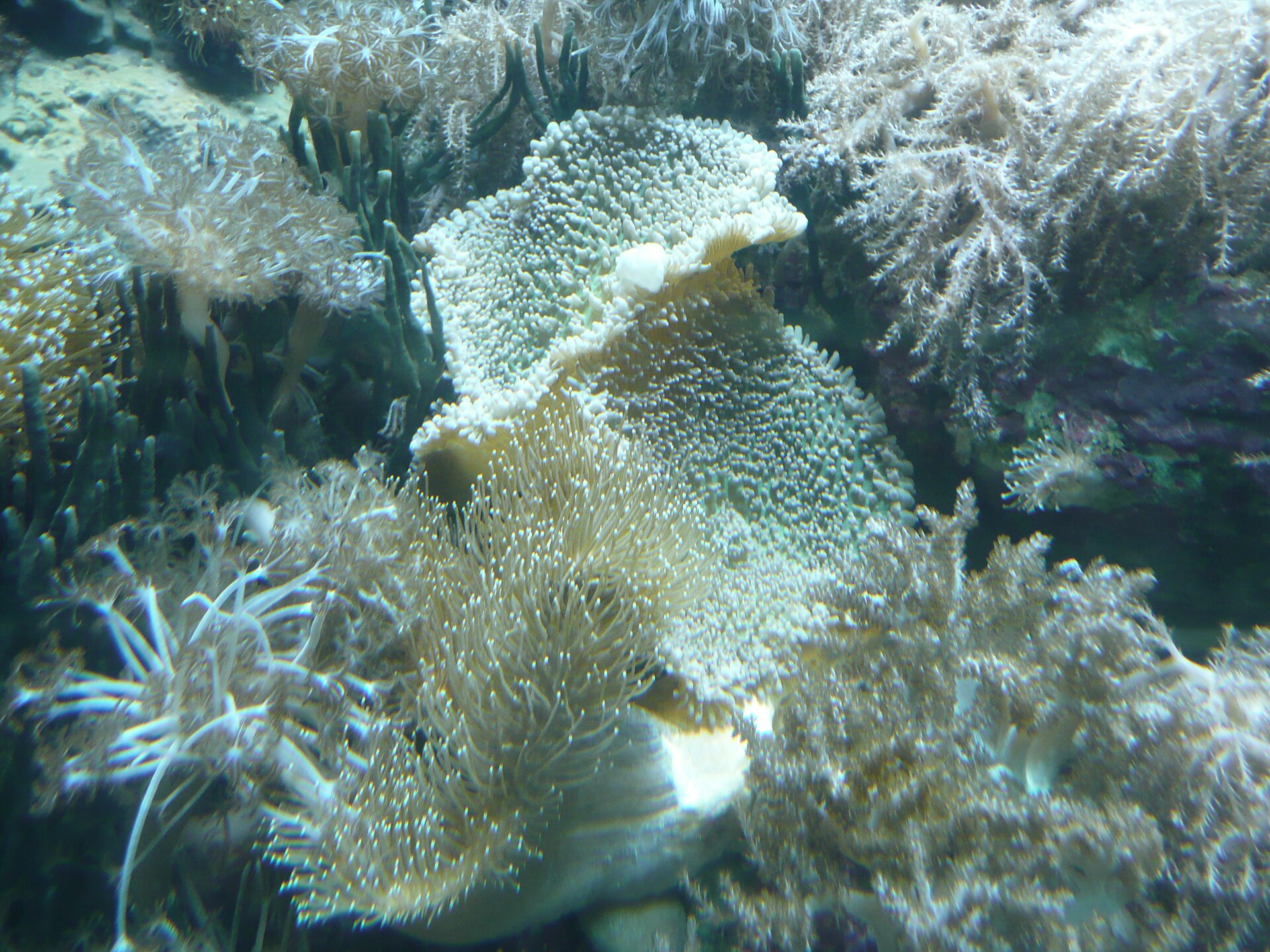
Acropora exhibits various growth forms, including branching, table, and foliose types. Among these, the table-form type is characterized by expanding a disc-shaped skeleton horizontally while developing densely packed small branches on its upper surface. In natural coral reefs, these table-form colonies capture light efficiently across a large surface area and create shade, providing habitat for organisms in lower layers.
When cultivating table-form corals in an aquarium, the horizontal spread of the disc requires careful attention to placement and surrounding space. As discussed in Montipora growth form, growth form can vary depending on the light and water flow environment where the coral is placed, and even the same species may not consistently develop as branching or table forms.
Light and Water Flow for Growing Table-Form Corals
Table-form Acropora are said to develop more evenly with balanced growth when light and water flow reach the entire upper surface uniformly, preventing the disc from losing its shape. As explained in Lighting and PAR values for SPS corals, while many species require relatively strong light intensity, introducing them to intense light immediately increases the risk of bleaching, making gradual acclimation essential.
Regarding water flow, an environment where water circulates randomly from multiple directions, rather than strong flow from a single direction, is thought to distribute nutrients and oxygen more evenly across the entire disc. Uneven water flow can cause growth to be skewed on one side or algae to accumulate on the opposite side. It is therefore important to regularly observe the colony after placement and adjust water flow direction as needed.
Placement and Layout Considerations
When placing table-form Acropora, keeping the following points in mind will help ensure smooth cultivation:
- Provide sufficient spacing between surrounding corals, anticipating the future horizontal expansion of the disc
- Secure the substrate firmly without wobbling, using frag mounting and gluing methods as reference
- Consider the shade tolerance of other corals placed below, as the underside of the disc tends to be shaded
- Regularly check substrate stability, as the center of gravity shifts as the coral grows
As the disc grows larger, its visual impact in the aquarium increases, but so does the risk of structural failure or collapse. Substrate strength is a critical point that should not be compromised.
Selecting Frags When First Introducing Table-Form Acropora
When growing table-form Acropora from frags (cut fragments), it is important to select them while envisioning their future expansion. Even among the same species, frags that are already beginning to spread slightly horizontally tend to maintain table-form growth more readily. As noted in Coral individual variation and selection, choosing frags with attention to growth direction as well as coloration will lead to the development of ideally formed table colonies.
Growth Rate and Color Development
Growth speed of table-form Acropora, like other growth forms, is influenced by the balance of light, water flow, and nutrients. As discussed in Factors affecting SPS coral growth rate, extreme nutrient limitation slows growth, while excess nutrients tend to promote algae growth and browning. Maintaining appropriate balance is therefore essential.
The concepts of light quality and nutrient control presented in Introduction to SPS coral coloration also apply to table-form Acropora. Since the upper and lower surfaces of the disc receive light differently, even within the same colony, coloration may vary between different areas—a distinctive observation point unique to table forms.
Daily Care to Prevent Problems
Because of their large surface area, table-form Acropora tend to experience rapid spread of tissue necrosis (RTN or STN) when it occurs. Following the guidance in Causes and treatment of RTN and STN in SPS corals, check daily for any sudden exposure of white skeleton, and if abnormalities are detected, consider promptly removing affected areas or consulting with a specialist. Regular observation and early intervention form the foundation for maintaining large, beautiful table-form colonies over the long term.