SPS Corals Other than Acropora | Cultivation Characteristics of Pocillopora, Seriatopora, and Stylophora
While SPS corals are often exemplified by Acropora (staghorn coral), there are many other species with different growth patterns such as branching and massive forms, including Pocillopora and Seriatopora. This article introduces the characteristics and cultivation considerations for each.
Key Takeaways
While SPS corals are often exemplified by Acropora (staghorn coral), there are many other species with different growth patterns such as branching and massive forms, including Pocillopora and Seriatopora. This article introduces the characteristics and cultivation considerations for each.
SPS (Small Polyp Stony) corals—those with small polyps and hard skeletons—are often discussed as though synonymous with the genus Acropora. However, there are many other genera classified as SPS, each differing in growth pattern, polyp presentation, and ease of care. Here we examine representative non-Acropora SPS corals and clarify the differences in their cultivation characteristics.
Characteristics of Pocillopora
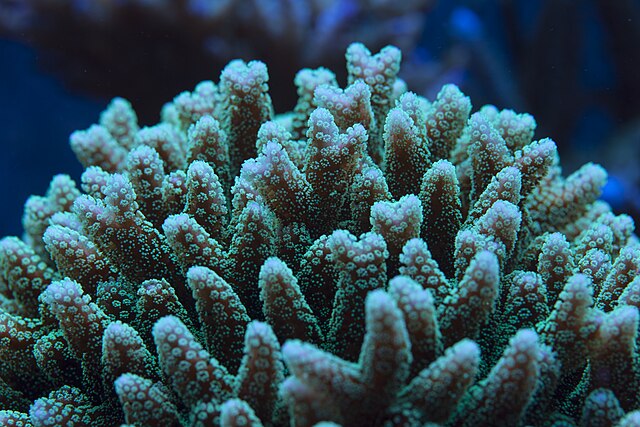
Pocillopora is a genus displaying massive to branching growth with thick, sturdy, densely branching skeletal structures. Compared to Acropora, Pocillopora has thicker, more robust branches and is said to have relatively high resistance to water flow and physical contact, which is why it is sometimes recommended as an entry-level SPS coral. The surface bears small nodular protrusions (verrucosae) where polyps densely cluster when extended, creating a distinctive texture. There is also a known ecology of symbiotic crabs inhabiting the branch interstices, making this genus an observation subject not only for its appearance but also as an ecosystem.
Characteristics of Seriatopora
Seriatopora is a genus with fine, pointed densely packed branches, exhibiting what is commonly called a "bird's nest" growth pattern. Because the branches are extremely delicate, growth can be relatively rapid when conditions are favorable, but the branches break easily and water flow placement and positioning require careful attention. Color variation is rich, with vibrant colorations in pink, purple, green, and other hues appearing in specimens available in the trade. The densely packed interior of branches tends to have stagnant water flow, so being mindful of positioning to ensure adequate flow not only on the outside but also within the colony will make management easier, helping prevent accumulation of organic matter from feeding and algae growth.
Characteristics of Stylophora
Stylophora is a genus with rounded branching branch growth patterns and is characterized by having larger polyps that open more readily than Acropora, often appearing to extend their tentacles continuously. Because polyps remain extended, this species is considered easier to observe feeding responses compared to other SPS corals, and is sometimes positioned as a practice species for adjusting feeding amounts while observing response to microparticle foods. The skeletal structure itself is relatively robust and is said to have a degree of resistance to stress from fragmentation and transport.
Common Cultivation Considerations
All of these genera, like Acropora, tend to prefer strong light and water flow, though the light intensity they can adapt to varies depending on the species, individual specimen, and the environment into which they have been introduced (whether wild-caught or derived from a long-established captive lineage). Upon new introduction, it is standard practice not to place them immediately under strong light, but to acclimate them gradually from an area of the tank with weaker light. Additionally, branching species are susceptible to physical damage (such as contact during maintenance work), so being mindful of spacing in layout design and maintenance access routes can help avoid problems.
Building a Habit of Confirming Visual Differences in the Catalog
SPS corals vary greatly by genus and species in branch thickness, polyp presentation, and color patterns. When considering purchase or introduction, it is helpful to check the coral catalog to confirm the general characteristics of candidate species and cross-reference whether the lighting and water flow conditions in your tank are suitable, which can reduce post-introduction problems. Rather than relying solely on Acropora, combining different growth forms of SPS such as Pocillopora, Seriatopora, and Stylophora can bring dimension and diversity to your tank layout.
Pay Attention to Trade Names and Lineage Differences
These genera show considerable variation in color and skeletal details even within species, and the same genus may be given different trade names for different individuals. In particular, Seriatopora and Stylophora are sometimes given specific names when they possess particular coloration or growth patterns, and specimens that appear similar may actually derive from different mother colonies. When considering purchase or introduction, it is worth confirming not only the general cultivation characteristics of the genus but also, if possible, the lineage and history of the individual specimen, which can help forecast color development and growth trends. Taxonomic information in the catalog and individual provenance information serve different roles, so developing the habit of consulting both will be beneficial. Recording which lineage and collection route an individual comes from at the time of introduction allows you to reference tangible information rather than mere impression when reviewing color and growth changes months later. Possessing both foundational knowledge of the genus and individual records serves as the basis for stable cultivation of non-Acropora SPS corals.
Even for aquarists experienced with Acropora, Pocillopora, Seriatopora, and Stylophora show subtle differences in their response to light and water flow, so rather than simply applying existing management parameters, an approach of fine-tuning while observing species-specific responses is required. Cultivating different growth forms of SPS side by side should provide a good opportunity to understand each one's individuality.