RTN and STN (Tissue Necrosis) in SPS Corals: Causes and Treatment
A summary of the differences between rapid tissue necrosis (RTN) and slow tissue necrosis (STN) in SPS corals, the factors that commonly trigger their onset, early warning signs, and approaches to treatment and prevention.
Key Takeaways
A summary of the differences between rapid tissue necrosis (RTN) and slow tissue necrosis (STN) in SPS corals, the factors that commonly trigger their onset, early warning signs, and approaches to treatment and prevention.
What RTN and STN Are
RTN (Rapid Tissue Necrosis) and STN (Slow Tissue Necrosis) are terms frequently discussed in SPS coral keeping, both referring to the phenomenon of coral soft tissue detaching and sloughing off from the skeleton. The major difference is that RTN occurs over a short period—hours to about a day—with tissue receding rapidly, while STN progresses more slowly over days to weeks as tissue gradually diminishes.
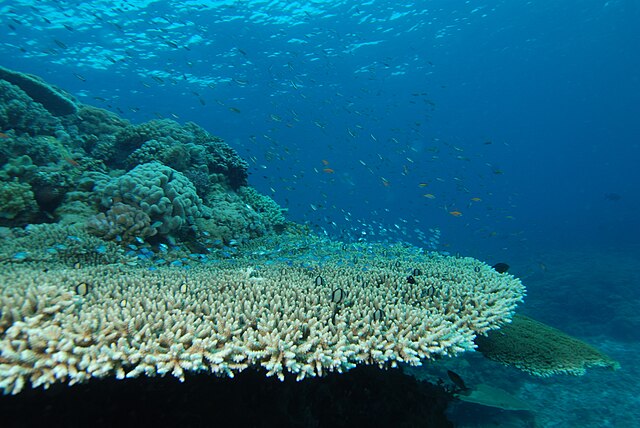
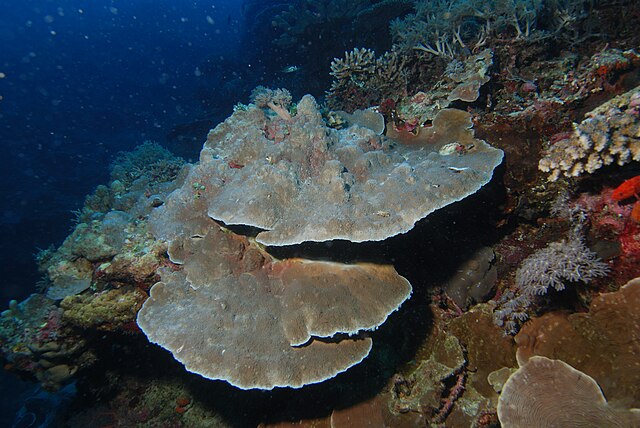
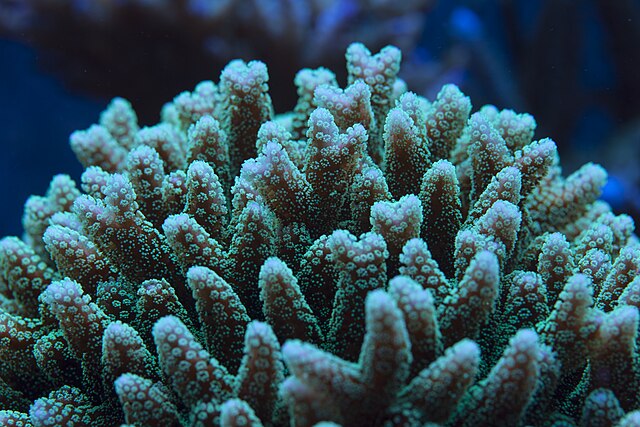
These conditions are commonly reported in SPS species such as Acropora (Acropora), Montipora (Montipora), Seriatopora (Seriatopora), and Stylophora (Stylophora). Rather than being a single disease caused by a specific pathogen, these phenomena are generally understood to result from multiple stress factors combining to overwhelm the coral's tissue-maintenance systems.
Common Triggers for RTN and STN
Factors frequently cited as triggers for RTN and STN include rapid temperature swings, abrupt changes in water quality parameters (pH, salinity, alkalinity/KH), transport stress following introduction, physical damage during fragging or cutting, tissue damage from excessively strong water flow or light intensity, and disruption of bacterial balance within the tank. A single factor alone may not cause onset, but multiple factors occurring simultaneously increase susceptibility.
Particular attention should be paid to the period immediately following introduction. Specimens stressed by transport have weakened tissue defense mechanisms, making them prone to RTN when placed in an environment where water quality or temperature fluctuate significantly after acclimation. The quarantine approach outlined in "Coral Selection and Treatment Procedures Upon Introduction" is important from the perspective of reducing these risks.
Early Detection: Warning Signs and Observation Tips
Because RTN progresses rapidly, once a portion of the skeleton begins showing white translucency, tissue can recede within hours. Careful daily observation to catch subtle changes is key to minimizing damage. When tissue detaches from the skeleton, a thin mucous membrane or exposed white skeleton is often visible at the affected area. Developing a habit of daily checks—comparing the usual polyp extension and coloration to any apparent abnormalities—is an effective early detection strategy.
STN, with its slower progression, tends to be overlooked in early stages. Regular inspection of branch tips, bases, and specific areas for gradual tissue thinning or color fading compared to surrounding tissue can lead to earlier discovery.
General Treatment to Halt Progression
Once tissue recession is confirmed, a common first approach is to cut along the skeleton in the healthy region beyond the area showing recession, physically removing the damaged tissue. The healthy section can be cut as a frag and moved to a separate container or isolation area, potentially limiting impact to the parent colony and other specimens.
Concurrently, increasing water flow somewhat around the affected area to prevent accumulation of organic matter and bacteria, and checking water parameters (particularly ammonia, nitrite, and nutrient levels) for any sudden changes are standard recommendations. However, it is important to understand that RTN and STN cannot always be completely halted, and recovery is not guaranteed.
Day-to-Day Preventive Management
From a prevention standpoint, the fundamentals include keeping water quality parameters—temperature, salinity, KH, and others—as stable as possible, and adjusting water changes and additive additions gradually rather than making large single changes. When introducing new specimens, rather than directly transferring them to the main tank, establish a quarantine period as described in "Coral Selection and Treatment Procedures Upon Introduction" to assess condition before moving them to the display system.
Additionally, minimizing the frequency and duration of handling during fragging or layout changes reduces physical stress on the coral tissue, contributing to prevention.
If Improvement Does Not Occur, Consult a Specialist
If symptoms continue to progress despite home treatment attempts, or if similar symptoms appear across multiple specimens simultaneously, the underlying cause may be a fundamental problem with overall water quality. Rather than managing the situation alone, consult with aquarium specialists or experts with extensive experience in coral and saltwater fish keeping—share water quality data and the progression of symptoms. Because the cause and treatment involve significant individual and tank variables, relying solely on prescriptive information ("do this and it will heal") can be counterproductive. Adapting your approach to the specific situation is the most effective way to prevent further damage.