SPS Coral Growth Rate Factors | Balance of Light, Water Flow, Nutrients, and Trace Elements
Explains the relationship between light, water flow, nutrients, and trace elements that determine SPS coral growth speed, and how to troubleshoot slow growth.
Key Takeaways
Explains the relationship between light, water flow, nutrients, and trace elements that determine SPS coral growth speed, and how to troubleshoot slow growth.
What Determines Growth Rate
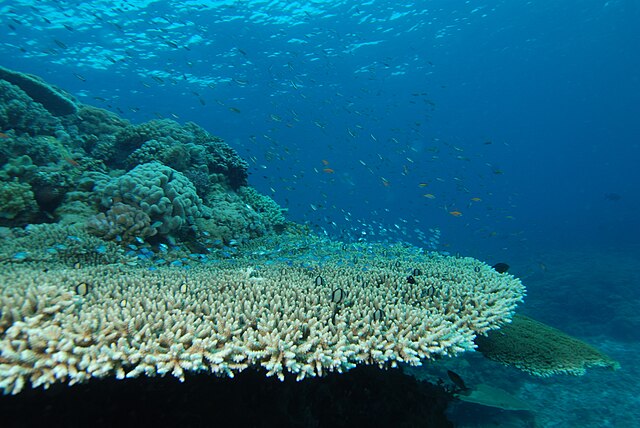
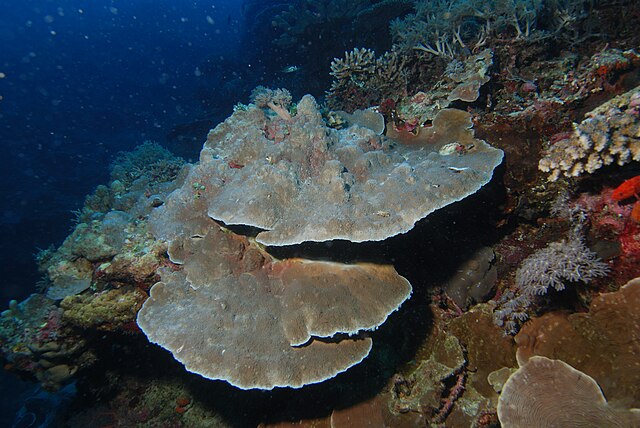
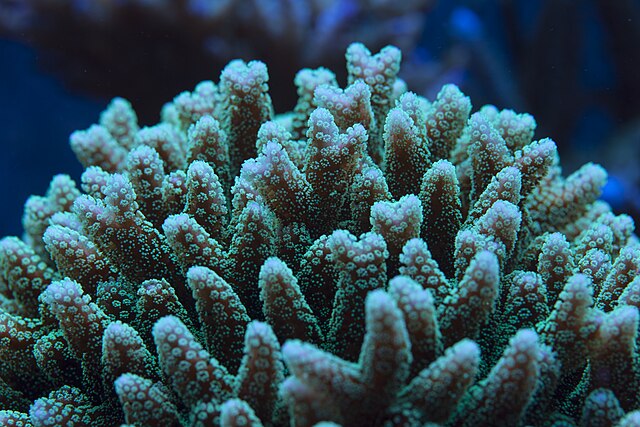
SPS corals (branching and massive stony corals such as Acropora) grow by building calcium carbonate skeletons using products from photosynthesis of symbiotic zooxanthellae within their tissues and nutrients taken from the water. Even with the same species of SPS, growth rates often vary significantly between aquariums, and these differences are primarily created by combinations of four environmental factors: light, water flow, nutrients, and trace elements. If any one of these is extremely deficient or excessive, growth tends to slow even if other conditions are optimal. Unlike the focus on controlling light and nutrients for coloration purposes, here we organize the factors that directly affect growth rate itself—how quickly the skeleton extends.
Effects of Light Intensity and Spectrum
Light is one of the factors directly affecting growth rate because it supplies energy through photosynthesis of zooxanthellae. However, stronger light does not simply mean faster growth; what matters is whether the coral has acclimated to that light level. Subjecting newly introduced corals or those recently moved to sudden high light can stress the tissue and cause the coral to decline rather than grow. As discussed in SPS Coral Lighting and PAR Value Guide, gradually acclimating corals while providing adequate light within reasonable limits tends to lead to stable growth.
Effects of Water Flow on Growth
A thin layer of relatively stagnant water (boundary layer) exists at the coral surface, and the thicker this layer, the more exchange of oxygen and nutrients and removal of waste products become impeded. Adequate water flow maintains a thin boundary layer and facilitates gas exchange and nutrient uptake, thereby affecting growth rate. Weak flow allows debris to accumulate around polyps and promotes algae growth, while excessively strong flow can stress tissue and the tips of the skeleton. Since optimal flow strength varies by coral shape and placement, it's best to adjust based on polyp extension and surface condition.
Balance of Nutrients (Nitrate and Phosphate)
Nutrients such as nitrate and phosphate affect growth whether they are too low or too high. Severely depleted nutrients reduce zooxanthellae density and energy production, slowing growth, while excess nutrients promote algae growth and water quality deterioration, which can indirectly harm coral condition. While coloration discussions often emphasize reducing nutrients, prioritizing growth rate requires a focus on preventing nutrient depletion. Tank-wide nutrient levels depend on balance between feeding, livestock quantity, and filtration capacity, so regularly testing and monitoring levels is helpful. Large swings in nutrient levels—whether suddenly reducing or adding large amounts—can stress zooxanthellae density and coral metabolism, so gradual adjustments while monitoring conditions tend to stabilize growth.
Supply of Calcium, KH, and Trace Elements
Since SPS skeletons are made of calcium carbonate, insufficient calcium, bicarbonate ions (KH), and trace elements like magnesium prevent adequate skeleton formation even with good light and flow conditions. These elements are continuously consumed by growth, so they should be replenished through water changes and supplements, maintaining stable levels. For detailed guidance on supplementation strategy, see Reef Tank Supplementation | Maintaining Calcium, KH, and Magnesium, which is helpful to review if growth seems to be slowing.
Troubleshooting Slow Growth
If growth rate is not increasing, it helps to systematically isolate and evaluate multiple factors. Reviewing light intensity, water flow, nutrient levels, and calcium/KH stability in sequence makes it easier to identify the cause. Changing one factor at a time and observing over several weeks helps clarify what is limiting growth. Regularly comparing branch extension and colony expansion helps determine whether growth improved or declined after environmental changes, guiding future adjustments. Basic care conditions are covered in Acropora (SPS) Basics and coloration adjustments in Introduction to SPS Coral Coloration, so read according to your priorities for growth and coloration. Growth rate tendencies differ by species such as Acropora and Montipora, so refer to the Coral Encyclopedia to check individual characteristics and adjust your tank environment accordingly.