Common SPS Coral Husbandry Mistakes and Solutions | Checkpoints to Review Right After Introduction
We explain typical failure patterns that are easy to encounter when keeping SPS corals, and preventive measures. We organize common oversights that beginners make, from preparation before and after introduction to daily management.
Key Takeaways
We explain typical failure patterns that are easy to encounter when keeping SPS corals, and preventive measures. We organize common oversights that beginners make, from preparation before and after introduction to daily management.
Perspectives to Review When SPS Corals Aren't Growing Well
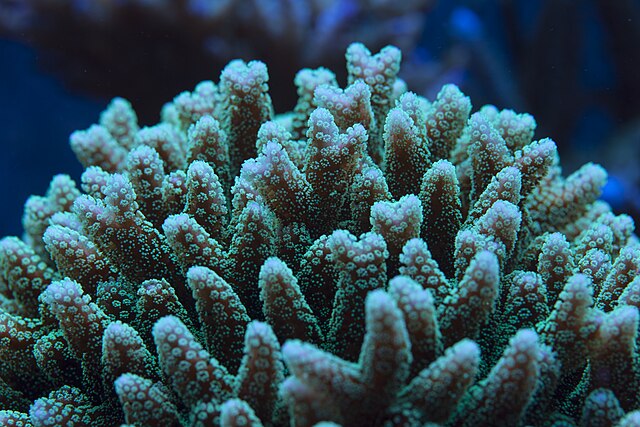
SPS corals such as Acropora (Acropora) and Montipora show clear changes in color and growth, but on the other hand are sensitive to environmental disturbances. Most troubles such as "before you know it, polyps remain closed" or "the tips are turning white" are not caused by a single factor, but rather surface from multiple small oversights accumulated together. In this article, we review typical failure patterns commonly seen in SPS coral husbandry and organize checkpoints you should review before and after introduction. For distinguishing individual diseases and tissue necrosis, see Causes and Solutions for RTN and STN, and for foundational understanding of lighting, water flow, and water quality, also refer to Basics of Acropora Husbandry.
Introducing SPS to a Tank Immediately After Startup
One of the most common failures is introducing SPS corals when the tank is only recently established. As explained in Setting Up a Reef Tank, it takes time for cycling to complete and for nitrifying bacteria to work stably. Even if the water appears clear to the eye, if ammonia or nitrite remain in trace amounts or the balance of trace elements is not yet established, welcoming SPS corals at this stage often leads to problems such as polyps not opening or bleaching advancing. As a guideline, you can reduce risk by first observing the tank conditions for several weeks using hardy fish or low-activity livestock, and introducing SPS corals only after water quality test values stabilize.
Raising Light Intensity Too Quickly
Stress from rapid light changes often occurs when new lighting is introduced or when SPS corals are moved all at once to a high-intensity position. What appears to human eyes as simply "brighter" may actually represent too-intense a change in light intensity for the coral. Right after introduction or after changing lighting, it is important to acclimate gradually by shortening the photoperiod or first placing the coral in a medium-light position before gradually moving it to a brighter location. The relationship between light intensity and coral growth rate and coloration is also discussed in Factors Affecting SPS Coral Growth Rate.
Operating Supplements Without Understanding Alkalinity Consumption
Because SPS corals actively build calcium carbonate skeletons, the rate of alkalinity (KH) and calcium consumption in the tank varies depending on the number of corals and their growth stage. Simply continuing to mechanically add a fixed amount of supplements will eventually fail to keep pace with consumption as colonies increase, or conversely, overdosing can cause values to spike. By making it a habit to check actual KH and calcium values via water quality tests once a week and reviewing dosage accordingly, you can more easily catch problems that develop gradually.
Placing Corals Without Confirming Water Flow Direction
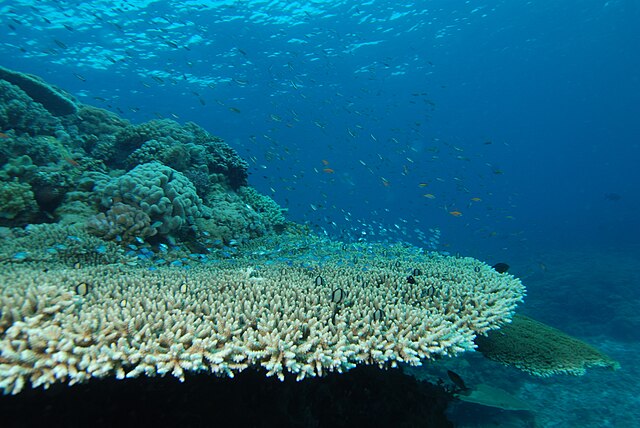
Different SPS coral species have different preferences for water flow intensity and direction. Branching Acropora prefer turbulent flow from all directions, while species that grow in a table form are better suited to arrangements where water flow reaches the entire surface. If water flow is too weak, debris tends to accumulate on the surface, while conversely, continuously directing a pump's direct current at close range can damage tissue. After placement, observe polyp extension and sand disturbance patterns for a while, and make fine adjustments to pump angle and position as needed—this is key to preventing failure.
Cramming Too Many Different-Colored and Different Species of SPS Without Planning
As your collection grows, you may feel tempted to keep adding fragments to empty spaces, but when adjacent colonies come into contact, they can be damaged by allelopathy (chemical attack) or physical abrasion. Particularly with fast-growing species, size changes within months, so deciding placement based only on purchase size often leads to contact problems later. Planning ahead by leaving space for future size, placing fast-growing species at the edge or on separate rocks, and incorporating growth considerations at the layout stage makes management easier.
Summary: Developing the Habit of Quickly Noticing Small Changes
Most SPS coral failures are not a single dramatic incident, but rather result from small inconsistencies in water quality, lighting, and water flow accumulating over time.
- Confirm tank cycling and water quality stability before introduction
- When changing lighting or placement, avoid abrupt changes and acclimate gradually
- Check actual KH and calcium values regularly and adjust dosage accordingly
- Adjust water flow placement and intensity to match colony shape
- Leave space in the layout accounting for post-growth size
Accumulating small daily observations ultimately becomes the most reliable trouble prevention. When introducing new corals, it is also good to refer to Marine Tank Quarantine (QT) System and also take measures to avoid introducing problems to existing colonies.