Reef-Safe Fish and Coral Compatibility | Selecting Compatible Tank Mates
A guide to understanding reef-safe fish — which species are generally compatible with coral tanks — problem fish groups to watch out for, and key research and consultation points before introducing new fish.
Key Takeaways
A guide to understanding reef-safe fish — which species are generally compatible with coral tanks — problem fish groups to watch out for, and key research and consultation points before introducing new fish.
What does "reef-safe" mean?
"Reef-safe" refers to fish that lack the habit of nipping or eating corals and invertebrates, making them generally considered compatible with reef tanks (reef aquariums) and safe to keep alongside other organisms. Even among saltwater fish, feeding habits and temperament vary greatly by species. Traits that pose no problem in a fish-only tank can become critical issues in a coral-focused system. As discussed in Reef Tanks vs. Fish-Only Tanks, it's important to understand that the criteria for selecting livestock change fundamentally when setting up a reef tank.
Fish groups commonly considered reef-safe
Fish groups generally regarded as reef-safe include gobies, clownfish, damselfish, fairy wrasses (small wrasse species), and tangs (surgeonfish). Gobies and dartfish are popular precisely because they have strong habits of hiding in shadows and rarely bother corals. Clownfish are well known for their symbiotic relationship with host anemones (bubble-tip anemones), and they are also known to be relatively docile toward anemones and corals outside of symbiotic relationships.
Tangs are primarily herbivorous grazers, often introduced to reef tanks to help control algae. However, many species are strong swimmers that grow large as they mature, so it's essential to select species appropriate for your tank size.
Don't overlook fish-to-fish compatibility
While reef-safety describes compatibility with corals, fish-to-fish compatibility is equally important when planning a community tank. Damselfish and clownfish often exhibit strong territorial behavior and can become aggressive toward fish of similar coloration or body shape. Even if harmless to corals, aggression between fish can disrupt the peace of the tank. Alongside reef-safety concerns, it's worth checking species-specific temperament information and whether fish should be kept in groups or as solitary individuals.
Fish groups requiring caution
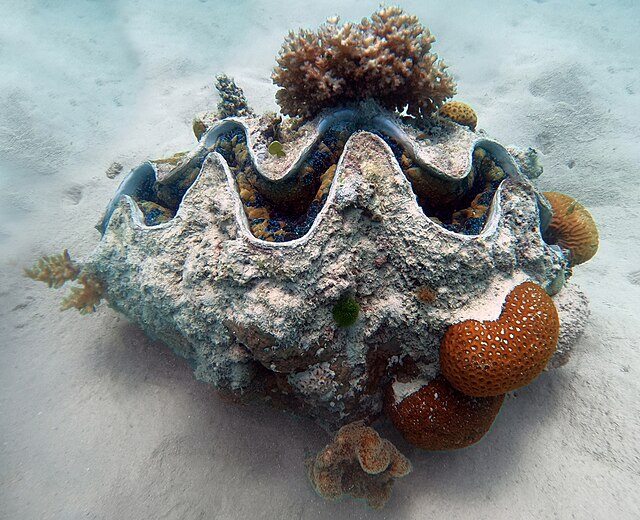
Conversely, most butterflyfish species feed primarily on or partially on coral polyps, making them generally incompatible with reef tanks. Large angelfish species can be problematic — certain species are known to nip the tissues of LPS corals, soft corals, and clams (giant clams). Triggerfishes and pufferfish also tend to have high aggression toward invertebrates and corals, and are typically avoided in reef tanks.
It's not that these fish will absolutely eat corals in all circumstances — individual behavior and tank environment can create variation — but recognizing them as high-risk groups is a practical way to avoid failure.
Watch for dietary shifts as fish mature
Cases have been reported where fish that were small and docile upon introduction begin nipping corals as they grow. Especially for species that reach large adult sizes, it's advisable to research their typical adult diet rather than relying solely on their juvenile behavior. If long-term reef tank success is the goal, it's important to envision the fish's mature form before introducing it.
Research and consultation before introduction
Before bringing home a new fish, confirm from multiple sources whether the species is generally considered reef-safe, and if possible, consult with aquarium shop staff about compatibility with your specific coral collection. Start with a small number, observe their behavior in the tank, and if problems arise, be ready to move them to a separate system — this flexibility helps minimize damage to corals.
Keep in mind that "reef-safe" evaluations can vary depending on information source. The same species may receive different ratings in different books and websites, likely due to individual variation and differences in tank environment. Rather than taking any single assertion at face value, cross-reference multiple sources and ultimately base your judgment on careful observation of how fish behave in your own tank.
Consider coral selection alongside fish choice
When planning fish compatibility, choosing hardy, resilient coral species will reduce the impact of incidental contact. Building your tank primarily around robust species like those featured in LPS Coral Basics and Beginner-Friendly Soft Corals, combined with careful fish selection, makes it easier to achieve a stable reef tank in the long term.