Differences Between Coral Tanks and Fish Tanks | Comparison of Reef Tanks and Fish-Only Aquariums
A comparison of reef tanks centered on corals and fish-only aquariums where fish are the main focus, from the perspectives of lighting, filtration, organism selection, and maintenance. An introductory article for those wondering which style to choose.
Key Takeaways
A comparison of reef tanks centered on corals and fish-only aquariums where fish are the main focus, from the perspectives of lighting, filtration, organism selection, and maintenance. An introductory article for those wondering which style to choose.
What's the Difference Between Reef Tanks and Fish-Only Aquariums?
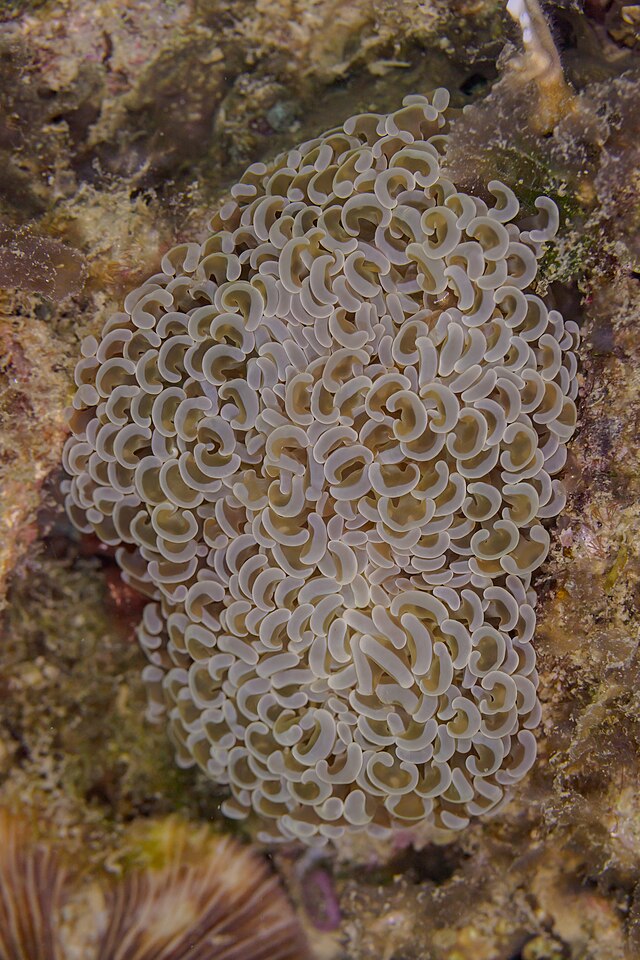
Saltwater aquariums are broadly divided into two styles: reef tanks, which center on corals, and a style known as "Fish-Only With Live Rock (FOWLR)," where fish are the main focus. Both use synthetic seawater and are built on live rock as a foundation, but because their goals differ, there are differences in equipment configuration and management approach.
For those starting a saltwater aquarium for the first time, deciding which style to pursue from the beginning helps prevent uncertainty in equipment selection and layout direction.
Differences in Lighting and Filtration Requirements
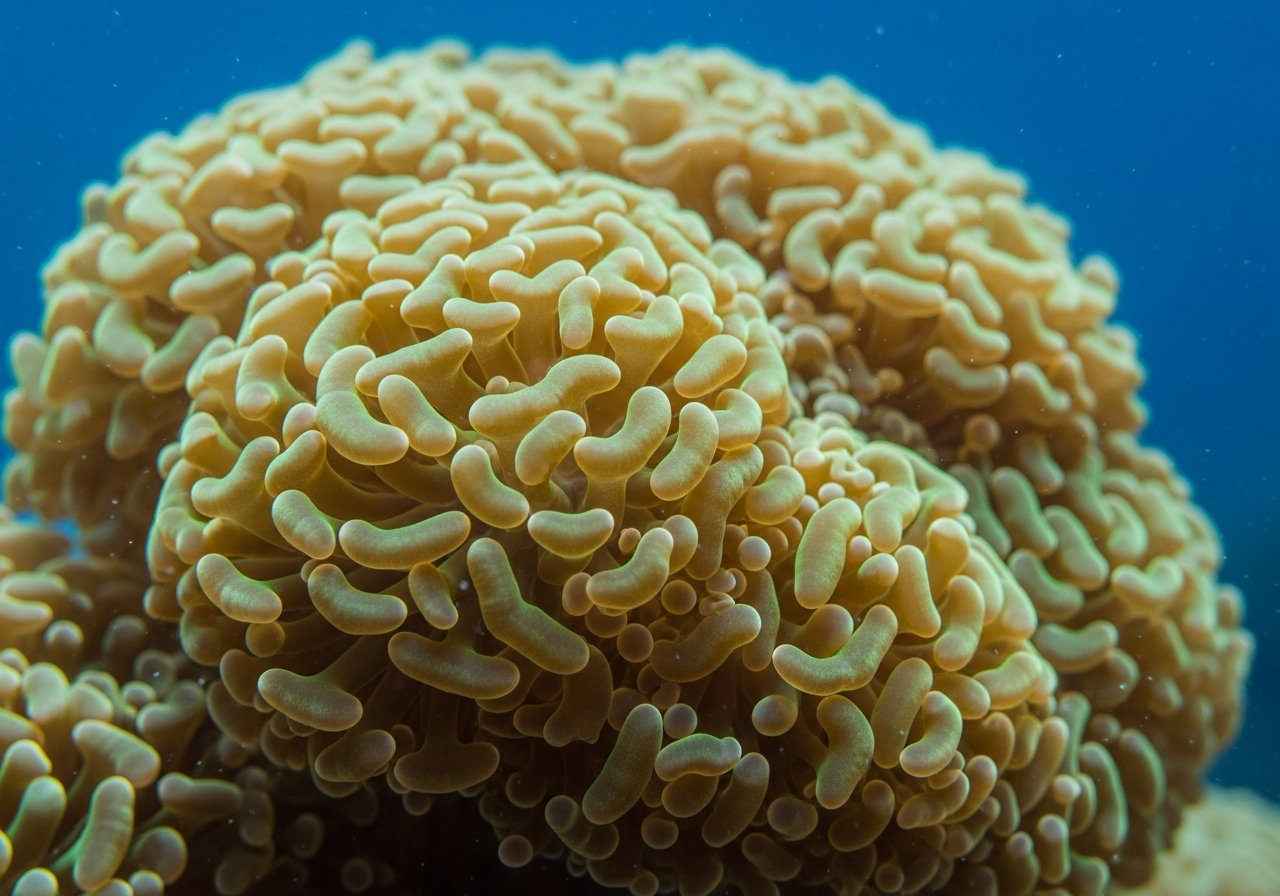
The most significant difference is lighting. Most corals host zooxanthellae—symbiotic algae living within their tissue—and obtain some of their nutrition through photosynthesis. For this reason, the light intensity and spectrum of the lighting directly affect coral growth and coloration. SPS corals like Acropora are prime examples of corals that especially require strong light intensity and stable water flow.
In contrast, in fish-only aquariums, lighting is primarily for viewing purposes, and strict light intensity management isn't necessary. Instead, greater emphasis tends to be placed on filtration capacity to process nitrogen compounds from fish waste and systems that stabilize water quality.
Perspectives on Choosing Organisms and Considering Compatibility
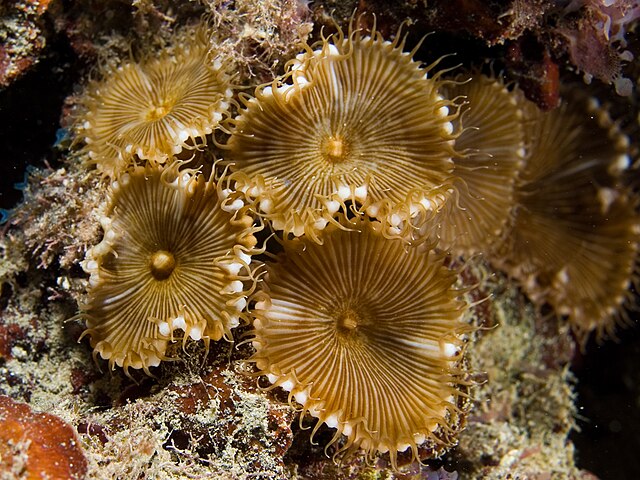
In reef tanks, you need to avoid fish species that sting or eat corals and select species that can coexist with corals. Additionally, layout must account for spacing between corals and space for growth after maturation. For beginners, corals like star polyps and zoanthids are often recommended because they are relatively hardy and resistant to environmental changes.
In fish-only aquariums, since there's no need to worry about impact on corals, the focus shifts to more active fish species and compatibility between territorial fish. For determining whether specific fish can be kept together, it's safest to research the characteristics of each species while consulting with aquarium specialty shops.
Differences in Maintenance Effort
Reef tanks require maintaining calcium, magnesium, and KH (carbonate hardness)—elements essential for coral skeleton formation—within a specific range through additives or water changes. While water quality management approaches are also discussed in reef tank water chemistry basics, reef tanks tend to have more measurement parameters than fish-only aquariums.
Fish-only aquariums, on the other hand, must prioritize filter capacity and water change frequency to manage the waste from fish, which tend to be fed more heavily. Since both styles require considerable effort, choosing based on your own interests—whether you're interested in coral care itself or prefer observing fish behavior—is one approach.
How to Decide If You're Unsure Which to Choose
You don't need to aim for a reef tank from the start. A common approach is to first establish a stable fish-only aquarium with live rock and hardy fish, become familiar with water quality management, then gradually transition to a reef tank by slowly introducing hardy soft corals.
Regardless of which style you choose, following the cycling procedures described in reef tank setup and introducing organisms only after water quality is stable are key points that prevent failure. The secret to sustaining long-term success is making a sustainable choice based on how much effort you can dedicate and what type of viewing experience you want to enjoy.
Differences in Equipment Investment Approach
If you aim for a reef tank, lighting directly impacts coral growth and coloration, so equipment investment tends to be higher, including high-performance LED lighting and pumps that create water flow from multiple directions. Additionally, many hobbyists gradually add supplementary equipment such as calcium reactors or automated additive dosing systems to stabilize water quality.
In fish-only aquariums, many hobbyists prioritize filter capacity and biological filtration capacity over lighting, with emphasis on protein skimmer performance and filter size relative to water volume. For both styles, there's no need to acquire all equipment perfectly from the start; adding equipment gradually while observing tank conditions is sufficient.
Differences in the Pace of Introducing Organisms
In reef tanks, each time you introduce corals, the nutrient balance and light levels within the tank are affected, so it's common to gradually increase the number of corals rather than adding many at once. Especially in newly established tanks where water quality fluctuates easily, it's recommended to follow quarantine procedures as described in coral selection and acclimation.
Fish-only aquariums also face water quality degradation from sudden increases in organism count, so it's similarly important to add fish gradually while confirming filtration keeps up with the bioload. For both styles, the principle of "adding organisms gradually while staying within the tank's capacity" leads to long-term stability.