Getting Started with Nano Reefs (Small Coral Tanks): Tips and Precautions
Explaining the appeal and risks of small tanks, along with key points for equipment and organism selection when starting a nano reef.
Key Takeaways
Explaining the appeal and risks of small tanks, along with key points for equipment and organism selection when starting a nano reef.
What is a Nano Reef?
Nano reef refers to a style of keeping corals in small aquariums, typically holding around tens of liters of water. Its appeal lies in requiring minimal space—tanks can be placed in a corner of a room or even on a desk—and needing less equipment and lower maintenance costs compared to larger systems. However, smaller water volume brings not only advantages but also unique considerations. In addition to the general equipment selection principles covered in Basic Guide to Equipment Selection Before Starting Saltwater Fish Keeping, approaching your setup with insights specific to small tanks is key to maintaining the system long-term.
Risks of Low Water Volume
Tanks with low water volume experience more rapid shifts in water quality and temperature compared to larger tanks. Even small amounts of overfeeding or excess additives can cause significant concentration changes, and conversely, incorrect water change volumes or timing can alter the entire environment suddenly. The tank is also more susceptible to room temperature fluctuations, making it necessary to monitor seasonal temperature variations carefully. Water level drops from evaporation also directly affect concentration changes more dramatically with smaller volumes, so staying attentive to water top-off timing becomes a critical management point unique to small tanks. Understanding this magnitude of change and committing to frequent observation and gradual adjustments forms the foundation for stabilizing a nano reef.
Approach to Equipment Selection
With small tanks, selecting equipment with output and size proportional to water volume is crucial. Lighting that is excessively strong for tank capacity easily causes temperature rise or excess light, while lighting that is too weak makes coral maintenance difficult—choose equipment within a range appropriate for your tank size. Water circulation pumps also require careful adjustment; overly strong flow in a confined tank becomes stressful for organisms, so equipment that can be adjusted based on tank shape is easier to manage. Regarding filtration, since small volume means water quality deterioration has larger consequences, ensuring generous filtration capacity relative to bioload provides reassurance.
Setting Up and Cycling
Starting a nano reef follows the same basic sequence as large tanks: after setting up the tank, do not immediately add organisms; instead, proceed through a cycling period to cultivate beneficial bacteria before introducing life. Following the steps introduced in Reef Tank Setup: The Path from Cycling to Initial Maintenance, remain mindful that small tanks experience more rapid water quality changes, and progress through cycling while frequently monitoring its advancement. When introducing organisms, adding them gradually while observing conditions—rather than all at once—helps avoid sudden stress on water quality.
Tips for Organism Selection
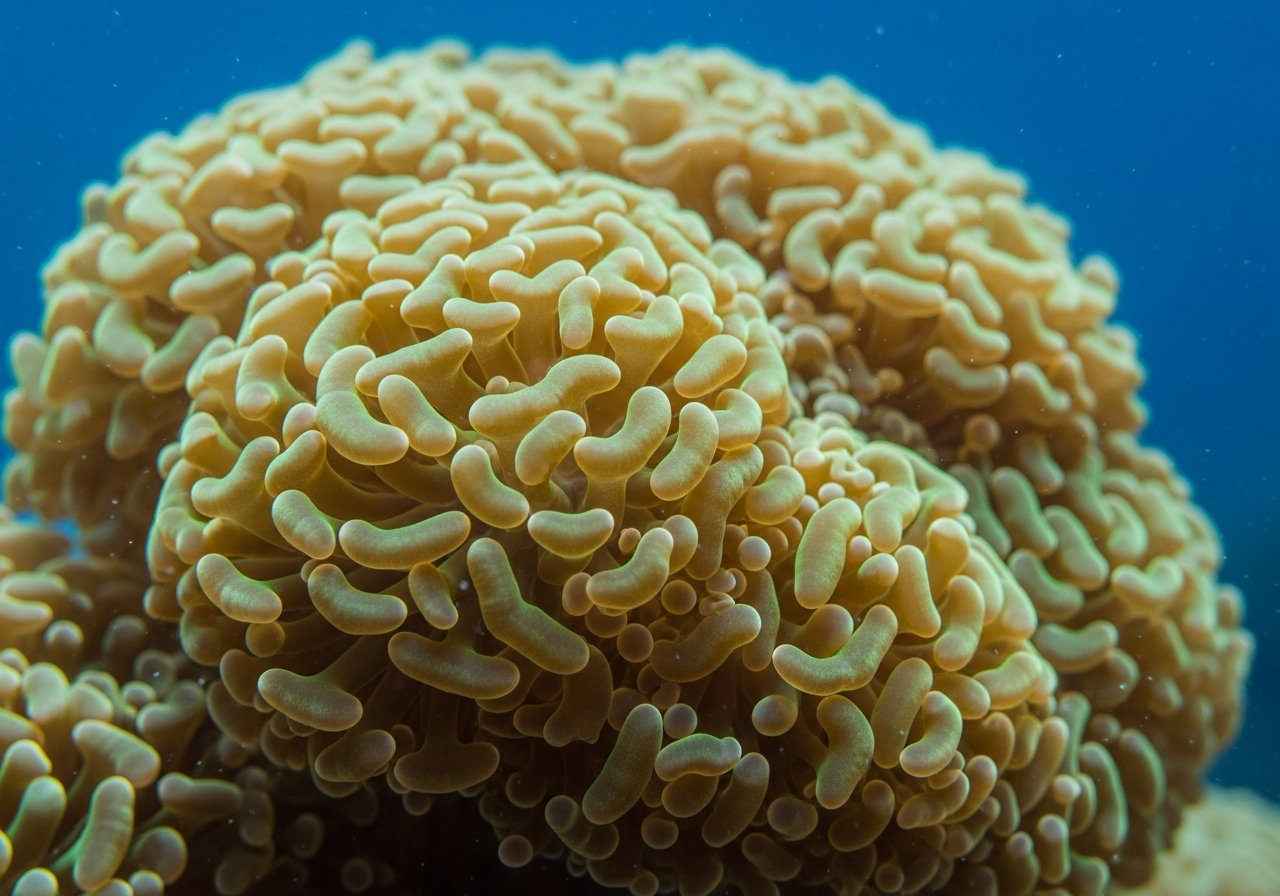
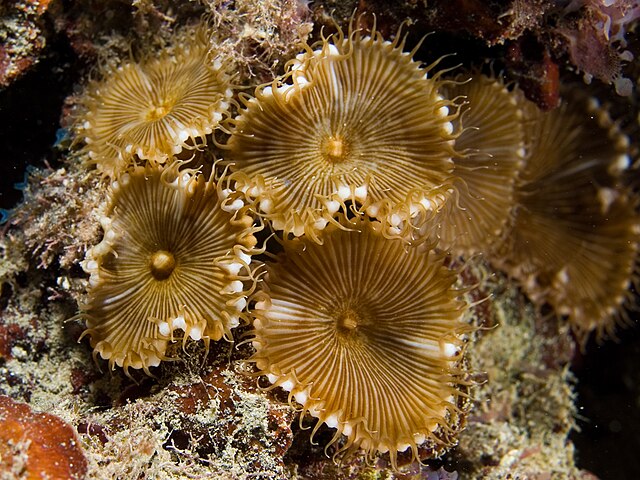
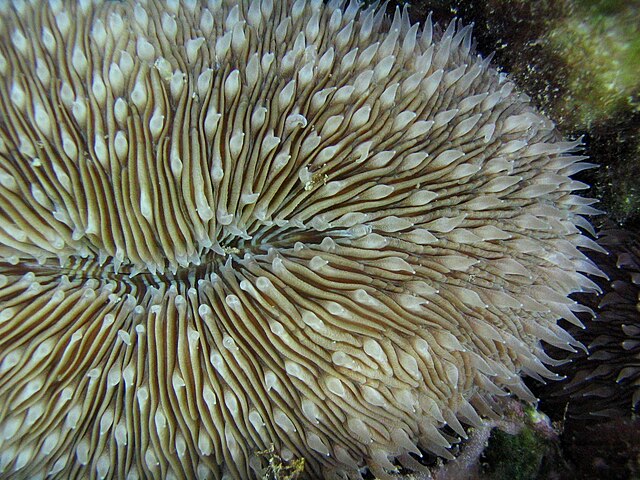
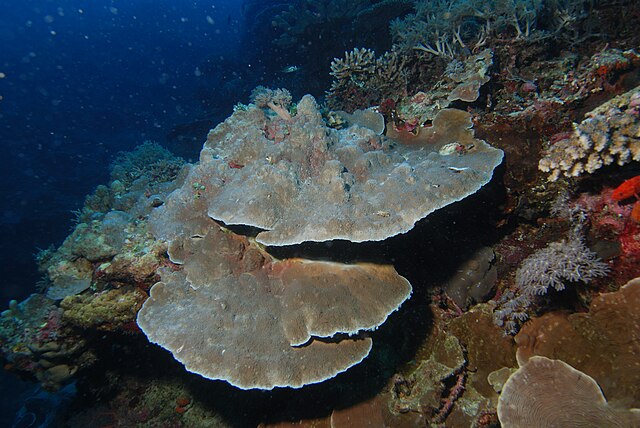
In small tanks, species that grow large and spread widely, or those requiring strong flow or expansive space, become difficult to manage. Focusing on hardy species that remain relatively compact makes maintenance easier within limited space. Conversely, species that spread creeping across unlimited area quickly crowd out other organisms in small tanks, so researching their growth patterns at the selection stage makes planning easier. For fish as well, considering smaller species that do not require much swimming space is advisable. Differences Between Coral Tanks and Fish-Only Tanks: Comparing Reef and Fish-Only Systems and Reef-Safe Fish and Coral Compatibility: Selecting Compatible Tank Mates are also helpful references when selecting organisms.
Daily Management for Long-Term Maintenance
Because nano reefs easily show dramatic changes, daily observation directly translates to stable maintenance. Frequently check for sudden changes in temperature and water quality, and adjust water change and additive amounts gradually rather than making large changes all at once—this habit proves invaluable. Understanding the basic water chemistry parameters covered in Coral Tank Water Chemistry: Basics of KH, Calcium, and Magnesium makes it easier to notice small anomalies early. If confusion persists about management decisions, consulting with aquarium specialty shops or experienced keepers is worth considering, rather than continuing with trial-and-error approaches alone. Working through the Coral Encyclopedia to understand the characteristics of hardy and easy-to-manage species while selecting organisms suited to your tank size would be ideal.