Essential Equipment Selection Guide Before Starting a Saltwater Aquarium
For those beginning saltwater aquarium keeping, this guide organizes the fundamentals of selecting essential equipment—tank, filtration, lighting, water flow, artificial seawater, and more. We also explain how equipment needs differ between fish-only tanks and reef tanks.
Key Takeaways
For those beginning saltwater aquarium keeping, this guide organizes the fundamentals of selecting essential equipment—tank, filtration, lighting, water flow, artificial seawater, and more. We also explain how equipment needs differ between fish-only tanks and reef tanks.
Overview of Equipment Needed for Saltwater Aquariums
When beginning to keep saltwater fish or corals, the major difference from freshwater aquaculture is the added process of "creating seawater and carefully managing water quality." A tank, filtration system, lighting, water flow pump, hydrometer, and various test kits—the range of equipment needed far exceeds freshwater setups. Understanding the full picture of what equipment is necessary from the start reduces the hassle of purchasing additions later and prevents the failure of selecting incompatible gear.
The required equipment grade varies depending on whether your target is fish only ("fish-only tank") or whether you plan to keep corals as well ("reef tank"). Lighting and water flow are especially critical for coral keeping, so if you plan to eventually try corals, considering an expandable equipment configuration from the outset prevents waste.
Selecting Tank and Filtration System
For the tank itself, both glass and acrylic are viable options, but for a first saltwater tank, considering weight and maintenance, we recommend selecting a size that allows for a reasonable water volume. If the volume is too small, water quality changes rapidly and management difficulty increases.
For filtration, several options exist, including external filters or combinations of overflow tanks with sumps (filter tanks). The sump method offers the advantage of placing protein skimmers, heaters, and additive injection outside the main tank, allowing a cleaner appearance while securing ample management space. Protein skimmers (protein separation devices) are equipment unique to saltwater tanks, removing organic matter from the aquarium water as foam from the surface, preventing water quality degradation. This is equipment worth considering when continuing saltwater keeping.
Selecting Lighting and Water Flow Pumps
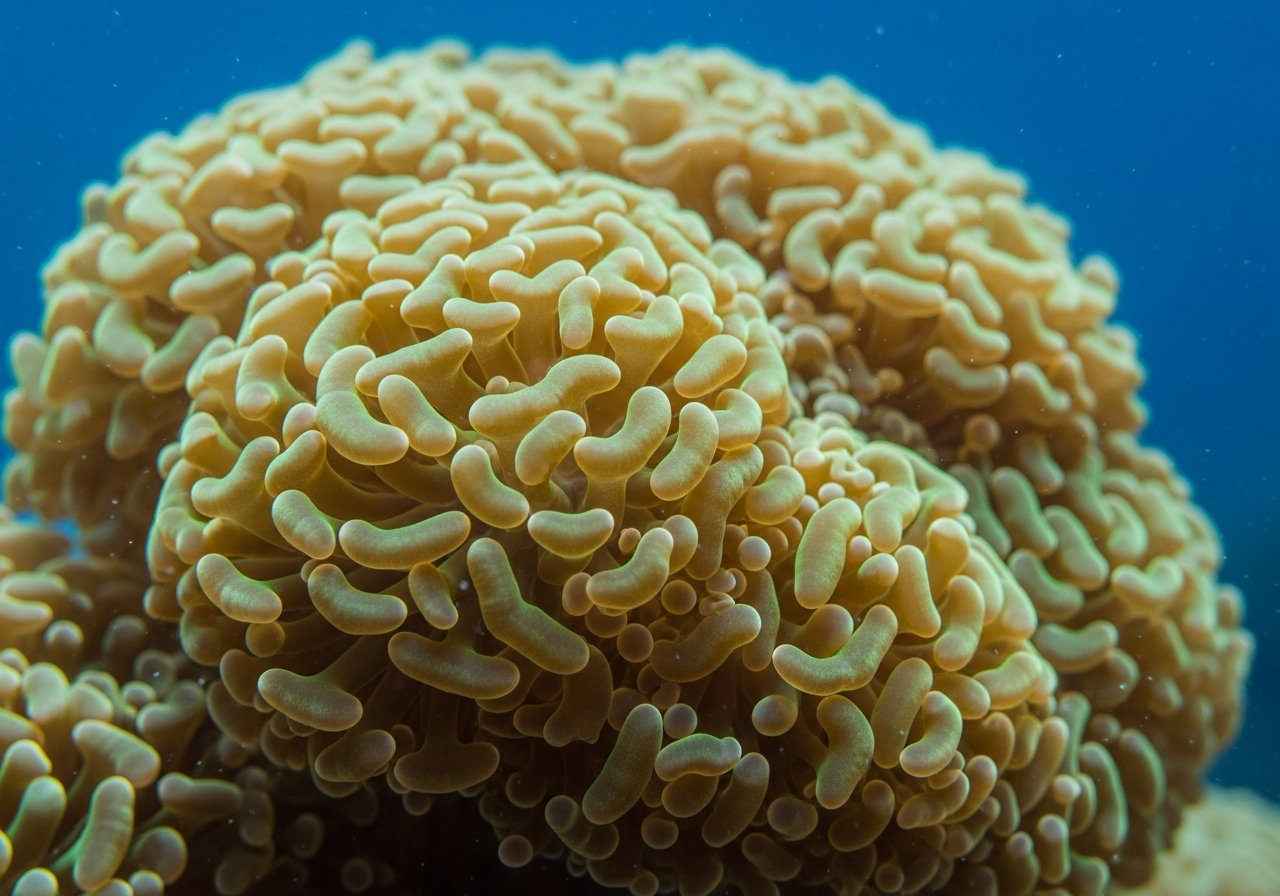
If you plan to keep corals, LED lighting capable of measuring PAR values (photosynthetic photon flux density) is the mainstream choice. Soft corals are often easy-to-manage species requiring relatively low light, and the coral guide introduces beginner-friendly species as well. Conversely, SPS corals are a group requiring strong light and stable water flow, so selecting lighting grade to match the organisms you want to eventually keep prevents regret.
Water flow pumps circulate water in the tank, assisting coral respiration and feeding, and preventing detritus (organic debris) accumulation. Options include multiple pump installations creating random flow, or use of wave-making pumps.
Artificial Seawater and Basic Water Quality Testing
For saltwater fish and coral keeping, it is standard to create artificial seawater by dissolving sea salt mix in RO/DI water (water purified through reverse osmosis and ion exchange resin). Using tap water directly introduces chlorine, heavy metals, phosphate, and other substances, potentially causing algae blooms and stress to organisms, which is why most keepers install RO/DI water purifiers.
Establish a habit of regularly checking basic parameters—specific gravity (or salinity), pH, KH (carbonate hardness), calcium, and magnesium—using dedicated test kits or optical hydrometers. Detailed water quality management concepts are also explained in reef tank water chemistry basics.
Approach to Avoiding Equipment Selection Mistakes
When acquiring equipment, there is no need to aim for the highest price range from the start, but maintaining the perspective of "expandability later" provides peace of mind. For example, allowing adequate tank size and filter tank capacity means you can add organisms without replacing the tank itself.
Additionally, water quality tends to be unstable in early setup phases, so it is important to plan according to reef tank setup procedures, allowing time for cycling (establishment of filter bacteria) before introducing organisms. Understanding equipment selection and setup procedures becomes the first step in maintaining a stable saltwater aquarium long-term. Gradually acquiring equipment while understanding each piece's role, without rushing, ultimately leads to a tank setup with minimal burden on both organisms and keeper.
Location and Safety Measures Should Not Be Overlooked
Beyond the equipment itself, deciding where to place your tank is an often-overlooked consideration. A filled tank weighs far more than one might expect, requiring a location with adequate floor load capacity and level surface. Areas with prolonged direct sunlight tend to cause water temperature rise and algae growth, while locations with direct air conditioner airflow cause unstable temperatures, so avoiding both is prudent.
Electrical safety is also an important consideration. Since multiple power sources are used—heaters, pumps, lighting—avoid daisy-chaining power cables around the tank, position power strips above tank level as a water-leak precaution, and employ ground fault circuit interrupters for electrocution prevention. Considering earthquake-resistant measures such as anti-slip mats or rack securing against tank tipping and dropping is also advisable.
These installation and safety considerations may seem unrelated to keeping organisms themselves, but they form the foundation for stable long-term tank maintenance. Planning alongside equipment selection—including your installation environment—prevents unexpected problems. A well-designed setup from the start is the key to sustainable, stable marine aquarium keeping.