LPS Polyp Extension and Recovery Strategy — How to Recognize Stress Symptoms
Using LPS coral polyp extension patterns as a clue, we organize how to distinguish signs of stress and decline, and the approach to take when waiting for recovery after transport or fragging.
Key Takeaways
Using LPS coral polyp extension patterns as a clue, we organize how to distinguish signs of stress and decline, and the approach to take when waiting for recovery after transport or fragging.
One of the appeals of LPS corals is the sight of polyps swelling large and covering the tank, but conversely, the "degree of swelling" also serves as an indicator that directly reflects the specimen's health status. Here we organize how to distinguish stress symptoms by using polyp extension as a clue, and the approach to recovery for specimens that have retracted after transport or fragging.
Polyp Extension as a Response to Environment
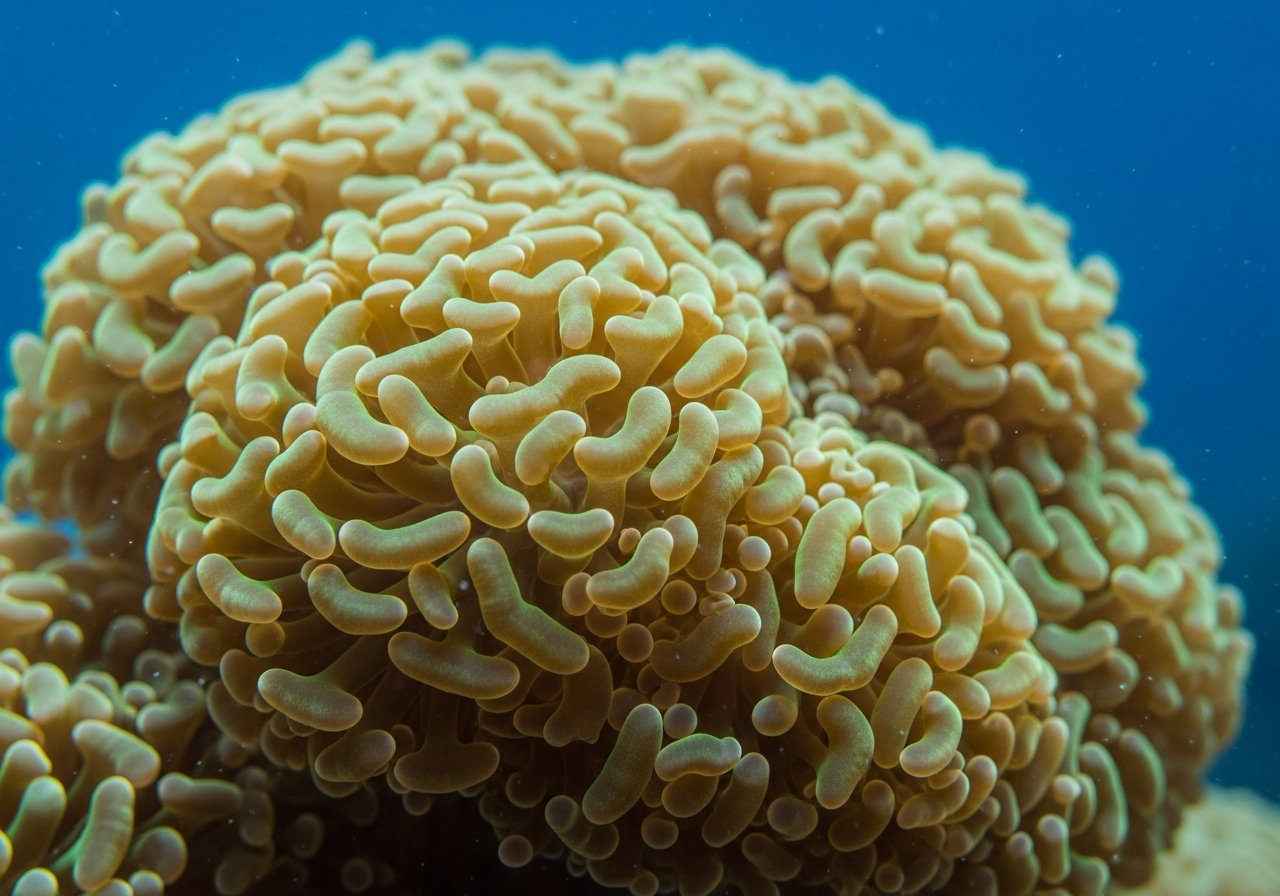
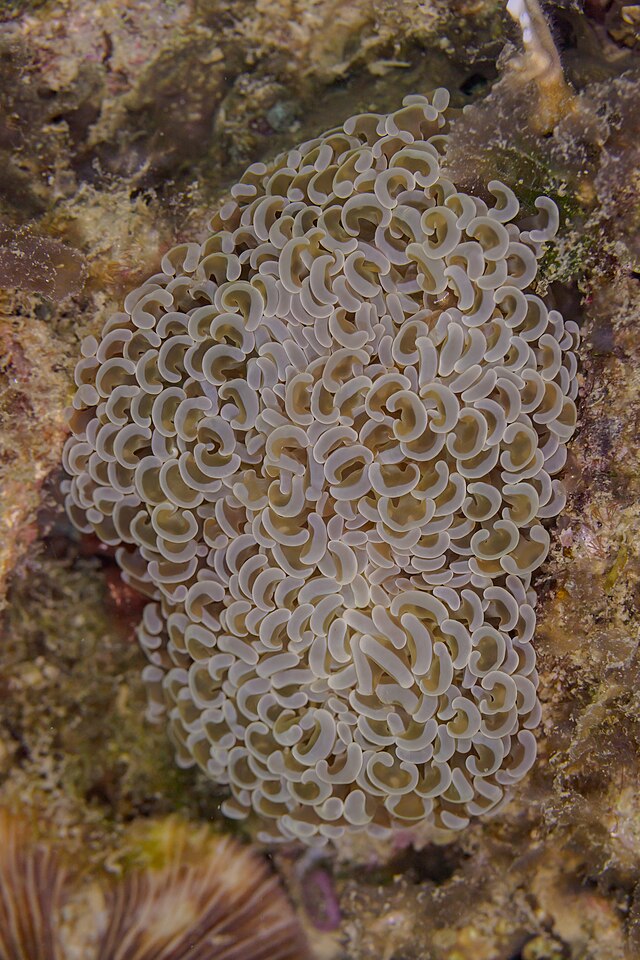
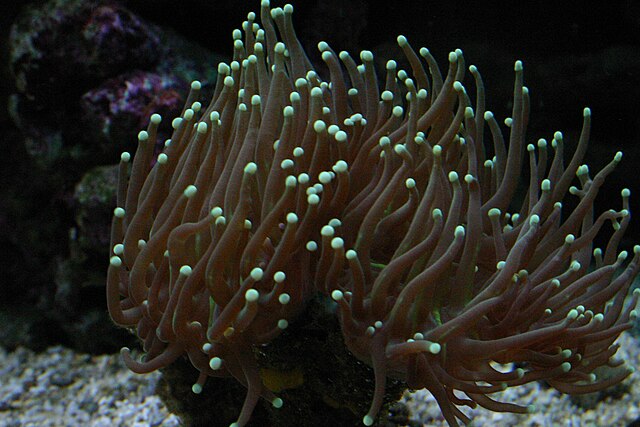
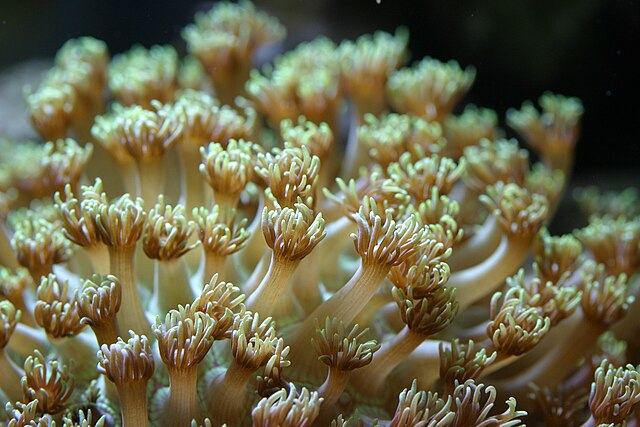
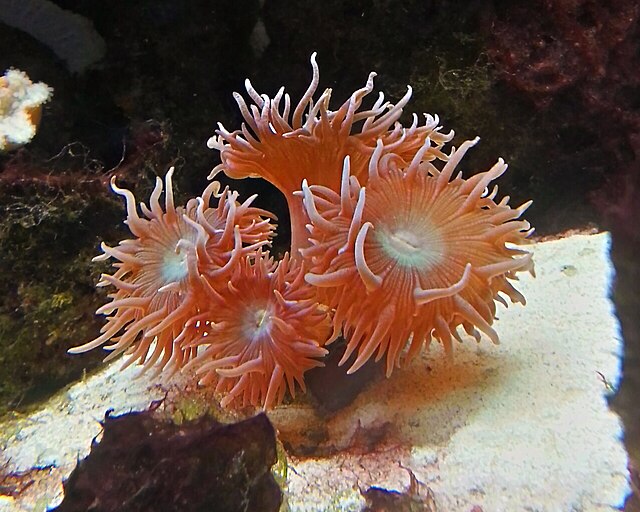
Euphyllia species like hammer coral, torch coral, and frogspawn, as well as open-brain LPS like Trachyphyllia, expand their tissue so widely in daylight that the skeleton is not visible when conditions of light, water flow, water quality, and feeding are favorable. Conversely, when conditions are unfavorable or stress occurs, they react by retracting their polyps and exposing the skeleton.
In other words, polyp extension is an immediate sign that reflects "comfort at that moment," and it changes with combinations of the following factors.
- Light intensity and spectrum (extension may be poor if too strong or too weak)
- Water flow strength and direction (direct strong flow tends to keep it closed)
- Water quality (rapid changes in nitrate, phosphate, KH, Ca, etc.)
- Contact with adjacent specimens or sweeper tentacle attacks
- Response to feeding (many species change their opening pattern before and after feeding)
What Permanently Retracted Polyps Tell Us
We need to distinguish between a state of "constantly closed" and "temporarily closed." It is natural behavior to retract temporarily after feeding or around lights-off, but if it does not open for long periods even during calm daytime hours, it is better to regard this as a sign that there are aspects of the environment that need review.
- Closed for a few days to about a week after introduction → Likely an acclimatization period to the new environment
- Closed only in a specific direction → Suspect the direction of water flow or positioning relative to adjacent specimens
- Overall shrinkage with increased mucus → Suspect rapid water quality changes or stress load
- Skeleton beginning to appear white in places → Sign that tissue recession has begun
Water flow management and the approach to placement and spacing are covered in detail in our existing articles on water flow management and placement and cohabitation, so please refer to those as well when reviewing environmental factors.
Time Frame for Recovery After Transport or Fragging
After mail delivery, relocation, or fragging work, many LPS temporarily close their polyps. This is thought to be due more to environmental change and hormonal stress response than to tissue damage, and in most cases they gradually reopen within a few days to one or two weeks. Key considerations during the recovery period are as follows.
- Do not use full lighting from the start; acclimate gradually over several days from low to moderate intensity
- Do not direct water flow at it; adjust so the flow diffuses
- Do not force feeding until it opens; prioritize stabilizing water quality
- Even while the skeleton is visible, continue observing for abnormal increases in mucus or color changes
Recovery rates vary greatly between individual specimens and species, and there is no universal standard such as "it will definitely open in X days." It is generally said that patience in stabilizing the environment and waiting is more effective for recovery than rushing to provide stimulus. If you frequently adjust lighting or water flow during the recovery period, the specimen will perceive each change as a new environmental shift, potentially extending the time until it settles. Once you have established stable conditions, the patience to observe without making changes for a while is also necessary.
What Long-Term Observation Reveals
Polyp extension patterns serve as an indicator not only of short-term stress symptoms but also of long-term health in specimens. As you observe the same specimen over months to years, you will notice that the extension pattern changes in response to seasonal shifts and changes in overall tank balance. For perspective on maintaining large specimens long-term and preserving them as lineages, articles covering long-term keeping and lineage preservation are also helpful.
If you observe changes that are unclear (sudden skeleton exposure, tissue discoloration, mucus with odor, etc.), we recommend consulting a specialist aquarium shop or experienced hobbyist before attempting treatments based on your own judgment. When seeking advice, it helps if you organize timeline information such as when the polyps began closing, whether there is a response to feeding, and what the surrounding water quality test values are, as this makes the situation easier to communicate.