Goniopora: Care and Precautions
This article explains the characteristics and key care points of Goniopora, a coral known for being difficult to maintain long-term, focusing on water flow, lighting, and feeding.
Key Takeaways
This article explains the characteristics and key care points of Goniopora, a coral known for being difficult to maintain long-term, focusing on water flow, lighting, and feeding.
What Kind of Coral is Goniopora?
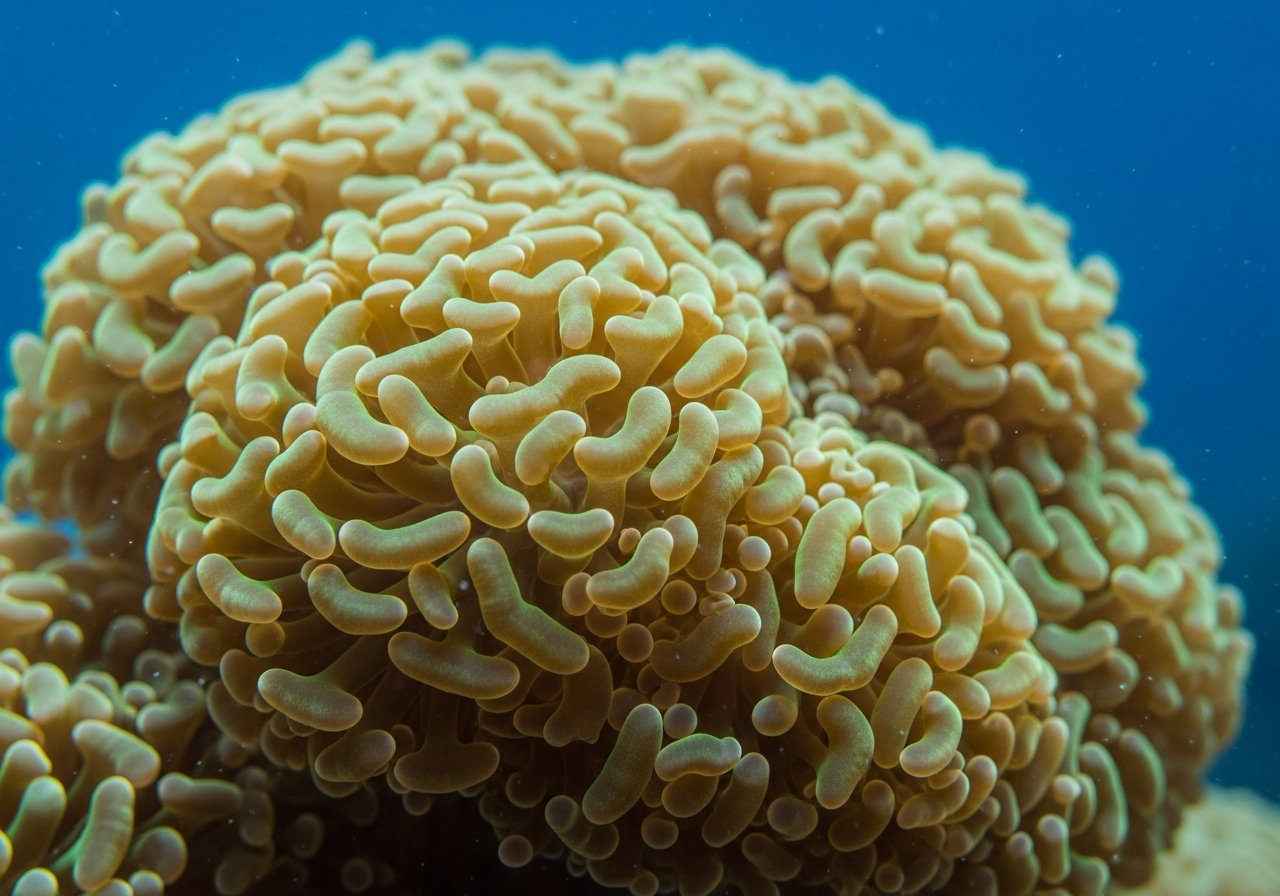
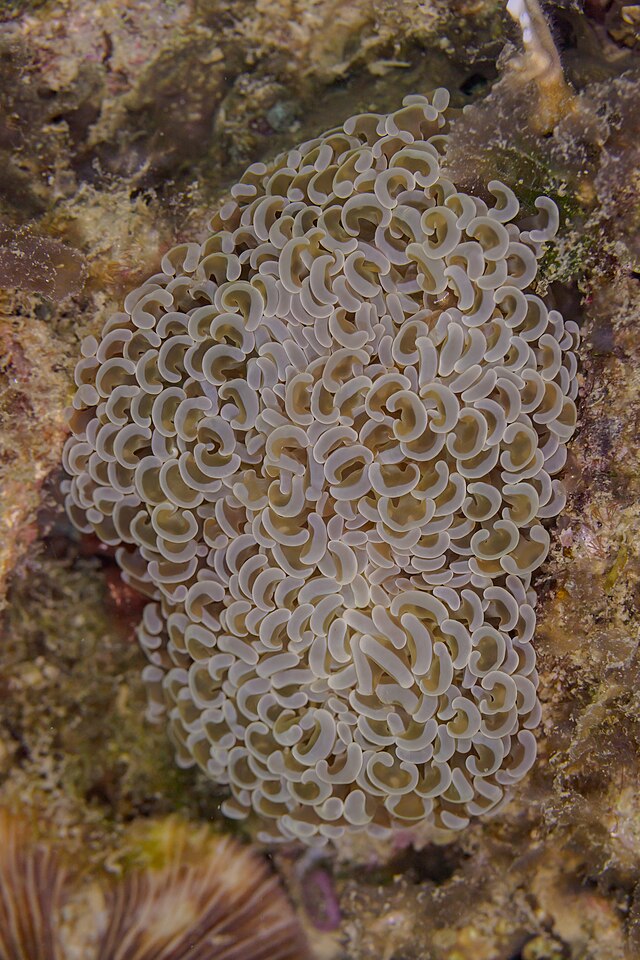
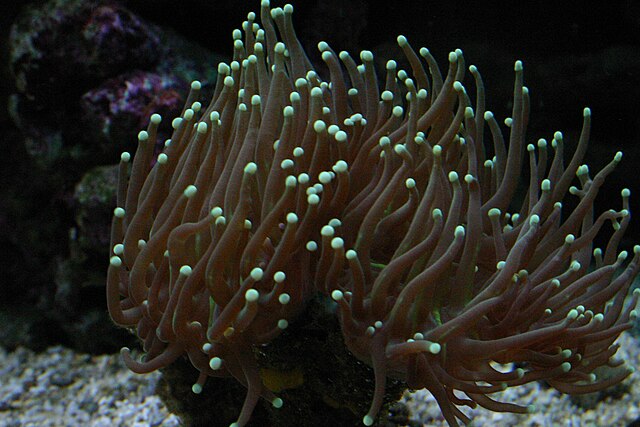
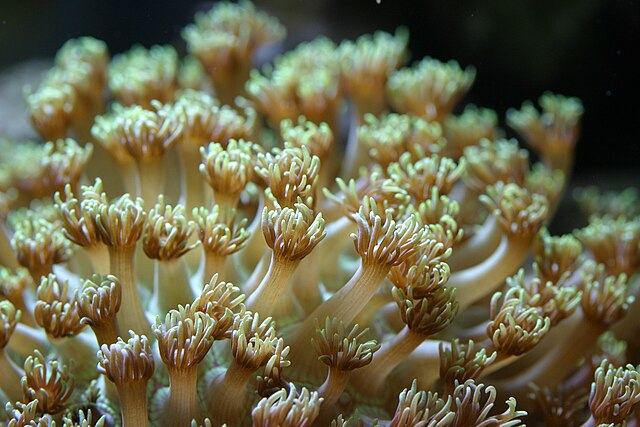
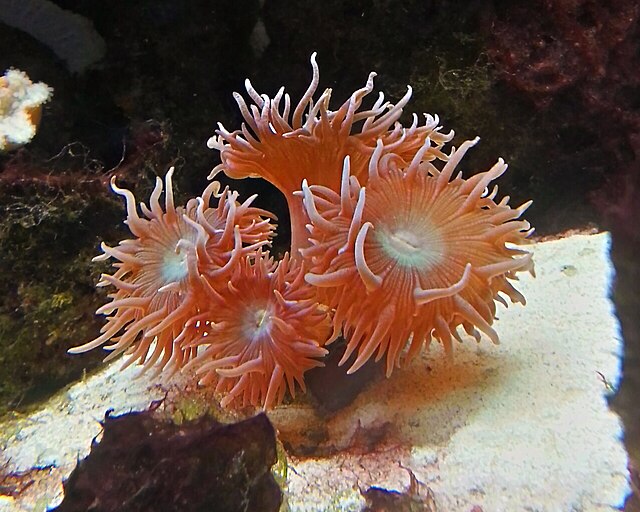
Goniopora is a coral classified as a large-polyp stony (LPS) coral, with the Japanese name Hanagasa coral. It is characterized by long, extended polyps that open in a branching manner and gently sway with water currents, making it a striking presence in the aquarium. While its skeleton belongs to the hard coral family, its soft appearance sometimes leads to confusion with soft corals.
While Goniopora is popular for its visual beauty, it is known among aquarists as "a coral that is difficult to maintain long-term." Even if polyps open vigorously immediately after introduction, cases have been reported where they gradually stop opening well and lose vitality over the course of several months to half a year.
Reasons Why It Is Considered Difficult
There are several overlapping factors behind the high difficulty of keeping Goniopora.
- In the wild, it lives as a solitary organism in shallow sandy areas with good tidal flow, which differs significantly from the closed aquarium environment in terms of water quality and flow conditions
- Because polyps remain in a constantly extended state, energy expenditure is high, and it has been noted that continuous feeding with fine particulate matter may be necessary
- Polyps are susceptible to strong water flow and mechanical contact, and damage to tissues protecting the skeleton easily becomes a trigger for infection or decline
- Transportation stress at the time of introduction or acclimation failure easily leads to subsequent long-term decline
Because these multiple factors are intertwined, the difficulty of keeping Goniopora is thought to stem from the fact that it is not a coral that can be kept simply by maintaining good water quality.
Key Points for Setting Up the Right Care Environment
When introducing Goniopora, it is important to carefully consider placement location and how to direct water flow. Strong direct water flow tends to damage polyps, so it is important to create a layout where indirect and gentle flow reaches the entire coral. Regarding lighting, while it does not require as much light as SPS corals like Acropora that prefer strong light, it should avoid extremely low light or rapid changes in light intensity.
Placement near the substrate or in a low position close to the sand bed is thought to suit the coral well, and finding an arrangement where gentle flow reaches the entire polyp while utilizing a wavemaker for the coral tank is the first step in care. On the water quality side, rapid changes should be avoided, and as explained in coral tank water chemistry management, maintaining stability of KH, calcium, and magnesium is fundamental, along with a balanced approach to avoid extreme depletion of nutrients.
Feeding and Daily Observation
In addition to photosynthesis, Goniopora is thought to feed on fine particulate matter. Incorporating target feeding with fine particulate food similar to zooplankton may help maintain the coral's vitality. It is important to gradually adjust the frequency and amount of feeding based on the individual's response, keeping it within limits that do not cause water quality deterioration.
In daily observation, a habit of checking polyp opening daily is helpful.
- Whether significant differences appear in polyp opening and closing between morning and evening
- Whether there is any white necrosis or mucus abnormality on the skeleton surface or base
- Whether there is any contact or aggression from surrounding corals or organisms
Keeping continuous records of these observations can lead to early detection of health changes.
The Importance of Recording Progress
For corals like Goniopora where health changes progress gradually, relying only on daily memory for management can make it difficult to accurately recall when problems started. Keeping even simple records of the introduction date, feeding frequency, water quality measurements, and polyp opening condition can become clues for later investigating what triggered the health changes. As introduced in coral specimen history and lineage management, keeping records of provenance and care are more than just documentation—they also become reference material for decisions when introducing the next coral.
Precautions During Introduction and Long-Term Care
Immediately after introduction, transport damage remains, so it is desirable to take more time than usual for acclimation (drip method) and avoid rapid water quality changes. For some time after introduction, polyp opening tends to be unstable, so avoid hastily increasing feeding or strengthening water flow; instead, ensure the coral has time to acclimate to its environment.
If you notice that polyp opening has worsened during long-term care, it is helpful to review whether any changes have occurred in water flow, lighting, or water quality. If the cause cannot be identified and improvement is not seen, rather than administering medications based on your own judgment, it is recommended to consult with a specialty aquarium store knowledgeable about coral care or an aquarium expert. While Goniopora is certainly not an easy coral to keep, it is a coral whose long-term care potential can be expanded through careful and consistent environmental management.