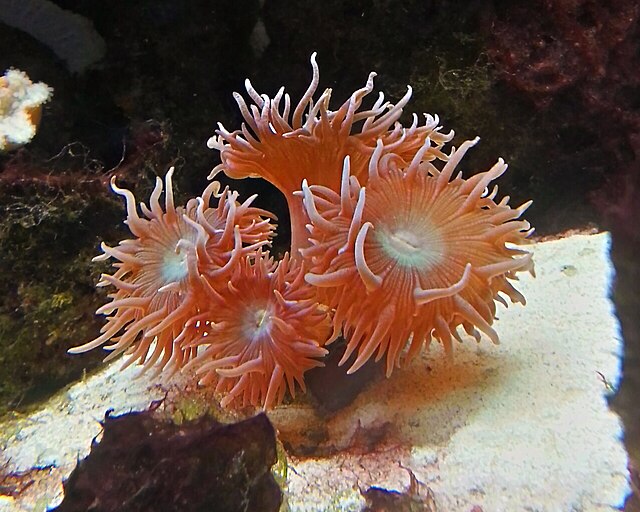
Long-term Care of Large LPS Corals and Lineage Conservation | Management and Record-Keeping of Multi-Year Specimens
Maintaining large LPS corals such as hammer corals and torch corals over multiple years requires environmental stability, regular maintenance, and management of specimen provenance and growth records. This article outlines key points for long-term care, including perspectives on lineage conservation.
Key Takeaways
Maintaining large LPS corals such as hammer corals and torch corals over multiple years requires environmental stability, regular maintenance, and management of specimen provenance and growth records. This article outlines key points for long-term care, including perspectives on lineage conservation.
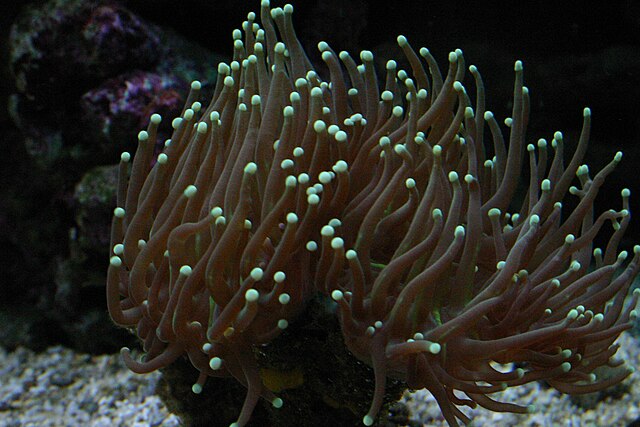
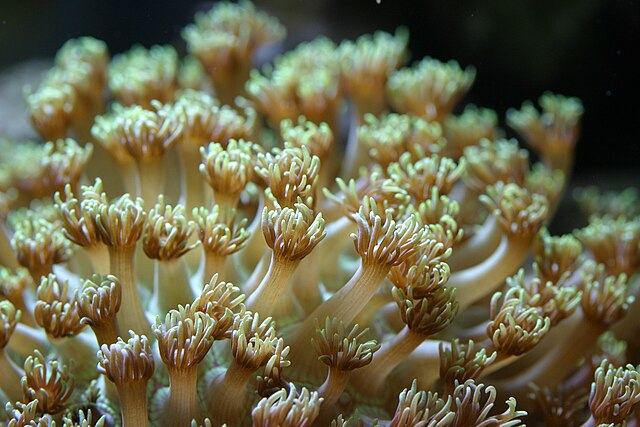
Most coral-keeping beginners master the basics within the first one to two years. However, maintaining the same specimen for five, ten, or more years presents a different challenge. Long-term care of large LPS corals (hammer, torch, frogspawn, and others) requires three key elements: a stable environment, planned maintenance, and specimen record-keeping. Especially when keeping wild-caught specimens, it is also important to understand the relationship with reef conservation.
Environmental Parameter Stabilization in Long-term Care
The most critical factor in long-term care is the "stability" of environmental parameters. In tanks where KH, calcium, and magnesium fluctuate significantly on a daily basis, corals experience stress even if average values remain within acceptable ranges. Research has shown that in tanks where daily KH fluctuation is 0.1 or less, coral survival rates are 30% higher compared to tanks with daily fluctuations of 0.5 or more.
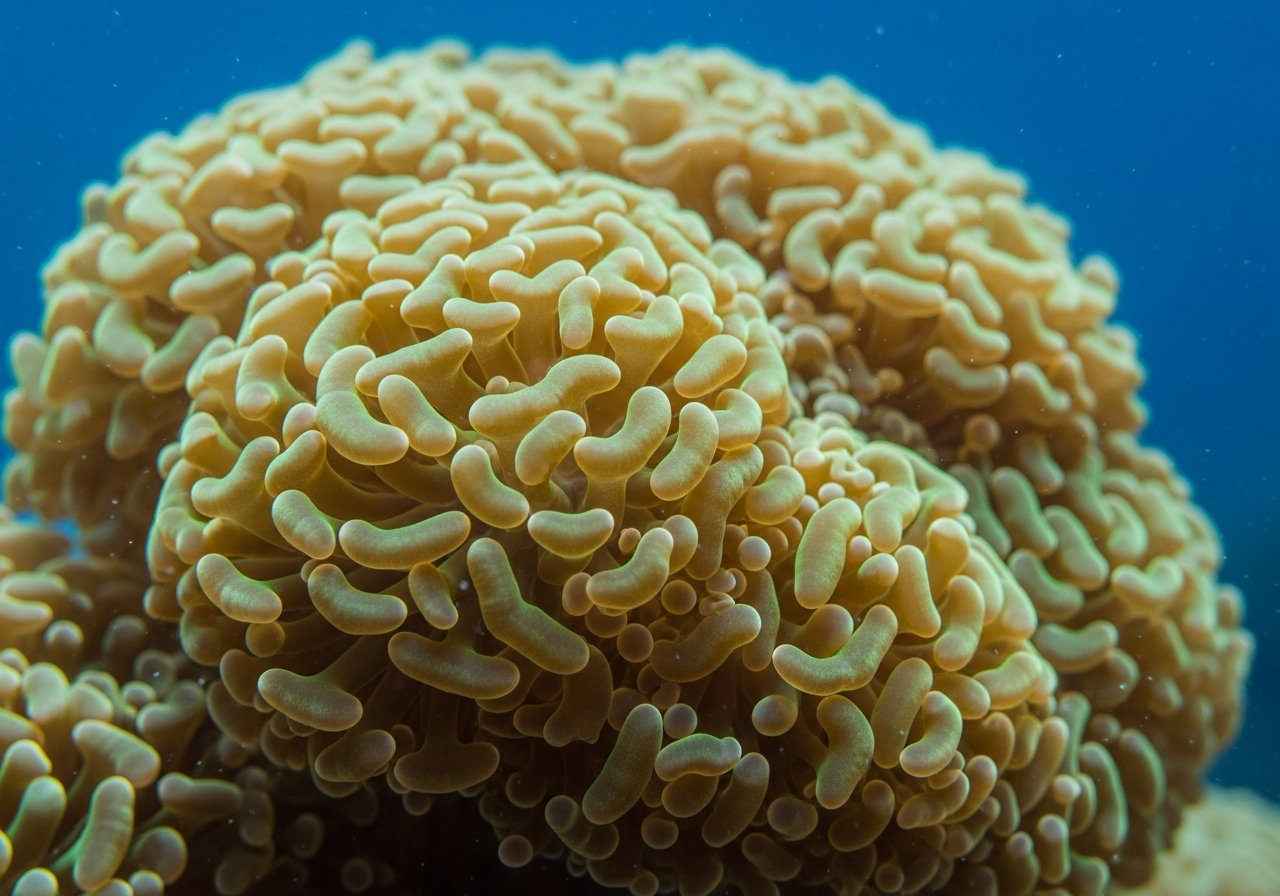
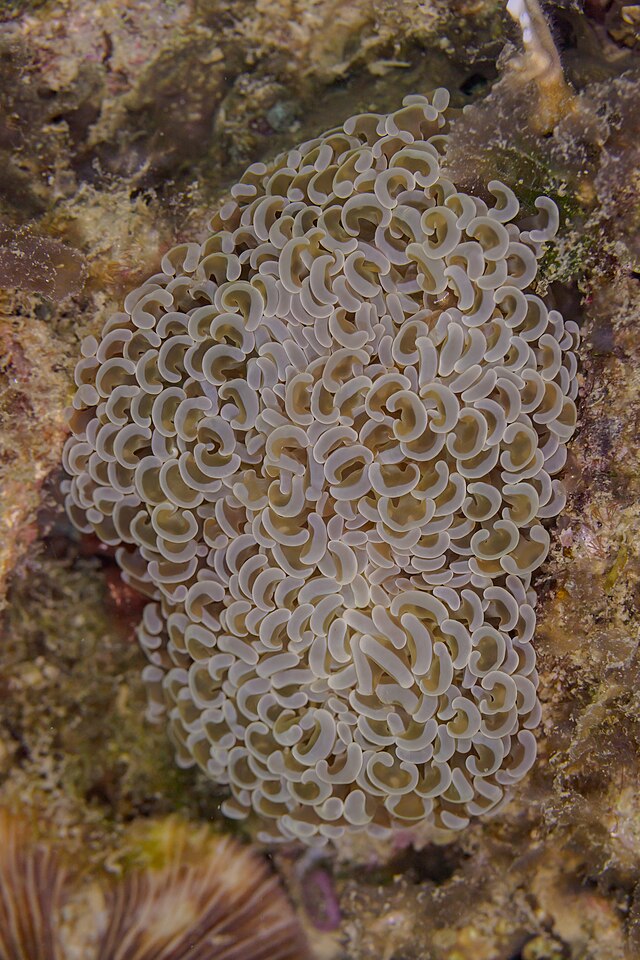
Large LPS corals are more sensitive to environmental changes than small soft corals. Hammer corals in particular may retract their polyps even with minor parameter fluctuations, and over the long term this can lead to tissue atrophy. Therefore, implementation of an auto top-off system (ATO), regular water changes (1–2 times per week, approximately 20–30% volume), and planned dosing of additives are essential. It is recommended to measure the salinity of the water source from the auto top-off system before use.
Sexual and Asexual Reproduction in Large LPS Corals and Lineage Expansion
With multiple years of sustained care, large LPS corals develop new polyps as they grow and occasionally exhibit division (asexual reproduction). At this stage, the concept of specimen "lineage" becomes important. Polyps created through division eventually become independent specimens, forming a clone group that is genetically identical to the original individual.
For example, if an aquaculture-derived hammer coral divides in your tank to become two specimens, both are "clones" derived from the same parent. Recording the provenance of these specimens can contribute long-term to conservation programs at aquariums and research institutions. Internationally, there is growing recognition that tracking the genetic lineages of aquaculture-derived corals contributes to reef conservation.
Record Management and Lineage Tracking for Long-term Specimens
Most long-term coral keepers maintain records of acquisition date, size, color changes, and health status progression. By implementing digital or analog record-keeping systems, you can analyze after the fact when coloration began to fade or when growth plateaued. Logging systems range from simple spreadsheets to specialized aquarium management apps.
For large LPS specimens in particular, it is effective to regularly document the specimen in photographs from its introduction to the present day. Changes in coloration, polyp extension, and overall size become visible, making it easier to identify when improvements to environment or feeding regimen are needed. Monthly size measurements (in cm) and monthly standardized photography (with consistent background color and lighting conditions) are considered ideal.
Brown Jelly Disease and Risk Management in Long-term Care
Large LPS corals such as hammer and torch corals are at high risk for brown jelly disease (a condition characterized by the sloughing of brown, gelatinous tissue). This disease is particularly prone to occurring in the 3–12 month period following introduction, and in long-term care, physical stress (contact injury) is often a triggering factor. In long-term care settings, prevention of this disease becomes increasingly important.
Prevention strategies include efficient skimmer operation, regular water testing, and preparation of isolation space for individual specimens. Should symptoms appear, the ability to carefully remove affected tissue early and adjust the husbandry environment (particularly K, Ca, and Mg balance) is critical. Many keepers, upon observing signs of brown jelly disease, move the affected specimen to an isolation tank and attempt treatment by reducing salinity to 1.023.
Lineage Conservation and Building Information-Sharing Networks
A community of keepers is emerging that shares provenance information about large LPS corals and tracks lineages. Particularly for aquaculture-derived specimens, recording their origin (which vendor supplied them and when) and current status contributes to species diversity conservation. This is an approach gaining attention in international projects such as the "Coral Genbank."
Through information sharing via online platforms and communities, it becomes possible to accumulate data on traits characteristic of specific lineages (color enhancement, rapid growth, disease resistance, etc.), providing more keepers with opportunities to achieve successful outcomes. Information sharing via social media and aquarium community websites contributes to improving overall keeper success rates with minimal effort, giving it significant social value.