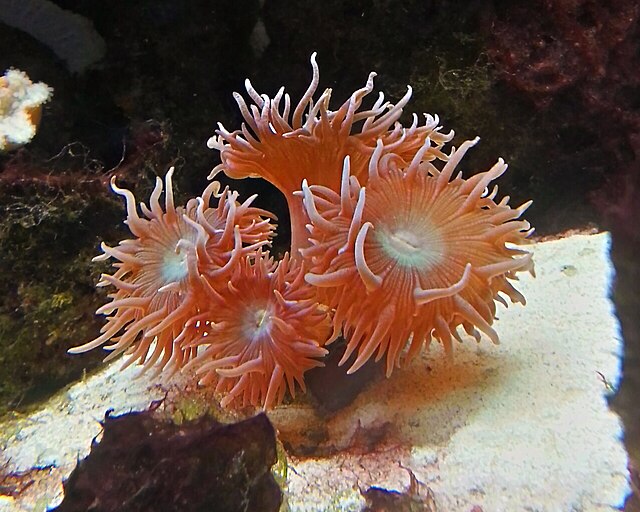
Natural Spawning and Breeding in LPS Corals | Key Points for Juvenile Coral Rearing and Parental Stock Selection
Natural spawning in LPS (Large Polyp Stony) corals is a biological event triggered by multiple interacting environmental factors. The primary driver is photoperiod: as day length extends from spring into early summer, gonadal development in individual colonies accelerates. Most LPS species reach their spawning season between April and July, with decreasing nighttime illumination and lunar cycles serving as the final spawning triggers...
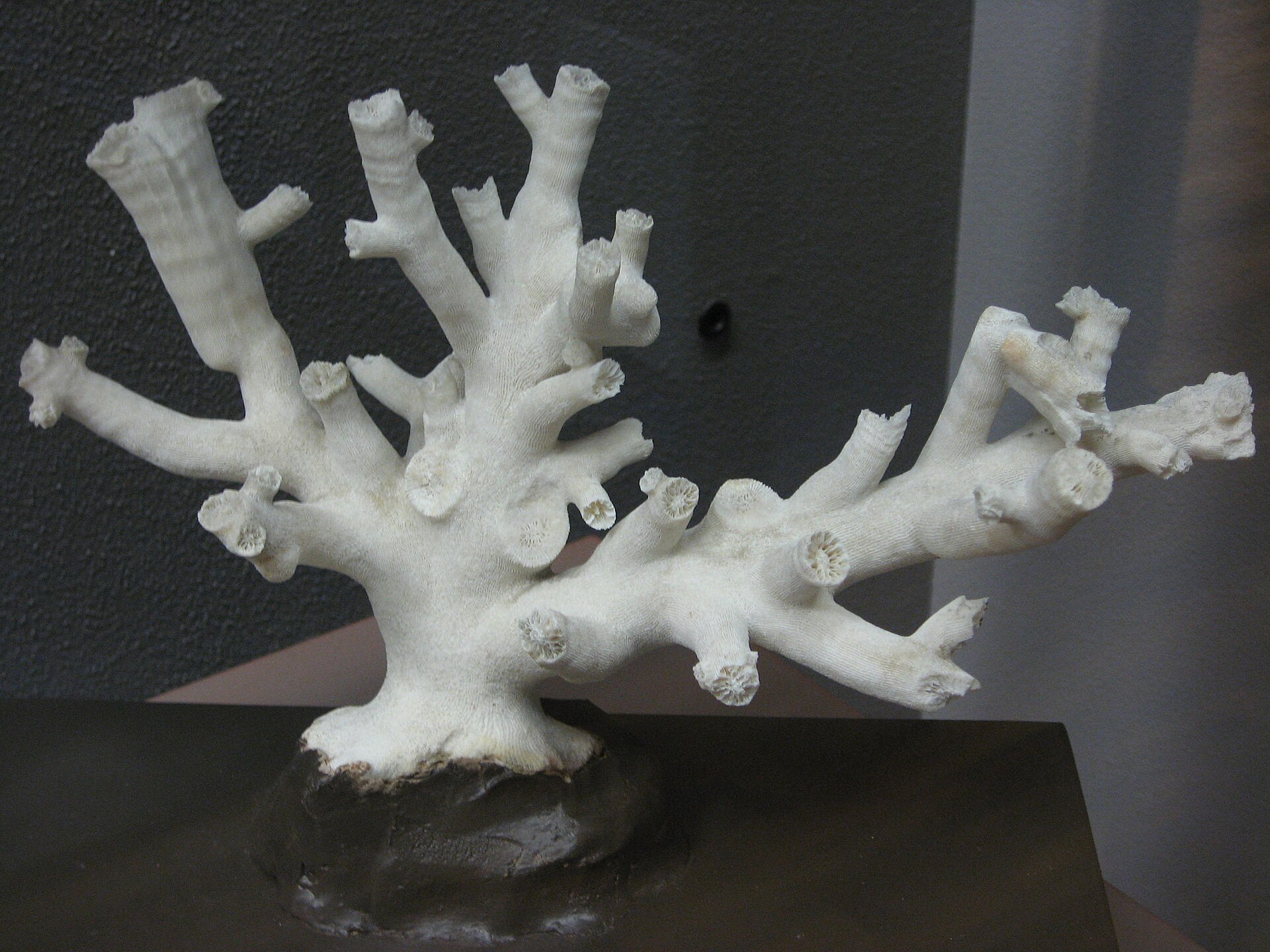
Key Takeaways
Natural spawning in LPS (Large Polyp Stony) corals is a biological event triggered by multiple interacting environmental factors. The primary driver is photoperiod: as day length extends from spring into early summer, gonadal development in individual colonies accelerates. Most LPS species reach their spawning season between April and July, with decreasing nighttime illumination and lunar cycles serving as the final spawning triggers...
Understanding LPS Coral Spawning Mechanisms and Seasonality
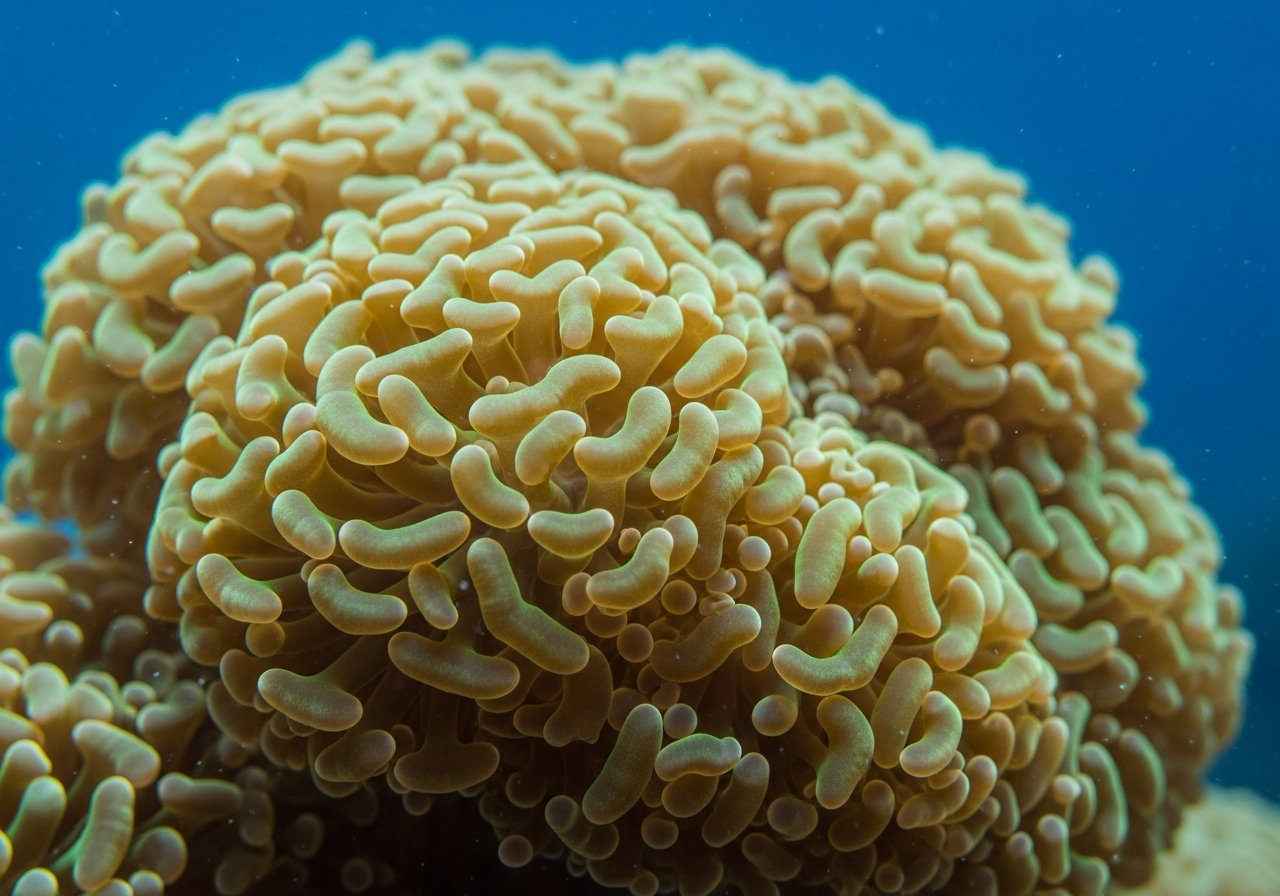
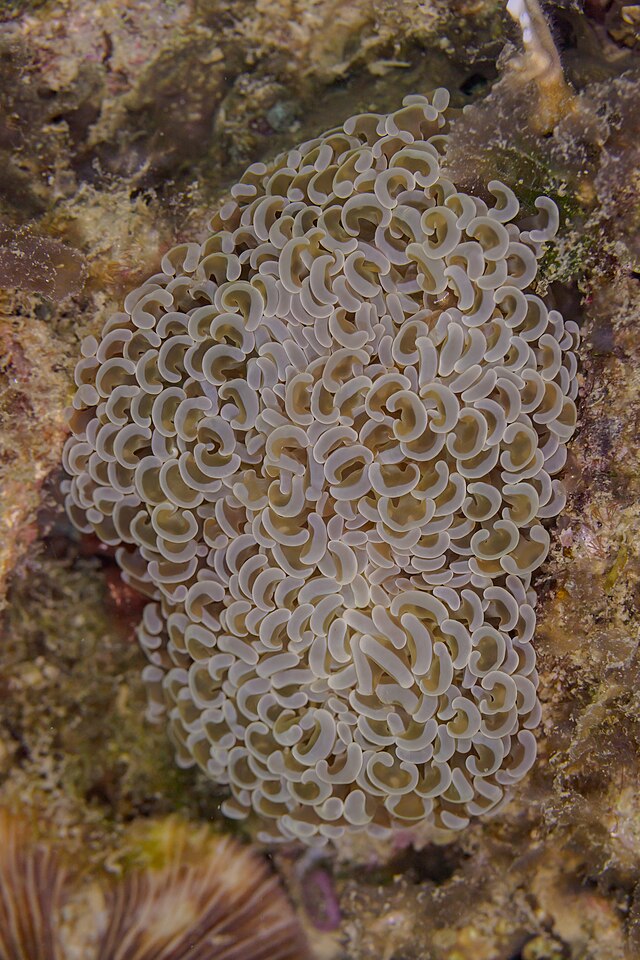
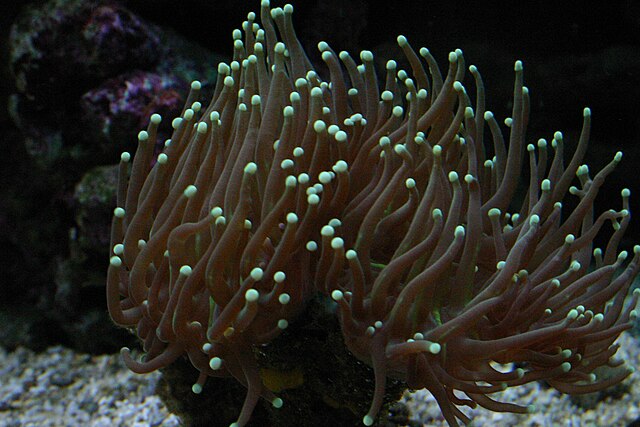
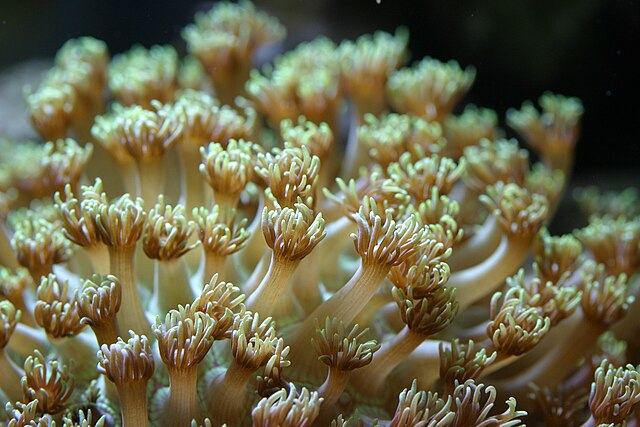
Natural spawning in LPS (Large Polyp Stony) corals is a biological event triggered by multiple interacting environmental factors. The primary driver is photoperiod: as day length extends from spring into early summer, gonadal development in individual colonies accelerates. Most LPS species reach their spawning season between April and July, with decreasing nighttime illumination and lunar cycles serving as the final spawning triggers.
In captive systems, spawning can be induced effectively by maintaining daytime illumination at 300–500 μmol/m²/s PAR and complete darkness at night. To simulate natural seasonal progression, incrementally extending photoperiod by 5–10 minutes each month encourages colonies to recognize advancing seasons and promotes reproductive readiness. Importantly, spawning typically occurs during a narrow nighttime window (8:00 PM–11:00 PM), making direct observation during these hours essential for confirming spawning events.
LPS coral spawning cycles show considerable variation even within a single species, depending on husbandry conditions. In well-nourished, low-stress environments, regular spawning becomes achievable; however, when water quality declines, spawning may be delayed by several months. Year-round management of nutritional status significantly influences overall spawning success rates.
Larval Rearing Protocol and Early-Stage Management
Once spawning is confirmed, planula larvae begin settling to the substrate within hours. To maximize settlement success, place fine sand and fragments of live rock suitable as settlement substrate on the tank floor from the day after spawning through the first three weeks post-settlement. Maintain flow at minimal levels to avoid dislodging freshly settled recruits.
The early growth phase of juvenile corals (2–4 weeks post-settlement) is extremely delicate, with extremely narrow tolerance ranges for husbandry parameters. Maintain salinity strictly within 1.025–1.026, and limit temperature fluctuations to ±0.5°C. Increase illumination gradually, beginning with weak light conditions (PAR 50–100) during the first week, then transitioning to adult-equivalent levels over weeks 2 and beyond to maximize survival rates.
Perform daily water changes of 5–10% to prevent nitrate and phosphate accumulation. Juveniles lack the tolerance for water quality swings that adults possess; acute parameter changes can be immediately lethal.
Small polyps emerge 3–4 weeks post-settlement, at which point introducing microscopic foods—phytoplankton and bacteria—begins to accelerate juvenile growth. This phase demands meticulous observation and fine environmental adjustment from the keeper. Proper spacing and adequate settlement substrate are equally critical.
Parental Selection and Lineage Preservation Principles
For successful breeding, parental selection criteria significantly influence the phenotypic characteristics of future generations. The top priority is health: select colonies with vibrant coloration, regular daily polyp retraction-extension behavior, and no visible stress responses. Next, verify spawning history—prioritize colonies with multiple documented spawning events in their record.
From a lineage preservation standpoint, outcrossing between parental colonies from different collection origins maintains genetic diversity. When maintaining multiple parental colonies in a single tank, select size and color phenotype pairs that differ to improve trait stability across filial generations.
Parental age is also significant. Newly introduced colonies (within the first year of acquisition) often show unstable spawning capability; mature, well-acclimated specimens with 2–3+ years of captive history demonstrate substantially higher spawning success rates. Colony size correlates with reproductive capacity; larger specimens typically produce greater fecundity.
Practical Breeding Management and Rearing Techniques
Selected parental colonies should transition to specialized "spawn-promotion husbandry" 1–2 months prior to anticipated spawning. During this period, increase daytime illumination by ~20% above standard levels and raise feeding frequency to 5–6 times weekly, optimizing nutritional reserves. Small, nutrient-dense foods—such as brine shrimp and rotifers—prove effective.
Once spawning is confirmed, isolate larvae from the parent colony in a dedicated rearing container (20+ liters) to minimize predation and intercolony competition, promoting uniform growth across the cohort.
In the rearing tank, combine weekly partial water changes (10–15%) with weak feeding (phytoplankton and micro-particulate artificial foods) beginning 3 weeks post-settlement. This approach yields 50–80% survival rates. After 6 months, once juveniles reach ~1 cm in size, gradually transition them to adult-equivalent husbandry conditions to promote further growth.
Long-Term LPS Breeding Programs
Over multiple breeding cycles, the keeper gains understanding of the cohort's genetic background and phenotypic variation patterns. After 3–5 years, when F1 individuals (larvae-derived colonies) reach maturity, inbreeding experiments or F1 × wild-type crosses become possible. Through this process, traits such as color stability or disease resistance can be assessed for heritability across generations versus environmental plasticity.
Meticulous record-keeping is essential: document each spawning event, larval survival rates, juvenile growth rates, age and fecundity of maturing colonies, and other data points to quantify lineage characteristics and inform future breeding decisions.