Cardinal Fish and LPS Coral Symbiosis | How to Select and Maintain Symbiotic Fishes
Most LPS corals host small symbiotic fish. Understand the natural symbiotic relationship with cardinal fish and learn how to create an aquarium environment where both corals and symbiotic fish thrive comfortably.
Key Takeaways
Most LPS corals host small symbiotic fish. Understand the natural symbiotic relationship with cardinal fish and learn how to create an aquarium environment where both corals and symbiotic fish thrive comfortably.
Symbiosis: The Ecological Strategy of LPS Corals
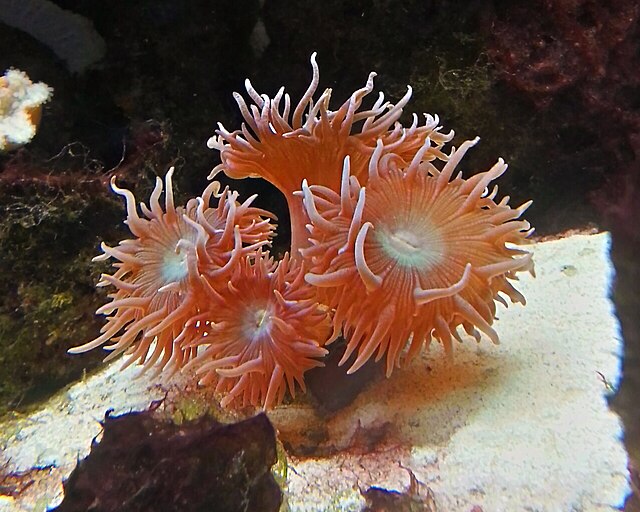
When observing a reef tank, you may notice small fish settling near the polyps of LPS corals, weaving in and out between the tentacles. This is not merely territorial behavior—it is a mutualistic symbiosis refined by millions of years of evolution.
The benefit to the coral lies in having small fish clean its surface and stimulate water flow around the polyps. In return, fish gain shelter from predators and scavenge for leftover food particles (plankton fragments) from the coral's feeding. This interdependent relationship exists in wild reefs and can be recreated in aquariums.
Ecology and Characteristics of Cardinal Fish (Cardinal Fish)
Small fish of the Apogonidae family are widely distributed across Indo-Pacific reefs. They typically measure 3–5 cm in body length, characterized by a vivid red coloration and a distinctive black eye band. With strong nocturnal tendencies, they hide in coral and live rock crevices during the day and become active foragers at night.
Representative species include Pyramichthys furcatus (flame cardinal) and Phaeoptyx pigmentaria (pepper cardinal). Both species are docile, non-aggressive, and suitable for multi-specimen keeping. Cardinals are planktivorous, preferring fine-particle foods, making them valuable for reef tank cleanup efforts.
Interaction Between LPS Corals and Cardinal Fish
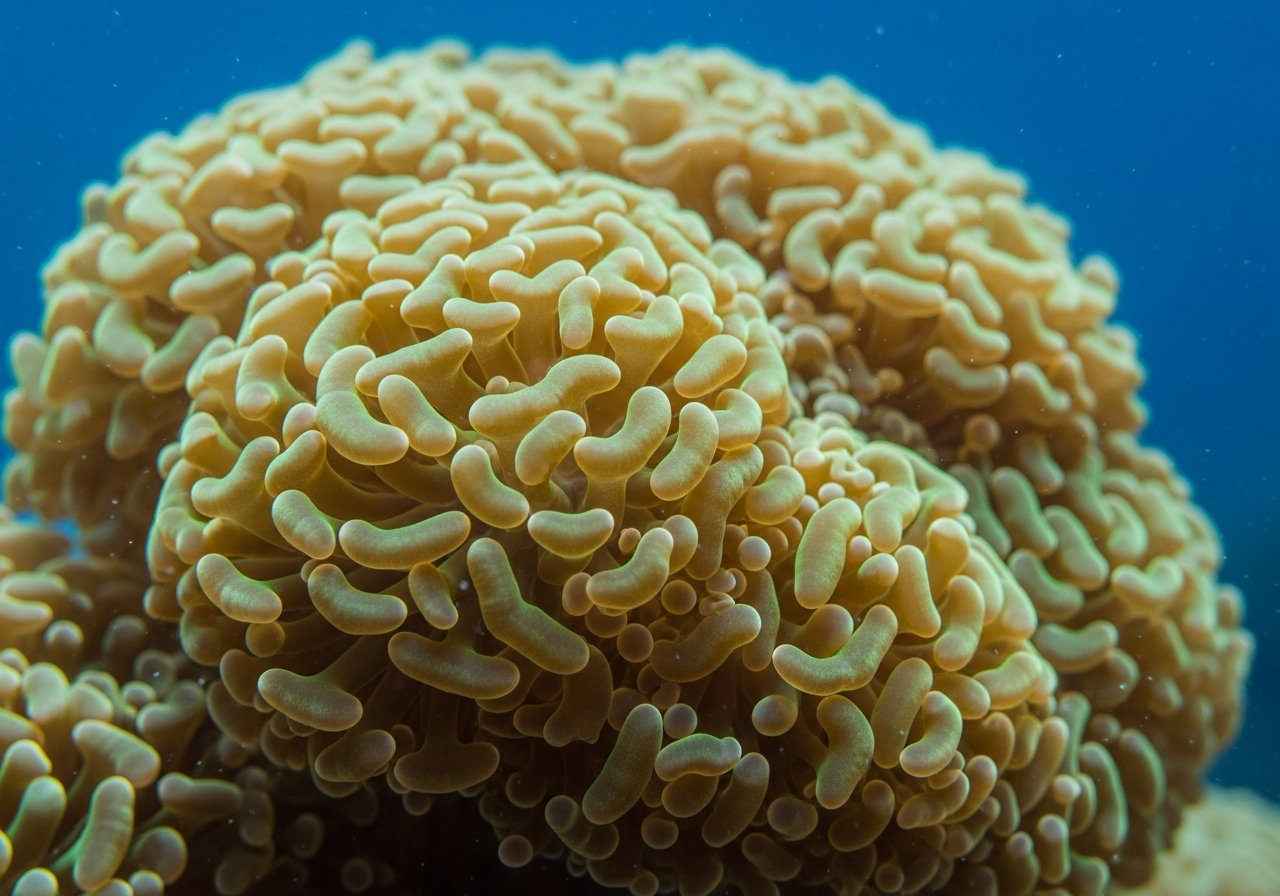
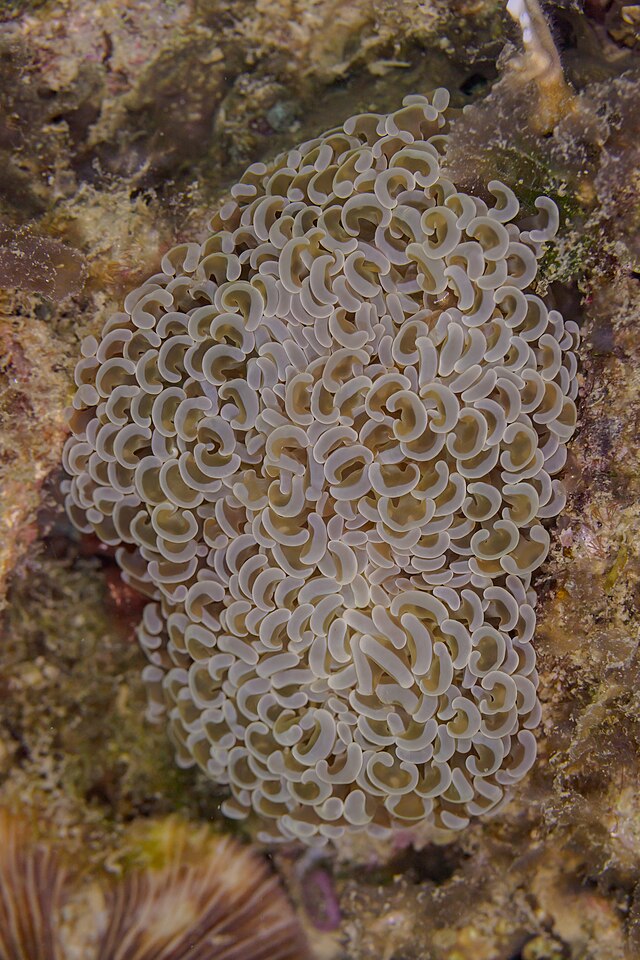
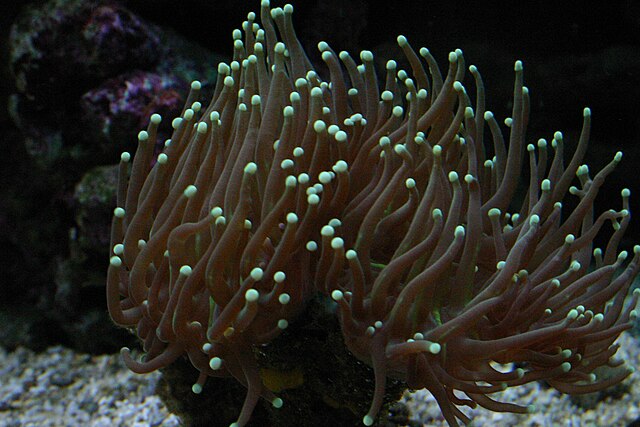
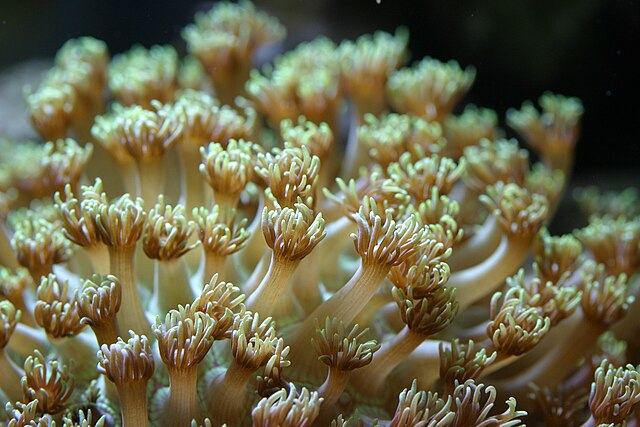
LPS species such as Euphyllia (hammer corals and torch corals) and Faviidae (ocean corals) tend to attract cardinal fish. LPS species with large polyps, ample space between tentacles, and gentle tentacle movements are more conducive to fish settlement.
Cardinal fish approach corals for a simple reason—to avoid danger. To reduce the risk of predation from larger predatory fish during nighttime feeding, they hide within the intricate tentacles of LPS corals. Simultaneously, fish movement stimulates coral polyps, triggering feeding responses.
Creating a Symbiotic Environment: Tank Setup Tips
Coral Placement and Spacing
For an LPS environment where cardinal fish comfortably settle, proper spacing between corals is essential. Avoid placing corals so densely that adjacent polyps touch during full extension. This reduces sweeper tentacle conflicts and prevents the fish's refuge from becoming a battleground.
The fundamental principle of LPS placement is maintaining at least 5–10 cm spacing, accounting for fully extended tentacles in adult corals. With this distance, cardinal fish can move safely, and water flow around polyps increases.
Adequate Shelter and Escape Routes
Cardinal fish need more than corals for shelter; live rock and structures (such as pipes) provide additional refuge. Placing live rock around LPS corals and establishing multiple escape routes reduces stress and encourages more natural behavior.
An environment with LPS corals alone on open sand creates a sense of danger for cardinal fish, making settlement unlikely. Creating spatial continuity through gradual placement—corals, live rock, then sand—is essential.
Feeding and Nutritional Management
In tanks housing cardinal fish and other small symbiotic species, feeding strategies require adjustment. When flakes or pellets are offered near corals, cardinal fish emerge from their refuges at night to feed. Meanwhile, direct feeding of LPS corals themselves (target feeding) must continue.
A three to four times weekly feeding schedule is effective, dividing foods between shrimp paste for LPS corals and fine-particle flakes for cardinal fish. Feeding shortly after lights out stimulates cardinal fish foraging activity and places corals in feeding mode simultaneously.
Multiple Cardinals and Competition for Refuge
While docile, multiple cardinal fish create competition for shelter. Typically, 2–3 individuals per LPS colony represents a stable arrangement. For more specimens, space multiple LPS corals at distance and provide escape routes for each, reducing inter-individual tension.
During nighttime feeding, when all individuals forage simultaneously, providing excess food helps mitigate competition-induced stress.
Cautions and a Commonsense Approach
If cardinal fish don't settle immediately, there's no need to rush changes to the tank or coral arrangement. Individual variation and adaptation periods differ; some fish settle in weeks, others require months.
Moreover, maintaining LPS corals without symbiotic fish is entirely unproblematic. Symbiosis is merely one option in nature; aquarium settlement depends on environmental and individual compatibility. Rather than forcing introductions, allowing natural settlement when conditions are right is the true pleasure of reef tank keeping.
Finally: The Joy of Observing an Ecosystem
Observing the symbiosis between cardinal fish and LPS corals reminds us that the aquarium is not merely a captive system but a "small reef ecosystem." Witnessing fish emerge from coral refuge at night to feed and then retreat again reflects the wild reef dynamics playing out within the confines of glass.