SPS Coral Tissue Health and Early Disease Detection
Organizing daily observation points for distinguishing early disease signs before rapid tissue necrosis progresses, using polyp extension and color changes in SPS corals as clues.
Key Takeaways
Organizing daily observation points for distinguishing early disease signs before rapid tissue necrosis progresses, using polyp extension and color changes in SPS corals as clues.
The most overlooked aspect of SPS coral keeping is the "quiet changes" that occur before dramatic tissue necrosis (RTN/STN) happens. If you can catch early the stage where tissue itself still remains but color and extension patterns have shifted subtly, your treatment options expand significantly. Here we organize the key observation points to watch in daily care and how to keep records.
First establish a baseline of what healthy SPS looks like
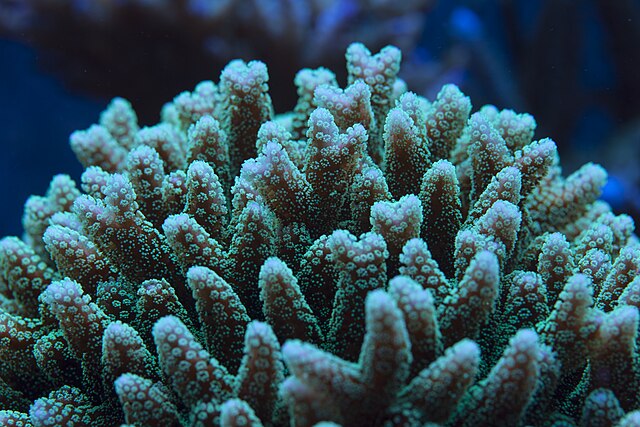
To notice changes, you first need to know what normal appearance looks like. For specimens that have acclimated to your tank environment after introduction, observe the following points during clear daylight and peak lighting hours, and establish your own baseline to make changes easier to spot.
- Polyp extension (how far they extend after feeding, before and after lights off)
- Color tone at the branch tips (growth ends) and the intensity of body fluorescence
- Whether tissue edges adhere tightly to the skeleton or appear thin and translucent
- Mucus production (how much is typically secreted under normal conditions)
Since these vary by species, individual, light intensity, and water flow at placement, it's worth remembering that comparing the same specimen to its own past state makes changes easier to detect than comparing it to other individuals.
Signs likely to appear as early disease indicators
Before rapid tissue necrosis progresses, the following changes may appear beforehand. None is conclusive on its own, and practically speaking, caution should increase when multiple signs overlap.
- Growth tips become pale and faded, or suddenly brighten
- Polyp retraction occurs on specific branches or surfaces only (partial rather than whole-colony change)
- The area where skeleton shows faintly through gradually expands
- More mucus than usual is visible, or stringy secretions appear
- Algae or other organisms (such as flatworms) repeatedly attach to the same spot on the specimen
These signs can result from multiple causes—dead spots in water flow, changes in light, subtle fluctuations in water parameters, stress from contact with nearby specimens, and others. For distinguishing root causes and specific treatment approaches, also refer to existing articles on identifying mixed infections and articles covering the causes and treatment of RTN/STN.
Turn observation into record-keeping
Since most changes progress gradually, relying on memory alone often delays noticing them. Taking photos from the same angle and under the same lighting conditions regularly, and keeping them with dates, allows you to compare changes over weeks afterward. You don't need dedicated apps or smartphone notes, but recording at least the following items gives you material for later judgment.
- Photograph date and water test values (major parameters such as KH, Ca, Mg, nitrate, phosphate)
- Whether and how much you fed
- Any layout changes or introduction of new specimens
- Photos of any concerning areas (ideally from the same angle)
Such records also help when consulting with specialty shops or experienced aquarists. With photos and water quality history, the situation comes across more clearly than verbal description alone, and you're more likely to get accurate advice. Furthermore, keeping similar records across multiple specimens in your tank makes it easier to notice if problems concentrate in specific spots—weak water flow areas, lighting edges—pointing to layout-related issues. Per-specimen observation records also become material for reviewing your entire tank environment.
When in doubt, consult a specialty shop or expert
Early disease signs are difficult to distinguish, and definitive self-judgment can actually lead to mishandling. If you see rapid changes or widespread tissue recession, don't wait—consult a specialty shop or someone experienced with aquariums, bringing your water test results and photos. Specific treatment methods for each cause are explained in detail in articles covering RTN/STN and infection prevention.
Daily observation, unglamorous as it seems compared to flashy equipment investment, is actually a major factor determining long-term keeping success. Since extension patterns and color expression differ by species—Acropora, Montipora, Seriatopora, and others—start by learning what your own specimens look like under normal conditions. You can also check details on related species on the catalog pages.