SPS Coral Feeding and Polyp Extension | Micro-Particle Feeding and Nutrient Salt Balance Guidelines
An explanation of how SPS corals extend their polyps in response to feeding, the methods for providing micro-particle food, and how to balance nutrient salts.
Key Takeaways
An explanation of how SPS corals extend their polyps in response to feeding, the methods for providing micro-particle food, and how to balance nutrient salts.
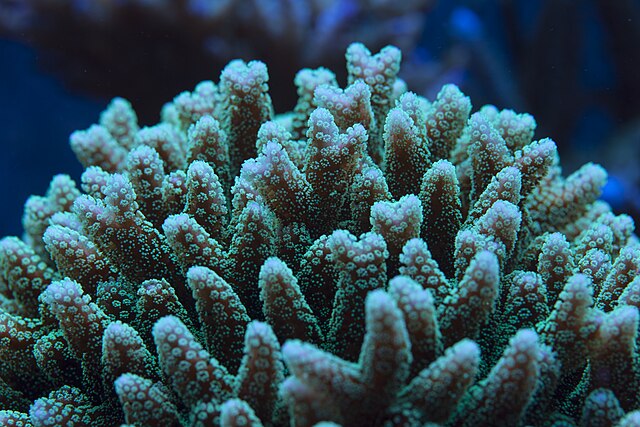
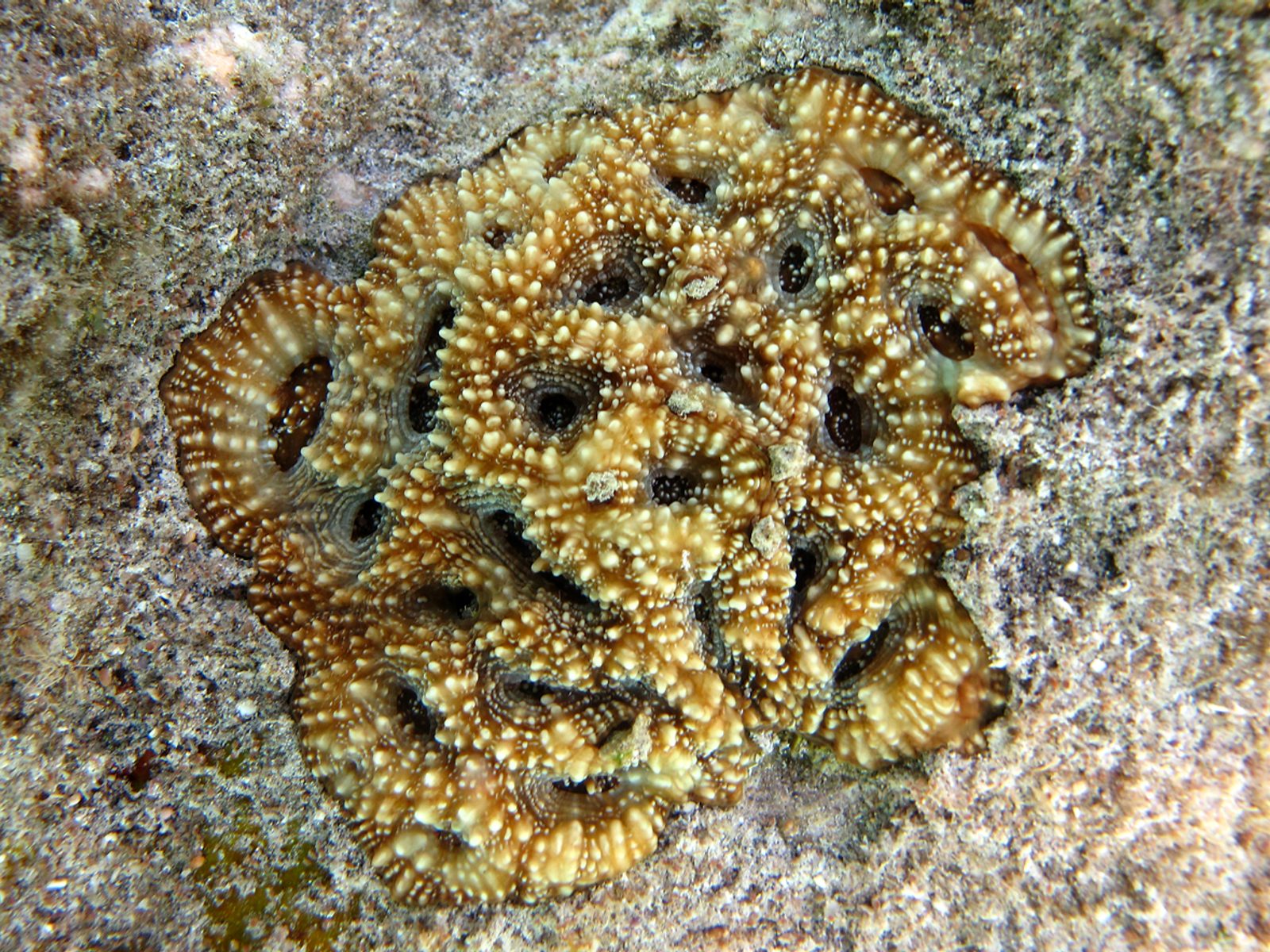
SPS corals (small polyp stony corals such as Acropora and Montipora) obtain most of their energy from photosynthesis by symbiotic zooxanthellae within their tissues, but they also rely significantly on "heterotrophic" nutrition—directly capturing microparticles in the water column by extending their polyps. The sight of polyps opening widely in response to feeding, with the colony surface appearing feathery or bristling, is one of the ideal states many aquarists aspire to achieve. This article outlines the fundamental principles of SPS coral feeding and polyp extension.
Why SPS Corals Extend Their Polyps
The polyps of SPS corals are densely packed on the surface of their skeleton. Depending on the species, some remain open during the day, while others extend significantly only after lights out or at feeding time. Polyps are extended for two main reasons: to capture zooplankton and organic particles carried by the current, and to respond to stimuli from water flow and light. A colony with well-extended polyps is considered to be unstressed by surrounding water flow and water quality, with active predatory behavior. Conversely, if polyps remain withdrawn and fail to open for an extended period, it suggests possible problems with water quality, water flow, or light intensity.
The Coral Encyclopedia contains information on species classified as SPS, such as Acropora and Montipora, which can help you assess the characteristics of the lineage you're keeping and determine the necessity of feeding.
Selecting and Providing Micro-Particle Food
Because the mouths of SPS corals are extremely small, micro-particle feeds processed into powder or liquid form are essential. Products range widely—from dried and powdered zooplankton to liquid feeds containing amino acids and lipids—but the critical commonality is that particle size must fall within the polyps' predatory range. When feeding, it helps to temporarily reduce or stop the water flow, allowing the food to remain near the colony long enough to confirm polyps are extended before administering it. This approach makes capture more efficient with less waste. Dispersing food in strong flow typically results in particles diffusing too quickly and being swept away before reaching the coral.
Feeding frequency should be adjusted by monitoring the tank's nutrient salt levels and balance with other livestock. There is no absolute necessity to feed daily; feeding several times per week while observing the colony's response and adjusting portions gradually is a more sustainable approach. It is also worth noting that different feed types have different behaviors—some particles remain suspended longer while others settle quickly—and the position of the colony in the tank (upper or lower section) affects how readily it receives the food. Recording which feed type and timing elicit the best polyp response when rotating among multiple feed options makes it easier to discover a feeding pattern that suits your specific tank.
Nutrient Salts (Nitrate and Phosphate) Balance
SPS coral husbandry has historically favored keeping nutrient salts—particularly nitrate and phosphate—extremely low, but excessive depletion of these nutrients can reduce zooxanthellae activity, causing colony coloration to appear bleached and polyps to extend poorly. Feeding directly influences this nutrient salt balance; providing food supplies small amounts of nitrate and phosphate. When maintaining low nutrient salt levels while also promoting good polyp extension, it becomes essential to keep feeding amounts conservative, regularly measure water parameters, and adjust to avoid both extreme depletion and overenrichment.
Feeding Timing and Water Flow Relationship
Water flow intensity and direction significantly affect polyp extension. Corals constantly exposed to excessive water flow often keep their polyps retracted, and even reducing flow only at feeding time may not produce sufficient response. Conversely, insufficient flow allows waste products and excess mucus to accumulate on the colony surface, potentially causing other problems. Employing decisive management—moderately reducing flow during feeding and returning to normal flow afterward—is more likely to elicit good polyp extension. Many species show increased activity after lights-off or during dimmer lighting periods, so observing the response pattern of each colony and experimenting with feeding timing is worthwhile.
Review Points When Polyps Don't Extend or Remain Retracted
When polyps remain retracted for extended periods, environmental factors should be reconsidered before focusing on feeding. Possible causes include lighting that is too intense, monotonous water flow that is too forceful, sudden water quality changes, or allelopathic (chemical) interactions with nearby corals. If polyps fail to open despite careful feeding adjustments, and the colony shows visible discoloration or tissue damage, seeking advice from a professional aquarium shop specializing in marine fish and corals—rather than relying solely on self-diagnosis—is a valid option.
Summary
Polyp extension in SPS corals is a form of heterotrophic feeding behavior that supplements nutrition beyond what zooxanthellae photosynthesis alone can provide, and it serves as an indicator of health status. The foundation of cultivating a colony with well-extended polyps lies in providing micro-particle food with consideration for particle size and current timing, while managing nutrient salt balance to avoid extremes. Through daily observation, discovering a feeding rhythm suited to your individual tank environment is the most direct path to keeping SPS corals stable and healthy long-term.