Coral Reef Conservation and the Significance of Aquaculture | Considering Sustainable Coral Husbandry
This article outlines the roles coral reefs play and the challenges they face, and explains how choosing aquacultured specimens connects to conservation efforts.
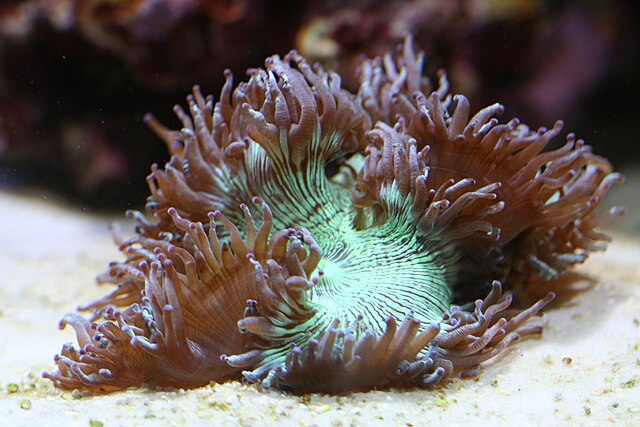
Key Takeaways
This article outlines the roles coral reefs play and the challenges they face, and explains how choosing aquacultured specimens connects to conservation efforts.
Despite occupying only a tiny fraction of Earth's surface area, coral reefs are known as home to an enormous diversity of marine organisms. They serve not only as spawning grounds and shelter for fish and other invertebrates, but also dissipate wave energy to protect coastal areas. Coral reefs are deeply connected to human livelihoods. Yet in many regions, reefs are disappearing due to rising ocean temperatures causing bleaching and deteriorating environmental conditions. Against this backdrop, it's worth considering how "aquacultured" corals—used in the aquarium hobby—relate to conservation efforts.
The Significant Role of Coral Reefs
Coral reefs comprise only a small fraction of the ocean's total area, yet they harbor an extraordinarily rich variety of life. From tiny crustaceans to fish, countless organisms use coral reefs as feeding grounds and shelter, and the reef's complex skeletal structure itself serves as a habitat. Moreover, coral reefs function as a natural breakwater, absorbing wave energy from the open ocean and reducing coastal erosion.
Challenges Facing Coral Reefs
In recent years, coral bleaching triggered by rising ocean temperatures has been documented worldwide, followed by population declines. Bleaching occurs when symbiotic zooxanthellae leave the coral tissue; while this doesn't necessarily cause immediate death, prolonged bleaching can weaken and eventually kill colonies. In addition, coastal development, water quality degradation, and physical damage contribute to reef decline in many regions. These challenges are understood to result from multiple overlapping factors rather than a single cause.
Aquacultured Corals: A Path Forward
Corals in the trade come in two forms: "wild-caught" specimens collected from natural reefs, and "aquacultured" specimens propagated and grown in tanks or aquaculture facilities through fragmentation and breeding. Aquacultured corals are typically fragments from colonies already established under human care, requiring no new harvest from natural reefs. As the hobby increasingly relies on aquacultured specimens, collection pressure on wild reefs can be reduced. The differences between wild-caught and aquacultured corals are explored in detail in Wild vs. Aquacultured Corals: A Guide to Choosing.
Expanding Roles of Aquaculture
Coral propagation in captivity extends far beyond hobbyist tanks, supporting large-scale restoration and transplantation by research institutions and conservation organizations. By selecting hardy lineages and repeatedly propagating from a limited founder stock, many colonies can be produced—an approach shared by both hobbyists and conservation efforts. Of course, home aquaculture alone cannot replace disappearing wild reefs, and addressing root causes like ocean warming and water quality decline remains essential. Still, knowing that everyday hobby choices contribute to reducing collection pressure on natural reefs is worth understanding.
Home Aquariums Drive the Growth of Aquaculture
The practice of fragmenting corals (fragging) in home tanks and sharing surplus colonies with other enthusiasts forms the foundation of aquaculture distribution. As hardy, easy-to-keep lineages are selected across generations, captive propagation becomes more efficient. While international trade in wild corals is governed by species and region-specific regulations, these rules evolve over time—it's important to verify current regulations through official government sources.
Coral Reefs and Coastal Communities
The coastal protection role of coral reefs is not a simple barrier, but rather a complex mechanism: the reef's intricate skeleton dissipates wave energy in stages. Where reefs have been lost, waves impact coasts more directly, affecting livelihoods and fisheries in some regions. Recognizing this connection reveals that coral reef conservation serves not only to protect marine biodiversity, but also to support human communities and their livelihoods. Encountering corals through the aquarium hobby can be an entry point to understanding these broader relationships.
Conclusion—How You Choose Shapes Conservation
Coral reef conservation may seem like a distant concern, but the daily choice of which corals to acquire is indirectly part of that global effort. Selecting aquacultured specimens is a practical way to enjoy the hobby while reducing collection pressure on wild reefs. ReefBook's catalog showcases a wide variety of coral species—start by learning about their origins and characteristics.