Avoiding overstocking in SPS coral tanks | Appropriate stocking levels and layout density relative to water volume
SPS corals grow quickly, and tanks easily become overstocked before you realize it. This article explains how to think about appropriate stocking levels relative to water volume and key tips for thinning and trimming to maintain layout density.

Key Takeaways
SPS corals grow quickly, and tanks easily become overstocked before you realize it. This article explains how to think about appropriate stocking levels relative to water volume and key tips for thinning and trimming to maintain layout density.
SPS corals grow quickly, and many aquarists have experienced finding their tanks filled with colonies of Acropora and Montipora before they realized it. While densely packed layouts look attractive, overstocking—having too many corals relative to water volume—can trigger problems such as rapid water quality shifts, disease outbreaks, and poor growth. Here we'll organize the signs of overstocking in SPS tanks and clarify perspectives for thinking about appropriate stocking levels.
Why does overstocking happen so easily in SPS tanks?
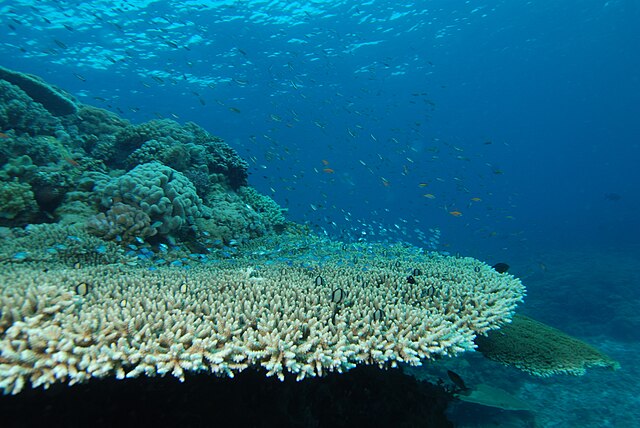
Acropora and Montipora are groups that grow noticeably over periods of months when conditions are right, and many aquarists continue to keep fragmented individuals in the same tank as they multiply them. While each colony looks small when first introduced, the total surface area and biomass of the tank steadily increase with growth. Moreover, there is a strong tendency to prioritize visual appeal and create dense layouts, and it is not unusual for spacing that felt comfortable at purchase to become so crowded within six months that adjacent colonies are touching. Overstocking doesn't happen suddenly one day but progresses as a result of this gradual accumulation of growth, which makes day-to-day changes hard to notice. If you fix your layout based only on initial size, the tank fills up without accounting for future growth.
How to think about stocking relative to water volume
There is no absolute right answer for coral stocking levels, but as a decision-making tool it is important to consider not just water volume but also filtration capacity, protein skimmer processing capacity, and the ability to maintain water parameters through additives. Even with the same water volume, the amount of corals you can sustainably maintain differs greatly depending on whether you have an overflow tank with adequate filtration and a protein skimmer in the sump versus running only an external filter. By testing water parameters regularly and monitoring the consumption rate of calcium, KH, and magnesium, if you notice consumption accelerating rapidly, that is one sign you have too many corals for your water volume. Similarly, if you find you must continually increase additive dosing to maintain parameters, that is a time to consider revising your stocking levels.
The relationship between nutrients, allelopathy, and overstocking
The problems of overstocking extend beyond just consumption of water parameters. As corals get closer together, in addition to competing for light and water flow, allelopathic effects—where organisms release chemicals to suppress growth around them—become more likely to occur. Particularly in tanks densely packed with fast-growing SPS, you may see variation in growth rates among colonies or notice that specific colonies decline. Operating a protein skimmer at high capacity to quickly remove organic matter containing allelopathic compounds is another point to consider in an overstocked tank. Additionally, the balance between nutrient consumption and supply easily becomes disrupted, and the more colonies you have, the more careful management of individual feeding amounts and additive timing becomes necessary.
Thinking about thinning and trimming to maintain layout density
The most practical measure to prevent overstocking is regular thinning and trimming. For fast-growing colonies, before spacing with adjacent corals narrows, cut them into fragments and remove them from the tank or give them to other aquarists, managing the total volume within the tank. Timing trimming just before colonies make contact helps prevent damage from touching and tissue abrasion. When arranging your layout, rather than filling gaps with corals at their purchase size, plan spacing with future growth in mind; this reduces trimming frequency later. Adjusting the height and orientation of live rock to precontrol growth direction is another technique to delay crowding.
Summary: Husbandry planning with margin for growth
Overstocking in SPS tanks is a problem that mirrors the appeal of dense-looking layouts. Understanding your filtration and additive capacity relative to water volume, monitoring water parameter consumption over time, and maintaining layouts with margin for growth is the shortcut to a stable SPS tank over the long term. Develop the habit of observing spacing between colonies and changes in water parameters day to day, and trim early when needed. Combining references to factors affecting SPS coral growth rate and additive management in reef tanks makes the relationship between stocking and parameter management more concrete and easier to visualize. A layout that feels spacious when first set up often becomes more crowded than you'd expect when you look back over years. By setting regular intervals—such as every six months—to survey your entire tank and record spacing between colonies and changes in water parameters, you can catch signs of overstocking earlier. Using the encyclopedia and collection record features to document the growth of individual specimens also provides material for decisions when reconsidering stocking levels.