How to Frag LPS Corals: Skeleton Cutting, Differences from SPS, and Precautions
Fragging LPS corals differs from SPS, with protection of thick soft tissue as the top priority. This section covers identifying the correct cutting position on the skeleton, selecting appropriate tools, and key points for post-cut management.
Key Takeaways
Fragging LPS corals differs from SPS, with protection of thick soft tissue as the top priority. This section covers identifying the correct cutting position on the skeleton, selecting appropriate tools, and key points for post-cut management.
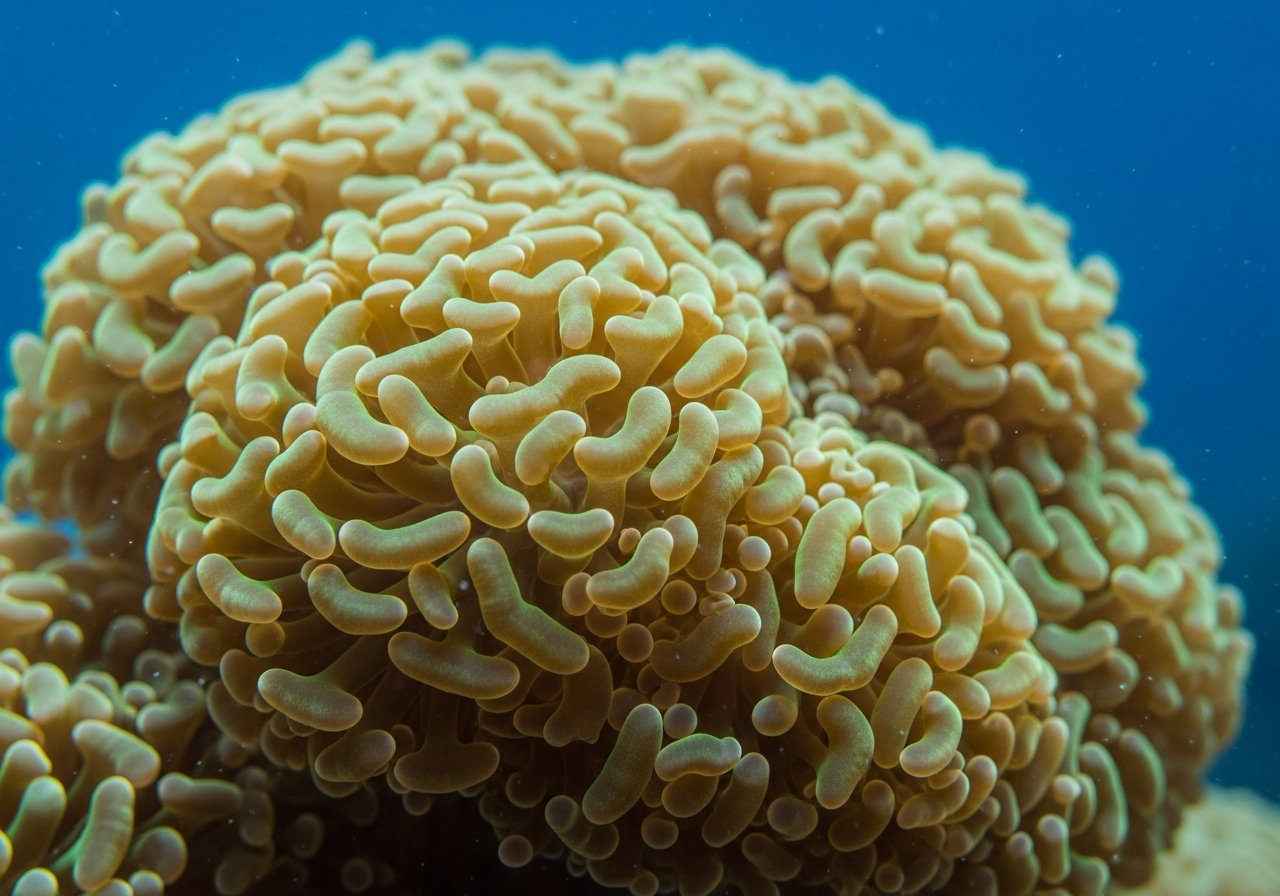
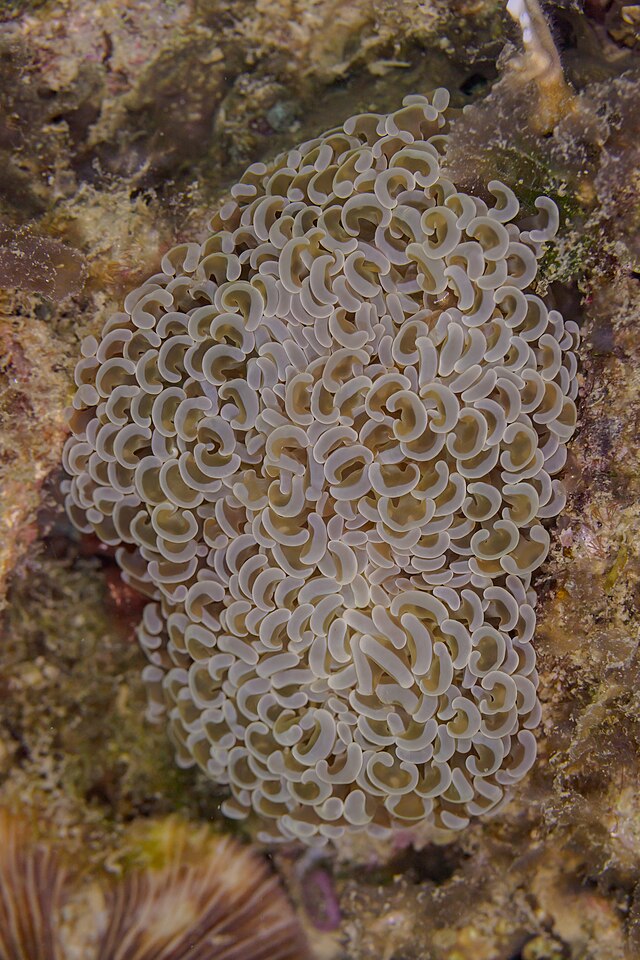
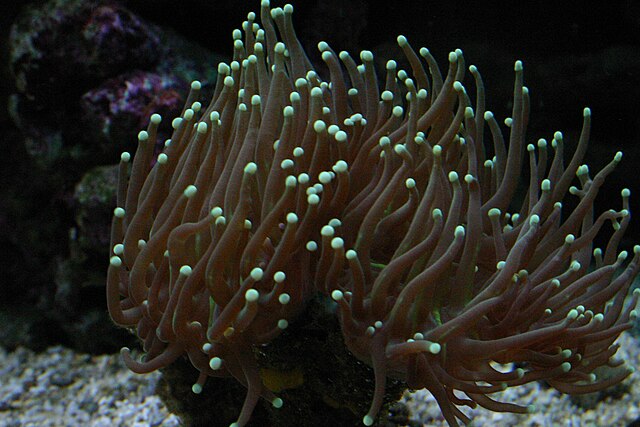
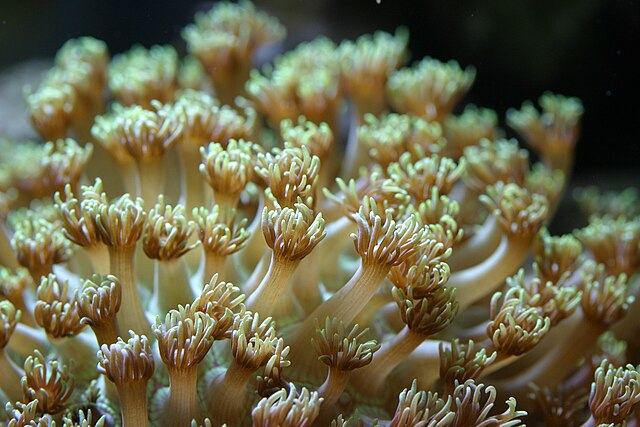
When you want to propagate LPS corals or reduce a colony that has grown too large, using the same approach as with SPS can result in unexpected damage. This is because many LPS species are covered with thick soft tissue over their skeleton, and the procedure and tool selection for fragging differs from SPS. Here, focusing on Euphyllia and Hammer corals, we will cover the basic concepts and precautions for fragging and cutting LPS corals.
Differences from SPS Fragging
Fragging SPS corals such as Acropora primarily involves a simple procedure: cutting the branching skeleton with nippers and fixing the cut surface to a plug with adhesive. Since the tissue only thinly covers the skeleton's surface, recovery from the cut is relatively fast. In contrast, many LPS species have thick soft tissue wrapping around and inside the skeleton, and an incorrect cutting position can cause significant damage to the tissue. For LPS fragging, protecting the soft tissue at the cut site and preventing infection or necrosis becomes more important than the skeleton cutting itself.
Identifying Cutting Position and Selecting Tools
When fragging LPS corals, the first step is to observe the skeleton's structure and identify where colonies are branching and where independent polyps form constrictions. Cutting at locations without clear boundaries can damage tissue across multiple polyps, leading to slower recovery and increased infection risk. Tools should be selected based on skeleton hardness—diamond band saws, nippers, or tools like sculpting knives—and work should be completed quickly to minimize tissue damage during cutting. For species with heavy mucus or body fluid discharge from the cut surface, a common approach is to leave the fragment outside the tank for a short time to let the wound stabilize before returning it to the tank.
Post-Cut Management and Observation Points
Immediately after cutting, LPS corals should be placed in a calm environment with reduced water flow, and direct strong light should be avoided while monitoring their condition—this is the basic approach. If white thread-like tissue extends from the cut surface or if mucus secretion increases, this may indicate infection or necrosis is progressing, so continued close observation is necessary. If polyps begin opening normally after several days to a week, this is a sign that recovery is progressing well. Conversely, if polyps remain closed for an extended period, it is worth reconsidering the surrounding environment, including water quality and flow.
Differences in Cutting for Propagation versus Cleanup
Fragging LPS corals involves different criteria depending on whether the goal is propagation or reducing an overgrown colony. For propagation, it is important to retain some cohesion in each fragment so that they can survive independently as separate polyps. For cleanup purposes, avoiding contact with adjacent corals takes priority, so minimal cutting while maintaining proper spacing based on growth direction is required. In either case, visualizing what form you want to achieve before cutting makes it easier to establish a management plan after the work.
Ease of Fragging Varies by Species
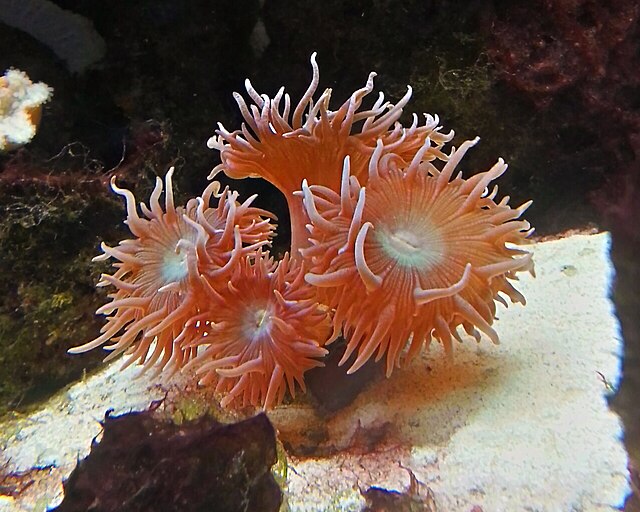
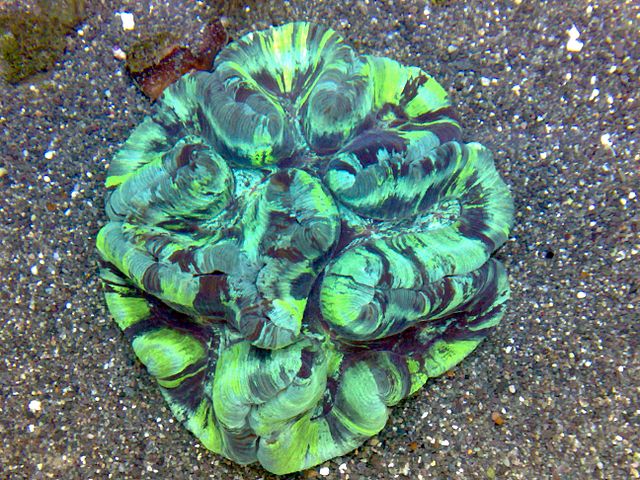
Though all classified as LPS, there is considerable variation in fragging difficulty by species. Species like Euphyllia, with clearly branching skeletons, are relatively easy to identify boundaries and present a beginner-friendly group. In contrast, species like Trachyphyllia (Open Brain Coral) or Goniopora (Flower Coral), where the skeleton is structured like a single lump, have no clear boundaries, limiting where they can be safely cut in the first place. Attempting to frag such species forcibly carries greater risk of compromising overall health, so many hobbyists choose to keep them as colonies rather than attempt propagation. Researching the skeletal structure of a species before considering fragging is the first step to avoiding failure.
Summary: Prioritize Tissue Protection When Fragging LPS Corals
While LPS fragging shares the skeleton-cutting aspect with SPS, it differs significantly in how to protect thick soft tissue. By carefully following the sequence of identifying the cutting position by recognizing polyp boundaries, selecting appropriate tools, and creating a calm environment after cutting, you can minimize the risk of failure. Including the decision not to force-cut certain species in your planning helps maintain individuals in good condition long-term. Reading Caring for Euphyllia: How to Grow Hammer, Torch, and Frogspawn Corals and LPS Coral Placement and Coexistence together deepens understanding, including layout planning after fragging.