Live Rock Curing and Aquascaping | Foundation Building and Layout Basics
This article explains the curing process for live rock—the foundation of biological filtration—after receiving it, and covers the fundamentals of aquascaping layout planning with future coral placement in mind.
Key Takeaways
This article explains the curing process for live rock—the foundation of biological filtration—after receiving it, and covers the fundamentals of aquascaping layout planning with future coral placement in mind.
The Role of Live Rock
In a saltwater aquarium, live rock is not merely a decoration but the foundation supporting biological filtration within the tank. The porous interior and surface of the rock are colonized by diverse microorganisms, including nitrifying bacteria, which serve as key players in the biological filtration cycle that converts ammonia into nitrite and further into nitrate. Coralline algae and small invertebrates that attach to the surface bring biodiversity to the tank's ecosystem and contribute to its natural appearance. The quantity and placement of live rock determine not only the tank's filtration capacity but also the skeletal structure of the layout itself, making it one of the most important elements deserving careful consideration during the early stages of tank setup. While it is possible to biologically mature dried artificial rock after the fact, this article focuses on live rock as it is distributed with organisms already attached, and walks through the process from receiving to final layout.
The Curing Process for New Live Rock
After transport and storage, live rock often retains organic matter from dead attached organisms, which can cause rapid water quality deterioration if introduced directly into the main tank. This is where the process known as "curing" comes in: live rock and saltwater are placed in a separate container, and over the course of several days to weeks, strong aeration or water flow breaks down and removes the organic matter. During this period, ammonia and nitrite levels will spike and a distinctive odor may develop—this is a normal process, and you should observe patiently until the values stabilize and the smell clears. Check ammonia, nitrite, and nitrate levels regularly while performing water changes, and consider transitioning to the main tank once these readings become nearly undetectable. Rushing the transfer to the main tank often leads to having to restart the entire setup from scratch later.
What to Consider Before Layout
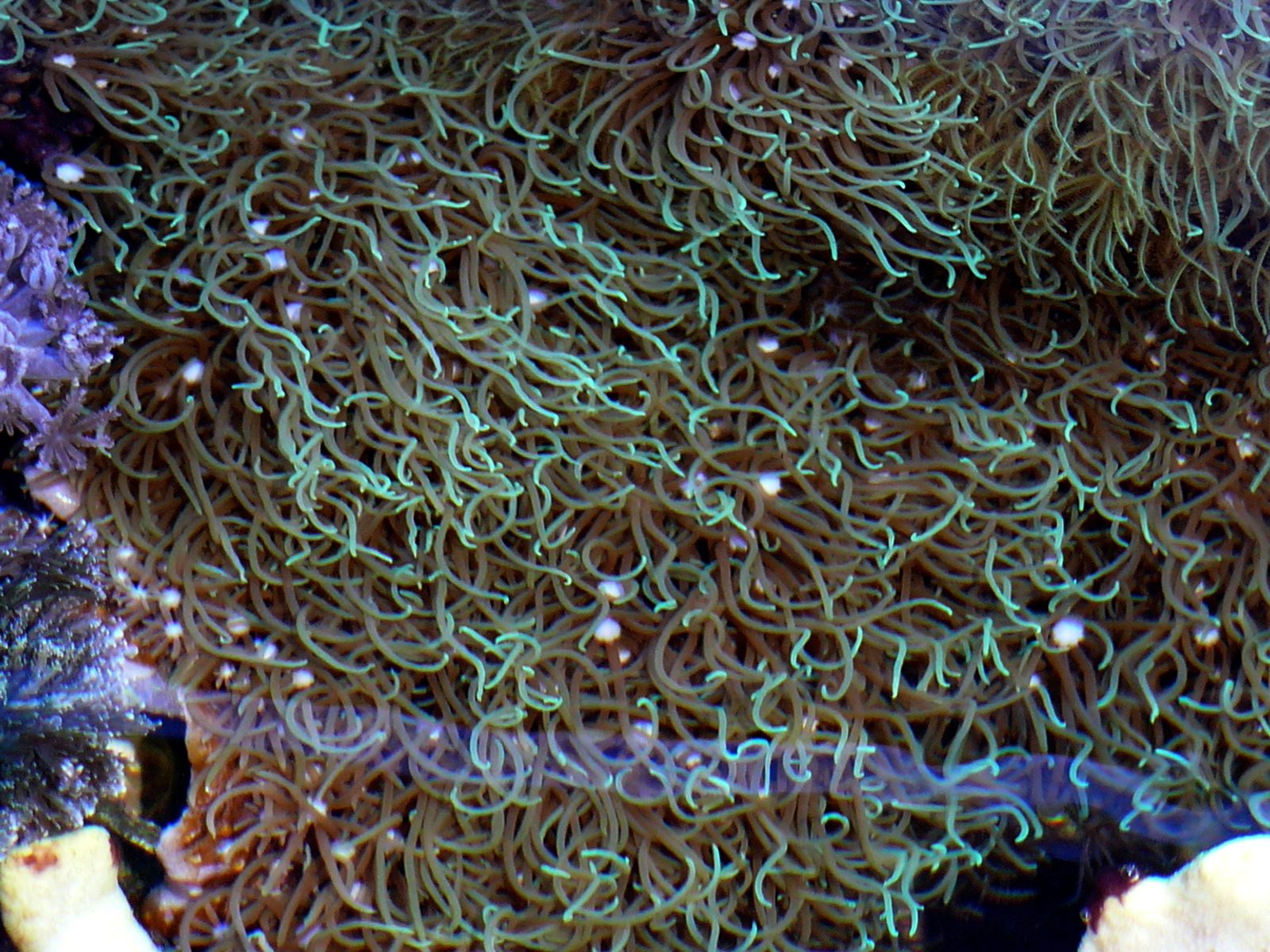
When planning your aquascape, the first thing to keep in mind is working backward from the end result. The types and number of corals you plan to place in the future will determine how many shelves and elevations you need, as well as the paths for water flow. If you plan to place large-tentacled corals with wide reach, you will need sufficient spacing around them, making a dense layout impractical; conversely, if your focus is on species that prefer strong light and current, a three-dimensional structure that distributes flow throughout the rockwork is ideal. Practical considerations such as whether you can reach all areas for maintenance and whether cleanup-performing organisms can circulate through every corner are just as important as the aesthetic beauty of the layout.
Basic Techniques for Stacking
Stability of live rock directly impacts tank safety. The fundamental approach is to use large, heavy rocks as the foundation and stack lighter rocks on top, ensuring the structure will not collapse from earthquake or the burrowing behavior of livestock. Rather than merely placing rocks against each other, secure key points with dedicated adhesive or zip ties to create three-dimensional structures like arches and caves, which allow for both swimming space and shelter. Maintaining adequate distance from the glass and substrate and avoiding dead zones where water flow stagnates are also critical for preventing algae blooms and sludge buildup. After construction, spend a few days observing water flow; if you notice stagnant areas, adjust the angle of the rocks or the direction of the flow-creating equipment.
Observation and Maintenance After Settlement
Even after the layout is complete, live rock continues to evolve as a living ecosystem. Coralline algae gradually cover the rock, and algae growth patterns shift over time. Periodically check for sludge accumulation in rock crevices, and if needed, gently stir up any detritus and remove it by siphon to help maintain water quality. When adding corals later, refer to the Coral Encyclopedia for the target species' growth conditions, and decide placement by cross-referencing with your existing layout's current and light levels to minimize failure. For the overall tank setup process, see Launching a Reef Tank | The Journey from Cycling to Initial Maintenance, and for water quality fundamentals, refer to Reef Tank Water Chemistry | Basics of KH, Calcium, and Magnesium. Rather than viewing the layout as fixed once built, treating it as something to gradually adjust as livestock grow and change will lead to long-term tank stability.
Cautions When Adding Corals
Even after curing is complete and the live rock layout is finished, avoid introducing a large number of corals all at once. Biological filtration takes time to stabilize reliably, and water quality tends to fluctuate immediately after setup. Start by adding a small number of hardy species while observing conditions, and gradually increase variety and quantity while monitoring water parameters and organism response; this approach minimizes failure. Additionally, since the spaces between live rocks will later function as coral foundations or refuges, you may choose to intentionally leave some rocks not fully secured to allow for easier rearrangement in the future. When in doubt, consulting with someone possessing specialized knowledge while making gradual progress often proves faster in the end than proceeding on your own.