Mixed-Coral Tank Layout Planning | Co-existence Examples for SPS, LPS, and Soft Corals
When culturing different types of corals in a single tank, understanding each group's ecological niche—including their position in the food chain, light requirements, and water flow needs—and realizing competition avoidance through placement is key to success...
Key Takeaways
When culturing different types of corals in a single tank, understanding each group's ecological niche—including their position in the food chain, light requirements, and water flow needs—and realizing competition avoidance through placement is key to success...
Foundational Layout Principles and Design Philosophy for Mixed Tanks
When culturing different types of corals in a single tank, understanding each group's ecological niche—including their position in the food chain, light requirements, and water flow needs—and realizing competition avoidance through placement is key to success.
The first principle is "staged lighting environment." Position the lighting so that illumination is highest in the back of the tank, creating a gradient environment where illumination gradually decreases toward the front. SPS (Small Polyp Stony) corals prefer high-light environments (PAR 400–600), so they should be positioned in the upper-back area of the tank. LPS (Large Polyp Stony) corals, which prefer moderate light levels, go in the middle section. Soft corals, which can thrive in relatively low light, are positioned toward the front. This is the standard layout approach.
The second principle is "multi-layered water flow." SPS corals, which require strong flow, are placed in the high-flow zone (50–100 cm/s), LPS corals in moderate-flow zones (30–50 cm/s), and soft corals in low-flow zones (10–30 cm/s). By using multiple powerheads to create distinct flow-rate zones throughout the tank, all groups receive their optimal environment.
The third principle is "staged vertical arrangement," which uses height differences to avoid competition on the same horizontal level.
SPS, LPS, and Soft Coral Placement: Practical Examples and Space Utilization
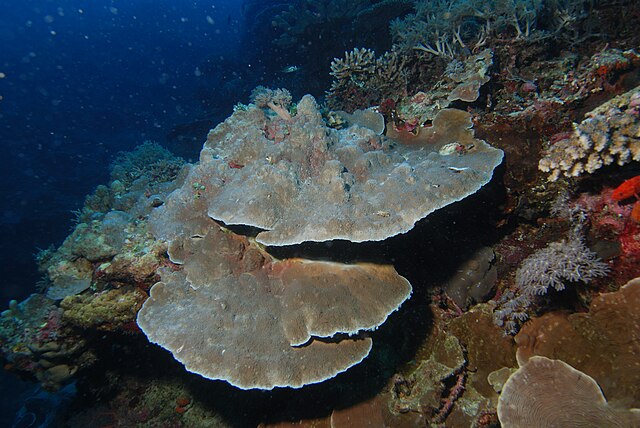
As a practical placement example, consider a 90 cm tank setup. The back area at heights of 30 cm or more is the main placement zone for SPS groups, where high light and strong flow are supplied. Fast-growing species like Acropora and Montipora are placed here, with minimum spacing of 15 cm between individuals to prevent mutual interference with growth.
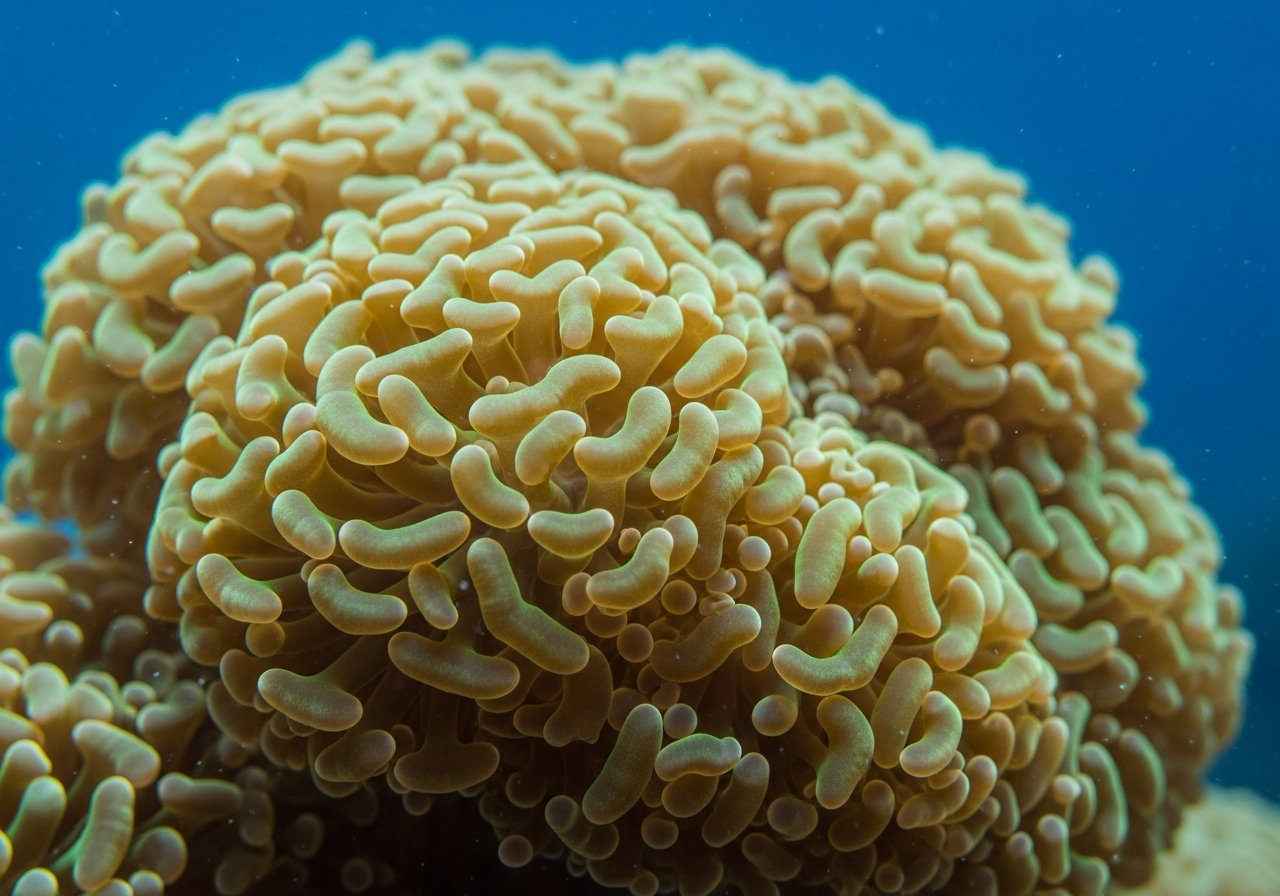
The middle zone at heights of 20–30 cm becomes the main area for LPS groups. Large-polyp stony corals like Euphyllia and Catalaphyllia show their best coloration and expansion in this moderate-light, moderate-flow environment. Within this group as well, maintain spacing of at least 10 cm between individuals to minimize antagonistic effects from tentacle contact.
The shallow front zone at heights of 10–20 cm is the soft coral region. Species like Sarcophyton and Sinularia can survive in relatively low light and thrive in this area. Here, maintain wider spacing of 20 cm or more between individuals and adjust flow to lower levels, allowing observation of the characteristic gentle movement of soft corals.
Antagonism Management Between Groups and Allelopathic Defense Strategies
When different types of corals coexist in the same environment, allelopathy—chemical-based mutual antagonism—can occur. In particular, the chemical defense compounds secreted by soft corals are known to inhibit the growth of SPS and LPS groups, making it important to maintain physical distance between groups.
To minimize antagonism, setting a strict photoperiod of 12 hours light and 12 hours darkness using a lighting timer is effective in avoiding stress in individual corals. Additionally, maintaining high performance of the protein skimmer and promptly removing organic matter containing various defense compounds can reduce the impact of chemical antagonism.
Water flow pattern adjustments are also important. By creating independent flow zones around different coral groups, chemical compounds secreted from one group are less likely to reach other groups. Regular adjustments to flow direction and avoiding continuous strong-flow stimulation to the same individual are also critical.
Layout Adjustments and Long-Term Management Tips
Over the 3–6 months following initial placement, different growth rates among groups may cause them to draw closer to each other. Through regular observation, you can maintain a balanced landscape by relocating fast-growing individuals to different positions or repositioning slower-growing individuals to more advantageous locations.
When making placement changes, minimizing stress on individuals is critical. Avoid abrupt changes in environmental parameters (illumination, water flow, temperature) before and after relocation, and establish a 3–5 day gradual acclimation period. Regular position adjustments are key to maintaining long-term population balance.
For year-round water quality management in mixed groups, attention to overall nutritional balance is necessary. Provide both microgranular feed for SPS groups and larger-particle feed for LPS groups 3–4 times per week, optimizing overall nutritional status for all individuals.
Biodiversity Maintenance and Ecosystem Balance
In long-term mixed-tank operations, maintaining not just visual appeal but also the health of each population and overall ecosystem balance is extremely important. Regularly measure water quality parameters (calcium, alkalinity, magnesium, phosphate, and nitrate), ensuring balance to meet the nutritional needs of each group. This is the foundation for sustained successful cultivation and is essential for achieving stable, multi-year husbandry. Additionally, periodic bacterial culture testing is also highly effective as part of water quality management.