Coral Toxins and Safe Handling | Palytoxin and Cautions for Zoanthids and Palythoa
Summary of coral and soft coral toxicity, palytoxin-related precautions, and basic rules for safe handling.
Key Takeaways
Summary of coral and soft coral toxicity, palytoxin-related precautions, and basic rules for safe handling.
Toxicity in Corals and Soft Corals
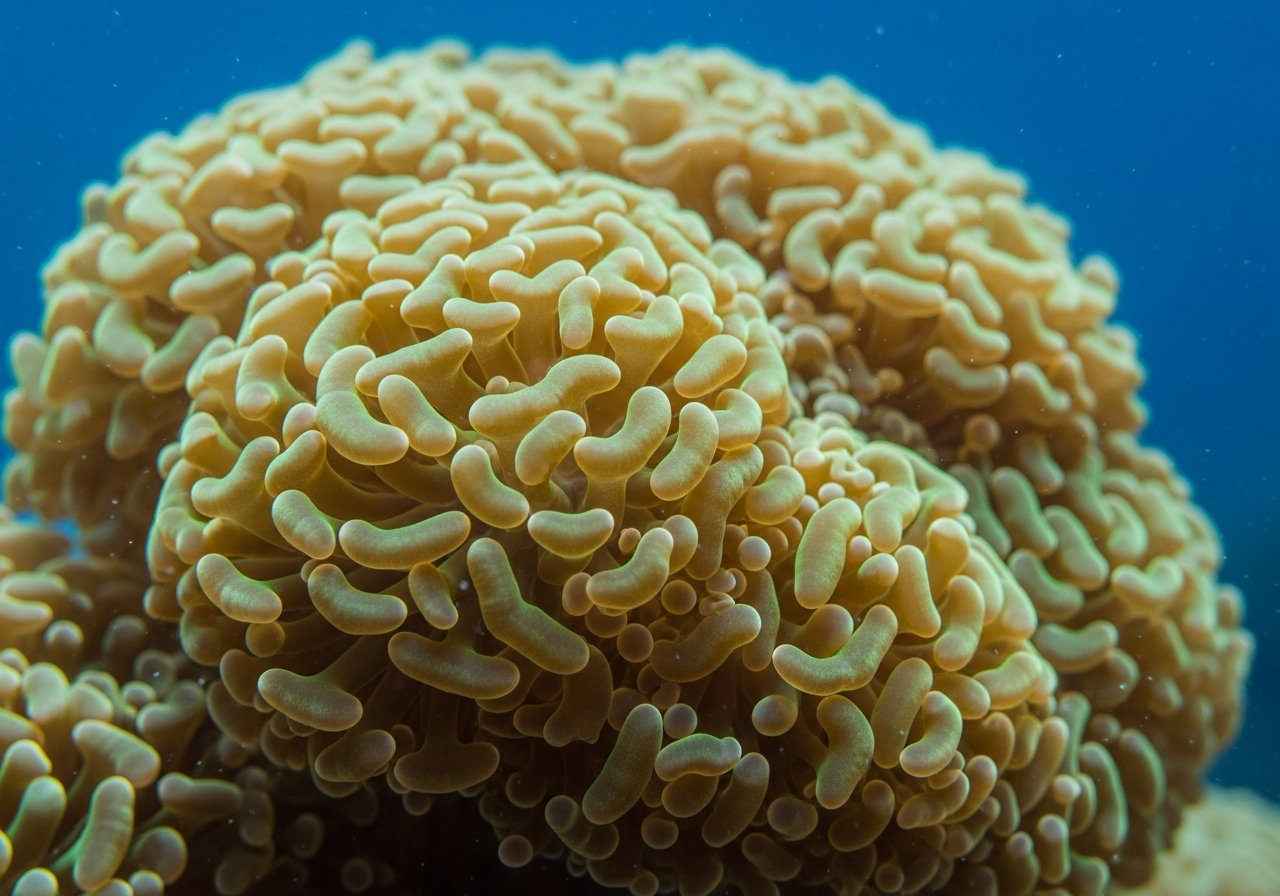
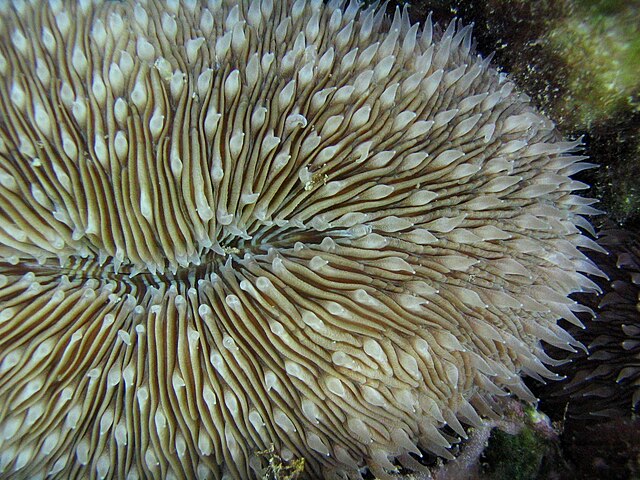
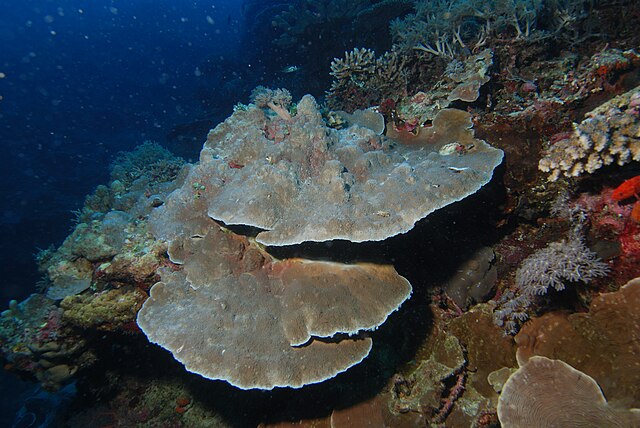
Many reef-building organisms and soft corals—including corals, their relatives anemones, zoanthids, and Palythoa—possess various toxic substances or nematocyst toxins to protect themselves from predators or capture prey. In most cases, brief contact with bare hands does not produce strong symptoms; however, certain species are known to carry extremely potent toxins, making correct knowledge and careful handling essential during maintenance and husbandry.
Palytoxin and Zoanthids and Palythoa: Important Precautions
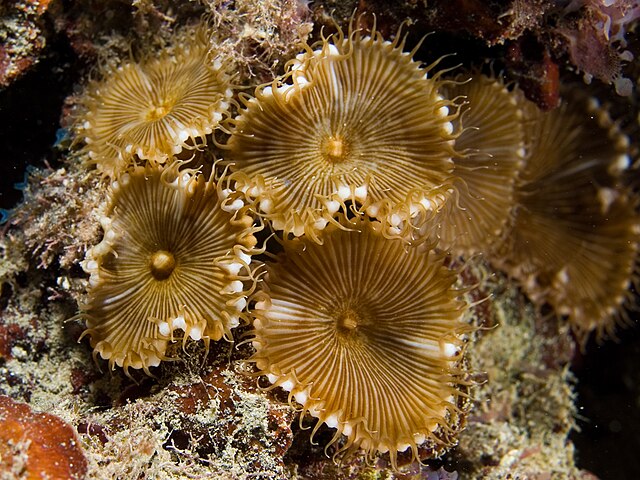
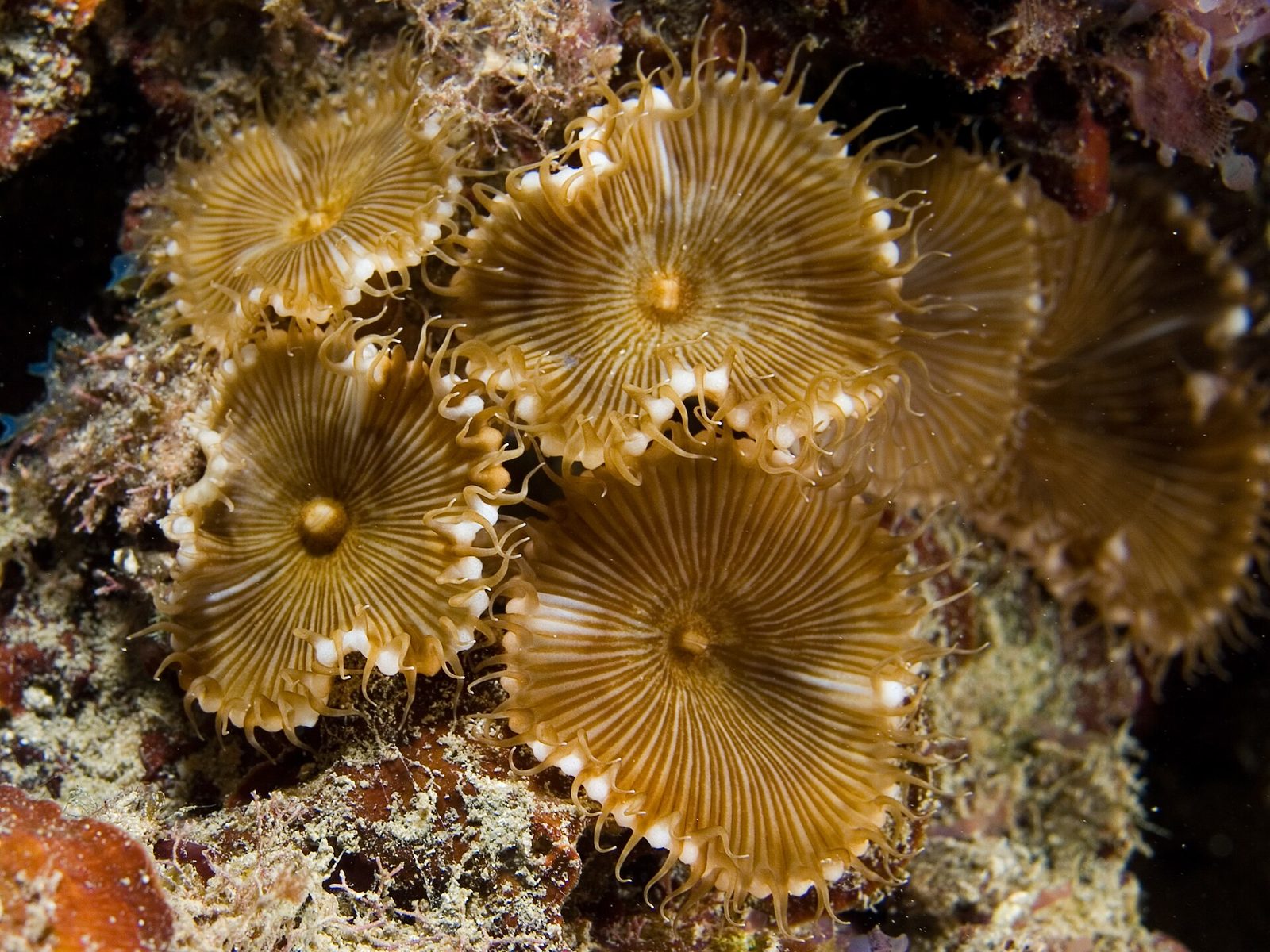
In the marine aquarium hobby, the substance most commonly discussed is "palytoxin," which zoanthids (Zoanthus) and Palythoa species are known or suspected to possess. Palytoxin is recognized as one of the most potent naturally occurring toxins, and if absorbed through skin wounds, mucous membranes, or ingested through other pathways, it can trigger systemic symptoms including nausea, muscle pain, and respiratory distress.
Particular caution is warranted during tasks such as treating rocks colonized by zoanthids or Palythoa with boiling water or high-pressure cleaning. Inhalation of aerosolized water or mist can introduce the toxin through the respiratory tract and mucous membranes. Indoor or poorly ventilated spaces should be avoided for such work; if necessary, tasks should be performed outdoors in a well-ventilated area, keeping your face away from the work.
Palytoxin content is not uniformly strong across all zoanthid and Palythoa species, nor is it uniform across individual colonies or collection environments; toxin levels vary. However, the foundational principle of safe handling is that "toxin strength cannot be determined by appearance," so uniform caution should be applied when handling any individual. There is no need to avoid keeping these corals out of excessive fear, but handling them with proper knowledge and appropriate distance is essential.
The catalog offers details on each species at Zoanthids, Palythoa grandis, and Zoanthids/Palythoa species.
Basic Handling Rules
When working with corals or soft corals in general, following these basic rules promotes safety:
- Avoid prolonged or frequent bare-hand contact. Wear rubber gloves during trimming or moving
- Wash hands thoroughly after work, and always rinse before touching eyes, mouth, or any cuts
- If tank water splashes, take care that it does not contact your face or mucous membranes
- Do not handle with hands that have small cuts or abrasions; alternatively, cover wounds with bandages before working
- Create an environment where children or pets cannot directly touch tank water, rocks, or corals
- Do not handle trimming fragments or debris with bare hands; use nets, tweezers, or other tools to collect them
These are not special procedures but routine practices that can be incorporated into everyday tank maintenance. Adopting the mindset that toxins may be present and making tool use and handwashing habitual—these basic actions ultimately become the simplest and most effective safeguard.
Common Precautions for Other Cnidarians
Some anemones and fire corals (hydrozoans that resemble corals but are classified as related cnidarians) can also cause pain or irritation through nematocyst contact. While systemic risks comparable to palytoxin are not as widely known, the fundamental principle of not carelessly handling unfamiliar organisms with bare hands remains sound practice for safety.
Cnidarians including corals vary greatly in nematocyst toxin strength and mechanism of action depending on species. Not all species require uniform designation as "dangerous," but conversely, assuming "corals are safe" should also be avoided. Before working with unfamiliar species, taking time to confirm basic precautions beforehand fosters peace of mind.
If You Experience Abnormal Symptoms
If you notice unusual pain, swelling, rash, dizziness, nausea, or respiratory difficulty during or after handling, do not attempt self-diagnosis or observation; seek medical attention promptly. When consulting a healthcare provider, mentioning that you were handling cnidarians such as zoanthids or Palythoa in a marine aquarium can assist with diagnosis.
If you have specific questions about husbandry and handling, or if you are uncertain about safe handling practices, we recommend consulting a specialized aquarium shop, experienced aquarists, or professional resources. This article summarizes generally known precautions and does not substitute for medical judgment regarding individual symptoms or treatment.
Summary: Learn Correctly, Avoid Excessive Fear, Handle with Care
Coral and soft coral toxicity, when understood properly, requires no excessive fear. What matters is consistently following the basics: "avoid bare-hand contact," "wash hands after work," and "seek medical advice promptly if symptoms occur." When handling zoanthids or Palythoa in particular, recall the basic rules presented in this article and proceed calmly and safely with your work.