Coral Pest Management | Identifying and Dealing with Common Pests Like Nudibranchs, Planaria, and Red Bugs
An overview of common coral pests (predatory nudibranchs, flatworms, micro-crustaceans, etc.), their characteristics, and strategies for preventing introduction into the aquarium.
Key Takeaways
An overview of common coral pests (predatory nudibranchs, flatworms, micro-crustaceans, etc.), their characteristics, and strategies for preventing introduction into the aquarium.
One of the persistent challenges in coral aquariums is the presence of small invertebrates that parasitize or consume coral tissue—commonly referred to as "pests." Most are introduced accidentally when attached to newly acquired corals, and by the time you notice them, they may have already begun reproducing. Dipping and quarantine procedures, as discussed in Coral Selection and Acclimation Treatment, are fundamental preventive measures against such introductions. Here, we examine the most common pest types and how to manage each.
Flatworms (Planaria) That Feed on Corals
Certain small flatworms, measuring just a few millimeters in length, are known to preferentially feed on Acropora. They cling to the coral surface and hide so effectively that their coloration often matches the surrounding coral, making them difficult to spot during the day. At night, turning off the main lights and using a flashlight makes it easier to observe them crawling across the coral. As feeding damage progresses, tissue is lost in patches, leaving white skeleton exposed—a characteristic warning sign. If few in number, physical removal is attempted, though finding all hidden individuals and eggs completely is challenging. If damage persists, treating the entire coral with dipping solution may be considered.
Nudibranchs That Target Montipora
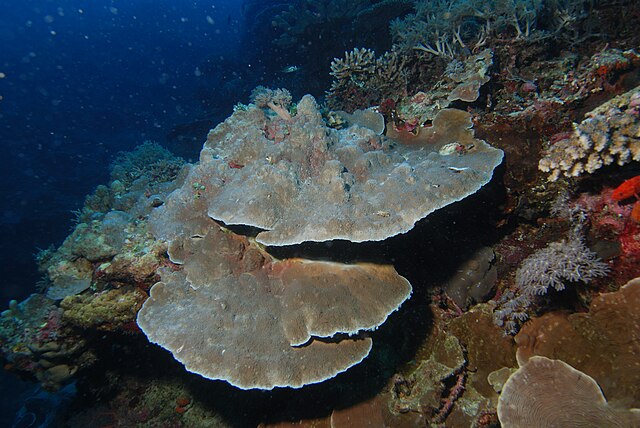
Montipora corals are known to attract tiny nudibranchs (sea slugs) that specialize in feeding on their tissue. Their coloration and patterns blend easily with the coral surface, and they lay eggs directly on the coral, making visual detection difficult. As feeding damage advances, tissue loss becomes patchy and portions of the skeleton become visible. In addition to pre-purchase dipping, carefully inspecting the coral at the time of purchase for areas showing unnaturally altered color or texture can lead to early detection.
Red Bugs—Minute Crustaceans
Very small, reddish crustaceans called "red bugs" commonly attach to Acropora corals. At less than 1mm in length, they appear as tiny dots to the naked eye, but they are more easily spotted under blue lighting or with magnification. As their numbers increase, affected corals may lose coloration and appear dull, and polyp extension may become restricted. When populations are still low, increased water flow can mechanically dislodge them, though more thorough control usually requires dipping treatment or sustained observation-based removal efforts.
Predatory Snails Targeting LPS
Small shelled snails may crawl onto branching or mounding Large Polyp Stony (LPS) corals and feed on polyps and tissue. They are primarily nocturnal, hiding during the day in crevices of the skeleton or underneath the coral base, making them challenging to detect. If a particular coral appears sluggish, polyps fail to extend in certain areas, or recovery stalls, it is worthwhile to carefully observe the coral's surroundings and underside for any shelled organisms. Once found, they can be carefully removed with tweezers.
Pests Affecting Zoanthids
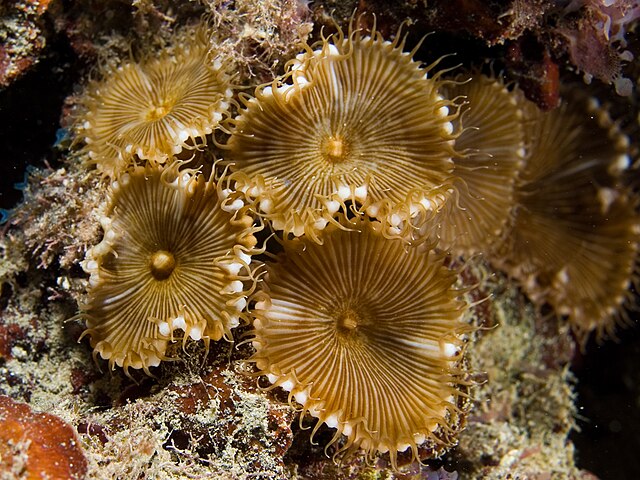
Zoanthids may be colonized by minute predators that prevent polyps from opening. When polyps remain closed over an extended period and the colony appears to shrink, this is a likely indicator of pest infestation. Isolating a fragment of the affected colony, performing dipping treatment, and monitoring its progress can sometimes prevent further damage to the main colony.
Fundamental Prevention Strategy
Once pests establish and reproduce within an aquarium, complete eradication becomes extremely difficult. Therefore, the most effective strategy is dipping and quarantine observation at the time of introducing new corals. Making nighttime inspections a habit and becoming attentive to unusual polyp behavior or tissue changes helps minimize damage. Certain fish that prey on these pests are known to suppress infestations when added to the tank, though introducing additional livestock requires careful consideration of the aquarium's overall balance.
Seek Expert Advice if Problems Persist
If damage continues despite your own eradication attempts, or if symptoms spread to multiple corals simultaneously, it may be necessary to reassess the overall management of your aquarium system. It is advisable to consult with a specialist at an aquarium shop or someone experienced in coral keeping, sharing photographs and observations of the problem. Since pest types and damage severity vary greatly between individuals and tanks, relying solely on definitive solutions is risky. Instead, adopt an adaptive approach, combining different strategies as the situation demands.