Coral Reproduction Mechanisms | Sexual and Asexual Reproduction, Mass Spawning, and Planula Larvae
This article explains how corals reproduce, covering both sexual reproduction through mass spawning and planula larvae, and asexual reproduction through budding and fragmentation.
Key Takeaways
This article explains how corals reproduce, covering both sexual reproduction through mass spawning and planula larvae, and asexual reproduction through budding and fragmentation.
While corals may appear immobile, active reproductive activity occurs within them. Corals employ two primary reproductive strategies—sexual and asexual reproduction—and most corals flexibly employ both depending on environmental conditions. When polyps multiply and colonies spread in an aquarium, this reflects these reproductive mechanisms at work. This article explores coral reproduction from a fundamental biological perspective.
The Basic Units of Coral—Polyps and Colonies
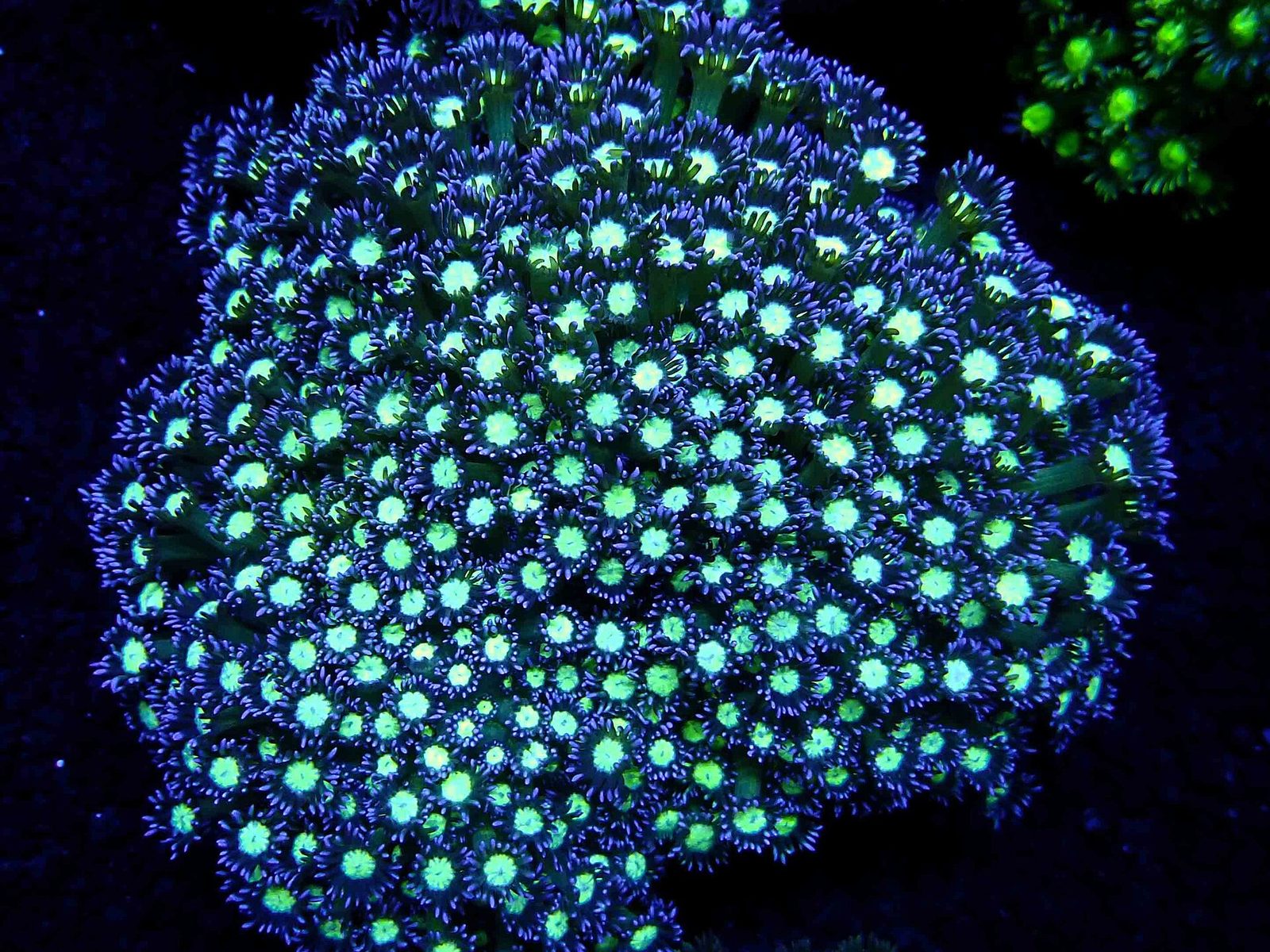
Corals are colonial cnidarians composed of numerous small individuals called "polyps." Each polyp has a simple structure consisting of a mouth and tentacles, yet the entire colony constructs a calcium carbonate skeleton and maintains interconnected tissues. From a reproductive standpoint, colonies have two defining features: they produce "sexual reproduction" through eggs and sperm created by the colony as a whole, and they undergo "asexual reproduction" when individual polyps or colony fragments separate and proliferate. These are not mutually exclusive—the same colony may engage in sexual reproduction during an annual spawning season, while slowly spreading through asexual reproduction during other periods.
Sexual Reproduction—Mass Spawning and Planula Larvae
Many reef-building corals are known to perform "mass spawning" (or mass coral spawning), releasing eggs and sperm simultaneously in synchrony with environmental cues such as lunar phase and water temperature. Released eggs and sperm fertilize in seawater, developing into small ciliated swimming larvae called "planulae." Planulae drift through the ocean for days to weeks, searching for suitable substrates. Upon settlement, they metamorphose into polyps and begin growth as new colonies. This extended pelagic phase is thought to allow corals to maintain genetic connectivity across distant reef systems.
Conversely, some species practice "brooding," in which eggs and sperm fertilize internally, and competent planulae are released directly. Brooding species often have less rigid spawning timing than mass spawners, revealing the diversity of reproductive strategies across coral species. Whether a species employs broadcast spawning or brooding is determined by its ecology; neither strategy is inherently superior.
Factors Determining Mass Spawning Timing
Mass spawning does not occur on a single trigger; rather, multiple environmental cues combine to initiate the event. Lunar phase is a prominent factor, with spawning concentrated on specific nights around the full moon in many reef corals. Seasonal water temperature fluctuations and the timing of darkness after sunset also play roles. These factors combine synergistically, enabling multiple species and colonies in the same region to release eggs and sperm nearly simultaneously. Even closely related species inhabiting the same location show subtle timing differences in spawning, a mechanism thought to prevent hybridization between species.
Asexual Reproduction—Colony Division and Growth
Corals possess a second reproduction mechanism that bypasses sexual processes. The most prominent is "budding," where new polyps form alongside existing ones, expanding the colony. "Intraradial budding" occurs within the tentacle crown, while "extraradial budding" occurs outside it, with different species employing different modes.
"Fragmentation" is another form of asexual reproduction in which part of a colony breaks off due to storm or physical impact, settles elsewhere, and grows as a new colony. The aquarium practice of dividing corals into "frags" is a human application of this natural fragmentation reproduction. Some species exhibit "polyp bailout," where polyps detach from the skeleton and relocate under stress—a form of emergency evacuation when conditions deteriorate.
Reproduction and Observation in the Aquarium
In stable aquarium environments, soft corals and SPS corals can be observed slowly spreading through repeated budding and fragmentation. Since these changes occur gradually, regularly examining the colony margins and branch tips makes them easier to notice. The relationship between corals and their symbiotic zooxanthellae algae is explored in detail in Corals and Zooxanthellae | Photosynthesis and Symbiosis Mechanisms. Understanding the symbiotic foundation underlying reproduction offers deeper insight into how and why colonies grow.
Summary—Understanding Growth Transforms Observation
While sexual reproduction through mass spawning is typically the focus of field observations and research, the asexual growth of colonies is what we observe daily in home aquariums. Observing the growth of SPS corals such as Acropora in the Encyclopedia while keeping reproduction mechanisms in mind reveals the profound complexity of these organisms. Since growth rate and method vary significantly by species, checking the encyclopedia for the characteristics of species of interest is highly recommended.