Understanding Why Coral Polyps Won't Open and How to Troubleshoot
Learn how to distinguish between environmental factors, coral-to-coral incompatibility, and post-introduction acclimation stress when polyps fail to extend.
Key Takeaways
Learn how to distinguish between environmental factors, coral-to-coral incompatibility, and post-introduction acclimation stress when polyps fail to extend.
What It Means When Coral Polyps Won't Open
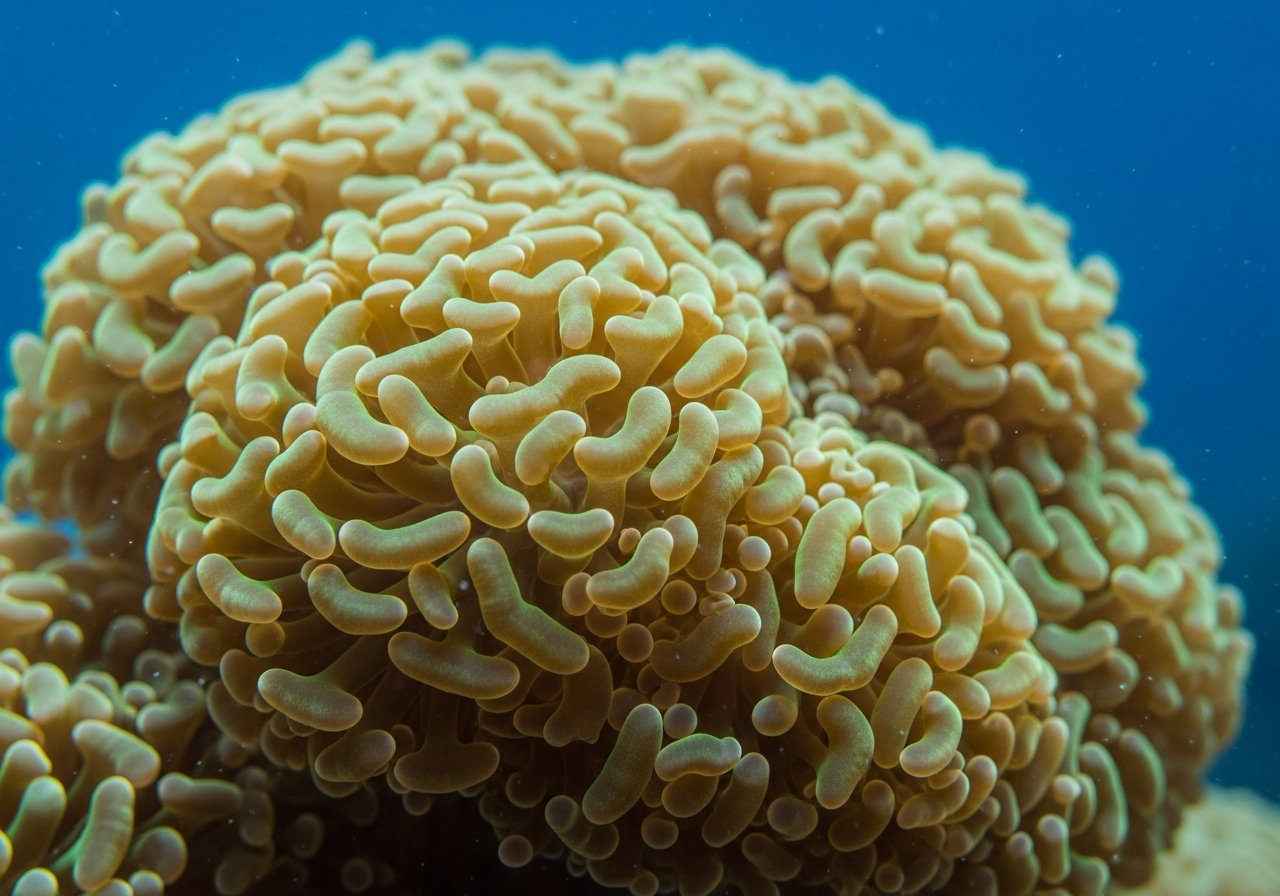
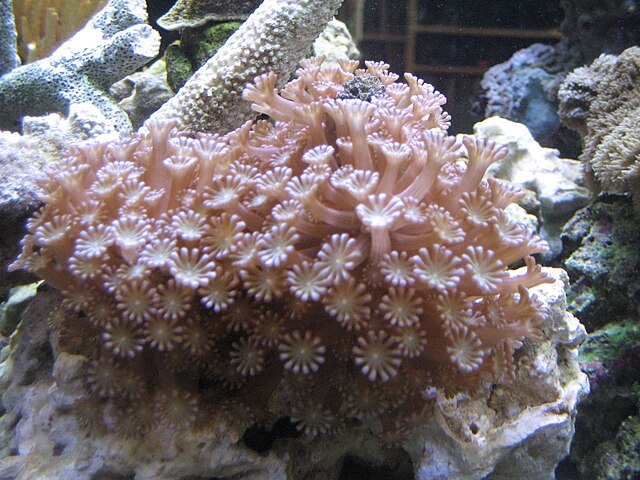
When a coral's polyps are open, it's a sign that the individual has adapted to its environment—water quality, lighting, water flow—and is functioning normally. Conversely, when polyps remain closed or tentacles stay retracted for extended periods, this signals that some form of stress is affecting the coral. However, some species naturally open only at night or maintain more modest polyp extension during the day, so the absence of open polyps doesn't automatically mean something is wrong. It's important to compare the coral's current state with its baseline behavior and identify any genuine changes. Start by observing over several days, then distinguish between temporary stress responses and persistent problems.
Suspect Environmental Factors
The most common cause of polyp closure is a change in environmental conditions—water quality, lighting, or current. Check whether parameters affecting skeleton formation (nitrate, phosphate, KH, calcium, magnesium) have fluctuated significantly. Rapid water changes, adjustments to supplement dosing, changes to lighting settings, and flow pump failure or misalignment can all trigger polyp closure. Multiple factors often occur simultaneously, so review recent changes to your tank in chronological order and see whether the timing of changes correlates with changes in the coral's behavior. This often reveals the culprit.
Check for Compatibility Issues and Physical Contact Between Corals
If environmental parameters check out, examine the relationships between corals and other inhabitants. Some coral species engage in chemical and physical competition over territorial boundaries, and when adjacent individuals are too close, one or both may suffer stress. Check whether extended tentacles are touching neighboring corals, or whether growth has narrowed the spacing since placement. Adjust positioning if needed. Also watch for fish or invertebrates nipping at or climbing over the coral. While physical damage is obvious, it's easy to miss if you're not observing daily.
Distinguishing Between Post-Introduction Acclimation and Persistent Decline
Newly introduced corals often remain closed for a period; this is typically a temporary acclimation response to transport and environmental change. Such corals usually begin opening gradually over days to weeks, so it's best to observe quietly without making major adjustments. In contrast, if a previously healthy coral suddenly closes and fails to reopen, or if you notice tissue bleaching or tissue loss, further investigation is warranted. For acute changes that may lead to tissue death, consult SPS Corals: Causes and Treatment of RTN/STN (Tissue Necrosis) and Coral Bleaching: Causes, Recovery, and Understanding Color Loss.
Basic Approach When Unsure
When the cause is unclear or multiple factors seem involved, resist the urge to make rapid adjustments. Instead, first measure basic water parameters (temperature, specific gravity, nutrient levels, KH), then organize your observations of recent tank changes. Diagnosis is often difficult, so if conditions don't improve or continue to deteriorate, consider consulting a specialty aquarium shop or expert about the overall situation. Early consultation often opens more options for intervention. Taking photos of your tank on a fixed schedule helps you spot changes earlier and makes explanations during consultation clearer.
Daily Observation Is Your Best Prevention
Polyp extension and closure is one of the clearest signals of a coral's current state. Establishing a habit of surveying the full tank at set times—around feeding or before lights out—helps you catch changes early. When multiple corals show reduced polyp extension simultaneously, suspect tank-wide factors (water quality, equipment failure) rather than individual coral issues. When only some corals show symptoms, prioritize checking placement and individual variation. Rather than rushing to apply multiple fixes at once, systematically investigate one factor at a time, consulting experts as needed. This methodical approach ultimately keeps your corals healthy longer. Understanding your tank's baseline is the foundation for early detection and fast response when problems do arise. Taking a calm, stepwise approach often turns out to be the quickest path to recovery.