Interactions Between Branching Corals and Amphipods | Micro-ecosystem Around Soft Corals
Around soft corals such as mushroom corals and branching corals, small crustaceans and amphipods tend to gather. This article covers the interactions between these small organisms and corals, as well as the ecological balance within an aquarium.
Key Takeaways
Around soft corals such as mushroom corals and branching corals, small crustaceans and amphipods tend to gather. This article covers the interactions between these small organisms and corals, as well as the ecological balance within an aquarium.
When observing a coral aquarium, it is common to see small amphipods and shrimp swarming around the coral polyps. In particular, soft corals such as branching corals and mushroom corals provide an important living space for these small organisms. Understanding the micro-ecosystem around corals is crucial for creating an aquarium environment that more closely resembles nature. Rather than simply creating a "beautiful aquarium," building a "functionally healthy ecosystem" leads to long-term success in coral keeping.
Small Crustaceans Gathering Around Soft Corals
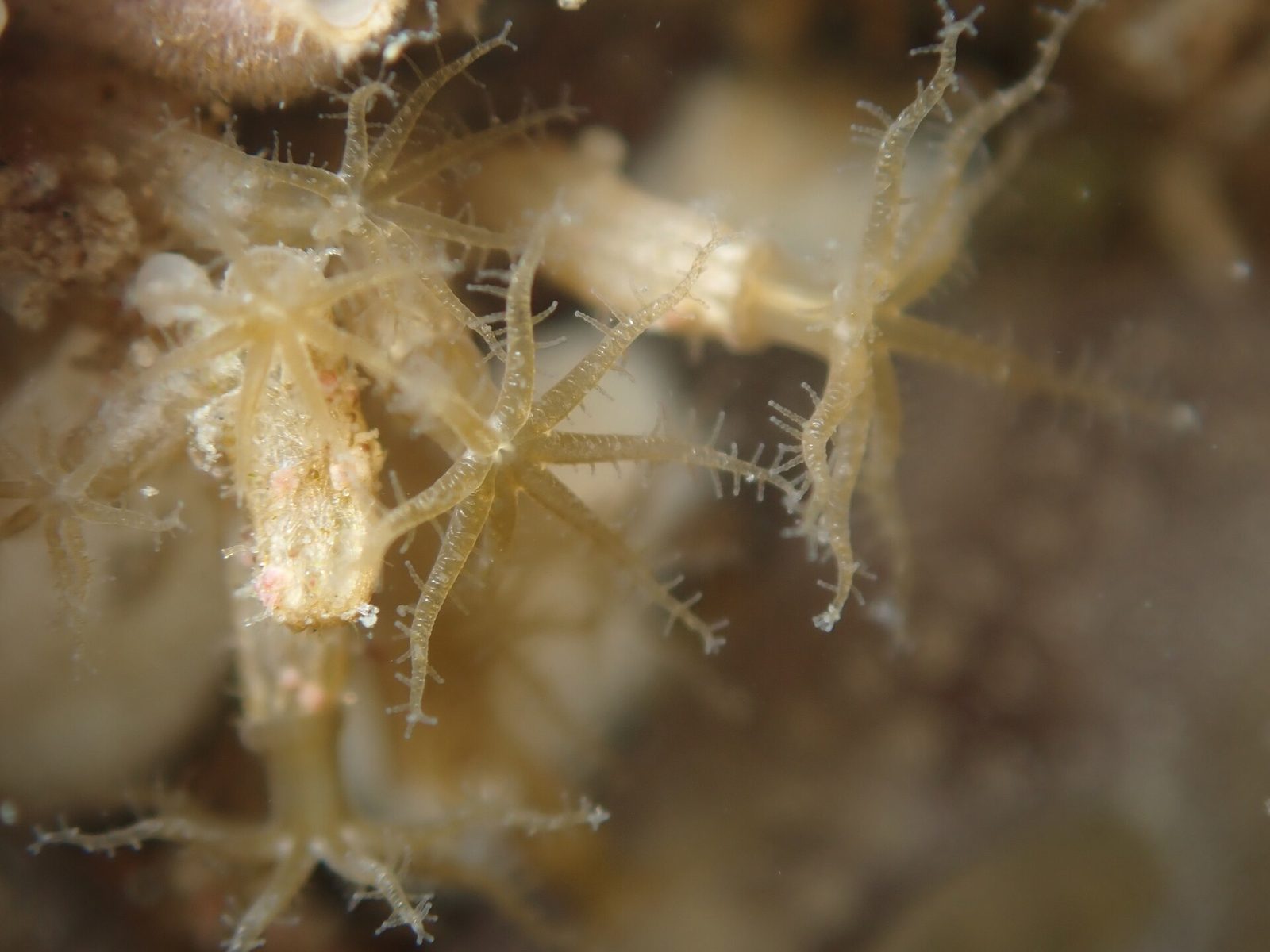
Amphipods are the most common small crustaceans found around corals. They measure several millimeters to about 1 centimeter in length and are clearly visible to the naked eye. These organisms are active at night and feed on microscopic detritus on the coral surface and mucus secreted by the corals. In natural coral reef ecosystems, amphipods form an important part of the food chain and serve as food for predators such as small fish and cleaner shrimp.
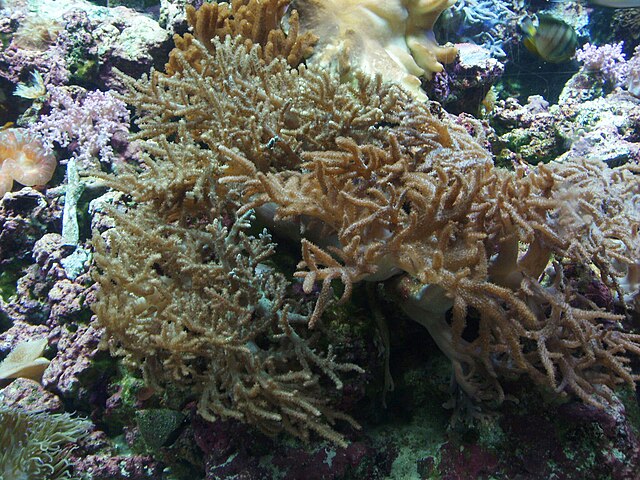
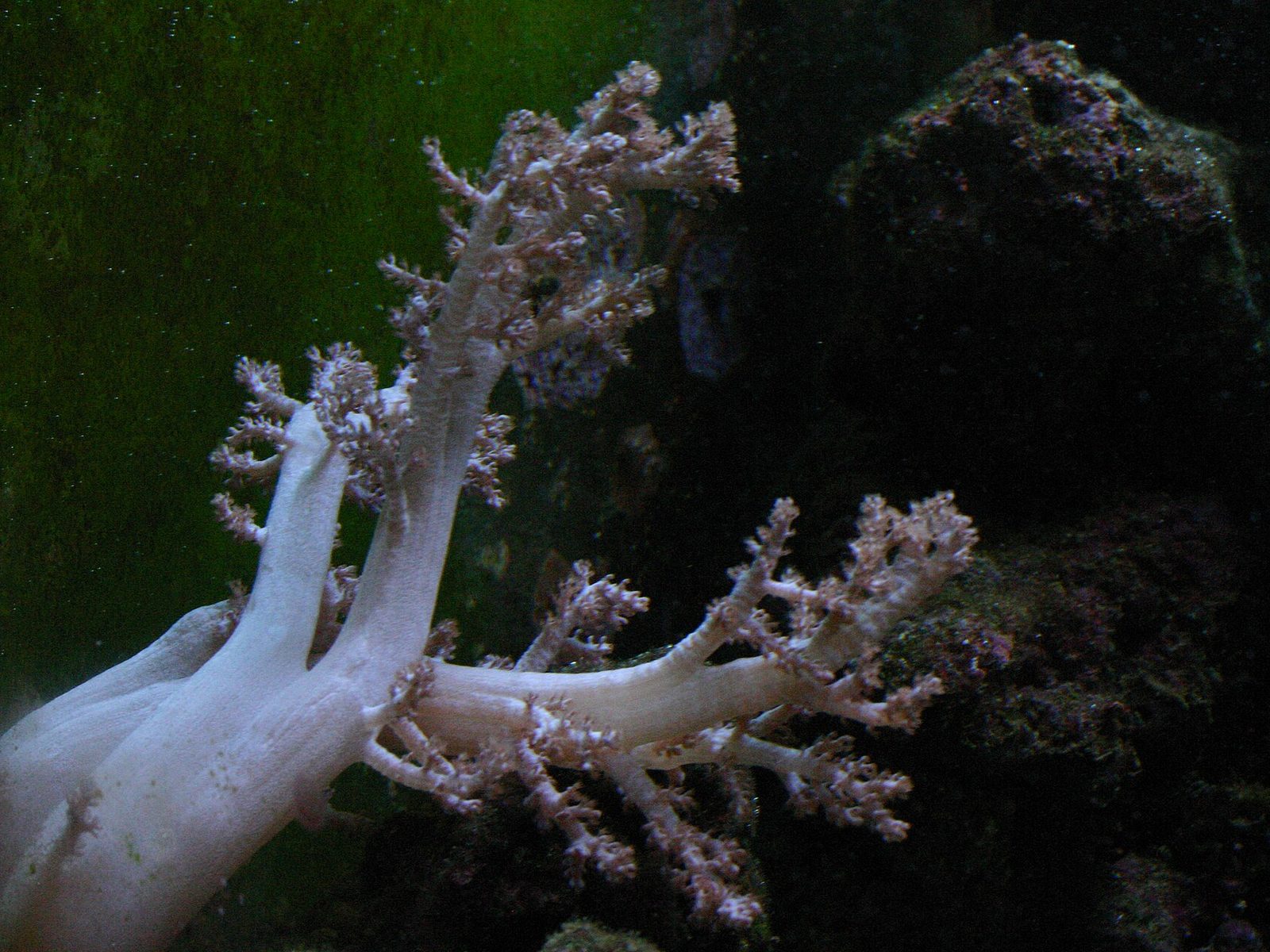
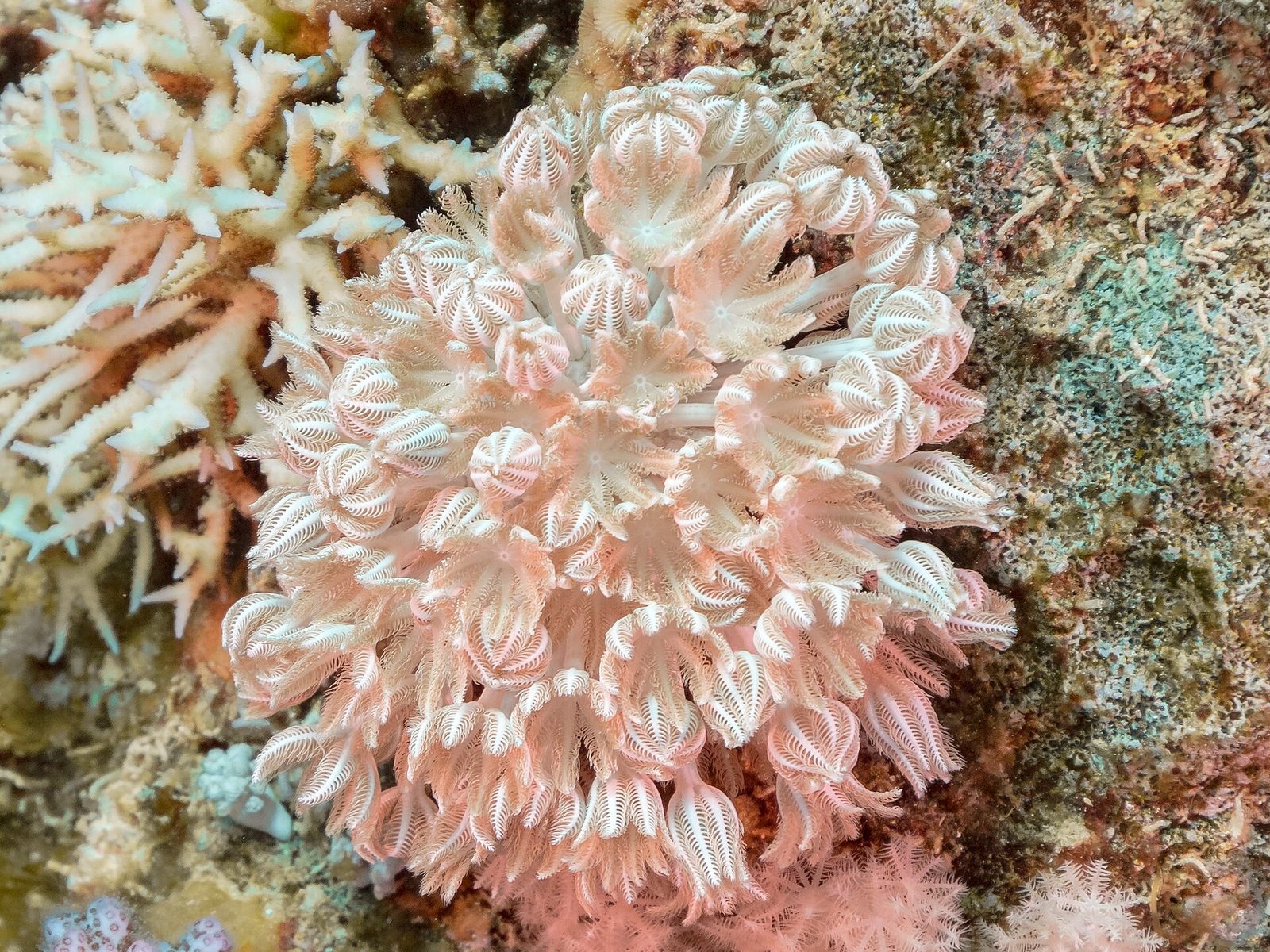
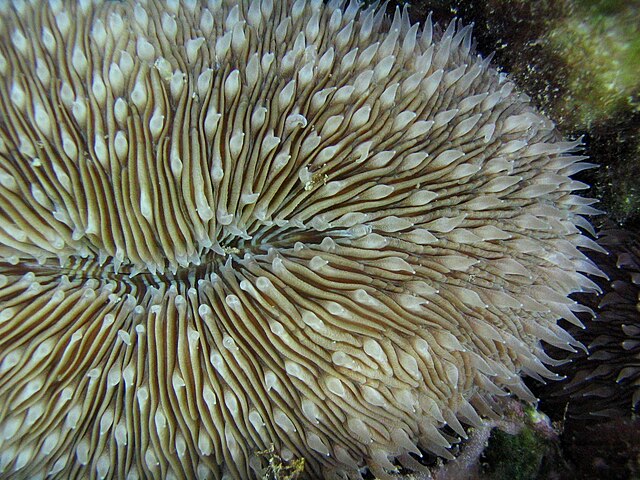
Branching soft corals such as toadstool and mushroom corals, with their complex surface structure and gaps between polyps, provide an excellent refuge for amphipods. The amphipod lifestyle—hiding during daylight hours and emerging at night to feed—complements the structure of soft corals well. Experimental studies have shown that when the branching structure of soft corals is reduced, amphipod populations decrease by 30–50%.
One-directional Relationship from Coral to Amphipod
When amphipods reproduce around corals, their population increases. The impact of amphipods on corals is generally limited. In fact, by consuming filamentous algae and fine organic matter, amphipods can improve water quality around corals. The amount of organic matter removed by amphipods complements the efficiency of protein skimmers and is particularly noticeable in nutrient-rich aquariums.
However, if amphipod populations become extremely high, they may cause microscopic damage to coral tissues through excessive rubbing. Additionally, amphipods may compete with corals for food (plankton). Generally, if more than 50 amphipods are observed per soft coral colony, population control should be considered.
Coexistence Mechanism with Small Shrimp (Cleaner Shrimp)
Cleaner shrimp introduced into coral aquariums (such as peppermint shrimp) may occasionally feed on amphipods. These shrimp are omnivorous and amphipods around corals are a nutrient-rich food source. In practical aquarium keeping, it is commonly reported that visible amphipod populations decrease by 30–40% shortly after introducing cleaner shrimp.
The relationship between cleaner shrimp and corals is typically mutually beneficial. By eating detritus and attached matter around the coral, the shrimp help maintain coral health. Meanwhile, the amphipod population is naturally controlled by cleaner shrimp, promoting ecological balance around soft corals. This system is a small-scale reproduction of natural coral reef ecosystems and effectively increases stability within the aquarium.
Correlation Between Nutrient Levels and Amphipod Proliferation
When nutrient levels (nitrogen and phosphorus) in an aquarium are high, microalgae and filamentous algae—which serve as food for amphipods—proliferate. As a result, amphipod populations tend to increase. Research has shown that when nitrate concentration is increased from 5 ppm to 25 ppm, amphipod populations increase 2–3 times. Conversely, in aquariums where nutrient levels are properly managed, amphipod populations tend to remain at moderate densities.
This suggests that the interaction between soft corals and small organisms is embedded in the entire aquarium's nutrient cycle. In other words, by optimizing skimmer efficiency and water change frequency, preventing excessive amphipod proliferation indirectly supports coral health. This understanding demonstrates the importance of viewing the aquarium as an ecosystem rather than relying solely on mechanical water quality management tools.
Key Points for Observing and Managing the Micro-ecosystem
By regularly observing the area around branching corals and mushroom corals, one can assess the overall "health" of the aquarium. The sight of amphipods actively feeding and cleaner shrimp frequently swimming around the area suggests a well-balanced micro-ecosystem. Conversely, if amphipods disappear entirely or the coral area appears unnaturally "barren," there may be some anomaly in the aquarium environment. By keeping regular observation records, one can detect ecological-level changes that don't show up in numerical water parameters, allowing for early intervention.
Competitive Relationship Between Small Fish and Amphipods
Small fish such as gobies serve as another predator of amphipods. In aquariums without such small fish, amphipod populations tend to proliferate excessively. The relationship between small fish and amphipods forms an important part of the food chain in natural coral reef ecosystems. However, in aquarium environments, small fish do not always feed on amphipods sufficiently. The available food sources vary depending on dietary preferences and individual fish size. Many aquarium keepers report that controlling amphipod populations through a combination of protein skimmers and cleaner shrimp is a more reliable and predictable method.