Xenia (Sea Thistle / Pulse Coral) Propagation and Management | Tips for Controlling Overgrowth
Explains the mechanisms of how Xenia (Sea Thistle), known for its rapid propagation, spreads, as well as methods for intentional propagation and management techniques to prevent overgrowth.
Key Takeaways
Explains the mechanisms of how Xenia (Sea Thistle), known for its rapid propagation, spreads, as well as methods for intentional propagation and management techniques to prevent overgrowth.
What Kind of Coral Is Xenia (Sea Thistle)?
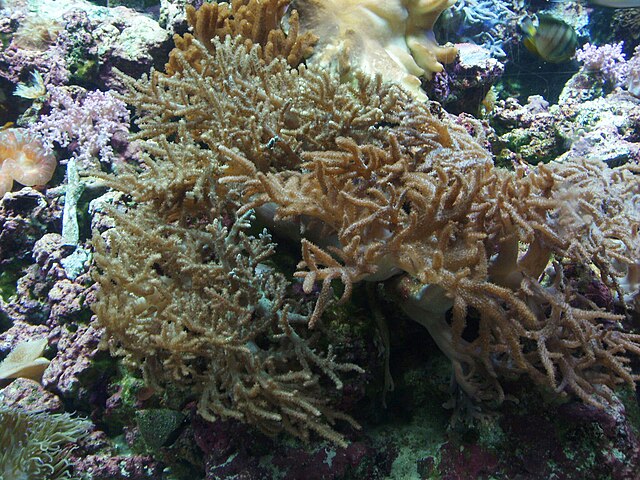
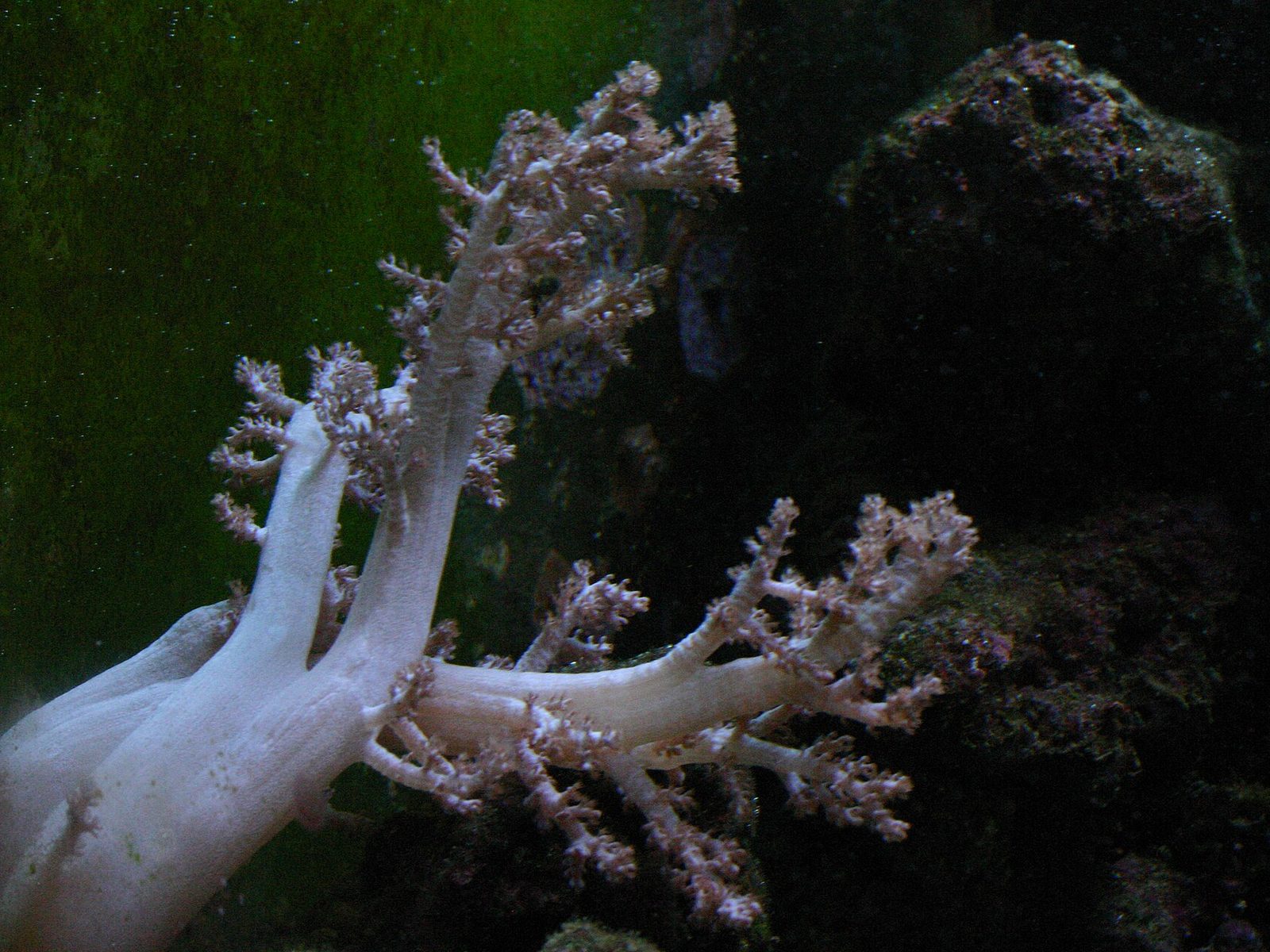
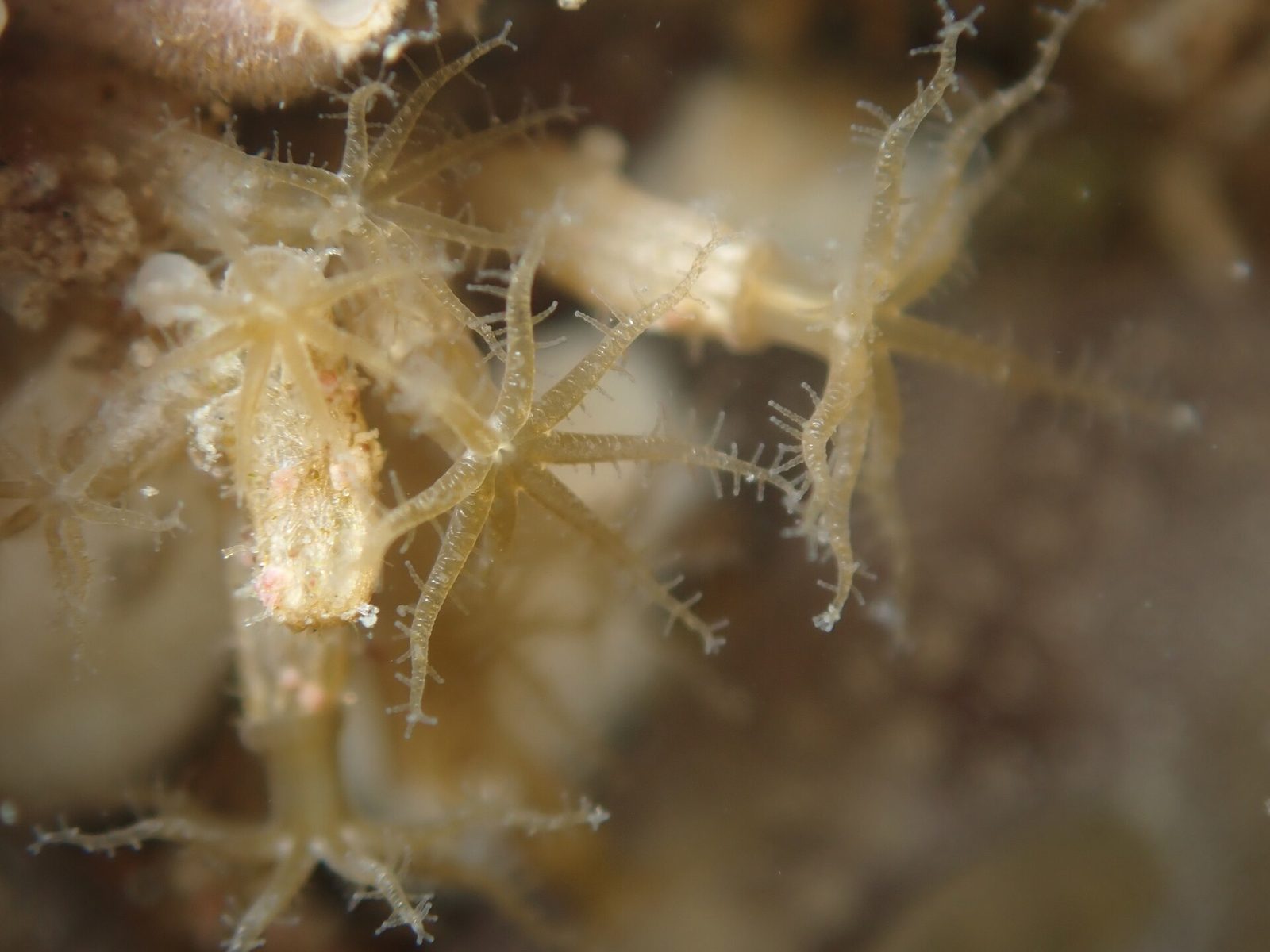
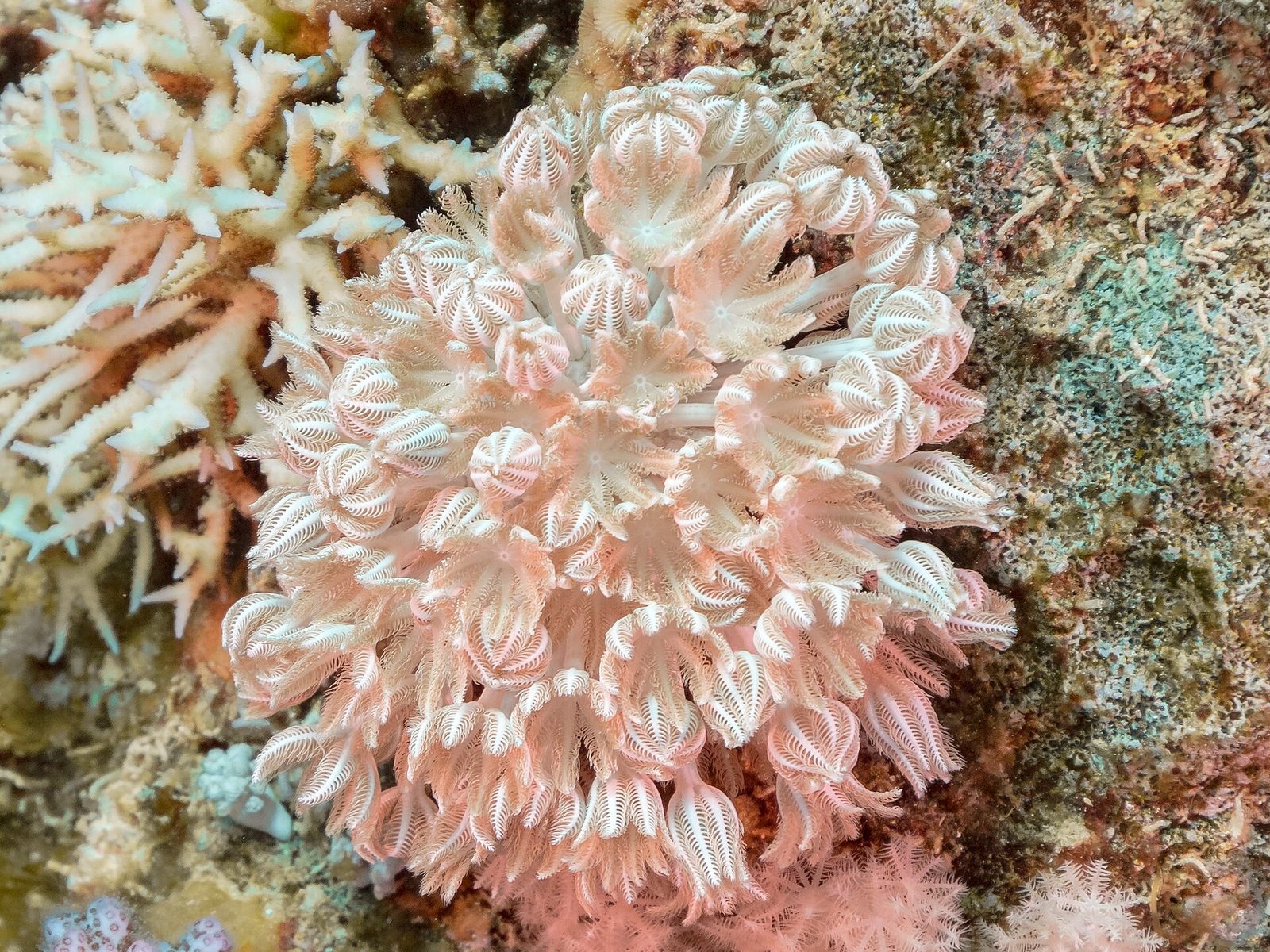
Xenia is a soft coral characterized by its tentacles opening and closing in a pulsating motion in response to water flow, and is also known by the names Zenia and Pulse Coral. Xenia (Sea Thistle) is a type of soft coral without a skeleton, known for its hardiness, high environmental adaptability, and being frequently recommended as an easy-to-keep species even for beginners. On the other hand, due to its hardiness and rapid propagation, it's not uncommon for keepers to find that Xenia has spread to occupy a significant portion of their tank before they realize it. Understanding the mechanisms of propagation is the first step to successfully managing Xenia.
Why Xenia Propagates So Quickly
One reason Xenia propagates so readily is its tendency to spread by creeping—the base sends out stolons that spread across the surface of rocks and live rock. As it spreads, new polyps establish at the tips, causing the colony to continuously expand in area. Additionally, under favorable conditions, Xenia releases planula larvae—tiny free-floating larvae that drift with the current and can settle in distant locations to establish new colonies. Conditions such as strong lighting, moderate water flow, and a degree of nutrient supply—which naturally occur in many aquariums—favor Xenia's propagation, causing it to spread noticeably faster than most other soft corals. It's not uncommon for Xenia to grow from a modest size when initially placed to covering an entire rock structure within several months to a year; anticipating this growth rate when deciding placement can significantly reduce future management burden.
Basic Methods for Propagating Xenia
If you wish to intentionally propagate Xenia, you can use a relatively simple method: cut a portion of the colony at the stem and place it on a separate substrate. The fragging principles discussed in How to Propagate Soft Corals | Basic Fragmentation and Cutting Techniques apply directly; unlike corals with skeletons, cut fragments typically attach naturally to rock crevices without requiring adhesive or special effort. Propagated fragments can be transferred to other tanks or relocated to different areas within the same aquascape.
How to Control Overgrowth
Conversely, to prevent overgrowth, regular thinning is the most fundamental management strategy. This involves cutting and removing overgrown colonies at the base to control their coverage area. If you want to limit Xenia to a specific area of your rockscape, placing it on an isolated substrate separated from other rocks will make it easier to physically restrict its creeping spread. Avoiding excessively high nutrient levels and excessive water flow or light intensity may also help moderate explosive propagation. However, since these environmental adjustments affect other corals as well, it's best to make changes gradually while monitoring the overall balance of your aquarium. Rather than removing large amounts of Xenia at once, thinning gradually while monitoring conditions helps avoid sudden stress to water quality and tank inhabitants. Many keepers reuse removed fragments by transferring them to other aquascapes or finding new homes for them.
Considerations for Coexistence with Other Corals
When Xenia spreads excessively, it can shade adjacent corals, restrict their water flow, or make physical contact with them. As discussed in Soft Coral Allelopathy (Chemical Defense) and Activated Carbon & Water Change Solutions, some soft corals release chemical compounds that inhibit the growth of neighboring corals; allowing dense Xenia populations to persist unchecked can destabilize the entire tank ecosystem. When planning your aquascape, allocating somewhat independent space for Xenia and maintaining a buffer zone between it and other corals will make long-term management much easier.
When in Doubt About Management: Seeking Advice
When Xenia's propagation rate exceeds expectations and overwhelms your tank, or conversely when it suddenly contracts and stops opening, it's advisable to seek advice from aquarium specialists or experienced keepers rather than persist with trial-and-error approaches. If Xenia contracts suddenly or remains closed for an extended period, also checking whether water quality or flow conditions have changed will help narrow down the cause. Beginner-Friendly Soft Corals | Start with Star Polyps, Zoanthids, and Discosoma introduces other hardy soft corals besides Xenia; please refer to it when considering the overall balance of your aquascape. You can also compare the characteristics of other coral species through the Coral Encyclopedia page.